Vocational Rehabilitation: Services, Eligibility, and How It Supports Return to Work
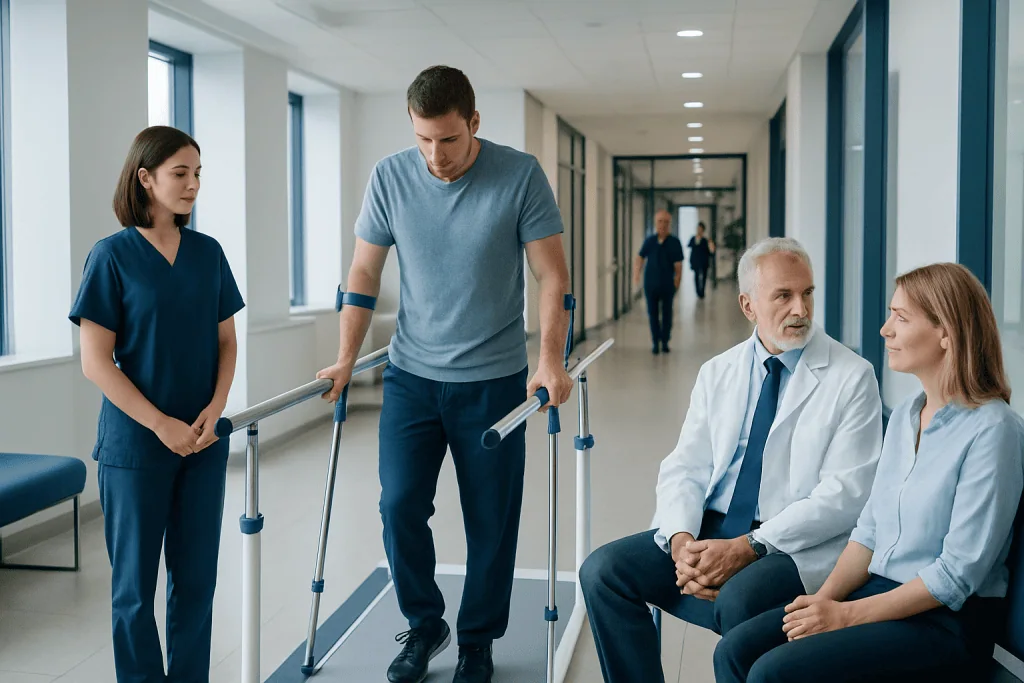
Vocational rehabilitation is a personalized process that supports safe and sustainable work participation. Services may include functional assessment, career guidance, workplace adaptations, retraining, and coordination with employers and healthcare teams.
Key Takeaways
- Vocational rehabilitation is a personalized process that supports safe and sustainable work participation.
- Services may include functional assessment, career guidance, workplace adaptations, retraining, and coordination with employers and healthcare teams.
- Eligibility varies by country, insurer, employer, and public support system, but people with physical, neurological, sensory, or mental health conditions may benefit.
- Early planning often improves return-to-work outcomes and may help prevent long periods away from employment.
- The goal is not only returning to a job, but finding work that matches a person's abilities, health needs, and recovery.
Vocational rehabilitation helps people prepare for, return to, or remain in work after illness, injury, disability, or a change in health. It combines medical, practical, educational, and workplace support to improve function, confidence, and long-term employment outcomes.
Overview of vocational rehabilitation
Vocational rehabilitation is a structured form of support that helps a person enter work, return to work, or stay in work when a health condition affects their ability to do their job. It is commonly used after injury, surgery, long-term illness, neurological conditions, chronic pain, mental health difficulties, or disability. The process is individualized and focuses on what the person can do, what barriers are present, and what practical steps may improve work participation.
Work is an important part of daily life for many people. It can provide income, routine, social contact, purpose, and independence. When health changes make working difficult, vocational rehabilitation aims to bridge the gap between medical recovery and real-life job demands. This may involve healthcare professionals, rehabilitation specialists, employers, case managers, social workers, and educators working together.
Vocational rehabilitation does not always mean returning to the same role. For some people, support is focused on graded return to their previous job. For others, it may involve changing duties, learning new skills, exploring a different occupation, or arranging adaptations that make work safer and more realistic. The overall aim is a sustainable plan that respects both health needs and employment goals.
Who may benefit and common signs support is needed
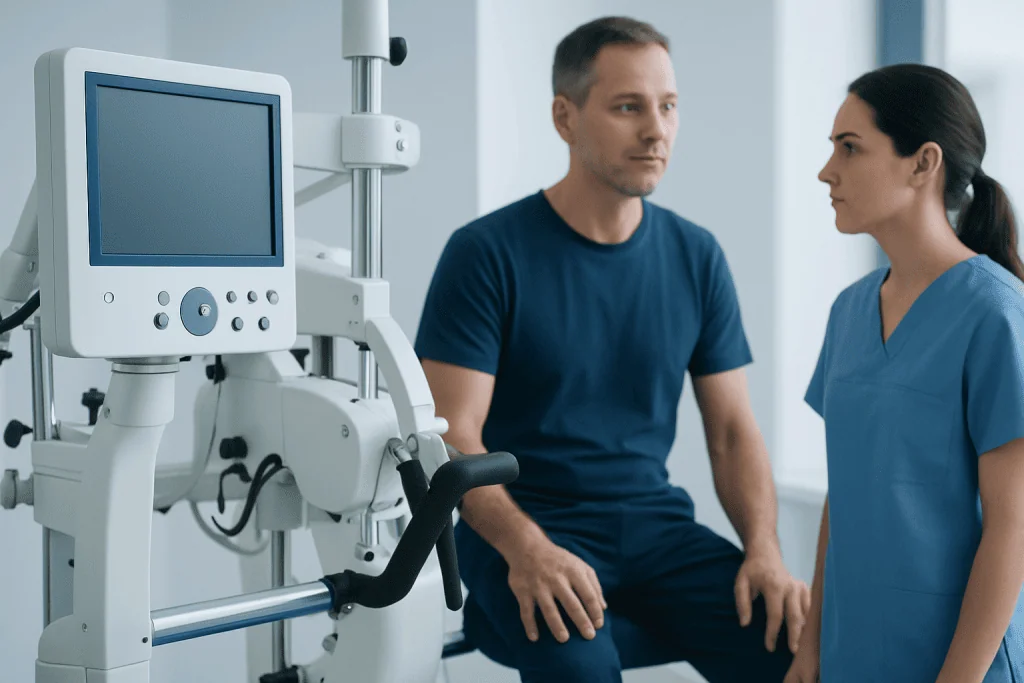
A wide range of people may benefit from vocational rehabilitation. This includes those recovering from orthopedic injuries, stroke, brain injury, spinal problems, cancer treatment, chronic fatigue, inflammatory disease, hearing or vision loss, and mental health conditions such as anxiety, depression, or stress-related burnout. It can also help people with progressive conditions who need support to remain employed as their needs change over time.
Common signs that vocational rehabilitation may be helpful include difficulty meeting physical job demands, trouble concentrating or remembering tasks, reduced stamina, pain that worsens at work, repeated sickness absence, uncertainty about what work is now safe, or anxiety about returning after a long break. Some people feel ready to work again medically but do not know how to manage the transition in practice. Others may be at risk of losing employment without timely adjustments.
Family members and employers may also notice challenges before the person fully recognizes them. For example, a person may be pushing through fatigue, avoiding certain tasks, or feeling overwhelmed by work expectations. Early support can sometimes prevent further setbacks and may reduce the risk of prolonged absence from employment.
Services included in vocational rehabilitation

Vocational rehabilitation services vary depending on the person’s health condition, job type, education level, and local support system. The process often begins with a detailed assessment of symptoms, functional abilities, work history, goals, and barriers. This can include physical capacity, cognitive skills, communication needs, emotional wellbeing, and the specific demands of the person’s role or desired occupation.
After assessment, a tailored plan may include several types of support. These can involve work ability evaluation, graded return-to-work planning, job coaching, ergonomic advice, workplace modifications, retraining, assistive technology, benefits guidance, and liaison with employers. In some cases, transport support or help with work scheduling is also important. For people recovering from injury or surgery, rehabilitation may be coordinated with physical therapy and rehabilitation to improve strength, mobility, endurance, and confidence.
Some people need support with cognitive or neurological recovery, especially after brain or nerve-related illness. In these situations, vocational planning may be linked with neurological rehabilitation to address memory, attention, coordination, communication, or fatigue management. When emotional health is a major factor, counseling or psychological support may be part of the plan. The exact combination depends on the individual rather than a single standard program.
- Functional and work capacity assessments
- Career counseling and job matching
- Return-to-work plans and phased schedules
- Ergonomic recommendations and workplace adaptations
- Skills training, education, or retraining
- Coordination with doctors, therapists, insurers, and employers
Eligibility and how access is determined
Eligibility for vocational rehabilitation is not the same everywhere. It may depend on national laws, public disability services, workers’ compensation rules, social insurance systems, military or veteran programs, private insurance coverage, or employer-based occupational health services. In general, a person may be considered eligible if a medical condition, injury, disability, or mental health issue is creating a clear barrier to getting or keeping suitable employment.
The key question is usually whether the person has a realistic employment goal and whether rehabilitation support could improve their ability to work. This does not mean a person must be fully recovered. In fact, many people start vocational rehabilitation while still in treatment or while gradually rebuilding function. A referral may come from a physician, surgeon, rehabilitation specialist, psychologist, occupational therapist, employer, insurer, or social service agency.
Documents often used in eligibility decisions include medical reports, therapy notes, work history, education records, job descriptions, and functional assessments. Some systems also consider whether reasonable workplace adjustments have already been tried. People who are unsure about eligibility can usually begin by speaking with their doctor, employer’s occupational health department, insurer, or local disability employment service for guidance on the next steps.
Assessment and return-to-work planning
A good vocational rehabilitation plan starts with understanding both the person’s health and the job itself. Clinicians and rehabilitation professionals may review diagnosis, symptoms, medication effects, pain levels, mobility, endurance, communication, psychological health, and cognitive function. They also look at work tasks such as lifting, standing, driving, computer use, decision-making, shift work, travel, deadlines, and interaction with other people.
Return-to-work planning is then built around realistic goals. This may include a phased return, shortened hours, lighter duties, remote work options, scheduled rest breaks, modified equipment, or temporary changes in productivity expectations. The plan should clearly define what the person can do now, what needs support, and how progress will be reviewed. Regular follow-up is important because recovery and job demands can change over time.
Communication is often a central part of successful planning. Many people benefit when healthcare teams and employers share practical information, with the person’s consent, about functional limitations and recommended adjustments. If a person is recovering from musculoskeletal problems or chronic pain, vocational rehabilitation may overlap with broader chronic pain management strategies. If stress, mood, or attention issues are affecting performance, support may also connect with care for depression or other mental health concerns.
Treatment, training, and workplace support options
Vocational rehabilitation is often most effective when it combines health treatment with work-focused strategies. A person with persistent pain may need medical treatment, exercise therapy, and changes to manual tasks. Someone recovering from surgery may need temporary lifting restrictions and a gradual increase in working hours. A person with neurological symptoms may need memory strategies, communication support, or adaptive technology. These interventions are selected to improve work function rather than only treating symptoms in isolation.
Training and education are important when a previous job is no longer appropriate. This may include short courses, digital skills development, professional recertification, supported job trials, interview preparation, or career redirection into a role that better matches the person’s abilities. For some people, especially after major injury, specialist occupational therapy can help with task adaptation, energy conservation, hand function, equipment use, and practical problem-solving related to daily and work activities.
Workplace support can be simple or more structured. Examples include adjustable seating, voice-recognition software, changes to lighting, flexible start times, reduced travel, task rotation, or a quieter work area. In some cases, supported employment or supervised work re-entry is needed. Near the end of the rehabilitation pathway, some people require only brief monitoring, while others benefit from longer-term review to keep employment sustainable.
Self-care, prevention, and preparing for a successful return
Although vocational rehabilitation is guided by professionals, self-management plays a major role. People often do better when they understand their condition, pace their activities, follow prescribed rehabilitation, and communicate honestly about what is and is not manageable. Keeping a routine, improving sleep, taking regular movement breaks, and using techniques for pain, stress, or fatigue can support both recovery and work readiness.
Preparing for return to work can also reduce anxiety. Helpful steps may include reviewing the essential tasks of the job, listing possible triggers for symptoms, identifying helpful adjustments, and planning transport, breaks, meals, and medication timing. It can be useful to discuss a phased schedule before the first day back rather than trying to manage everything at once. Setting small, realistic goals often builds confidence more effectively than expecting an immediate full return to previous performance.
Prevention matters as well. Early treatment of injuries, attention to ergonomics, healthy workload planning, and prompt support for mental health can reduce the chance of prolonged work absence. Employers also play an important role by encouraging safe reporting of symptoms, considering reasonable accommodations, and supporting communication during recovery rather than waiting until problems become severe.
When to seek professional help
A person should consider professional advice if health problems are interfering with work tasks, attendance, concentration, safety, or confidence. It is also wise to seek help when there is uncertainty about what activities are medically safe, when repeated attempts to return to work have not succeeded, or when job loss seems possible because of a health-related limitation. Early referral is often helpful, especially after major surgery, injury, neurological illness, or prolonged sickness absence.
Medical review is particularly important if symptoms are worsening, new symptoms appear, or work seems to be aggravating the condition. A doctor or rehabilitation specialist can assess whether the problem needs further treatment, more recovery time, or a different work plan. People experiencing significant anxiety, low mood, poor sleep, or distress linked to work should also seek support, as mental health can strongly affect recovery and job performance.
In complex cases, multidisciplinary care may be valuable. Acibadem International’s multidisciplinary specialists in JCI-accredited hospitals diagnose and treat conditions that may affect work ability, while coordinating rehabilitation and return-to-function planning for international patients. Whatever the setting, the goal is the same: helping the person move toward work that is safe, suitable, and sustainable.
Frequently asked questions
What is vocational rehabilitation in simple terms?
Vocational rehabilitation is support that helps a person work again or stay employed when a health condition affects job performance. It may include assessment, treatment coordination, workplace changes, training, and practical return-to-work planning.
Who qualifies for vocational rehabilitation?
Eligibility depends on the country and the program involved, but it generally includes people whose illness, injury, disability, or mental health condition creates a barrier to employment. A doctor, insurer, employer, or public agency may help determine whether support is appropriate.
Is vocational rehabilitation only for people with permanent disabilities?
No. It can also help people with temporary limitations, such as those recovering from surgery, injury, cancer treatment, or a period of severe stress or burnout. Some people use it for a short time, while others need longer-term support.
What kinds of services are usually offered?
Common services include work capacity assessment, return-to-work planning, employer communication, ergonomic advice, job retraining, counseling, and assistive technology recommendations. The exact services depend on the person's condition, goals, and job demands.
How long does vocational rehabilitation take?
There is no fixed timeline. Some people need only a few consultations and a short phased return, while others benefit from several months of coordinated rehabilitation and job support. Progress depends on the health condition, workplace flexibility, and the type of job involved.
Can a person return to a different job through vocational rehabilitation?
Yes. If a previous role is no longer safe or realistic, vocational rehabilitation may help identify a better-matched occupation. This can involve retraining, career counseling, and support with new work skills.
References
- World Health Organization
- International Labour Organization
- Centers for Disease Control and Prevention
- National Institute for Health and Care Excellence
- American Occupational Therapy Association
This article is for general information only and is not a substitute for professional medical advice. Please consult a qualified doctor about your individual situation.
Explore treatments in Turkey — costs, top hospitals & a free quote
JCI-accredited · board-certified surgeons · reply within 24h
Add us as a Preferred Source to see more of our trusted health content across Google Search, AI Overviews and Discover.