Migraine Treatments: From Pain Relief to Preventive Care

Migraine treatment usually combines acute relief and long-term prevention. Early treatment during an attack can improve symptom control.
Key Takeaways
- Migraine treatment usually combines acute relief and long-term prevention.
- Early treatment during an attack can improve symptom control.
- Lifestyle habits and trigger management can reduce migraine frequency.
- Frequent or disabling migraines should be assessed by a qualified doctor.
- Treatment plans are individualized based on symptoms, health history, and response to therapy.
Migraine treatments are designed to do two main things: relieve symptoms during an attack and help prevent future episodes. The best plan depends on how often migraines happen, how severe they are, and whether symptoms such as nausea, light sensitivity, or aura are present.
Overview of Migraine Treatments
Migraine is more than a typical headache. It is a neurological condition that can cause throbbing or pulsing head pain, often along with nausea, vomiting, and sensitivity to light, sound, or smell. Some people also experience aura, which may include visual changes, tingling, or speech difficulties before the headache begins.
Migraine treatments generally fall into two categories: acute treatments and preventive treatments. Acute treatments are taken during a migraine attack to reduce pain and other symptoms. Preventive treatments are used regularly to lower how often attacks happen, how long they last, and how severe they become.
The right approach depends on the individual. A person who has occasional mild migraines may do well with simple pain relief and self-care strategies, while someone with frequent or disabling attacks may benefit from a broader plan that includes prescription medicines, trigger management, and specialist follow-up.
Symptoms That May Need Treatment
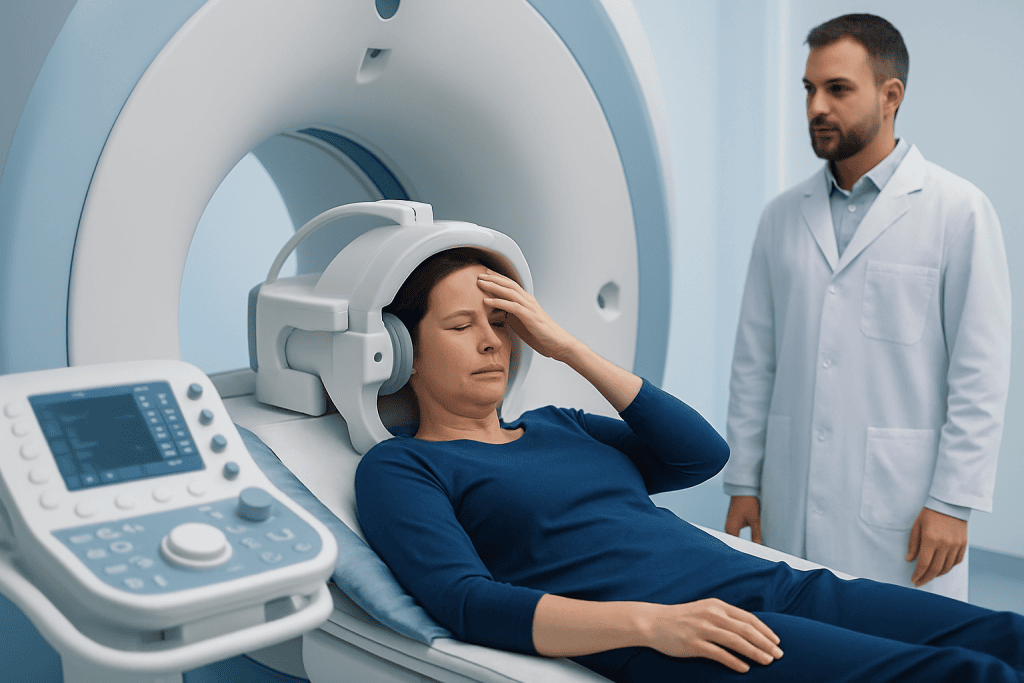
Migraine symptoms vary from person to person and even from one attack to another. The most recognized symptom is moderate to severe head pain, often on one side, but migraine can also cause exhaustion, trouble concentrating, dizziness, and stomach upset. Some people notice warning signs such as mood changes, food cravings, or neck stiffness before the headache starts.
During an attack, symptoms may include:
- Throbbing or pulsating head pain
- Nausea or vomiting
- Sensitivity to light, sound, or odors
- Blurred vision or visual aura
- Worsening pain with activity
Because migraine can affect daily life, work, school, and sleep, treatment is not just about easing pain. It may also aim to control nausea, restore function, and shorten recovery time. People with frequent headaches should also be evaluated to confirm whether the condition is migraine or another form of headache, such as migraine or tension headache if those diagnoses are being considered clinically.
Acute Treatments for Fast Relief

Acute migraine treatment works best when taken early in the attack, ideally when symptoms first begin. For some people, rest in a dark, quiet room, drinking water, and using a cool compress can help alongside medication. Over-the-counter pain relievers may be enough for mild attacks, but they are not suitable for everyone and should be used carefully to avoid overuse.
When migraines are moderate to severe, doctors may recommend prescription medicines made specifically for migraine or other medications that help reduce pain, nausea, or both. The choice depends on symptoms, age, pregnancy status, other health conditions, and how often attacks occur. A doctor may also advise medicines that dissolve, nasal sprays, or injections if nausea or vomiting makes swallowing tablets difficult.
It is important not to take acute medicines too often, because frequent use can lead to medication-overuse headache. If a person needs headache medicine many days each month, it may be a sign that preventive care should be discussed. In some cases, further evaluation in a neurology or headache clinic may be helpful, and imaging such as MRI may be considered when symptoms are atypical or warning signs are present.
Preventive Care to Reduce Future Attacks
Preventive migraine treatment is considered when attacks are frequent, long-lasting, hard to control, or significantly disruptive. The goal is not always to eliminate migraine completely, but to reduce the number of attacks and make them easier to manage. Preventive care may also help lower dependence on rescue medicines.
Doctors may recommend daily or periodic preventive medicines based on a person’s migraine pattern and overall health. Several types of medications can be used for prevention, and the best option varies widely. Treatment may need adjustment over time, since response can improve gradually and side effects must be balanced with benefit.
Prevention also includes non-drug strategies. Regular sleep, consistent meals, hydration, exercise, stress reduction, and careful trigger tracking can all help. Some people benefit from coordinated care involving neurology, pain specialists, or other clinicians, especially when migraine overlaps with conditions such as cluster headache or chronic headache disorders that need a clear diagnosis.
Causes, Triggers, and Risk Factors
The exact cause of migraine is complex and involves changes in the brain and nervous system. Genetics often play a role, which means migraine can run in families. Hormonal changes, especially around menstruation, may also influence migraine in some people.
Common migraine triggers do not cause the condition by themselves, but they can make an attack more likely in someone who is already susceptible. Triggers vary, and identifying them can help guide treatment choices. Common examples include:
- Stress or sudden stress release
- Poor sleep or changes in sleep routine
- Skipping meals or dehydration
- Alcohol or certain foods in some individuals
- Bright lights, loud sounds, or strong smells
- Hormonal fluctuations
Keeping a headache diary can be very useful. Recording when attacks happen, what symptoms occur, what medicines were used, and possible triggers may help a doctor identify patterns and create a more effective migraine treatment plan.
How Migraine Is Diagnosed
Migraine is usually diagnosed based on medical history and symptoms. A doctor will ask about the type of pain, how long attacks last, whether nausea or light sensitivity occurs, and whether there is aura. They may also ask about family history, stress, sleep, menstrual patterns, and medicine use.
A physical and neurological examination helps rule out other causes of headache. Most people with a typical history of migraine do not need extensive testing. However, additional evaluation may be recommended if headaches are new, rapidly changing, associated with neurological symptoms that are unusual for the person, or accompanied by other warning signs.
When needed, tests may include blood work or imaging studies such as CT scan or MRI to look for other conditions. Diagnosis is important because treatment for migraine differs from treatment for sinus headache, tension-type headache, or secondary headaches caused by another medical problem.
Self-care, Prevention, and Long-term Management
Daily habits can make a meaningful difference in migraine control. Many people find that a stable routine helps reduce attacks. This includes going to bed and waking up at consistent times, eating regular meals, staying hydrated, limiting excess caffeine, and building in time for exercise and stress management.
Self-care does not replace medical treatment, but it supports it. Helpful practices may include relaxation exercises, mindfulness, stretching, and reducing exposure to known triggers when possible. A headache diary can also show whether lifestyle changes are helping over time.
People who live with migraine often benefit from a long-term partnership with their healthcare team. Follow-up visits allow the treatment plan to be adjusted if attacks change or medicines are not working well enough. Near the end of the care pathway, some international patients may choose centers such as Acibadem International, where multidisciplinary specialists in JCI-accredited hospitals evaluate and treat migraine-related conditions in a coordinated way.
When to See a Doctor
A doctor should be consulted if headaches are frequent, severe, or interfering with work, school, sleep, or daily activities. Medical advice is also important if over-the-counter medicines are needed often, if nausea and vomiting are difficult to control, or if symptoms are changing over time.
Urgent medical attention is needed for warning signs such as a sudden and extremely severe headache, new neurological symptoms, fainting, confusion, fever, or headache after a head injury. Headaches that begin later in life, worsen steadily, or are different from a person’s usual migraine pattern also deserve prompt assessment.
Timely evaluation can help confirm the diagnosis, rule out other causes, and start a safer, more effective treatment plan. For many people, the combination of the right medicines, trigger management, and regular follow-up can greatly improve quality of life.
Frequently asked questions
What are the main types of migraine treatments?
Migraine treatments are usually divided into acute and preventive care. Acute treatments are used during an attack to relieve pain and associated symptoms, while preventive treatments are taken regularly to reduce how often migraines occur and how severe they are.
When should preventive migraine treatment be considered?
Preventive treatment may be considered when migraines happen often, last a long time, or significantly affect daily life. It can also help if acute medicines are not working well enough or are needed too frequently.
Can lifestyle changes really help with migraine?
Yes, for many people, lifestyle habits are an important part of migraine management. Regular sleep, hydration, meals, exercise, and stress reduction can help reduce the chance of attacks and support the benefits of medical treatment.
Do all people with migraine need brain scans?
No, most people with a typical migraine history do not need routine brain imaging. Scans are usually considered when symptoms are unusual, new, rapidly changing, or accompanied by warning signs that suggest another cause.
What is medication-overuse headache?
Medication-overuse headache can happen when acute headache medicines are used too often over time. Instead of helping, frequent use may start to maintain or worsen headaches, which is why medical guidance is important for recurring symptoms.
How can someone tell if a headache might be a migraine?
Migraine often causes moderate to severe throbbing head pain, commonly with nausea and sensitivity to light or sound. Some people also have aura or notice that activity makes the pain worse, but only a qualified doctor can confirm the diagnosis.
References
- World Health Organization
- National Institute of Neurological Disorders and Stroke
- American Migraine Foundation
- National Institute for Health and Care Excellence
- International Headache Society
This article is for general information only and is not a substitute for professional medical advice. Please consult a qualified doctor about your individual situation.
Migraine in Turkey — costs, top hospitals & a free quote
JCI-accredited · board-certified surgeons · reply within 24h
Add us as a Preferred Source to see more of our trusted health content across Google Search, AI Overviews and Discover.

More from the Health Library


Related Specialists

Prof. Dr. Özlem Sönmez
Internal Medicine
Prof. Dr. Ece Aydoğ
Physical Medicine & Rehabilitation
Dr. Sevim Buzkan Ertuğrul
Acibadem Life Clinical Service
Dt. Egemen Sezen
Oral & Dental Health