

What Does a Geriatric Neurologist Do? Care for Memory, Balance, and Cognitive Decline

A geriatric neurologist specializes in neurological problems that commonly affect older adults. They assess memory, thinking, movement, balance, sleep, mood, and daily functioning.
Key Takeaways
- A geriatric neurologist specializes in neurological problems that commonly affect older adults.
- They assess memory, thinking, movement, balance, sleep, mood, and daily functioning.
- Common concerns include dementia, Parkinson’s disease, stroke effects, neuropathy, tremor, and falls.
- Evaluation often includes a medical history, neurological exam, cognitive testing, blood tests, and brain imaging when needed.
- Treatment may combine medication, rehabilitation, safety planning, caregiver guidance, and management of other health conditions.
- Early evaluation can help identify reversible causes and support better quality of life.
A geriatric neurologist is a doctor who focuses on brain, nerve, and movement disorders in older adults. This specialist evaluates symptoms such as memory loss, confusion, balance problems, tremor, weakness, and changes in thinking to help patients stay safe and function as independently as possible.
Overview: What a Geriatric Neurologist Does
A geriatric neurologist is a physician with expertise in neurological conditions that affect older adults. Neurology focuses on the brain, spinal cord, nerves, and muscles, while geriatrics considers the complex health needs that often come with aging. Together, this approach helps the specialist understand not only a diagnosis, but also how symptoms affect mobility, memory, communication, independence, and quality of life.
This type of doctor commonly evaluates memory loss, confusion, slower thinking, tremor, balance problems, dizziness, numbness, weakness, falls, sleep changes, and recovery after stroke. They may also assess changes in behavior or personality, episodes of fainting, difficulty walking, or concerns raised by family members who notice that an older person is not functioning as usual.
Care is usually individualized. Older adults often have more than one medical condition, take several medications, and may be more sensitive to side effects. A geriatric neurologist looks at the full picture, including vision, hearing, mood, heart health, sleep, and everyday function, to develop a safe and practical treatment plan.
Common Conditions They Diagnose and Manage
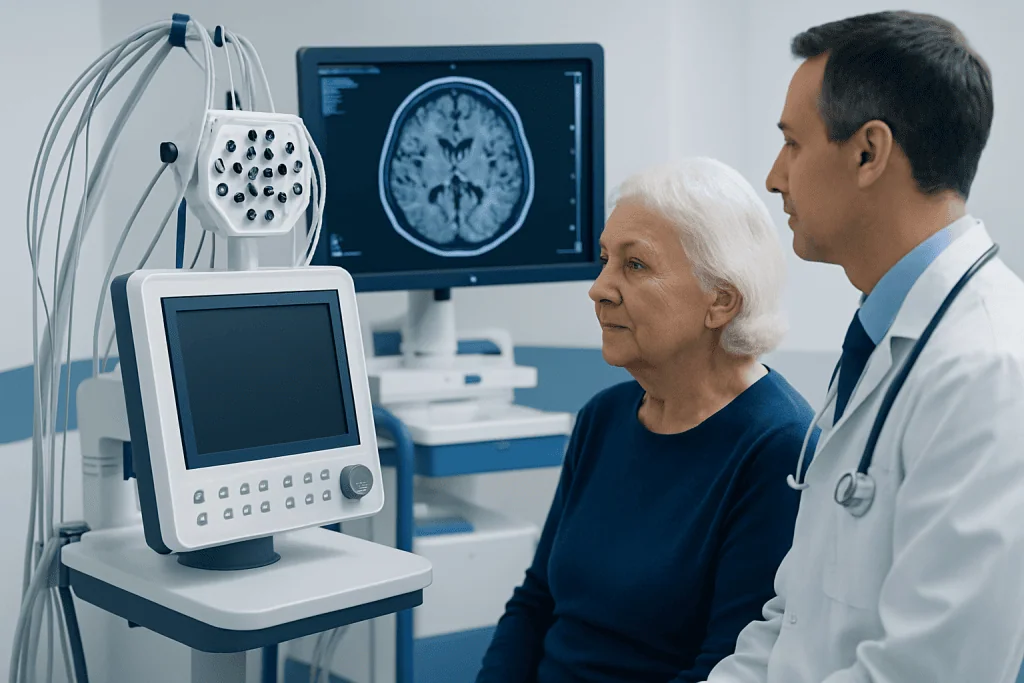
Geriatric neurologists diagnose and manage a wide range of conditions. These include mild cognitive impairment, Alzheimer’s disease and other forms of dementia, Parkinson’s disease and related movement disorders, essential tremor, neuropathy, stroke, seizures, <a href="https://acibademinternational.com/diseases/normal-pressure-hydrocephalus/”>normal pressure hydrocephalus, and gait disorders. They may also help with headaches, sleep-related neurological symptoms, and complications of long-term illnesses such as diabetes or vascular disease.
Memory and thinking problems are one of the most common reasons for referral. A specialist helps determine whether changes are due to normal aging, medication effects, depression, sleep problems, vitamin deficiencies, stroke, or a neurodegenerative illness. This distinction is important because some causes are reversible or treatable, while others benefit from early planning and supportive care.
Balance and walking difficulties are another major focus. In older adults, these symptoms may result from inner ear conditions, nerve damage in the feet, spinal disease, Parkinsonism, prior stroke, muscle weakness, poor vision, or medication side effects. Because falls can lead to serious injury, careful assessment of gait and safety is a key part of care.
Many patients also have overlapping symptoms. For example, a person may have mild memory concerns along with slowed movement, poor sleep, and falls. A geriatric neurologist considers how these issues connect rather than treating each one in isolation.
Symptoms That May Need Specialist Evaluation

It can be helpful to see a geriatric neurologist when changes are new, progressive, or affecting daily life. Family members often notice the earliest signs, especially when an older adult is minimizing symptoms or has difficulty describing them. Even subtle changes deserve attention if they interfere with safety, finances, medication use, driving, or self-care.
Symptoms that may prompt referral include:
- Memory loss that goes beyond occasional forgetfulness
- Confusion, getting lost, or trouble following conversations
- Difficulty planning, organizing, or completing familiar tasks
- Tremor, stiffness, slowness, or changes in handwriting
- Balance problems, frequent falls, or an unsteady walk
- Numbness, tingling, burning pain, or weakness in the limbs
- Speech changes, swallowing difficulty, or facial drooping
- Dizziness, fainting spells, or episodes of altered awareness
- Personality or behavior changes, especially if sudden
Urgent symptoms such as sudden weakness, one-sided numbness, severe confusion, trouble speaking, sudden vision loss, or a sudden severe headache need immediate medical care because they may signal a stroke or another emergency. In less urgent situations, a specialist evaluation can still be valuable when symptoms are gradually worsening or have an unclear cause.
How the Evaluation and Diagnosis Work
A geriatric neurology visit usually begins with a detailed history. The doctor asks about when symptoms started, how they have changed over time, and how they affect daily activities. Because memory and thinking changes can be difficult for patients to judge themselves, input from a spouse, adult child, or caregiver is often very helpful.
The physical and neurological examination may include testing strength, reflexes, sensation, coordination, walking, balance, speech, eye movements, and signs of stiffness or tremor. Cognitive screening may also be performed to assess attention, language, memory, visuospatial skills, and executive function. These brief tests do not provide the whole answer on their own, but they help guide next steps.
Depending on the situation, the neurologist may order blood tests to look for issues such as thyroid problems, vitamin deficiencies, infection, or metabolic changes. Brain imaging, such as MRI, may help identify stroke, structural changes, hydrocephalus, or patterns associated with certain neurodegenerative diseases. Some patients also benefit from EEG if spells of altered awareness or seizures are suspected, or from nerve studies when neuropathy is a concern.
Diagnosis is often based on a combination of findings rather than a single test. In complex cases, the doctor may arrange more detailed neuropsychological testing, rehabilitation assessment, or consultation with other specialists. The goal is to reach the most accurate diagnosis possible while also identifying practical steps that can improve day-to-day life.
Treatment Options and Ongoing Care
Treatment depends on the underlying condition, overall health, and the patient’s goals. In some cases, addressing a reversible cause can improve symptoms. Examples include adjusting medications that cause confusion or dizziness, treating sleep problems, managing blood pressure and diabetes more effectively, or correcting vitamin deficiencies. When the cause is a long-term neurological disease, treatment focuses on symptom control, slowing progression when possible, maintaining function, and supporting caregivers.
Medications may be used for conditions such as Parkinson’s disease, seizures, neuropathic pain, or certain types of dementia symptoms. Because older adults can be more sensitive to side effects, treatment often starts cautiously and is reviewed regularly. A geriatric neurologist pays close attention to drug interactions, sedation, blood pressure changes, and effects on thinking and balance.
Non-drug treatment is often just as important. Depending on the diagnosis, the doctor may recommend physical therapy and rehabilitation for strength and balance, occupational therapy for daily activities and home safety, speech therapy for communication or swallowing issues, and cognitive support strategies. For some patients recovering from stroke, a coordinated rehabilitation plan is essential.
Long-term care may include follow-up visits to monitor symptoms over time, update treatment, and address new concerns. Education for family members is a central part of care, especially when memory loss or mobility problems affect supervision, medication management, or decision-making. Near the end of the care pathway, some patients also benefit from palliative or supportive care planning focused on comfort and quality of life.
Prevention, Brain Health, and Self-care
Not every neurological condition can be prevented, but healthy habits can support brain health and may reduce the risk of decline. Managing blood pressure, cholesterol, diabetes, and heart disease is especially important because vascular health strongly affects brain function. Regular physical activity, good sleep, social engagement, hearing care, and treatment of depression can also make a meaningful difference.
For older adults with memory concerns or fall risk, practical self-care measures are important. These may include using a medication organizer, keeping a written routine, improving home lighting, removing tripping hazards, wearing supportive footwear, staying hydrated, and using mobility aids when recommended. Vision and hearing checks can also improve orientation, communication, and balance.
Family support matters. Loved ones can help by attending appointments, noting symptom changes, and assisting with safety planning. Bringing a list of medications, past test results, and specific examples of concerning symptoms can make visits more productive and help the doctor identify patterns that might otherwise be missed.
When more advanced assessment or treatment is needed, multidisciplinary care can be helpful. Acibadem International’s specialists in neurology, geriatrics, rehabilitation, and imaging work together in JCI-accredited hospitals to diagnose and treat neurological conditions in international patients.
When to See a Doctor
An appointment with a geriatric neurologist is appropriate when memory, movement, sensation, balance, or behavior changes are affecting daily life or becoming more frequent. Early evaluation is especially helpful if symptoms have appeared over weeks to months, if falls are occurring, or if family members are increasingly concerned about safety, medications, or driving.
It is also reasonable to seek specialist care when an older adult has a known neurological diagnosis but symptoms are changing despite treatment. New confusion, repeated falls, swallowing difficulty, hallucinations, sleep attacks, worsening tremor, or increasing dependence with daily tasks may signal the need to review the diagnosis and care plan.
Emergency care is needed right away for sudden facial drooping, arm weakness, trouble speaking, sudden severe confusion, new seizure, loss of consciousness, or severe sudden headache. These symptoms may indicate a stroke or another urgent neurological problem and should not wait for a routine visit.
Frequently asked questions
Is a geriatric neurologist different from a general neurologist?
Yes. A general neurologist treats neurological disorders in adults of many ages, while a geriatric neurologist focuses on how these conditions appear and are managed in older adults. This includes attention to memory, frailty, falls, multiple medications, and the effect of symptoms on independence and caregiving needs.
Should normal aging cause memory loss?
Mild slowing or occasional forgetfulness can happen with age, but memory loss that disrupts daily life is not considered a normal part of aging. Repeating the same questions, getting lost in familiar places, or struggling with bills and medications should be assessed by a qualified doctor.
What happens at the first appointment?
The doctor usually reviews symptoms, medical history, medications, and daily functioning, then performs a neurological examination. Cognitive testing may be done, and family input is often helpful. Additional blood tests or imaging may be recommended depending on the findings.
Can balance problems be related to the brain or nerves?
Yes. Balance problems can come from many causes, including inner ear disorders, neuropathy, stroke, Parkinsonism, muscle weakness, poor vision, and medication side effects. A neurological evaluation helps identify the likely cause and guide treatment and fall prevention.
Do all memory problems mean dementia?
No. Memory problems can be caused by sleep disorders, depression, anxiety, medication effects, vitamin deficiencies, thyroid problems, infection, or other medical issues. A careful assessment is important because some causes are treatable or reversible.
When should family members be involved?
Family or caregivers can be very helpful when symptoms affect memory, judgment, medication use, or safety. They may notice changes earlier than the patient does and can provide examples of day-to-day difficulties. Their involvement also supports planning and follow-up care.
References
- National Institute on Aging
- American Academy of Neurology
- Alzheimer's Association
- National Institute of Neurological Disorders and Stroke
- World Health Organization
This article is for general information only and is not a substitute for professional medical advice. Please consult a qualified doctor about your individual situation.
Joint and spine care in Turkey — expert assessment & treatment
JCI-accredited · board-certified surgeons · reply within 24h
Add us as a Preferred Source to see more of our trusted health content across Google Search, AI Overviews and Discover.

More from the Health Library



Related Specialists

Dr. Dilara Akman
Infectious Diseases & Clinical Microbiology
Dr. Sezgi Güllü Erciyestepe
Gynecology & Obstetrics
Assoc. Prof. Dr. Dilek Altun
Anesthesiology
Dr. Mehmet Malçok
Pediatrics