How to Relieve a Headache Without Medicine

Mild headaches often improve with hydration, rest, regular meals, and a calm environment. Cold packs may help migraine-type headaches, while warmth and stretching may help tension headaches.
Key Takeaways
- Mild headaches often improve with hydration, rest, regular meals, and a calm environment.
- Cold packs may help migraine-type headaches, while warmth and stretching may help tension headaches.
- Keeping track of triggers such as stress, poor sleep, skipped meals, and screen strain can reduce future headaches.
- Severe, sudden, unusual, or persistent headaches should be assessed by a doctor.
- Non-medicine strategies are supportive, but they do not replace medical care when red-flag symptoms are present.
Many headaches can improve without medication through simple self-care steps such as resting, drinking water, reducing sensory stimulation, and using heat or cold. The best approach depends on the headache type, how severe it is, and whether warning signs suggest a more serious cause.
Overview: Can a Headache Improve Without Medicine?
Many people want to know how to relieve a headache without medicine, especially when symptoms are mild or when they prefer to start with simple self-care. In many cases, headaches linked to stress, dehydration, muscle tension, poor sleep, eye strain, or missed meals can ease with non-drug measures. These methods are often most helpful when used early, before pain becomes more intense.
Not all headaches are the same. Tension headaches often feel like a tight band around the head and may improve with relaxation, hydration, posture changes, and gentle stretching. Migraine may cause throbbing pain, nausea, and sensitivity to light or sound; in some people, resting in a dark, quiet room and using a cold compress can help reduce symptoms.
At the same time, headaches can sometimes signal an underlying medical problem. A headache that is new, sudden, severe, or different from a person’s usual pattern should not be managed at home alone. Knowing when self-care is appropriate and when medical attention is needed is an important part of safe headache management.
Common Causes of Headaches
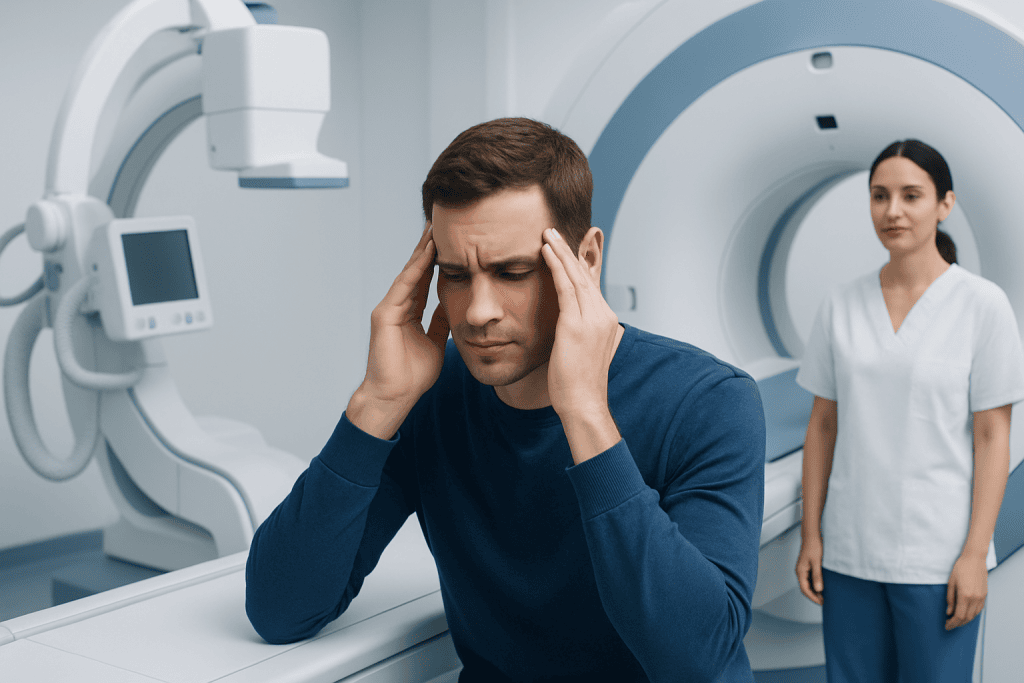
Headaches can develop for many reasons. Common everyday triggers include dehydration, hunger, stress, poor sleep, too much or too little caffeine, prolonged screen use, and tense neck or shoulder muscles. Emotional strain and irregular routines can also contribute, especially in people who are already prone to headaches.
Tension-type headaches are among the most common and are often linked to stress, fatigue, jaw clenching, or poor posture. Migraine is a neurological condition that may be triggered by hormonal changes, bright light, strong smells, certain foods, disrupted sleep, or stress. Sinus congestion, viral illness, and eyestrain can also cause head pain.
Some headaches are secondary, meaning they happen because of another condition. These can include high blood pressure in certain situations, infections, head injury, medication overuse, or less common neurological disorders. People with frequent headaches may benefit from medical evaluation to identify the pattern and rule out causes that need specific treatment.
When headaches happen regularly, keeping a simple diary can be useful. Recording sleep, meals, stress levels, menstrual cycle timing, hydration, caffeine intake, and activities before the headache may reveal patterns over time.
Ways to Relieve a Headache Without Medicine

Several non-medicine strategies can provide headache relief without medicine, particularly when symptoms are mild to moderate. Drinking water is often one of the simplest and most effective first steps, especially if the person has not had enough fluids. Resting in a quiet, dim room may help if the headache is associated with sensory sensitivity or fatigue.
Temperature therapy can also help. A cold pack on the forehead or back of the neck may be soothing for migraine-type headaches, while a warm compress or warm shower may relax tense muscles in the scalp, neck, and shoulders. Gentle stretching, slow breathing, and releasing jaw tension may further reduce discomfort in tension headaches.
Useful self-care options may include:
- Drinking water or another non-caffeinated fluid
- Eating a light, balanced snack if a meal was missed
- Resting in a dark, quiet room
- Applying a cold or warm compress
- Practicing deep breathing or brief relaxation exercises
- Taking a short walk or doing gentle neck and shoulder stretches
- Reducing screen time and bright light exposure
- Checking posture and adjusting the workstation
These measures are most helpful when they match the likely trigger. For example, a person with screen-related eye strain may improve with regular visual breaks, while someone with stress-related muscle tension may feel better after stretching or relaxation. If headaches are frequent or disabling, evaluation for migraine or other headache disorders may be appropriate.
Rest, Relaxation, and Lifestyle Support
Stress management is a key part of natural headache relief. During stress, muscles in the neck, scalp, jaw, and shoulders may tighten, which can trigger or worsen headache pain. Slow breathing, mindfulness exercises, progressive muscle relaxation, and a short period of quiet rest can help the body settle and may reduce symptom intensity.
Sleep also matters. Too little sleep, poor-quality sleep, and sleeping at irregular times can all contribute to headaches. A consistent sleep routine, limiting late-night screen exposure, and creating a calm sleep environment may help prevent headaches as well as support recovery once one begins.
Physical habits throughout the day can make a difference. Long periods of sitting, hunching over a phone, or using a computer without ergonomic support may strain the neck and upper back. Gentle movement, upright posture, and regular breaks may reduce this tension. People who clench their jaw during stress may also benefit from consciously relaxing the face and avoiding gum chewing.
Food and drink patterns are equally important. Skipping meals can lead to low energy and trigger headaches in some people. Eating at regular times, staying hydrated, and keeping caffeine intake steady rather than excessive may help reduce symptoms and prevent rebound patterns.
When Self-Care May Not Be Enough
Although many headaches are harmless and improve with basic care, some need medical attention. A headache should be assessed urgently if it starts suddenly and reaches maximum intensity within seconds or minutes, follows a head injury, or is accompanied by weakness, confusion, fainting, seizures, trouble speaking, vision loss, or a stiff neck with fever. These symptoms can point to a more serious cause.
It is also important to seek medical advice if headaches are becoming more frequent, lasting longer than usual, waking a person from sleep, or changing in character. New headaches in older adults, during pregnancy, or in people with cancer or weakened immune systems should be evaluated promptly.
Home care may also be insufficient when headaches interfere with daily life, work, school, or sleep on a regular basis. In these situations, a clinician can help identify the headache type and recommend a treatment plan. Evaluation may involve a neurological examination and, when indicated, imaging such as MRI or CT scan to rule out secondary causes.
How Doctors Diagnose Ongoing or Severe Headaches
Diagnosis begins with a careful history. Doctors usually ask where the pain is located, how it feels, how long it lasts, what triggers it, what symptoms come with it, and how often it occurs. They may also ask about sleep, stress, caffeine, menstrual cycles, recent illness, injuries, and family history of migraine or other headache disorders.
A physical and neurological examination helps identify signs that suggest a primary headache disorder such as tension headache or migraine, versus a secondary cause. Most recurring headaches do not need extensive testing, especially when the pattern is typical and the examination is normal. However, testing may be advised if there are red flags or if the headache pattern has changed.
Some people with frequent or complex headaches may be referred to a specialist in neurology for further assessment. This can be especially helpful when headaches are disabling, hard to classify, or not responding to first-line strategies. Accurate diagnosis is important because treatment and prevention depend on the headache type.
Prevention and Long-Term Self-Care
The best way to get rid of a headache is sometimes to prevent it before it starts. Regular hydration, consistent meals, adequate sleep, stress reduction, and good posture can all lower headache frequency for many people. Small daily habits often make a bigger difference than occasional intense efforts.
Trigger awareness is especially helpful for people with recurrent headaches. Common triggers include bright lights, alcohol, dehydration, strong odors, sleep changes, certain foods, and emotional stress. A headache diary can help identify patterns and guide practical adjustments without making daily life feel overly restricted.
Preventive self-care may include:
- Drinking fluids regularly throughout the day
- Eating balanced meals on a consistent schedule
- Taking breaks from screens using a timed reminder
- Stretching the neck and shoulders during desk work
- Maintaining a regular sleep-wake routine
- Limiting excess caffeine and avoiding abrupt changes in intake
- Using relaxation techniques during high-stress periods
If headaches continue despite these measures, professional support is worthwhile. Multidisciplinary specialists at Acibadem International and its JCI-accredited hospitals evaluate and treat headache disorders for international patients, particularly when symptoms are persistent, complex, or affecting quality of life.
Frequently asked questions
What is the fastest way to relieve a headache without medicine?
The fastest approach depends on the likely trigger. For many people, drinking water, resting in a quiet dark room, and using a cold or warm compress can bring relief. Reducing screen exposure and relaxing the neck and shoulders may also help, especially if tension or fatigue is involved.
Can dehydration cause headaches?
Yes, dehydration is a common headache trigger. When the body does not have enough fluid, headache can develop along with tiredness, dry mouth, or dizziness. Drinking water regularly through the day may help both relieve and prevent these headaches.
Is coffee good or bad for a headache?
Caffeine affects people differently. A small amount may help some headaches, but too much caffeine or sudden caffeine withdrawal can also trigger them. Keeping intake moderate and consistent is usually more helpful than having large or irregular amounts.
Should heat or cold be used for a headache?
Cold packs often help migraine-type headaches, particularly when there is throbbing pain or sensitivity to light and sound. Warmth may be more useful for tension headaches related to tight muscles in the neck, shoulders, or scalp. Some people need to try both to see which feels better.
When should someone see a doctor for a headache?
Medical attention is important for a sudden severe headache, a headache after head injury, or one linked with weakness, confusion, vision changes, fever, stiff neck, or trouble speaking. A doctor should also evaluate headaches that are new, worsening, frequent, or interfering with everyday life.
Can stress really cause headaches?
Yes, stress is a very common trigger. It can tighten muscles in the head, jaw, neck, and shoulders and may also disrupt sleep, eating habits, and hydration. Relaxation techniques and regular daily routines can help reduce this effect.
References
- World Health Organization
- National Institute of Neurological Disorders and Stroke
- American Migraine Foundation
- International Headache Society
- Mayo Clinic
This article is for general information only and is not a substitute for professional medical advice. Please consult a qualified doctor about your individual situation.
Explore treatments in Turkey — costs, top hospitals & a free quote
JCI-accredited · board-certified surgeons · reply within 24h
Add us as a Preferred Source to see more of our trusted health content across Google Search, AI Overviews and Discover.
Check your numbers in seconds
BMI, calories, due date, blood pressure and 30+ more clinical calculators — free, instant, doctor-reviewed ranges.