Alzheimer’s Disease Specialists: What They Do and When to Get a Second Opinion
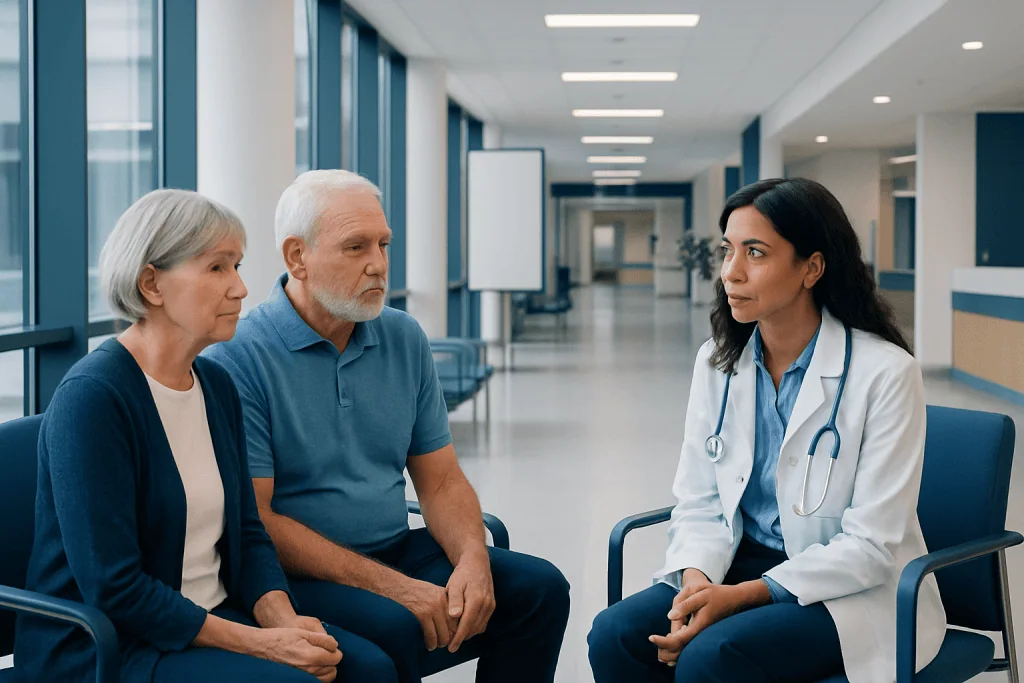
Alzheimer’s disease specialists may include geriatric neurologists, neurologists, psychiatrists, geriatricians, and neuropsychologists. Their role is to assess symptoms carefully, rule out other causes, and build an individualized care plan.
Key Takeaways
- Alzheimer’s disease specialists may include geriatric neurologists, neurologists, psychiatrists, geriatricians, and neuropsychologists.
- Their role is to assess symptoms carefully, rule out other causes, and build an individualized care plan.
- A second opinion can be helpful if the diagnosis is unclear, symptoms progress unexpectedly, or treatment is not working as expected.
- Early specialist evaluation may help with planning, safety, symptom management, and caregiver support.
- Families should bring a medication list, symptom timeline, and questions to specialist appointments.
Alzheimer’s disease specialists help evaluate memory and thinking changes, confirm or refine a diagnosis, and create a treatment and support plan. A second opinion may be useful when symptoms are changing, the diagnosis is uncertain, or families want added clarity about next steps.
Overview: What Alzheimer’s Disease Specialists Do
Alzheimer’s disease specialists are doctors and clinicians with focused experience in memory loss, dementia, and age-related changes in thinking and behavior. Their main role is to understand why a person is having memory or cognitive symptoms, determine whether Alzheimer’s disease is the cause, and guide treatment and long-term care. Because memory changes can have many causes, specialist assessment can add important detail beyond a general check-up.
These specialists usually do more than name a condition. They look at how symptoms affect daily life, review medical history, assess safety concerns, and help families understand what to expect. They may also recommend practical support such as cognitive rehabilitation strategies, caregiver education, and follow-up monitoring over time.
Alzheimer’s disease itself is one cause of dementia, but not all dementia is Alzheimer’s disease. Some people may instead have vascular dementia, Parkinson’s disease-related cognitive decline, medication side effects, depression, sleep disorders, or vitamin deficiencies. A specialist helps sort through these possibilities in a careful, structured way.
Which Specialists May Be Involved
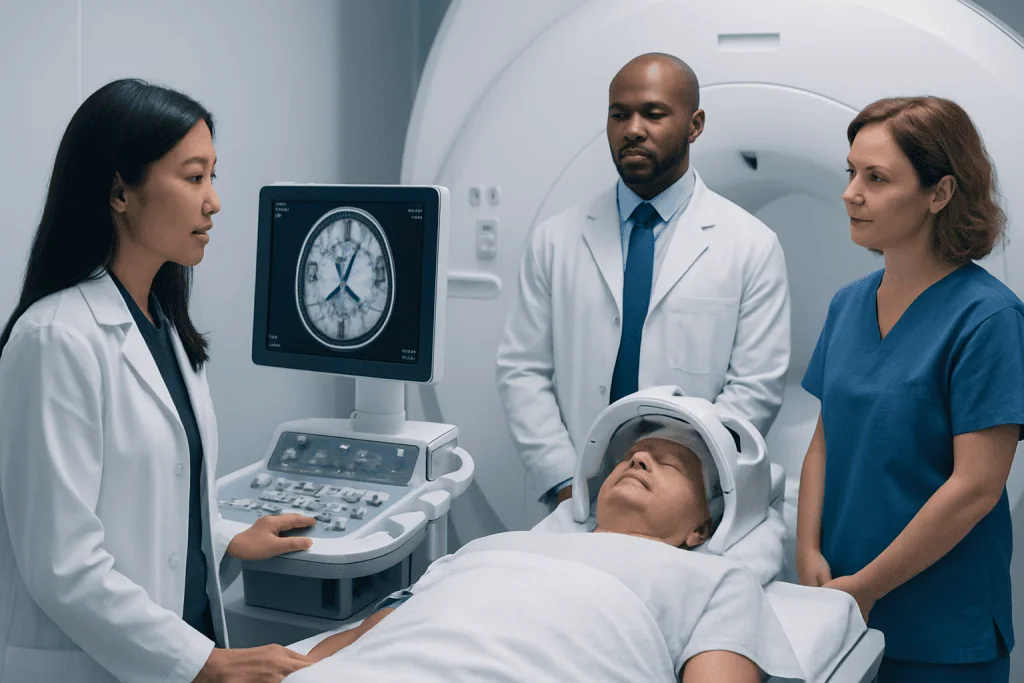
Several types of professionals may help diagnose and manage Alzheimer’s disease. A geriatric neurologist or neurologist often leads the evaluation when symptoms involve memory, language, problem-solving, or behavior. These doctors specialize in disorders of the brain and nervous system and can assess whether the pattern of symptoms fits Alzheimer’s disease or another neurological condition.
Geriatricians are also important, especially for older adults with multiple health conditions. They look at the whole person, including medications, mobility, nutrition, sleep, and frailty. Psychiatrists may help when mood changes, anxiety, hallucinations, or agitation are present, since mental health symptoms can overlap with or worsen cognitive impairment.
Neuropsychologists provide detailed testing of memory, attention, language, and executive function. Their assessment can show strengths and weaknesses in thinking more precisely than a brief office screening. Other team members may include neuroradiologists who interpret brain scans, speech and language therapists, occupational therapists, social workers, and nurses with dementia-care expertise.
In many cases, the best care comes from a multidisciplinary team. This approach is useful because Alzheimer’s disease affects more than memory alone. It can influence safety, communication, mood, sleep, independence, and caregiver burden, so coordinated input from different specialists may lead to a more complete plan.
Symptoms That May Prompt a Specialist Visit

It is normal for people to occasionally misplace items or forget a name. What raises concern is a pattern of change that becomes more frequent, more noticeable, or starts affecting daily function. Examples include repeating the same questions, getting lost in familiar places, missing appointments, struggling with finances or medications, or finding it harder to follow conversations and instructions.
Families may also notice less obvious signs. These can include changes in judgment, reduced interest in usual activities, difficulty finding words, confusion about dates, mood shifts, irritability, or trouble completing familiar tasks such as cooking. Sometimes the person notices these changes first; in other cases, family members see them before the patient does.
Medical review is especially important when symptoms appear suddenly, worsen quickly, or are accompanied by walking problems, falls, weakness, severe headaches, or changes in consciousness. Those features may suggest another cause and may need urgent evaluation. Even when symptoms develop gradually, early assessment can help identify treatable contributors and support future planning.
- Memory loss that disrupts daily life
- New confusion or disorientation
- Language or word-finding difficulty
- Personality or behavior changes
- Problems with managing money, driving, or medications
- Decline in work, household, or social functioning
How Specialists Diagnose Alzheimer’s Disease
Diagnosis usually starts with a detailed conversation about symptoms, when they began, and how they have changed over time. The specialist may ask both the patient and a family member or caregiver for examples from daily life. This history is often one of the most valuable parts of the evaluation because it helps show whether changes are mild, progressive, and typical of Alzheimer’s disease or whether another explanation is more likely.
The medical assessment often includes a physical and neurological examination, cognitive screening tests, and a review of current medications. Blood tests may be ordered to look for conditions that can affect memory, such as thyroid problems, vitamin deficiencies, infection, or metabolic imbalances. Screening for depression, sleep problems, alcohol use, and hearing or vision impairment may also be part of the work-up.
Brain imaging can help rule out other causes and add diagnostic information. Depending on the situation, a specialist may recommend MRI or CT scanning to look for stroke, bleeding, tumors, hydrocephalus, or patterns of brain atrophy. Some patients also benefit from formal neuropsychological evaluation to clarify the type and severity of cognitive changes.
In selected cases, additional testing may be discussed, such as biomarker studies or referral to a memory clinic. The goal is not simply to label symptoms, but to build the most accurate picture possible. A clear diagnosis can help guide treatment choices, identify safety needs, and help families plan with greater confidence.
Treatment and Ongoing Care Planning
There is no single cure for Alzheimer’s disease, but specialists can help manage symptoms, support function, and plan care as needs change. Treatment may include medications for memory and thinking symptoms in appropriate patients, along with approaches to address sleep disturbance, mood symptoms, anxiety, or agitation when these occur. The specialist weighs potential benefits and side effects carefully, especially in older adults who may be taking several medicines.
Non-drug strategies are also central to care. These may include a regular daily routine, good sleep habits, physical activity as tolerated, hearing and vision support, social engagement, and a calm, structured home environment. Occupational therapy and speech-language support may help with communication, daily tasks, and safety. Families may also be guided on practical issues such as driving, fall prevention, legal planning, and advance care discussions.
Follow-up matters because cognitive disorders can change over time. A specialist may monitor whether symptoms are stable, slowly progressing, or changing in a way that suggests another condition. Ongoing care also gives families a place to raise new concerns, review medications, and adapt the care plan as the person’s needs evolve.
Near the end of the care pathway, some people may benefit from broader neurological or geriatric services. When appropriate, multidisciplinary specialists at Acibadem International and its JCI-accredited hospitals assess memory disorders and support international patients with diagnosis and treatment planning.
When to Get a Second Opinion
A second opinion can be very helpful and does not mean a family is being difficult or distrustful. In dementia care, it is common to seek another specialist’s view when the diagnosis feels uncertain, when symptoms do not match the explanation given, or when the person’s decline seems unusually fast. It can also be useful when there are several possible causes of cognitive change, or when a family wants reassurance before making major care decisions.
People often request a second opinion if treatment is not helping as expected or if side effects are difficult to manage. Another specialist may offer a different interpretation of test results, suggest further assessment, or confirm that the current plan is appropriate. Confirmation itself can be valuable because it gives patients and families more confidence in the next steps.
It is also reasonable to ask for another evaluation if symptoms began at a younger age than expected, if hallucinations or movement symptoms are prominent early on, or if there is concern for another disorder such as normal pressure hydrocephalus. These patterns may point toward a different type of dementia or another neurological problem. A careful re-evaluation can improve diagnostic accuracy and help avoid unnecessary treatments.
How to Prepare for the Appointment and Support Daily Life
Preparation can make a specialist visit more productive. It helps to bring a written timeline of symptoms, a list of medications and supplements, past medical records, and any brain scan or test results. Family members should note specific examples of changes in memory, behavior, language, sleep, and daily function. If possible, one trusted relative or caregiver should attend the visit to provide observations and help remember recommendations.
Questions may include what diagnosis is most likely, what other causes have been considered, what tests are needed, and what changes at home would improve safety. Families can also ask about driving, work, future follow-up, and community support resources. Writing questions down in advance often helps make the discussion clearer and less stressful.
At home, practical support can reduce frustration for both the patient and caregiver. Helpful measures may include visible calendars and reminders, pill organizers used with supervision, regular routines, simple communication, and reducing clutter or trip hazards. Caregivers also need support. Respite care, education, and regular check-ins with health professionals can help protect caregiver well-being over time.
Although online information can be useful, it should not replace an in-person medical assessment. Memory changes deserve evaluation by a qualified clinician because many conditions can look similar at first. Early and well-coordinated care often gives families more options and a clearer path forward.
Frequently asked questions
What kind of doctor is best for Alzheimer’s disease?
A geriatric neurologist, neurologist, or geriatrician is often well placed to assess Alzheimer’s disease. The best choice depends on the person’s age, symptoms, other medical conditions, and whether a multidisciplinary memory clinic is available.
When should someone see an Alzheimer’s disease specialist?
A specialist visit is a good idea when memory or thinking problems become persistent, noticeable, or start affecting daily life. Evaluation is also important if symptoms are progressing, behavior is changing, or the diagnosis is uncertain.
Is it worth getting a second opinion for dementia?
Yes, a second opinion can be worthwhile if the diagnosis is unclear, symptoms are unusual, or treatment is not helping as expected. It may confirm the current plan or provide a different explanation and additional options.
What tests do specialists use to diagnose Alzheimer’s disease?
Specialists usually combine medical history, cognitive testing, physical and neurological examination, blood tests, and brain imaging. Some people may also have more detailed neuropsychological testing or other evaluations based on their symptoms.
Can Alzheimer’s disease be mistaken for other conditions?
Yes. Depression, sleep disorders, medication side effects, thyroid disease, vitamin deficiencies, stroke-related changes, and other forms of dementia can all cause similar symptoms. That is why a careful specialist assessment is important.
How can families prepare for a memory specialist appointment?
They should bring a list of symptoms, when the changes started, current medications, and copies of previous test results if available. It also helps to attend with a relative or caregiver who can describe day-to-day changes and help remember the doctor’s advice.
References
- World Health Organization
- National Institute on Aging
- Alzheimer's Association
- National Institute of Neurological Disorders and Stroke
- American Academy of Neurology
This article is for general information only and is not a substitute for professional medical advice. Please consult a qualified doctor about your individual situation.
Explore treatments in Turkey — costs, top hospitals & a free quote
JCI-accredited · board-certified surgeons · reply within 24h
Add us as a Preferred Source to see more of our trusted health content across Google Search, AI Overviews and Discover.

More from the Health Library



Related Specialists

Prof. Dr. Hakan Ağır
Aesthetic Plastic & Reconstructive Surgery
Dr. Tuğba Emüroğlu
Internal Medicine
Assoc. Prof. Dr. Sevgi Topal
Pediatric Intensive Care Unit
Dr. Halil Ertürk
Internal Medicine