When to See a Doctor for Headaches

Most headaches improve with rest, hydration, and simple self-care, but a new or unusual headache should be assessed if it is severe or persistent. Sudden, explosive headache pain, new neurological symptoms, or headache after head injury require urgent medical evaluation.
Key Takeaways
- Most headaches improve with rest, hydration, and simple self-care, but a new or unusual headache should be assessed if it is severe or persistent.
- Sudden, explosive headache pain, new neurological symptoms, or headache after head injury require urgent medical evaluation.
- Changes in a usual headache pattern, frequent headaches, or headaches that interfere with daily life should be discussed with a doctor.
- People who are pregnant, older, immunocompromised, or living with cancer may need earlier medical review for headaches.
- A careful history, neurological exam, and sometimes imaging or lab tests help identify whether a headache is primary or caused by another condition.
Most headaches are not dangerous, but some need prompt medical attention. Knowing which headache warning signs matter can help a person seek the right care at the right time.
Overview
Headaches are very common and, in many cases, are not a sign of a serious illness. Tension-type headaches, migraines, and cluster headaches are examples of primary headaches, meaning the headache itself is the condition rather than a symptom of another disease. Even so, some headaches can point to an underlying problem that needs prompt attention.
Understanding when to see a doctor for headaches can help prevent delays in care and reduce unnecessary worry. The most important clues are often a sudden change, unusual severity, new symptoms, or a headache that behaves differently from a person’s typical pattern. A doctor can help determine whether the problem is likely benign or whether further testing is needed.
It is also helpful to remember that headache evaluation is not only about emergencies. Recurrent headaches that affect work, sleep, school, or quality of life deserve medical attention too. Treatment may include lifestyle measures, medicines, and in some cases referral to a specialist familiar with conditions such as migraine or other recurring headache disorders.
Headache Symptoms That Need Urgent Attention
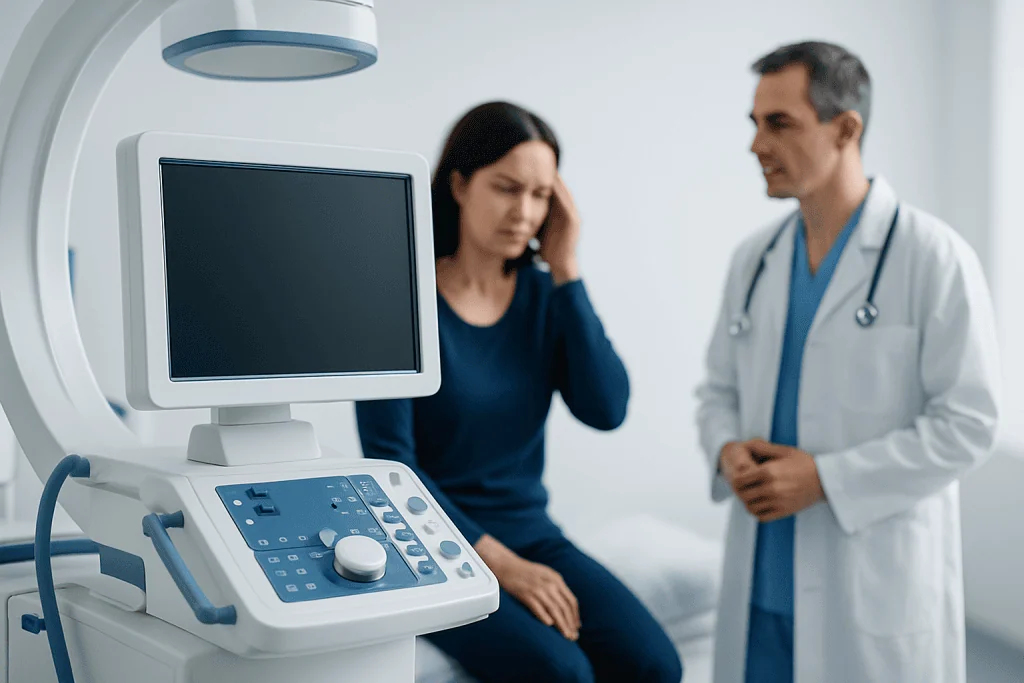
Some headache symptoms should be treated as urgent. A person should seek emergency medical care for a sudden, extremely severe headache that reaches peak intensity within seconds or minutes. This is sometimes described as the “worst headache of my life,” and it can be a warning sign of bleeding around the brain or another serious condition.
Urgent evaluation is also needed when a headache happens together with neurological symptoms. These may include weakness, numbness, confusion, fainting, trouble speaking, vision loss, double vision, seizures, or difficulty walking. Headache with high fever, stiff neck, severe vomiting, or a new rash can also suggest a serious infection or inflammation.
Other red flags include headache after a fall or blow to the head, especially if the person is drowsy, vomiting, or behaving unusually. A headache that begins during exercise, coughing, straining, or sexual activity should also be assessed promptly. These situations do not always mean a dangerous problem is present, but they do require timely medical review.
- Sudden, explosive onset of severe pain
- Headache with weakness, speech trouble, or confusion
- Headache with fever, neck stiffness, or seizure
- Headache after head injury
- Headache with new vision loss or double vision
When a Non-Emergency Headache Should Be Checked

Not every concerning headache is an emergency, but several patterns still deserve an appointment with a doctor. A headache should be checked if it is new and persistent, especially in someone who does not usually get headaches. This is also true if the headaches are becoming more frequent, lasting longer, or not responding to usual measures.
A doctor should also evaluate headaches that regularly disrupt normal life. Missing work or school, waking repeatedly at night, depending often on pain relief medicines, or avoiding exercise and social activities because of headaches are signs that better assessment and treatment may be needed. Frequent use of pain relievers can sometimes lead to medication-overuse headache, which can make the cycle harder to break.
People with a known headache condition should watch for a change in pattern. If a usual migraine starts feeling different, becomes much more intense, or is joined by new symptoms, it should not be assumed to be the same as before. Evaluation can help rule out a secondary cause and guide a safer long-term treatment plan.
Common Causes and Risk Factors
Many headaches are linked to everyday triggers rather than serious disease. Stress, poor sleep, dehydration, skipped meals, eye strain, excess caffeine, caffeine withdrawal, alcohol, and muscle tension are common contributors. Migraine may also be triggered by hormonal changes, certain foods, sensory stimulation, or changes in routine.
Secondary headaches happen because of another condition. These can include sinus disease, infections, high blood pressure in some situations, head injury, medication side effects, and problems involving blood vessels or the brain. A doctor considers the person’s age, medical history, recent illnesses, and associated symptoms to decide whether a secondary cause is more likely.
Certain groups may need earlier assessment because their risk profile is different. These include people over age 50 with a new headache, those who are pregnant or recently gave birth, people with cancer or immune suppression, and anyone taking blood thinners. In these settings, headache may still be harmless, but careful evaluation is especially important.
How Doctors Diagnose the Cause of Headaches
Diagnosis starts with a detailed history. The doctor will usually ask when the headaches began, how quickly the pain starts, where it is located, how long it lasts, and what other symptoms occur with it. They may also ask about triggers, sleep, stress, medicines, caffeine use, family history, and whether the pattern has changed over time.
A physical examination, including a neurological exam, helps look for clues such as weakness, vision changes, neck stiffness, abnormal reflexes, or signs of infection. In many people with a long history of typical primary headaches and a normal examination, no advanced testing is needed. In others, testing helps rule out bleeding, infection, inflammation, pressure problems, or structural causes.
Depending on the situation, a doctor may recommend blood tests, eye examination, or imaging such as MRI or CT scanning. If infection around the brain or certain inflammatory conditions are suspected, additional procedures may be advised. The goal is not to test everyone, but to choose the right tests when warning signs are present.
Treatment Options and Headache Management
Treatment depends on the cause. For primary headaches, management may involve rest, hydration, regular meals, sleep improvement, stress reduction, and medicines recommended by a doctor. Some people benefit from identifying triggers with a headache diary, which can reveal patterns related to food, menstrual cycle, screen time, or sleep.
If headaches are frequent or disabling, a doctor may suggest preventive treatment rather than treating each episode individually. This can be especially helpful for repeated migraine attacks or cluster headache patterns. In some cases, patients may be referred for neurology care to refine the diagnosis, adjust medicines, or consider advanced therapies.
When a secondary cause is found, treatment focuses on the underlying problem. That may involve managing an infection, evaluating head injury, treating inflammation, or addressing blood vessel concerns. For international patients who need evaluation, Acibadem International’s multidisciplinary specialists and JCI-accredited hospitals diagnose and treat headache conditions using coordinated neurological and imaging services.
Prevention and Self-Care
Simple daily habits can reduce headache frequency for many people. Drinking enough fluids, eating regular balanced meals, and maintaining a consistent sleep schedule are practical first steps. Gentle exercise, stretching, and stress management techniques such as breathing exercises or mindfulness may also help lower the burden of tension-type headaches and migraine.
It is wise to use over-the-counter pain relievers carefully and according to medical advice. Taking them too often can sometimes worsen headaches over time. Limiting excessive caffeine, taking screen breaks, and paying attention to posture can also be useful, especially for headaches linked to muscle tension or prolonged desk work.
Keeping a headache diary can make medical visits more productive. Useful details include the date, duration, severity, location of pain, possible triggers, menstrual timing if relevant, medicines used, and how well they worked. A diary helps a doctor distinguish patterns and decide whether the problem is likely a primary headache disorder or something that requires more investigation.
When to See a Doctor for Headaches: A Practical Guide
A person should make a routine medical appointment if headaches are new, recurring, or changing in character. The same is true if headaches happen more often, stop responding to usual treatment, or interfere with sleep, work, school, or family life. A headache that keeps returning without a clear reason deserves professional assessment even if it is not severe.
Prompt same-day or urgent care is appropriate if the pain is unusually intense, starts suddenly, follows head trauma, or is associated with fever, stiff neck, confusion, fainting, or new neurological symptoms. People who are pregnant, over 50 with a first new headache, or living with immune suppression or cancer should seek medical advice sooner rather than later.
If there is uncertainty, it is safer to ask a qualified doctor than to guess. Headaches are often manageable, and many causes can be treated effectively once they are identified. Early evaluation can also provide reassurance when the headache is not linked to a serious condition.
Frequently asked questions
How do I know if a headache is serious?
A headache is more concerning if it starts suddenly, is extremely severe, or comes with symptoms such as weakness, confusion, seizures, vision loss, or fever with neck stiffness. It is also important to seek care if the headache follows a head injury or feels very different from usual headaches.
When should a person go to the emergency room for a headache?
Emergency care is needed for a thunderclap headache, which reaches maximum intensity very quickly, or for headache with neurological symptoms, fainting, or seizures. Headache after significant head trauma or headache with fever and stiff neck also needs urgent assessment.
Can frequent headaches be a sign of an underlying problem?
Sometimes they can, although many frequent headaches are due to migraine, tension-type headache, or medication overuse. A doctor can help determine whether the pattern suggests a primary headache disorder or a secondary cause that needs testing or treatment.
Should a new headache after age 50 be checked by a doctor?
Yes. A new headache later in life should be evaluated because the range of possible causes changes with age. Many are still treatable and not dangerous, but it is important not to ignore a first or changing headache in this age group.
Is it normal for migraines to change over time?
Migraine patterns can change with age, stress, hormones, and other health factors. However, if a usual migraine becomes much more severe, frequent, or starts causing new symptoms, medical review is recommended to rule out other causes.
What information should someone track before seeing a doctor for headaches?
It helps to note when the headache starts, how long it lasts, where the pain is located, how severe it is, and whether symptoms such as nausea, light sensitivity, or vision changes occur. Recording possible triggers, medicines taken, and response to treatment can also help the doctor make a clearer diagnosis.
References
- World Health Organization
- National Institute of Neurological Disorders and Stroke
- American Migraine Foundation
- Mayo Clinic
- National Health Service
This article is for general information only and is not a substitute for professional medical advice. Please consult a qualified doctor about your individual situation.
Explore treatments in Turkey — costs, top hospitals & a free quote
JCI-accredited · board-certified surgeons · reply within 24h
Add us as a Preferred Source to see more of our trusted health content across Google Search, AI Overviews and Discover.
Check your numbers in seconds
BMI, calories, due date, blood pressure and 30+ more clinical calculators — free, instant, doctor-reviewed ranges.

More from the Health Library



Related Specialists

Prof. Dr. Alper Kaya
Orthopedic Surgery & Traumatology
Gizem Gürzoğlu
Physical Medicine & Rehabilitation
Prof. Dr. Taner Yavuz
Pediatric Cardiology
Fzt. Munise Nilay Güven
Physical Medicine & Rehabilitation