Headache Relief Without Medicine: Home Remedies That May Help

Many mild headaches improve with hydration, rest, and a calm environment. Cold or warm compresses may help, depending on the headache type and muscle tension.
Key Takeaways
- Many mild headaches improve with hydration, rest, and a calm environment.
- Cold or warm compresses may help, depending on the headache type and muscle tension.
- Stress management, sleep habits, and posture can reduce headache frequency for some people.
- Keeping track of triggers such as skipped meals, caffeine changes, and screen time can be useful.
- Sudden severe headaches or headaches with neurological symptoms need urgent medical attention.
Headache relief without medicine is possible for many mild headaches by addressing common triggers such as dehydration, stress, poor sleep, and muscle tension. Simple home remedies may help ease symptoms, but persistent, severe, or unusual headaches should be evaluated by a doctor.
Overview
Headaches are very common and can happen for many different reasons. A mild headache may improve with simple self-care at home, especially when it is linked to stress, dehydration, hunger, lack of sleep, or muscle tension. For many people, practical steps such as drinking water, resting in a quiet room, or applying a compress can provide meaningful relief.
Headache relief without medicine does not mean ignoring symptoms. Instead, it focuses on addressing likely triggers and supporting the body’s natural recovery. These approaches are usually most helpful for occasional, mild headaches rather than severe, frequent, or disabling attacks.
It is also important to remember that not all headaches are the same. Tension-type headaches often feel like a band of pressure around the head. Migraine can cause throbbing pain, nausea, and sensitivity to light or sound. Sinus pressure, neck strain, eye strain, and illness can also lead to head pain. Understanding the pattern can help a person choose the most suitable home remedy and know when medical care is needed.
Common Types of Headaches and Their Symptoms
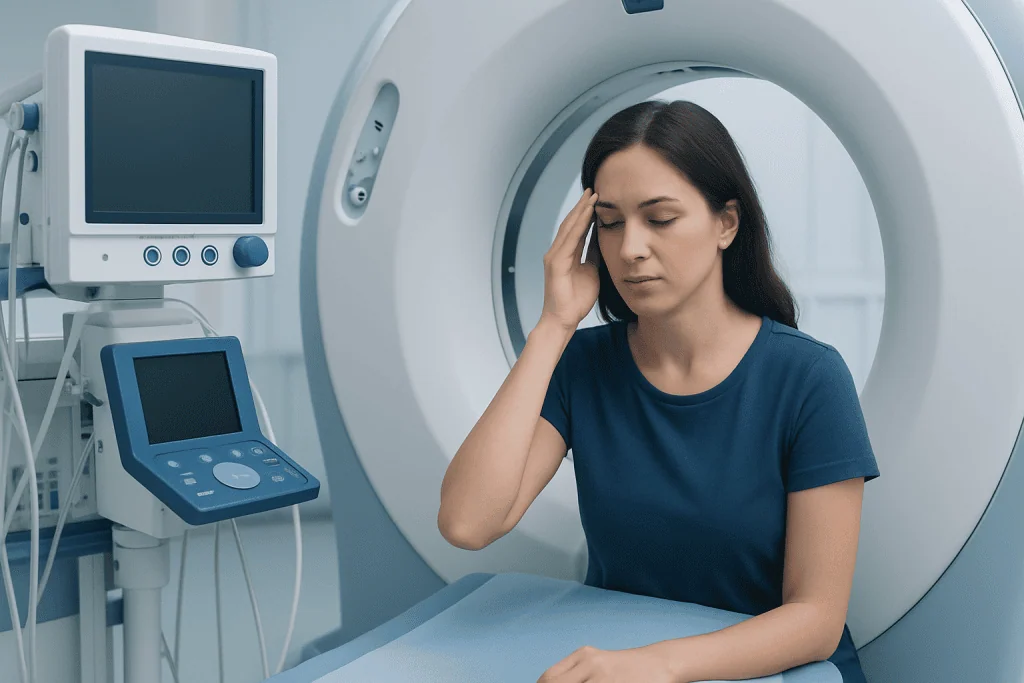
Tension-type headache is one of the most common forms. It often causes a dull, aching sensation, pressure across the forehead, or tightness in the scalp, neck, and shoulders. Stress, poor posture, and muscle tension are common contributors, and these headaches are often the most responsive to home care measures.
Migraine is more than a simple headache. It may cause moderate to severe pain, often on one side of the head, along with nausea, vomiting, and sensitivity to light, sound, or smells. Some people have warning symptoms called aura, such as visual changes or tingling sensations. While some people explore natural support for migraine, home remedies alone may not be enough for every attack.
Other headaches can be linked to sinus congestion, viral illnesses, eye strain, jaw clenching, or neck problems. Cluster headaches are less common but can cause severe pain around one eye and usually need medical assessment. If headaches are changing in pattern, becoming more frequent, or interfering with daily life, it is wise to seek a professional evaluation.
Home Remedies That May Help

Hydration is one of the simplest first steps. Even mild dehydration can trigger or worsen a headache in some people. Drinking water slowly over time may help, especially if the person has been active, exposed to heat, or has gone several hours without enough fluids.
Resting in a dark, quiet room can be especially helpful when light, noise, or screen exposure makes symptoms worse. This is often useful for migraine and for headaches linked to mental fatigue. Closing the eyes, reducing stimulation, and taking a short break may allow the nervous system to settle.
Temperature therapy may also bring relief. A cold compress placed on the forehead or temples may help reduce migraine-related pain for some people. A warm compress or heating pad on the neck and shoulders may be more helpful when headache is linked to muscle tightness. Gentle care is important to avoid skin irritation or burns.
Some people also benefit from light stretching, relaxation breathing, or a brief nap. Helpful options may include:
- Drinking water and avoiding further dehydration
- Eating a light meal if the headache started after skipping food
- Resting in a quiet, dim environment
- Using a cold pack on the forehead or a warm pack on the neck
- Practicing slow breathing, meditation, or gentle neck stretches
- Limiting screen time until symptoms improve
Lifestyle Habits That Can Support Natural Headache Relief
Sleep habits play an important role in headache control. Too little sleep, irregular sleep schedules, or poor-quality sleep can all contribute to headaches. Going to bed and waking up at consistent times may help reduce attacks over time, especially in people whose headaches are linked to disrupted routines.
Regular meals can also make a difference. Low blood sugar from skipping meals may trigger head pain, irritability, or dizziness. Eating balanced meals and snacks at regular times can be helpful, and some people benefit from noticing whether certain foods or drinks seem to trigger symptoms.
Caffeine deserves careful attention. In some people, a small amount of caffeine may help a headache, but too much caffeine or sudden caffeine withdrawal can also cause headaches. Keeping intake steady rather than increasing and decreasing it sharply may reduce this problem.
Posture and muscle tension matter as well. Long hours at a desk, frequent phone use, jaw clenching, or poorly supported sleep positions can strain the neck and scalp muscles. Ergonomic adjustments, stretch breaks, and stress-reduction techniques may reduce the frequency of these tension-related headaches.
Identifying Triggers and Knowing What to Avoid
Keeping a headache diary can be a practical way to learn what may be contributing to symptoms. A person can note when the headache started, what they ate and drank, how well they slept, stress levels, menstrual cycle timing if relevant, and how long the headache lasted. Over time, patterns may become easier to recognize.
Common triggers include dehydration, missed meals, alcohol, strong odors, bright lights, prolonged screen time, lack of sleep, and emotional stress. For some people, certain foods such as processed meats, aged cheeses, or highly sweetened products may play a role, though triggers vary widely from one person to another.
Trying to avoid every possible trigger is usually not realistic or necessary. It is often more helpful to focus on a few repeated patterns and make gradual changes. For example, a person who notices headaches after long computer sessions may benefit from regular visual breaks and better posture, while someone with morning headaches may need to review sleep habits, snoring, or jaw clenching with a doctor.
When Home Remedies Are Not Enough
Home remedies are best suited to mild, familiar headaches that improve with rest and self-care. If headaches are frequent, severe, or increasingly disruptive, a medical assessment is important. A doctor can look for causes such as migraine, sinus disease, eye problems, medication overuse, neck disorders, or less common neurological conditions. In some cases, evaluation may involve a neurological exam or MRI scan if clinically needed.
People who have repeated or disabling headaches may benefit from structured medical care. This can include confirming whether the pain is due to tension-type headache or another condition, discussing trigger management, and considering preventive strategies. In some situations, doctors may recommend neurology consultation to clarify the headache type and build a treatment plan.
Repeated headaches can also affect mood, work, and sleep. If symptoms become chronic, support from a multidisciplinary team may help address more than one contributing factor at a time. Near the end of the care pathway, patients seeking evaluation abroad may find that Acibadem International’s multidisciplinary specialists in JCI-accredited hospitals diagnose and treat headache disorders for international patients.
When to See a Doctor Urgently
Some headache symptoms need prompt medical attention rather than home treatment. A sudden, extremely severe headache that reaches maximum intensity within seconds or minutes should be treated as an emergency. The same is true for headache after a head injury, or headache with fever, stiff neck, confusion, seizure, fainting, or persistent vomiting.
Urgent evaluation is also important if headache occurs with weakness, numbness, trouble speaking, vision loss, double vision, or difficulty walking. These symptoms may point to a neurological problem that needs immediate care. New headaches during pregnancy, after age 50, or in a person with cancer or a weakened immune system also deserve timely medical review.
Even without emergency signs, a doctor should evaluate headaches that are becoming more frequent, changing in pattern, waking a person from sleep, or requiring medicine very often. Early assessment can help identify the cause and reduce the risk of ongoing discomfort and medication overuse.
Frequently asked questions
What is the fastest home remedy for a mild headache?
For a mild headache, simple measures such as drinking water, resting in a quiet dark room, and using a cold or warm compress may help. The best option depends on the cause, but many people start with hydration and a short period of rest.
Can dehydration really cause headaches?
Yes, dehydration can trigger headaches in some people. When fluid intake has been low, especially after heat exposure, exercise, or illness, gradually drinking water may help improve symptoms.
Is coffee good or bad for headaches?
Caffeine can help some headaches, but it can also trigger them in others. Too much caffeine or sudden withdrawal may cause head pain, so a steady and moderate pattern is usually better than large changes in intake.
Do cold or warm compresses work better?
Both can help, depending on the situation. Cold compresses are often used for migraine-like pain, while warm compresses may be more useful when the headache is related to neck and shoulder muscle tension.
When should a person stop trying home remedies and call a doctor?
A doctor should be contacted if headaches are severe, frequent, changing in pattern, or interfering with normal life. Urgent care is needed for sudden severe headache or headache with weakness, confusion, fever, stiff neck, or vision and speech problems.
Can stress management really reduce headaches?
Yes, stress is a common trigger, especially for tension-type headaches and some migraines. Breathing exercises, relaxation techniques, regular exercise, and good sleep habits may lower the frequency of headaches over time.
References
- World Health Organization
- National Institute of Neurological Disorders and Stroke
- American Migraine Foundation
- National Health Service
- Mayo Clinic
This article is for general information only and is not a substitute for professional medical advice. Please consult a qualified doctor about your individual situation.
Explore treatments in Turkey — costs, top hospitals & a free quote
JCI-accredited · board-certified surgeons · reply within 24h
Add us as a Preferred Source to see more of our trusted health content across Google Search, AI Overviews and Discover.