What Is Geriatric Neurology?

Geriatric neurology focuses on neurological health in older adults. It addresses memory, movement, balance, stroke, sleep, and nerve-related symptoms.
Key Takeaways
- Geriatric neurology focuses on neurological health in older adults.
- It addresses memory, movement, balance, stroke, sleep, and nerve-related symptoms.
- Evaluation often includes a detailed history, examination, cognitive testing, and selected imaging or lab tests.
- Treatment usually combines medication review, rehabilitation, lifestyle support, and caregiver education.
- Early assessment can help preserve safety, independence, and quality of life.
Geriatric neurology is a specialized area of medicine that focuses on brain, spinal cord, nerve, and muscle conditions in older adults. It helps evaluate changes such as memory loss, tremor, balance problems, stroke effects, and sleep or mood symptoms with age-sensitive care.
Overview of Geriatric Neurology
Geriatric neurology is the branch of neurology devoted to the prevention, diagnosis, and treatment of neurological conditions in older adults. As people age, the brain and nervous system may change in ways that affect memory, movement, balance, sleep, mood, sensation, and daily functioning. A geriatric neurology approach considers these changes in the context of overall health, medications, mobility, and independence.
Older adults often have more than one medical condition at the same time. Heart disease, diabetes, hearing loss, vision changes, arthritis, and kidney problems can all interact with neurological symptoms. For this reason, geriatric neurology does not look only at one symptom in isolation. It takes a broad, practical view of how neurological issues affect safety, communication, walking, self-care, and quality of life.
This field commonly evaluates problems such as memory decline, confusion, tremor, Parkinsonian symptoms, stroke-related changes, neuropathy, dizziness, falls, seizures, and sleep disturbances. Some age-related changes are mild and expected, while others suggest a treatable condition. A careful assessment can help distinguish normal aging from illness and guide a plan that supports the person and their family.
Common Symptoms and Conditions in Older Adults
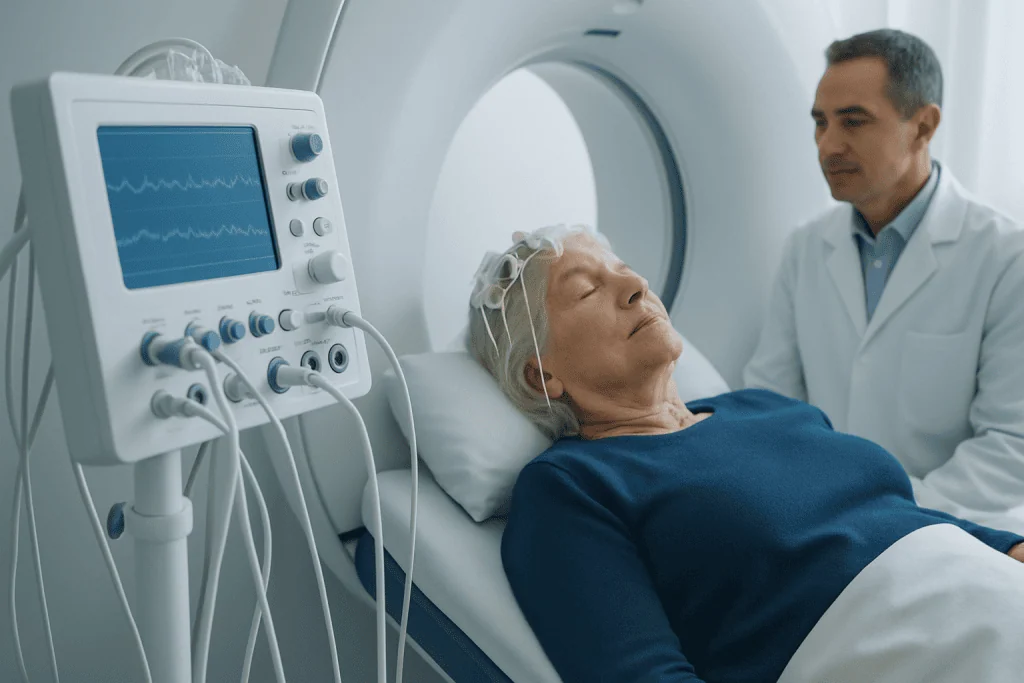
People may be referred to a geriatric neurologist for many different reasons. Common concerns include forgetfulness that interferes with daily life, getting lost in familiar places, difficulty finding words, slower thinking, personality changes, tremor, stiffness, poor balance, dizziness, weakness, numbness, burning pain in the feet, or repeated falls. Sleep problems, episodes of confusion, and sudden neurological symptoms also deserve attention.
Some of the most common conditions seen in geriatric neurology include dementia syndromes such as Alzheimer’s disease, vascular cognitive impairment, Parkinson’s disease and other movement disorders, stroke and its after-effects, peripheral neuropathy, epilepsy in later life, and gait disorders. Headache, tremor, and disorders affecting the spine or muscles may also become more noticeable with age.
Symptoms can appear gradually or suddenly. A gradual pattern may point to a degenerative or metabolic issue, while sudden weakness, facial drooping, severe confusion, or trouble speaking may signal an emergency such as stroke. In older adults, symptoms may also be less typical than expected, so even mild changes in alertness, walking, or behavior should not be ignored.
- Memory loss that disrupts routines
- Tremor, slowness, or stiffness
- Falls, imbalance, or dizziness
- Numbness, tingling, or burning pain
- Confusion, sleep changes, or personality change
- Weakness, speech trouble, or vision change
Causes and Risk Factors
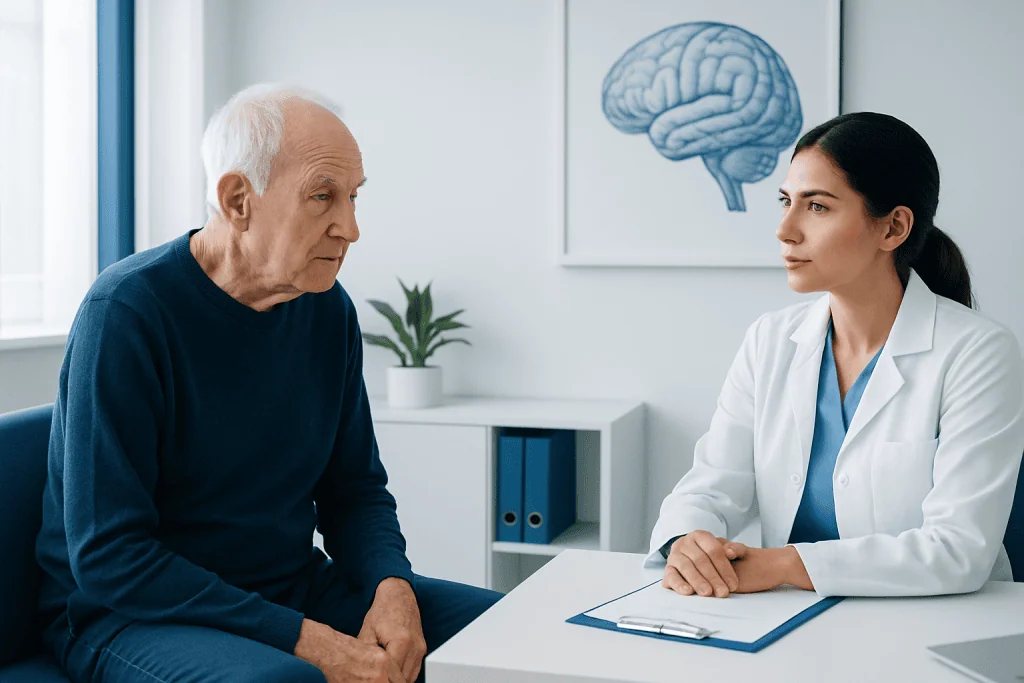
Neurological symptoms in older adults can arise from many causes. Some are due to age-related neurodegenerative diseases, while others are linked to blood vessel disease, inflammation, infection, vitamin deficiencies, medication side effects, sleep disorders, or structural problems in the brain or spine. In many cases, more than one factor contributes to the symptoms.
Vascular risk factors play an important role in brain health. High blood pressure, diabetes, high cholesterol, smoking, obesity, and heart rhythm problems can increase the risk of stroke and may also contribute to cognitive decline over time. Poor sleep, low physical activity, depression, and social isolation can further affect memory, attention, and overall neurological well-being.
Medication-related problems are especially important in geriatric neurology. Older adults may be more sensitive to sedatives, some pain medicines, anticholinergic drugs, and interactions between multiple prescriptions. Dehydration, infections, constipation, and electrolyte imbalances can also trigger confusion or weakness. A careful review of medical history and medications is often as important as any scan or test.
Not every memory lapse or slower movement means a serious disease. Stress, grief, sleep deprivation, hearing loss, and untreated depression can look similar to neurological illness. Because some causes are reversible or manageable, an expert evaluation can be very helpful when symptoms first appear.
How Geriatric Neurological Problems Are Diagnosed
Diagnosis begins with a detailed conversation about symptoms, timing, and daily function. The clinician may ask when changes started, whether they are worsening, and how they affect tasks such as managing medications, driving, dressing, cooking, finances, or walking outdoors. Family members or caregivers often provide valuable information, especially if memory or judgment is affected.
A neurological examination checks strength, reflexes, coordination, sensation, eye movements, speech, balance, and gait. Cognitive screening or more detailed neuropsychological testing may be used to assess memory, attention, language, planning, and problem-solving. Mood and sleep are also important parts of the assessment because anxiety, depression, and sleep disorders can significantly influence cognitive and physical performance.
Tests may include blood work to look for vitamin deficiencies, thyroid problems, infection, or metabolic causes. Brain imaging such as MRI scanning or CT may help evaluate stroke, bleeding, tumors, pressure changes, or patterns linked with neurodegenerative disease. In selected cases, nerve conduction studies, EEG, lumbar puncture, or vascular imaging are used to clarify the diagnosis.
The aim is not only to name a condition but also to understand its real-life impact. A diagnosis in geriatric neurology should guide practical next steps, such as reducing fall risk, supporting memory, improving medication safety, and planning rehabilitation or caregiver support.
Treatment Options and Long-Term Care
Treatment depends on the underlying condition, severity of symptoms, and the person’s overall health goals. In many cases, care combines medication, rehabilitation, lifestyle measures, and regular follow-up. The treatment plan is often individualized to support function, safety, and comfort rather than focusing on one symptom alone.
Medication may help in selected conditions, such as Parkinson’s disease, seizures, neuropathic pain, or some cognitive symptoms. Equally important is reviewing current medicines to reduce unnecessary sedation, confusion, dizziness, or drug interactions. When possible, clinicians may simplify medication schedules to make them easier and safer to follow.
Rehabilitation can be central to care. Physical therapy and rehabilitation may improve walking, balance, strength, and confidence after stroke, neuropathy, or deconditioning. Occupational therapy can help with dressing, bathing, home adaptations, and hand function, while speech therapy may support communication or swallowing when needed.
For some patients, coordinated care with other specialists is important. For example, movement disorders, dementia, or stroke may require input from neurology, geriatrics, psychiatry, rehabilitation, and cardiology. Near the end of the care journey, some families also benefit from education about advance planning and long-term support needs. Acibadem International’s multidisciplinary specialists and JCI-accredited hospitals diagnose and treat neurological conditions in older adults for international patients.
Prevention and Self-Care for Aging Brain Health
Not all neurological conditions can be prevented, but many steps can support healthier brain aging. Managing blood pressure, blood sugar, and cholesterol can reduce the risk of stroke and vascular damage. Regular physical activity, a balanced diet, good sleep habits, staying hydrated, and avoiding tobacco are widely recommended for overall brain and nerve health.
Mental and social engagement also matter. Reading, conversation, hobbies, music, learning, and regular social contact may help maintain cognitive function and mood. Addressing hearing or vision loss can improve communication and reduce confusion. Keeping routine medical appointments and reviewing medications periodically can catch problems early.
Fall prevention is especially important in later life. Removing loose rugs, improving lighting, using supportive footwear, and checking for side effects from medicines can lower risk. People who feel unsteady may benefit from balance disorders treatment strategies and supervised exercise programs that target posture and leg strength.
Caregivers play a vital role in self-care and monitoring. They can help notice changes in memory, walking, sleep, appetite, or mood and share these observations with the healthcare team. Practical support and reassurance often make treatment plans easier to follow and help preserve independence for longer.
When to See a Doctor
A medical review is important when neurological symptoms are new, progressive, or affecting daily life. Examples include repeated falls, worsening forgetfulness, trouble managing familiar tasks, tremor that is getting worse, sudden weakness, numbness, or changes in speech or walking. Even mild changes can be meaningful in an older adult, particularly if they appear over a short period.
Urgent care is needed for warning signs of stroke or other emergencies. Sudden facial drooping, arm weakness, speech difficulty, severe confusion, loss of consciousness, a first seizure, or a sudden severe headache should be treated as an emergency. Prompt treatment can improve outcomes and reduce complications.
Families should also seek help if they notice unsafe behaviors such as wandering, medication mistakes, frequent near-falls, swallowing difficulty, or rapid changes in personality or alertness. These changes do not always mean a progressive disease, but they do warrant professional assessment. Early evaluation can identify reversible causes, improve symptom control, and support planning for the future.
Frequently asked questions
What does a geriatric neurologist do?
A geriatric neurologist evaluates and treats brain, nerve, spinal cord, and muscle problems in older adults. This may include memory loss, tremor, balance problems, stroke effects, neuropathy, seizures, and sleep-related neurological symptoms.
Is memory loss a normal part of aging?
Mild slowing or occasional forgetfulness can happen with age, but memory loss that disrupts daily life is not considered normal aging. When memory problems affect safety, judgment, language, or routine tasks, a medical assessment is important.
When should an older adult see a neurologist?
A neurology review is helpful when symptoms such as worsening memory, repeated falls, tremor, weakness, numbness, or confusion are new, progressive, or unexplained. Urgent evaluation is needed for sudden symptoms such as facial drooping, speech trouble, or one-sided weakness.
Can neurological problems in older adults be treated?
Many can be treated, managed, or improved, even when they cannot be completely cured. Treatment may include medication changes, rehabilitation, treatment of underlying medical issues, and support for safety and daily function.
What tests are used in geriatric neurology?
Common tests include a neurological examination, memory or cognitive screening, blood tests, and brain imaging such as MRI or CT. Some people may also need nerve studies, EEG, or more detailed neuropsychological testing depending on their symptoms.
How can families support an older adult with neurological symptoms?
Families can help by observing changes, attending appointments, organizing medications, and making the home safer. Calm communication, routine, and early reporting of new symptoms can make care more effective and less stressful.
References
- World Health Organization
- National Institute on Aging
- American Academy of Neurology
- National Institute of Neurological Disorders and Stroke
- Alzheimer's Association
This article is for general information only and is not a substitute for professional medical advice. Please consult a qualified doctor about your individual situation.
Geriatric Neurology in Turkey — costs, top hospitals & a free quote
JCI-accredited · board-certified surgeons · reply within 24h
Add us as a Preferred Source to see more of our trusted health content across Google Search, AI Overviews and Discover.
Check your numbers in seconds
BMI, calories, due date, blood pressure and 30+ more clinical calculators — free, instant, doctor-reviewed ranges.

Neurology
Diagnosis and treatment of disorders of the brain, spinal cord, nerves and muscles.
51 specialists in this unit