Migraine Treatments Beyond Pills: Injections, Devices, and Specialist Care

Migraine can often be treated with more than oral medicines alone. Preventive injections and nerve-targeted treatments may reduce attack frequency in selected patients.
Key Takeaways
- Migraine can often be treated with more than oral medicines alone.
- Preventive injections and nerve-targeted treatments may reduce attack frequency in selected patients.
- Neuromodulation devices offer a non-drug option for some people with migraine.
- A headache specialist can help confirm the diagnosis, identify triggers, and build a personalized treatment plan.
- Urgent evaluation is needed for a sudden severe headache or headache with neurological symptoms such as weakness or confusion.
Migraine treatment is not limited to tablets. For people with frequent, severe, or hard-to-control attacks, options such as injections, infusion-based care, and neuromodulation devices may help reduce symptoms and improve daily life.
Overview: When migraine care goes beyond pills
Migraine is a neurological condition that can cause moderate to severe headache, often with nausea, sensitivity to light or sound, and difficulty functioning. Some people have occasional attacks that respond well to oral medicines and lifestyle changes. Others have frequent episodes, prolonged symptoms, or side effects from tablets that make treatment more complicated.
In these situations, migraine treatment may extend beyond pills. This can include preventive injections, nerve block procedures, infusion-based therapies in a supervised setting, and neuromodulation devices that use gentle electrical or magnetic stimulation. These approaches are not right for everyone, but they can be useful when standard medicines do not provide enough relief or cannot be taken safely.
Specialist care matters because not every severe headache is migraine, and not every migraine is the same. A clinician with expertise in headache medicine can review symptoms, look for warning signs, assess how often attacks occur, and match treatment to the person’s age, health history, pregnancy plans, other medications, and treatment goals.
Who may benefit from non-pill migraine treatments
Non-pill options may be considered for people who have frequent migraine attacks, chronic migraine, or headaches that interfere with work, school, sleep, or family life. They may also help those who cannot tolerate oral medicines because of nausea, stomach upset, medication side effects, or other health conditions.
Specialist care is also helpful when the diagnosis is uncertain. Migraine can overlap with tension-type headache, cluster headache, sinus symptoms, neck pain, and medication-overuse headache. Clarifying the diagnosis is important because treatment can differ. In some cases, a clinician may also consider whether symptoms fit another headache disorder such as migraine or related conditions that need a different plan.
A person may be a candidate for advanced care if they have:
- Headaches on many days each month
- Attacks that last a long time or return quickly
- Poor response to usual acute medicines
- Side effects or safety concerns with common drugs
- Frequent emergency visits for uncontrolled symptoms
- Possible medication overuse from taking pain relievers too often
The goal is not only to stop pain during an attack, but also to reduce how often attacks happen, how severe they feel, and how much they disrupt normal life.
Injections and procedure-based migraine treatments

Several migraine treatments beyond pills are delivered by injection or procedure. One well-known option is botulinum toxin treatment for chronic migraine. It is given as a series of small injections in specific areas around the head and neck by a trained clinician. This approach is generally used as prevention, not as an immediate pain reliever, and it may take more than one treatment cycle to judge its full effect. In specialist settings, this may be discussed alongside Botox treatment when it is appropriate for chronic migraine prevention.
Another preventive option for some patients is calcitonin gene-related peptide, or CGRP, targeted therapy. Some of these medicines are given by self-injection or periodic injection and are designed to reduce migraine frequency. They do not suit every patient, but they can be helpful for people with frequent attacks who have not improved enough with other preventive strategies.
Procedure-based care may also include nerve blocks, in which a clinician injects local anesthetic around certain nerves associated with headache pain. Nerve blocks may be considered for selected patients with severe attacks, status migrainosus, or significant tenderness in specific nerve regions. Relief can vary from person to person, and these procedures are usually part of a broader treatment plan rather than a stand-alone cure.
For difficult attacks, some centers also offer supervised infusion treatments, especially when dehydration, nausea, or prolonged migraine makes oral treatment hard to use. This type of care may be part of a broader neurology care pathway after assessment by the treating team.
Neuromodulation devices for migraine
Neuromodulation devices are non-drug tools that act on nerves involved in migraine pathways. Depending on the device, they may be used during an attack to reduce symptoms or on a regular schedule to help prevent future attacks. These treatments can appeal to people who want to limit medication use, have side effects from drugs, or need additional support alongside standard therapy.
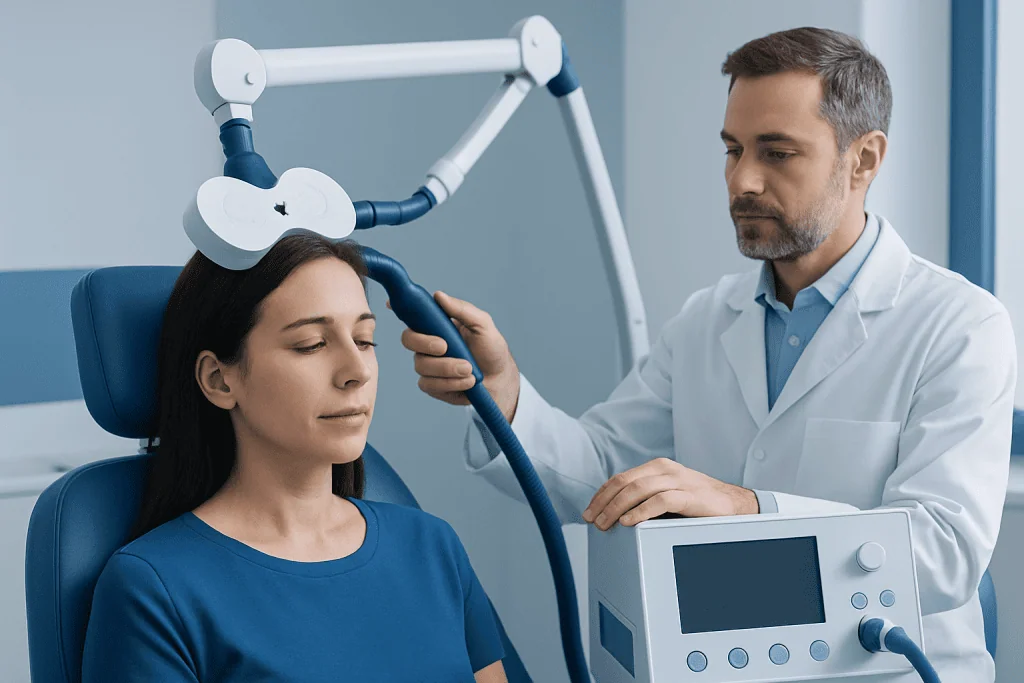
Different devices stimulate different nerve targets. Some are worn on the forehead, arm, or neck, while others use magnetic stimulation applied externally. A headache specialist can explain which type may fit the person’s symptoms, whether it is intended for acute treatment or prevention, and what practical issues to consider, such as timing, training, and cost.
Neuromodulation is generally considered safe when used as directed, but it is not suitable for everyone. People with implanted electrical devices, certain heart conditions, or other specific medical issues may need to avoid some products. Because devices differ in design and indications, medical guidance is important before starting one.
These therapies can be especially useful as part of a layered plan. For example, a patient may use a preventive injection, a rescue medicine for breakthrough attacks, and a neuromodulation device for additional control. This personalized approach often works better than relying on one treatment alone.
What specialist migraine care involves
Seeing a headache specialist is about more than prescribing stronger treatment. The visit usually starts with a careful history: what the headache feels like, how often it happens, how long it lasts, what symptoms come with it, and what treatments have already been tried. The clinician may ask about sleep, stress, hormones, caffeine, dehydration, neck symptoms, family history, and patterns linked to menstruation or other triggers.
A detailed review helps confirm whether the headache is migraine and whether it is episodic or chronic. The specialist will also look for signs of medication-overuse headache, which can happen when short-term pain medicines are taken too frequently. If warning signs are present, testing may be needed to rule out other causes. In selected cases, this evaluation may involve MRI or other imaging, especially if the pattern is new, unusual, or associated with abnormal neurological findings.
From there, treatment is usually personalized. A plan may include an acute rescue strategy, a preventive option, trigger management, sleep and hydration support, and follow-up to track response over time. Some patients also benefit from coordinated care with pain specialists, physical medicine teams, sleep medicine, mental health professionals, or women’s health clinicians.
Near the end of the care pathway, patients may seek comprehensive evaluation at experienced centers. Acibadem International’s multidisciplinary specialists and JCI-accredited hospitals diagnose and treat migraine for international patients when advanced assessment or treatment planning is needed.
Lifestyle measures and self-care that support treatment
Even when injections or devices are used, daily habits still matter. Migraine often responds best to a combination of medical treatment and steady routines. Irregular sleep, dehydration, skipped meals, stress, alcohol, and too much or too little caffeine can all play a role for some people. Keeping a simple headache diary can help identify patterns and show whether treatment is working.
Helpful self-care measures include staying well hydrated, eating regular meals, protecting sleep, limiting overuse of pain relievers, and taking rescue treatment early in an attack if a clinician has advised this. Gentle activity, stress management, and avoiding known triggers may also reduce the overall burden of migraine.
Some people worry that needing advanced care means the condition is unmanageable. In reality, many patients improve when treatment is adjusted thoughtfully and monitored over time. Migraine often requires trial and refinement, and small improvements in frequency, intensity, and recovery time can make a meaningful difference in quality of life.
Because migraine triggers and treatment response vary, self-treatment should be cautious. New supplements, devices, or alternative approaches should be discussed with a qualified clinician, especially during pregnancy, breastfeeding, or when other chronic conditions are present.
When to seek medical attention
People should seek medical advice if headaches are frequent, disabling, changing in pattern, or not improving with usual care. A clinician should also review headaches that wake a person from sleep, begin after age 50, or become much worse with coughing, exertion, or position changes. Recurrent nausea, vomiting, or dizziness can also be reasons to seek evaluation.
Urgent assessment is needed for a sudden, severe headache that reaches maximum intensity quickly, often described as the worst headache of one’s life. Emergency care is also important if headache occurs with weakness, numbness, trouble speaking, confusion, fainting, seizure, fever, stiff neck, or after a head injury.
Pregnant patients and those with cancer, immune suppression, or major vascular risk factors should be especially cautious with new or unusual headache symptoms. Prompt review helps rule out serious causes and ensures safer treatment choices.
With the right diagnosis and a tailored plan, many people find that migraine becomes more manageable. Early specialist input can reduce unnecessary suffering and open the door to options beyond pills when they are truly needed.
Frequently asked questions
What are migraine treatments beyond pills?
They are treatment options that do not rely only on oral medication. These may include preventive injections, nerve blocks, supervised infusion therapy, and neuromodulation devices used for acute relief or prevention.
Who should consider injections for migraine?
Injections may be considered for people with frequent or chronic migraine, especially when standard oral treatments have not worked well or cause side effects. A headache specialist can determine whether preventive injection therapy is appropriate based on headache pattern and medical history.
Do neuromodulation devices work for migraine?
Some people do benefit from neuromodulation devices, particularly when they want a non-drug option or need added support alongside medication. Results vary, so the best device and treatment schedule should be chosen with medical guidance.
Can migraine be treated without daily medication?
Yes, in some cases. Depending on the pattern of migraine, treatment may focus on rescue therapy during attacks, periodic injections, a device-based approach, or lifestyle and trigger management instead of a daily tablet.
When should someone see a headache specialist?
A specialist visit is helpful when headaches are frequent, disabling, difficult to diagnose, or not responding to usual treatment. It is also important if there are side effects, medication overuse, or warning signs suggesting a cause other than migraine.
Are non-pill migraine treatments safe?
Many are safe when selected carefully and used under professional supervision. Safety depends on the exact treatment, the person’s age, pregnancy status, other medical conditions, and whether they have implanted devices or take certain medications.
References
- World Health Organization
- International Headache Society
- American Migraine Foundation
- National Institute of Neurological Disorders and Stroke
- American Academy of Neurology
This article is for general information only and is not a substitute for professional medical advice. Please consult a qualified doctor about your individual situation.
Migraine in Turkey — costs, top hospitals & a free quote
JCI-accredited · board-certified surgeons · reply within 24h
Add us as a Preferred Source to see more of our trusted health content across Google Search, AI Overviews and Discover.