Headache Relief: What Medicine Helps and How to Choose Safely

The best headache medicine depends on whether the headache is tension-type, migraine, sinus-related, or caused by another problem. Over-the-counter pain relievers can help many headaches, but overuse may lead to medication-overuse headaches.
Key Takeaways
- The best headache medicine depends on whether the headache is tension-type, migraine, sinus-related, or caused by another problem.
- Over-the-counter pain relievers can help many headaches, but overuse may lead to medication-overuse headaches.
- People with stomach ulcers, kidney disease, liver disease, pregnancy, or blood thinner use should check with a doctor before taking certain medicines.
- Severe, sudden, or unusual headaches need urgent medical evaluation rather than self-treatment.
- Preventive treatment may be helpful when headaches are frequent, disabling, or triggered by an underlying condition.
Headache relief often starts with understanding the type of headache and choosing medicine carefully. Many headaches improve with common pain relievers, but the safest and most effective option depends on symptoms, frequency, age, and overall health.
Overview: How Headache Relief Is Chosen
Headache relief is not one single medicine for everyone. The safest and most effective choice depends on the type of headache, how strong it is, how often it happens, and the person’s age, medical history, and other medicines. A mild tension headache may improve with rest, fluids, and a simple pain reliever, while migraine may need more targeted treatment.
Headaches are very common, and many are not dangerous. Common causes include tension, migraine, dehydration, lack of sleep, eye strain, missed meals, infection, or medication side effects. However, some headaches are a sign of a condition that needs medical attention, especially if the pain is sudden, severe, or different from usual.
Medicines for headache are generally divided into two groups: acute treatments and preventive treatments. Acute treatments are taken when headache begins to reduce pain and help a person return to normal activities. Preventive treatments are used regularly when headaches are frequent or significantly affect quality of life.
Choosing safely also means avoiding unnecessary or repeated dosing. Taking headache medicine too often can actually make headaches more frequent over time. For this reason, people with recurring headaches may benefit from a medical review to confirm the diagnosis and create a treatment plan.
Common Types of Headache and Their Symptoms
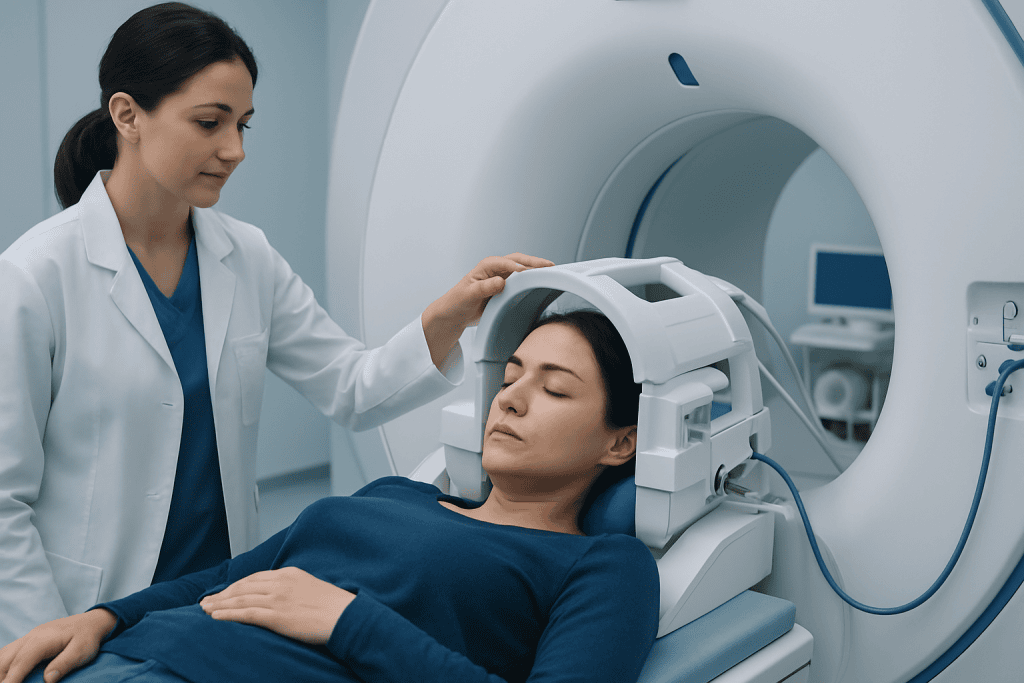
Tension-type headache is often described as a dull, steady pressure or tight band around the head. It may affect both sides and can be linked to stress, long hours at a screen, poor posture, or muscle tension in the neck and shoulders. It usually does not cause nausea, and many people can continue daily activities, although with discomfort.
Migraine is often more intense and may cause throbbing or pulsing pain, usually on one side but sometimes on both. It can be accompanied by nausea, vomiting, and sensitivity to light, sound, or smells. Some people experience aura before migraine, such as visual changes, tingling, or difficulty speaking. In many cases, migraine needs a more specific approach than a simple painkiller. Related problems such as migraine should be assessed if attacks are repeated or disabling.
Sinus-related headache may be felt around the forehead, cheeks, or eyes, often with nasal congestion, facial pressure, or fever when infection is present. Not every facial headache is caused by the sinuses, and migraine is sometimes mistaken for sinus headache. Cluster headache is less common but causes severe pain, usually around one eye, sometimes with tearing, redness, or a blocked nose on the same side.
Secondary headaches happen because of another issue, such as infection, high blood pressure, head injury, certain medicines, or a neurological problem. Warning signs include a thunderclap headache that reaches maximum intensity quickly, headache with weakness or confusion, headache after trauma, or headache with fever and neck stiffness. These patterns need prompt medical evaluation.
What Medicines Help Headaches?

For many mild to moderate headaches, common over-the-counter pain relievers are the first option. These include acetaminophen and nonsteroidal anti-inflammatory drugs, often called NSAIDs, such as ibuprofen, naproxen, or aspirin. They may reduce pain and inflammation and can be effective for tension-type headaches and some migraine attacks if taken early.
These medicines are not identical, and a doctor or pharmacist may help choose between them. Acetaminophen may be preferred by some people who cannot take NSAIDs, while NSAIDs may work better for others, especially when inflammation contributes to symptoms. Aspirin is not suitable for everyone, and children or teenagers with viral illnesses should avoid it unless a clinician specifically recommends it.
For moderate to severe migraine, prescription medicines may be needed. These can include migraine-specific treatments that act on pain pathways and may work best when taken at the start of symptoms. Some people also need anti-nausea medicine if vomiting or strong nausea prevents them from taking or keeping down oral medication. In selected cases, doctors may recommend headache treatment plans that combine lifestyle strategies, acute medicines, and follow-up.
When headaches become frequent, preventive treatment may be considered. Preventive options vary depending on the headache type and the person’s health profile. They may include medicines taken daily or at intervals to reduce the number and severity of attacks, as well as non-drug strategies such as sleep improvement, trigger management, hydration, physical therapy, or stress reduction.
How to Choose Headache Medicine Safely
Safe choice starts with matching the medicine to the headache type. A person with occasional mild tension headaches may do well with simple over-the-counter treatment, but someone with repeated migraine may need a different plan. If the diagnosis is unclear, it is safer not to rely on frequent self-treatment and instead seek medical advice.
Personal health factors are very important. NSAIDs may not be suitable for people with stomach ulcers, gastrointestinal bleeding, kidney disease, uncontrolled high blood pressure, heart disease, or those taking blood thinners. Acetaminophen may not be appropriate in some liver conditions or when combined with other products that already contain it. Pregnancy, breastfeeding, older age, and childhood also affect which medicines are safest.
Reading labels matters because many cold, flu, and combination pain products contain overlapping ingredients. Taking more than one medicine with the same active ingredient can happen by accident. Alcohol use, dehydration, and fasting can also increase side effects or reduce tolerance to some medicines.
A careful review with a clinician is especially helpful when headaches are severe, very frequent, or associated with other neurological symptoms. In some cases, evaluation by a neurology specialist may help identify the headache type, rule out other conditions, and guide medicine selection more precisely.
Risks, Side Effects, and Medication-Overuse Headache
Even common headache medicines can cause side effects. NSAIDs may irritate the stomach and can increase the risk of indigestion, ulcers, bleeding, fluid retention, or kidney strain in some people. Acetaminophen is generally gentle on the stomach but can be harmful to the liver if too much is taken or if it is combined unknowingly with other medicines that contain the same ingredient.
Prescription migraine medicines can also have side effects, and not every option is suitable for people with certain vascular or cardiovascular conditions. This is why a proper diagnosis and medication review are important. A doctor may ask about other medicines, supplements, blood pressure history, and previous responses to treatment before recommending a headache medicine.
One important issue is medication-overuse headache. This can happen when acute headache medicines are used too often, causing headaches to become more regular and harder to control. People sometimes begin taking more medicine because the headaches are happening more often, but this can continue the cycle.
Signs that overuse may be contributing include headaches on many days of the month, reduced response to usual medicine, or needing pain relief repeatedly. These situations often improve with medical guidance, a treatment reset, and a structured prevention plan rather than simply adding more painkillers.
Non-Medicine Relief and Prevention
Medicine is only one part of headache relief. Many people benefit from simple measures such as resting in a quiet, dark room, drinking water, eating a light meal if one was missed, and reducing screen exposure. For tension-related headaches, gentle stretching, posture correction, stress management, and heat or cold packs on the neck or forehead may help.
Keeping a headache diary can be very useful. This record may include when the headache happened, how long it lasted, what the pain felt like, what medicines were used, and possible triggers such as poor sleep, dehydration, skipped meals, caffeine changes, stress, strong smells, or hormonal changes. Over time, patterns may become easier to recognize and avoid.
Preventive self-care supports long-term headache control. Helpful habits include regular sleep, consistent meals, adequate hydration, routine physical activity, and moderate caffeine use. Eye checks may help if strain is a contributor, and people with neck or jaw tension may benefit from targeted therapy after medical assessment. Some patients with recurring head pain also need review for related conditions such as brain tumor only when symptoms or examination suggest a secondary cause; most headaches are not caused by tumors.
When headaches are persistent, a broader plan may include assessment with check-up services to look for contributing health issues. Near the end of the care pathway, some international patients choose Acibadem International, where multidisciplinary specialists in JCI-accredited hospitals evaluate and treat headache disorders according to the individual diagnosis.
When to See a Doctor
A doctor should assess headaches that are new, unusual, severe, or becoming more frequent. Medical review is also important if headaches interfere with work, school, sleep, or daily function, or if over-the-counter medicines are needed often. A person should also seek advice if headache medicine no longer works as expected or causes side effects.
Urgent care is needed for a sudden, explosive headache; headache after head injury; or headache with fainting, confusion, weakness, numbness, vision loss, seizures, high fever, or stiff neck. These symptoms can point to a more serious cause and should not be managed at home with self-medication alone.
Headaches in children, older adults, pregnant people, and those with cancer, immune system problems, or major chronic illness deserve extra caution. Even when the cause is not dangerous, a clear diagnosis helps prevent unnecessary worry and improves treatment choices.
Doctors may use the history, physical examination, and sometimes blood tests or imaging to understand the cause. When appropriate, they can recommend the safest acute medicine, decide whether preventive treatment is needed, and address related issues such as sleep problems, sinus disease, anxiety, high blood pressure, or neck pain.
Frequently asked questions
What is the best medicine for headache relief?
There is no single best medicine for every headache. The right choice depends on whether the headache is tension-type, migraine, sinus-related, or caused by another issue, as well as the person’s age and medical history.
Can over-the-counter medicines help migraines?
They can help some people, especially when taken early in a mild or moderate attack. However, many migraine attacks need prescription treatment or a prevention plan if they are severe, frequent, or disabling.
Is it safe to take headache medicine every day?
Daily use of acute pain relievers is usually not recommended unless a doctor has specifically advised it. Frequent use can lead to medication-overuse headache and may increase the risk of side effects such as stomach, kidney, or liver problems.
Which headache medicines should be used carefully?
NSAIDs and acetaminophen both need careful use in some situations. People with ulcers, kidney disease, liver disease, heart disease, blood thinner use, pregnancy, or other chronic conditions should ask a doctor or pharmacist before taking them.
When is a headache an emergency?
Emergency evaluation is important for a sudden severe headache, headache after head injury, or headache with weakness, confusion, fever, stiff neck, seizures, or major vision changes. These symptoms may signal a more serious underlying problem.
Can lifestyle changes reduce the need for headache medicine?
Yes, in many people they can. Regular sleep, hydration, meals, stress control, posture care, and trigger tracking may reduce headache frequency and help medicines work better when they are needed.
References
- World Health Organization
- National Institute of Neurological Disorders and Stroke
- American Headache Society
- National Health Service
- Mayo Clinic
This article is for general information only and is not a substitute for professional medical advice. Please consult a qualified doctor about your individual situation.
Explore treatments in Turkey — costs, top hospitals & a free quote
JCI-accredited · board-certified surgeons · reply within 24h
Add us as a Preferred Source to see more of our trusted health content across Google Search, AI Overviews and Discover.
Check your numbers in seconds
BMI, calories, due date, blood pressure and 30+ more clinical calculators — free, instant, doctor-reviewed ranges.