Cognitive Neurologist: What They Do and Who Should See One

A cognitive neurologist evaluates problems with memory, thinking, language, and behavior. They help distinguish normal aging from mild cognitive impairment, dementia, and other brain conditions.
Key Takeaways
- A cognitive neurologist evaluates problems with memory, thinking, language, and behavior.
- They help distinguish normal aging from mild cognitive impairment, dementia, and other brain conditions.
- Assessment often includes a detailed history, cognitive testing, neurological examination, brain imaging, and sometimes blood tests.
- Early evaluation can improve treatment planning, safety, and support for both patients and families.
- People should seek assessment if cognitive changes are new, worsening, or interfering with daily life.
A cognitive neurologist is a doctor who specializes in conditions that affect memory, thinking, language, attention, and behavior. They help identify the cause of cognitive changes and guide treatment, safety planning, and long-term care.
Overview: What Is a Cognitive Neurologist?
A cognitive neurologist is a physician with advanced expertise in disorders that affect higher brain functions. These include memory, attention, language, problem-solving, planning, visual-spatial skills, and changes in behavior or personality. While general neurologists treat many disorders of the brain and nerves, cognitive neurologists focus especially on conditions that affect thinking and day-to-day mental function.
This type of specialist often sees adults and older adults who have concerns about forgetfulness, confusion, word-finding difficulty, getting lost, or trouble managing familiar tasks. They also evaluate people whose family members have noticed personality changes, poor judgment, or increasing dependence at home. Their role is not only to diagnose a condition, but also to explain what is happening, what to expect, and which treatments or supports may help.
Cognitive neurologists commonly work as part of a multidisciplinary team. Depending on the person’s needs, this may include neuroradiologists, psychiatrists, geriatricians, neuropsychologists, speech therapists, occupational therapists, and social workers. This team-based approach is useful because cognitive symptoms can have many possible causes, from neurodegenerative disease to sleep problems, depression, medication effects, vitamin deficiencies, stroke, or inflammation.
What Problems Do They Diagnose and Treat?
A cognitive neurologist evaluates a wide range of conditions that affect mental function. These include mild cognitive impairment, Alzheimer’s disease, vascular cognitive impairment, frontotemporal dementia, dementia with Lewy bodies, and other causes of progressive cognitive decline. They may also assess thinking problems linked to Parkinson’s disease, traumatic brain injury, epilepsy, autoimmune disease, infections, or side effects from medications.
Not all memory complaints mean dementia. Many people seek evaluation because they are worried about changes that may be related to stress, anxiety, poor sleep, hearing loss, thyroid disease, vitamin deficiency, or normal aging. A cognitive neurologist helps sort out these possibilities and identify whether symptoms are reversible, stable, or progressive. In some cases, the evaluation may lead to diagnosis of a related condition such as Alzheimer’s disease or another form of cognitive disorder.
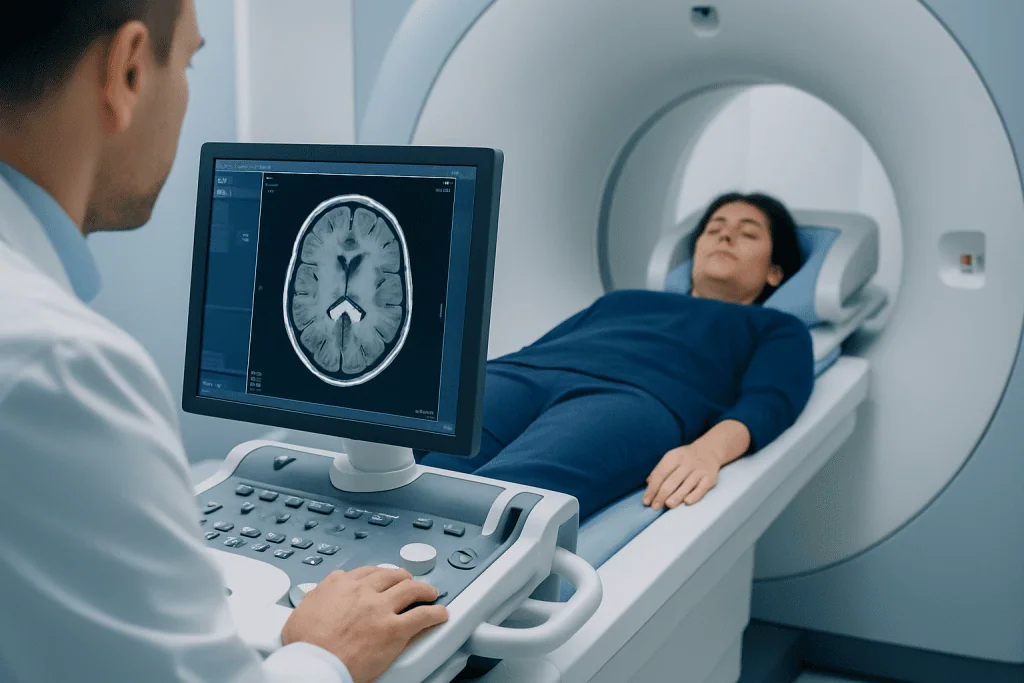
Treatment is tailored to the cause. It may involve medications for symptoms, management of stroke risk factors, sleep treatment, mood support, rehabilitation therapies, or practical strategies to support daily life. When a structural brain problem is suspected, the specialist may coordinate advanced evaluation such as brain MRI to look for signs of stroke, atrophy, tumors, hydrocephalus, or other abnormalities.
Symptoms That May Prompt a Referral

People are often referred to a cognitive neurologist when changes in thinking or behavior begin to affect daily life. The most common concern is memory loss, but the pattern matters. Misplacing items occasionally can happen at any age, while repeated forgetting of recent conversations, appointments, or important events may need closer evaluation. Family members may notice that a person asks the same question several times, struggles to follow directions, or cannot keep track of medications or finances.
Other warning signs can include word-finding problems, trouble understanding language, difficulty planning or organizing tasks, slower thinking, or becoming disoriented in familiar places. Some people develop visual-spatial problems, such as difficulty parking a car or judging distances. Others show changes in judgment, social behavior, motivation, or emotional control. These symptoms do not point to one single diagnosis, but they do suggest that specialist assessment may be helpful.
A person may be advised to see a cognitive neurologist if they have symptoms such as:
- Memory loss that is new, persistent, or worsening
- Difficulty managing work, household tasks, finances, or medications
- Language problems, such as frequent word-finding difficulty
- Confusion, poor judgment, or getting lost
- Personality or behavior changes
- Cognitive decline after stroke, head injury, or serious illness
- Strong family concern even if the person feels mostly well
Early assessment is especially important when symptoms appear suddenly, progress quickly, or are accompanied by weakness, severe headache, seizures, hallucinations, or major changes in walking and balance. In those cases, urgent medical evaluation may be needed.
How a Cognitive Neurologist Evaluates Memory and Thinking
The first step is usually a detailed consultation. The doctor asks when symptoms began, how they have changed over time, and whether they affect work, social activities, driving, finances, or self-care. A family member or close friend is often invited to share observations, since they may notice changes the patient does not recognize. The specialist also reviews medical history, medications, mood symptoms, sleep, alcohol use, and family history of neurological disease.
A neurological examination follows. This checks movement, reflexes, coordination, vision, speech, and other nervous system functions. The doctor also performs cognitive screening or bedside tests that assess short-term memory, language, attention, executive function, and visual-spatial ability. These tests do not provide the full diagnosis by themselves, but they help identify patterns that guide further investigation.
Many people also need blood tests to look for treatable contributors such as thyroid problems, low vitamin B12, infection, inflammation, or metabolic imbalance. Brain imaging may be recommended to detect stroke, bleeding, tumors, fluid buildup, or patterns of brain shrinkage linked to neurodegenerative disease. In selected cases, more detailed assessment with neuropsychological testing can give a deeper picture of strengths and weaknesses across several thinking domains.
Some patients need additional studies, depending on their symptoms. These can include sleep evaluation, electroencephalography for seizure-like episodes, spinal fluid analysis, or specialist psychiatric assessment. The goal is to build an accurate diagnosis rather than assuming all cognitive symptoms are caused by aging alone.
What Happens After Diagnosis?
Once the cause of cognitive symptoms is clearer, the cognitive neurologist creates a treatment and support plan. If symptoms are related to a reversible factor, treatment focuses on correcting it. This might mean adjusting medications, improving sleep, treating depression, hearing loss, or managing blood pressure and diabetes more carefully. When a progressive condition is diagnosed, the plan usually combines symptom management with practical guidance for safety and future planning.
For degenerative disorders such as dementia, treatment may include medications that support cognitive symptoms in selected patients, along with rehabilitation and structured routines. Speech and language therapy may help with communication problems, while occupational therapy can support independence in dressing, bathing, cooking, and home safety. Family education is also a major part of care because caregivers often need guidance on communication, supervision, and behavior changes.
The doctor may discuss driving safety, fall prevention, work ability, legal and financial planning, and support resources in the community. Follow-up appointments are important because cognitive disorders can change over time. Reassessment helps the team monitor progression, review treatments, and respond to new symptoms such as sleep disturbance, mood changes, hallucinations, or mobility problems.
Who Should See a Cognitive Neurologist?
A cognitive neurologist may be appropriate for anyone with persistent or unexplained changes in memory, thinking, language, or behavior. This includes older adults with gradual memory decline, middle-aged adults with symptoms affecting work or family life, and people with complex neurological histories such as stroke, Parkinson’s disease, brain injury, or epilepsy. It can also be valuable when the diagnosis is uncertain or when symptoms do not fit a typical pattern.
Referral is especially helpful if primary care evaluation has not explained the symptoms, if standard memory screening is abnormal, or if the person is relatively young for cognitive decline. Some people seek a consultation because of a strong family history of early-onset dementia or inherited neurological disorders. Others need specialist input because treatment decisions are complicated by multiple medical conditions.
A cognitive neurologist is not only for people with advanced memory problems. Seeing one early can clarify whether changes are mild, potentially reversible, or likely to progress. This often gives patients and families more time to make informed decisions, improve brain health, and access support. In some cases, advanced assessment may be coordinated through services such as neurology consultation when symptoms involve both cognitive and broader neurological concerns.
Can Cognitive Decline Be Prevented or Slowed?
Not all causes of cognitive decline can be prevented, but brain health can often be supported. Good control of blood pressure, diabetes, cholesterol, and other vascular risk factors is important because circulation problems can affect the brain as well as the heart. Regular physical activity, adequate sleep, hearing care, social engagement, and treatment of depression or anxiety may also help maintain cognitive function over time.
Healthy daily habits matter. Many specialists encourage a balanced diet, regular routines, mentally stimulating activities, and avoiding tobacco or excessive alcohol. Staying engaged in conversation, hobbies, reading, music, and community activities may support overall well-being even when a cognitive disorder is present. These measures are not cures, but they can contribute to quality of life and function.
Self-care is also about safety and planning. People with memory concerns may benefit from medication organizers, reminders, calendars, labeled storage, simplified tasks, and family check-ins. If there are concerns about getting lost, falls, cooking safety, or financial mistakes, earlier support is often better than waiting for a crisis. For international patients seeking evaluation, Acibadem International’s multidisciplinary specialists in JCI-accredited hospitals assess and treat cognitive disorders with coordinated neurological care.
When to Seek Medical Attention
A routine appointment is appropriate when memory or thinking problems are mild but persistent, especially if they are affecting work, home responsibilities, or relationships. It is also reasonable to seek evaluation if family members are worried, even if the person feels their symptoms are only minor. Earlier assessment can reduce uncertainty and identify treatable conditions before they become more disruptive.
Urgent medical care is needed if cognitive symptoms appear suddenly or are accompanied by other concerning signs. These include sudden weakness, trouble speaking, severe headache, vision loss, fainting, seizures, sudden confusion, or a major change in alertness. Such symptoms can suggest stroke, infection, bleeding, or another emergency that should not wait for a routine specialist visit.
People should also seek prompt advice if there are immediate safety concerns such as wandering, repeated falls, missed medications, unsafe driving, or inability to manage meals and personal care. A doctor can help determine whether support at home, hospital assessment, or additional specialist input is needed.
Frequently asked questions
What is the difference between a cognitive neurologist and a general neurologist?
A general neurologist treats many conditions affecting the brain, spinal cord, nerves, and muscles. A cognitive neurologist has focused expertise in disorders of memory, thinking, language, and behavior. They are especially helpful when dementia, mild cognitive impairment, or an unusual cognitive syndrome is being considered.
Does seeing a cognitive neurologist mean a person has dementia?
No. Many people referred to a cognitive neurologist do not have dementia. The specialist’s job is to determine whether symptoms relate to normal aging, a treatable medical issue, mild cognitive impairment, or a neurodegenerative disorder.
What tests might a cognitive neurologist order?
Testing often includes a neurological examination, cognitive screening, blood tests, and brain imaging. Some people may also need formal neuropsychological testing, sleep assessment, or other specialized studies. The exact workup depends on the pattern of symptoms and the person’s medical history.
Should a family member go to the appointment?
Yes, this is often very helpful. A family member or trusted friend may notice changes in memory, behavior, or daily functioning that the patient does not fully recognize. Their observations can improve the accuracy of the evaluation and help with planning next steps.
Can a cognitive neurologist treat memory loss?
Yes, but treatment depends on the cause. Some problems improve when underlying issues such as medication side effects, sleep disorders, vitamin deficiency, or depression are treated. For progressive conditions, the focus is usually on symptom management, safety, maintaining function, and supporting the patient and family.
At what age should someone see a cognitive neurologist?
There is no single age threshold. While older adults are more commonly referred, younger adults with persistent memory or thinking problems may also benefit from evaluation. Age matters less than whether symptoms are new, worsening, or interfering with daily life.
References
- National Institute on Aging
- American Academy of Neurology
- Alzheimer's Association
- World Health Organization
- National Institute of Neurological Disorders and Stroke
This article is for general information only and is not a substitute for professional medical advice. Please consult a qualified doctor about your individual situation.
Explore treatments in Turkey — costs, top hospitals & a free quote
JCI-accredited · board-certified surgeons · reply within 24h
Add us as a Preferred Source to see more of our trusted health content across Google Search, AI Overviews and Discover.