Osteoporosis in Men: Silent Bone Loss, Fracture Risk, and Treatment Options

Osteoporosis in men can develop silently and may not be noticed until a fracture occurs. Age, low testosterone, steroid use, smoking, alcohol excess, and certain medical conditions can raise risk.
Key Takeaways
- Osteoporosis in men can develop silently and may not be noticed until a fracture occurs.
- Age, low testosterone, steroid use, smoking, alcohol excess, and certain medical conditions can raise risk.
- Bone density testing and fracture risk assessment help confirm diagnosis and guide treatment.
- Treatment may include exercise, nutrition support, fall prevention, and prescription medicines to strengthen bone.
- Men with a low-trauma fracture or significant risk factors should discuss osteoporosis evaluation with a doctor.
Osteoporosis in men is an underrecognized condition in which bones become weaker and more likely to break. Because bone loss often causes no symptoms until a fracture happens, timely screening and treatment are important, especially for older men and those with risk factors.
Overview of Osteoporosis in Men
Osteoporosis in men is a condition in which bones lose density and strength, making them more fragile. Although it is often thought of as a women’s health issue, men can also develop significant bone loss, especially with aging or certain medical conditions. When bone tissue becomes thinner and weaker, even a minor fall or everyday strain can lead to a fracture.
One reason male osteoporosis is often missed is that it usually develops gradually and without obvious symptoms. A man may feel well for years while bone loss progresses silently. The first sign may be a broken wrist, hip, or spine after a low-impact injury.
Bone is living tissue that is constantly being broken down and rebuilt. In younger years, the body usually builds bone efficiently. Later in life, bone breakdown may outpace bone formation. In men, this process can be influenced by hormones, nutrition, activity level, medications, and chronic diseases.
Recognizing osteoporosis early matters because fractures can affect mobility, independence, and overall health. With the right evaluation and treatment plan, many men can slow bone loss, improve bone strength, and reduce fracture risk.
Symptoms and Possible Warning Signs
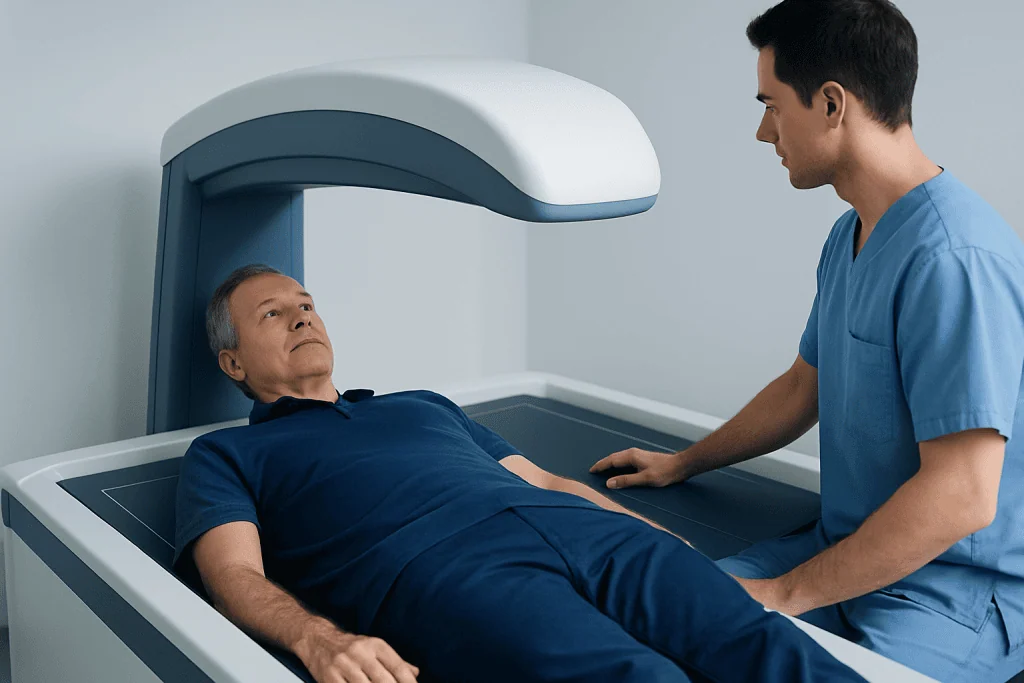
Osteoporosis itself usually does not cause pain or noticeable symptoms in its early stages. That is why it is sometimes called a silent disease. Many men do not know they have it until they experience a fracture after a minor fall, lifting something light, or even coughing in severe cases of spinal bone weakness.
When symptoms do appear, they are often related to fractures. Vertebral compression fractures in the spine may cause sudden back pain, loss of height, or a stooped posture over time. Hip fractures can lead to severe pain and difficulty walking, while wrist fractures often happen when someone tries to break a fall.
Some men may also notice changes that suggest declining bone health, even if these are not specific to osteoporosis. These can include reduced height, a more rounded upper back, or persistent pain after a minor injury. Still, these signs do not confirm osteoporosis on their own and should be assessed medically.
- Fracture after a low-impact fall or minor trauma
- Loss of height over time
- New or unexplained back pain
- Stooped or hunched posture
- Reduced mobility after a seemingly small injury
Causes and Risk Factors
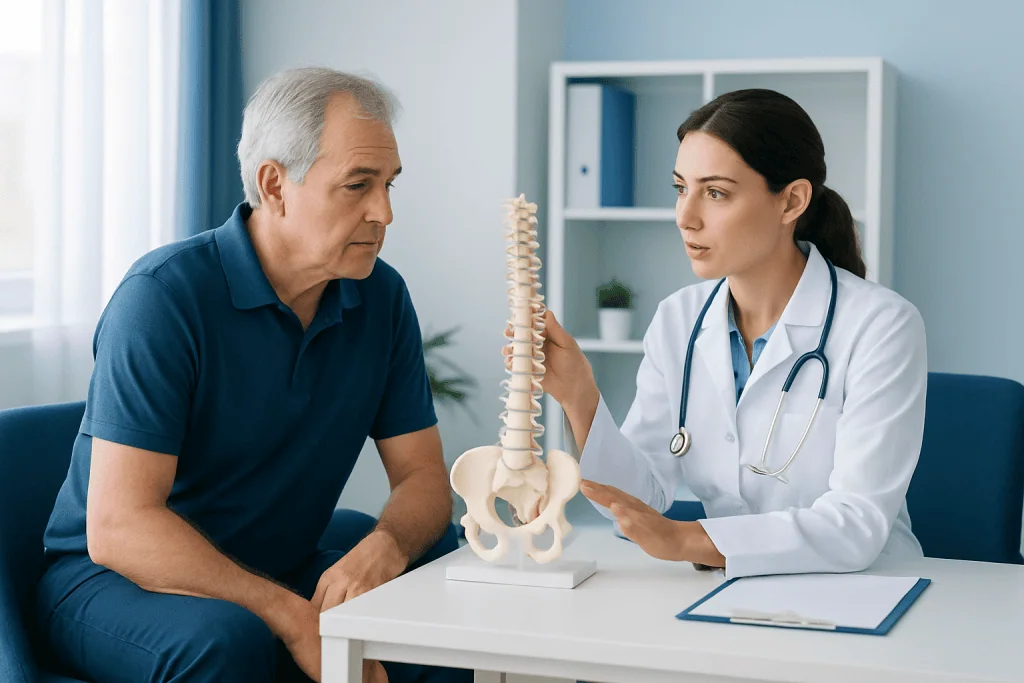
There is rarely a single cause of osteoporosis in men. In many cases, several factors contribute to gradual bone loss. Aging is one of the most important risk factors because bone density naturally declines over time. Men generally start adult life with greater bone mass than women, but they are not protected from bone thinning later in life.
Hormonal changes can play a major role. Low testosterone is linked to lower bone density, and conditions that affect hormone balance can weaken bones. Long-term use of corticosteroid medicines is another well-known cause of secondary osteoporosis. Other medical conditions that may contribute include thyroid disorders, chronic kidney disease, digestive disorders that reduce nutrient absorption, inflammatory diseases, and some blood-related illnesses.
Lifestyle factors also matter. Smoking, heavy alcohol use, low physical activity, poor nutrition, and insufficient calcium or vitamin D can all reduce bone strength. Very low body weight or significant weight loss may increase risk as well. Men with a family history of osteoporosis or hip fracture may be more likely to develop the condition.
Some men are diagnosed after evaluation for another health issue, such as prostate cancer, especially if treatment affects hormone levels. Identifying these underlying contributors is important because managing them can be part of protecting bone health.
How Osteoporosis in Men Is Diagnosed
Diagnosis usually begins with a medical history and physical examination. A doctor may ask about previous fractures, family history, medications, smoking, alcohol use, hormone-related conditions, and chronic illnesses. Height loss, posture changes, or tenderness over the spine may prompt further evaluation.
The main test for diagnosing osteoporosis is a bone mineral density scan, usually a dual-energy X-ray absorptiometry test, often called a DXA or DEXA scan. This painless scan measures bone density, most often at the hip and spine. It helps estimate fracture risk and can also be used over time to monitor how well treatment is working.
Blood and urine tests may be recommended to look for underlying causes of bone loss. These tests can assess calcium, vitamin D, kidney function, thyroid function, testosterone, and other markers depending on the individual situation. If a spinal fracture is suspected, imaging studies may be needed to look more closely at the vertebrae.
Doctors may also use fracture risk tools that combine bone density findings with age and other risk factors. This helps determine whether lifestyle measures alone are enough or whether prescription treatment is advisable. In some cases, evaluation may naturally involve bone density testing alongside broader assessment by bone or endocrine specialists.
Treatment Options for Male Osteoporosis
Treatment for osteoporosis in men is based on fracture risk, bone density, age, overall health, and the presence of previous fractures. The goals are to strengthen bone, reduce the chance of future fractures, relieve symptoms from existing fractures, and address any underlying causes of bone loss.
Most treatment plans include lifestyle and nutritional measures. Adequate calcium intake and vitamin D are important for bone health, whether through diet, supplements, or both if recommended by a doctor. Weight-bearing and muscle-strengthening exercise can help maintain bone density, improve balance, and lower fall risk. Stopping smoking and limiting alcohol are also important steps.
Many men with osteoporosis also need prescription medicine. Depending on the situation, doctors may prescribe drugs that slow bone breakdown or help build new bone. The choice depends on fracture risk, kidney function, other medical conditions, and whether a man has already had a fracture. If there is an underlying hormonal issue, treatment may also include management of low testosterone or another contributing disorder where appropriate.
If fractures have already occurred, care may involve pain management, rehabilitation, and in selected cases orthopedic or spine procedures. Men with severe or complicated bone loss may benefit from assessment in clinics experienced with osteoporosis treatment and, when fractures are present, coordinated support that can include physical therapy and rehabilitation.
Prevention and Self-Care
Prevention starts before osteoporosis develops, but it is also valuable after diagnosis. Healthy habits can help preserve bone mass and support treatment. Regular exercise is one of the most helpful tools. Weight-bearing activities such as walking and stair climbing, along with resistance training, can support bone and muscle strength. Balance exercises may lower the chance of falls.
Nutrition matters throughout adult life. Men should aim for enough calcium, protein, and vitamin D as advised by their healthcare team. Sensible sunlight exposure may help vitamin D production, though some people still need supplements. A doctor or dietitian can guide this based on diet, age, and other health conditions.
Self-care also includes reducing fall risk at home and in daily life. Good lighting, removing loose rugs, wearing supportive shoes, and reviewing vision or hearing problems can all help. Men taking medicines that cause dizziness should ask whether safer alternatives are available. For some, supportive management of related musculoskeletal problems such as spinal fracture recovery may be an important part of staying active safely.
- Stay physically active with weight-bearing, strengthening, and balance exercises
- Get enough calcium, vitamin D, and protein
- Avoid smoking and limit alcohol
- Reduce fall hazards at home
- Review long-term medicines and chronic conditions with a doctor
When to See a Doctor
A man should speak with a doctor if he has had a fracture after a minor fall or other low-impact event. This type of injury may be a warning sign of weakened bones. Medical review is also important for unexplained back pain, noticeable height loss, or a gradually stooped posture.
Men over older age thresholds, especially those with risk factors, should ask whether osteoporosis screening is appropriate. This includes men who use long-term steroid medicines, have low testosterone, smoke, drink heavily, have digestive or kidney disease, or have a strong family history of fractures or osteoporosis.
Early discussion with a healthcare professional can help identify silent bone loss before a major fracture occurs. A doctor can advise on testing, lifestyle changes, nutrition, and whether medication is needed. For international patients seeking coordinated care, Acibadem International’s multidisciplinary specialists and JCI-accredited hospitals diagnose and treat osteoporosis and related fracture risks.
Prompt care is especially important after a hip or spine fracture, because early treatment can support recovery and help prevent future fractures. Even if symptoms seem mild, it is reasonable to ask for evaluation when risk factors are present.
Frequently asked questions
Can men really get osteoporosis?
Yes. Osteoporosis is less commonly discussed in men, but it can affect them, especially with aging, hormone changes, certain medicines, or chronic illnesses. Men may be diagnosed later because the disease often causes no symptoms until a fracture happens.
What is the first sign of osteoporosis in men?
Often, there is no early warning sign. The first clear sign may be a fracture after a minor fall or low-impact injury. Some men also notice height loss, back pain, or a stooped posture due to spinal compression fractures.
Who should be tested for osteoporosis?
Men with a low-trauma fracture, older age, long-term steroid use, low testosterone, smoking history, heavy alcohol use, or other risk factors should discuss testing with a doctor. Screening decisions are individualized and based on overall fracture risk.
How is osteoporosis in men treated?
Treatment may include exercise, calcium and vitamin D support, fall prevention, and prescription medicines that reduce bone loss or build bone. Doctors also look for underlying causes such as hormone problems or chronic disease and treat these when possible.
Can osteoporosis be reversed?
Bone loss may not always be fully reversed, but it can often be slowed or improved. With the right combination of lifestyle measures and medical treatment, many men can increase bone strength and lower the risk of future fractures.
Does low testosterone cause osteoporosis?
Low testosterone can contribute to reduced bone density in some men. However, osteoporosis usually has more than one contributing factor, so a full medical evaluation is important to identify all possible causes.
References
- World Health Organization
- National Institute of Arthritis and Musculoskeletal and Skin Diseases
- International Osteoporosis Foundation
- Endocrine Society
- National Osteoporosis Foundation
This article is for general information only and is not a substitute for professional medical advice. Please consult a qualified doctor about your individual situation.
Joint and spine care in Turkey — expert assessment & treatment
JCI-accredited · board-certified surgeons · reply within 24h
Add us as a Preferred Source to see more of our trusted health content across Google Search, AI Overviews and Discover.