

Surgery Cost in Turkey vs Total Trip Cost: What Patients Often Miss

Surgery cost in Turkey is only part of your budget. Total trip cost can also include tests, hotel, transport, companion expenses and follow-up.
When you compare surgery cost in Turkey, the treatment quote is only one part of what you may actually spend. This guide helps you plan for the full trip cost so you can budget calmly, ask better questions, and avoid last-minute surprises.
At a glance
- Best for: Patients comparing treatment quotes with real travel and stay costs
- Main point: The lowest surgery quote may not be the lowest total trip cost
- Often missed: Pre-op tests, medication, accommodation, local transport, companion costs
- Helpful to ask: What is included, what may change, and what happens if you stay longer
- Planning tip: Build a buffer for medical and travel changes
Why the treatment quote is not your full budget
It is very common to start with the headline number: the surgery cost in Turkey. That figure matters, but it is not the same as your total trip cost. A treatment quote may cover the core procedure and hospital stay, while other necessary items sit outside the quoted amount.
For international patients, the real budget usually combines medical costs, travel costs, daily living expenses, and practical support needs. Even small items can add up quickly when you are in another country, especially if your stay changes because of extra tests, a revised treatment plan, or a longer recovery period before flying home.
This does not mean your quote is misleading. It usually means you need a more complete picture. Asking for an itemized plan early helps you compare options fairly and avoid choosing based only on the first number you see.
What your medical costs may include beyond the surgery itself
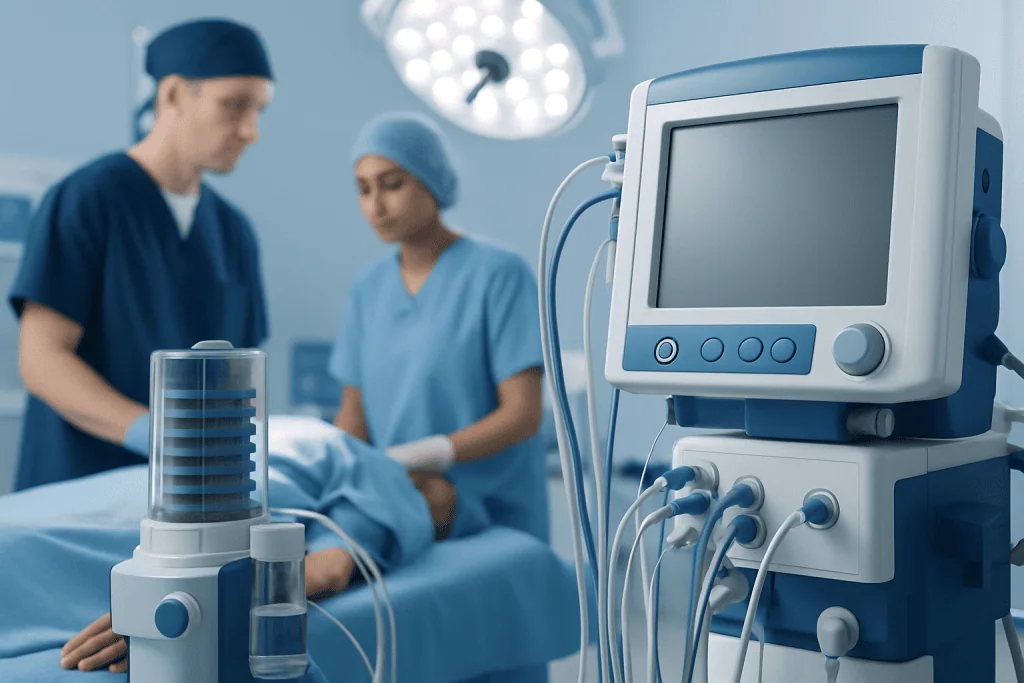
Before treatment, you may need consultations, imaging, blood work, anesthesia review, or specialist assessments. Sometimes these are included in a package, and sometimes they are billed separately depending on your medical history and what your doctors need to confirm once they review your case in detail.
After surgery, your costs may also include prescription medicines, dressings, pathology, medical devices, rehabilitation, or follow-up checks. If your surgeon recommends an extra night in hospital, a different implant, or additional monitoring for safety, your final cost can differ from the starting quote.
At a large international provider such as Acibadem International, it is helpful to ask the patient services team for a written breakdown. Because Acibadem’s JCI-accredited hospitals work with multidisciplinary specialist teams and international patient coordinators, you can usually clarify what is planned, what is conditional, and which decisions depend on your in-person evaluation.
- Consultations and second opinions
- Pre-operative tests and imaging
- Anesthesia and operating room fees
- Hospital room and nursing care
- Medicines and discharge prescriptions
- Follow-up visits or rehabilitation needs
The travel and stay costs patients often overlook

Flights are only the beginning. Many patients forget to budget for airport transfers, taxis, public transport, mobile data, meals, and accommodation before or after the hospital stay. If you need to arrive early for testing or remain in Turkey for post-operative review, your hotel costs can rise beyond your original plan.
If a companion travels with you, their costs are separate in many cases. That may include their flight, accommodation, meals, and local transport, plus possible time away from work. For some treatments, having a companion is strongly advised, so it is wise to include this from the start rather than treat it as optional.
Practical support can also matter. International patient services at providers like Acibadem International may help with interpreters, transportation guidance, and accommodation coordination. That support can make planning easier, but you should still confirm exactly what is arranged for you and what remains your responsibility.
Why the cheapest option may cost more in the end
A lower initial quote can look attractive, but the true comparison is total cost plus convenience, safety, and predictability. If one provider includes pre-op assessment, transfers, and early follow-up while another charges those separately, the lower quote may stop being lower once you add everything up.
You should also think about logistics that affect cost indirectly. A hospital farther from your hotel, multiple visits across different sites, or unclear scheduling may mean more transport costs, more nights in Istanbul or elsewhere in Turkey, and more stress while you are trying to focus on treatment.
Another important point is coordination. Hospitals with established international patient departments can often streamline appointments, share updates in English, and help you understand the sequence of care. That does not replace your own planning, but it can reduce avoidable delays that create extra expenses.
Questions to ask before you accept a quote
The best way to protect your budget is to ask specific, practical questions in writing. Instead of asking only for the surgery price, ask for a complete estimate based on your expected timeline in Turkey, likely pre-operative work-up, hospital stay, medication, and follow-up appointments before departure.
It is also sensible to ask what might reasonably change the quote. For example, would extra tests be required after your specialist consultation? Is the hospital stay fixed or estimated? If your doctor advises you not to fly as early as planned, what costs could you face for extending the stay?
Try to get clarity on payment timing as well. Some items may be paid in advance, while others are confirmed after in-person assessment. A transparent provider should be able to explain what is included, what is not included, and what factors can alter the final bill.
- What exactly is included in the quote?
- Which tests or reviews are conditional?
- How many hospital nights are included?
- Are medicines after discharge included?
- Is a companion recommended?
- What follow-up is needed before I fly home?
How to build a realistic medical travel budget
A practical budget starts with three categories: medical, travel, and contingency. Your medical category includes the treatment and likely related care. Your travel category includes flights, hotel, transfers, meals, companion costs, and daily expenses. Your contingency category is your safety cushion for changes you cannot fully predict.
It helps to plan by timeline rather than by headline price. Think about the days before admission, the hospital period, and the days after discharge. This makes it easier to estimate how many nights you may need in a hotel, how often you will travel locally, and whether you will need help with mobility, translation, or extra comfort items.
If you are working with Acibadem International, ask the international patient team to help map the likely journey from arrival to discharge and follow-up. Their experience with overseas patients can help you spot common gaps in planning, especially around scheduling, interpreter support, and accommodation logistics.
Simple ways to reduce surprise costs without cutting corners
You do not need to plan anxiously, but you do need to plan thoroughly. Choose a provider that communicates clearly, gives you an itemized estimate, and explains your treatment pathway in a way you can follow. Good coordination can save money by preventing unnecessary hotel nights, repeated transport, or confusion about when to arrive and when you can travel home.
Book flexible travel where possible, especially your return journey. Medical timelines can shift for good reasons, and changing flights at the last minute can be expensive. It is also wise to carry a financial buffer for extra medication, longer accommodation, or a companion’s extended stay.
Finally, keep all documents together: your quote, passport, reports, imaging, medication list, insurance documents if relevant, and emergency contacts. When your information is organized, your care team can guide you more efficiently, and you are less likely to face delays that create extra cost or stress.
Step by step
- Start with the medical plan, not just the headline price. Ask what treatment is planned and what assessments are needed before it is confirmed. A quote means more when you understand the likely sequence of consultations, tests, admission, surgery, recovery, and follow-up.
- Request an itemized written estimate. Ask for the expected inclusions and exclusions in writing. This helps you compare providers fairly and gives you a clearer basis for questions about changes, add-ons, or optional services.
- Add your full travel and accommodation costs. Include flights, hotel nights, airport transfers, local transport, meals, and mobile connectivity. If someone will travel with you, add their costs too rather than treating them as an afterthought.
- Plan for timing changes. Build your budget around the possibility of extra tests, a longer recovery period, or a delayed flight home. A small contingency fund can make a big difference if your schedule shifts for medical reasons.
- Confirm support services early. Ask whether interpreter help, transfer support, or accommodation coordination is available. International patient teams, including those at Acibadem International, can often make the trip smoother when arrangements are clarified in advance.
- Check what happens after discharge. Find out whether you will need dressings, medicines, follow-up visits, or rehabilitation before returning home. These details affect both your medical spending and how long you may need to stay in Turkey.
- Keep your documents and payment plan organized. Save your quote, test results, passport copies, medication list, and payment confirmations in one place. Knowing what is due before arrival and what is settled later can prevent stress during your stay.
Your checklist
- Get a written itemized estimate, not only a total figure
- Ask what is included and what may be charged separately
- Budget for pre-op tests, prescriptions, and follow-up
- Count hotel nights before and after hospitalization
- Include airport transfers and local transport
- Add companion travel and daily expenses if needed
- Choose flexible travel if possible
- Keep a contingency buffer for changes or longer stay
Key takeaways
- Surgery cost in Turkey is only one part of your total medical travel budget.
- Common missed costs include tests, medicines, hotel stays, transfers, meals, and companion expenses.
- An itemized estimate helps you compare providers more accurately than a headline quote.
- Flexible travel plans and a contingency buffer can protect you from expensive last-minute changes.
- International patient services can reduce logistical stress, but you should still confirm what is included.
Frequently asked questions
Does a surgery quote usually include everything I will pay?
Not always. Some quotes include the core procedure and hospital stay, while tests, medicines, follow-up, accommodation, or transfers may be separate. The safest approach is to ask for an itemized estimate and written clarification of exclusions.
What extra costs do international patients most often miss in Turkey?
Commonly missed items include pre-operative tests, discharge medications, hotel nights before or after admission, local transport, meals, and companion expenses. Patients also sometimes overlook the cost of changing flights if recovery takes longer than expected.
Why can the final bill change after I arrive?
Your in-person examination or test results may show that extra assessments, a revised plan, or additional monitoring are needed for safety. A longer hospital stay, different medical supplies, or more follow-up can also affect the final amount.
Is the cheapest treatment quote the best value?
Not necessarily. A lower starting quote may exclude practical items that another provider includes, such as assessments, transfers, or follow-up. The better comparison is total expected cost together with coordination, clarity, and convenience.
Should I budget for a companion?
For many patients, yes. Even if a companion is not mandatory, they may be very helpful for support, communication, and daily logistics after treatment. Their travel, accommodation, meals, and transport should be included in your planning.
How can Acibadem International help with planning costs?
Acibadem International can help you understand the likely treatment pathway, coordinate appointments, and clarify practical arrangements through its international patient services. Its JCI-accredited hospitals and interpreter and travel support can make it easier to identify what is included and what you still need to budget for separately.
How much contingency money should I keep aside?
There is no single right figure because needs vary by treatment, travel style, and length of stay. What matters is having a realistic buffer for medical changes, extra hotel nights, transport, and rebooking costs so you are not under pressure if plans shift.
Add us as a Preferred Source to see more of our trusted health content across Google Search, AI Overviews and Discover.
More Patient Guides

Paying Medical Bills in Turkey: Cards, Bank Transfers, and Receipts
Paying medical bills in Turkey is usually done by card or bank transfer, with official receipts available through hospital billing teams in…
9 min read
Using International Insurance for Treatment in Turkey
International insurance for treatment in Turkey usually requires plan checks, pre-approval, and documents. In Istanbul, ask your hospital to verify benefits early.
9 min read
How to Budget for Extra Nights in Turkey After Treatment
Budget for extra nights in Turkey after treatment by planning hotel, meals, transport and follow-up needs in Istanbul with a simple buffer.
9 min read