

How to Estimate the Total Cost of Treatment in Turkey Before You Travel

Cost of treatment in Turkey includes your quote, travel, hotel, tests, medications and follow-up. Estimate total spend before you travel with a clear checklist.
Planning your medical trip is easier when you break the total cost into clear parts. This guide helps you estimate the full cost of treatment in Turkey before you travel, so you can budget with fewer surprises and ask the right questions early.
At a glance
- Best time to budget: Before booking flights or accommodation
- Main cost areas: Treatment, tests, travel, stay, medications, follow-up
- Most useful document: A written itemized treatment quote
- Biggest budgeting risk: Assuming the hospital quote is your total trip cost
- Helpful support: International patient coordinators and interpreters
Start with the full picture, not just the hospital quote
When you estimate the cost of treatment in Turkey, the most important mindset is this: your hospital quote is only one part of the total. Many patients focus first on the procedure or consultation fee, then later discover extra costs linked to diagnostics, medicines, airport transfers, accommodation, meals, or a longer stay than expected. A more realistic budget starts by listing every step of your trip from your first online consultation to your return home.
Ask for a written estimate as early as possible and read it carefully. Check whether it covers consultations, tests, imaging, anesthesia if relevant, hospital stay, medications used during treatment, and any routine follow-up before discharge. If anything is unclear, ask for plain-language explanations. It is easier to compare options and make decisions when the estimate is itemized rather than presented as one single figure.
If you are speaking with an international patient team, use them fully. At Acibadem International, for example, coordinators can help you understand what is typically included, what may depend on the doctor’s assessment after arrival, and what practical travel-related services may need separate budgeting. This does not replace your own planning, but it can help you build a more complete and less stressful estimate.
Know which medical costs are fixed and which may change
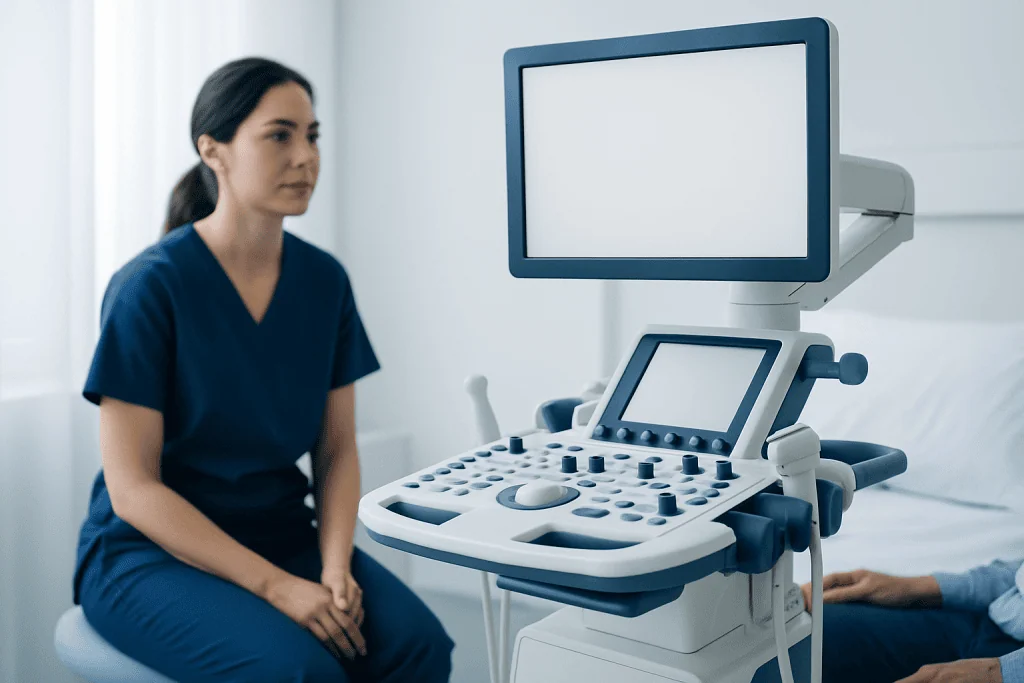
Some parts of your care are easier to estimate before you travel, while others can only be confirmed after your in-person examination. A consultation fee, standard pre-treatment tests, or a planned day-case service may be reasonably predictable. On the other hand, costs may change if your specialist decides you need extra imaging, additional lab work, another specialist opinion, a longer hospital stay, or a different treatment approach based on findings after arrival.
This does not mean the original estimate was wrong. It usually means your team is adjusting care to your actual medical needs once they have more complete information. To avoid surprises, ask two practical questions: what is definitely included, and what are the most common reasons the final bill could change? This helps you prepare for realistic scenarios instead of guessing.
You can also ask whether your case will be reviewed by a multidisciplinary team if your condition is complex. In larger groups such as Acibadem International, multidisciplinary specialist teams may review imaging, pathology, or treatment plans together. For budgeting purposes, that is helpful because it can clarify early whether you may need more than one specialty involved during the same trip.
- Included costs are often the easiest to confirm in writing.
- Variable costs usually relate to additional tests, longer stays, or changes in treatment planning.
- Complex cases often need a wider financial buffer than straightforward cases.
Add the travel and stay costs around your treatment

Your medical budget should include every non-clinical cost needed to make the trip work smoothly. That usually means flights, airport transfers, accommodation, meals, local transport, travel insurance if suitable for your situation, mobile data or roaming, and small day-to-day expenses. If a family member or companion is coming with you, include their flights, food, and accommodation too.
Length of stay matters a lot. Even if your treatment itself is short, you may need to arrive a day or two early for tests and stay afterward for observation, dressing changes, review appointments, or fit-to-fly clearance. Some patients also choose to stay a little longer nearby in case they need an extra check before returning home. Building this into your plan can be more realistic than assuming you will fly out immediately.
If you are traveling to Istanbul or another major Turkish city for care, ask whether your hospital offers practical support with hotel suggestions, transfers, or route planning. Acibadem International’s international patient services, for example, may help patients arrange logistics and interpretation, which can make timing easier to manage. Even when these services are available, it is still wise to ask which parts are included and which are separate expenses.
Plan for pre-travel, arrival, and aftercare expenses
Some costs begin before you even leave home. You may need recent blood tests, imaging files, medical reports translated into English, passport renewal, visa-related expenses if applicable, or courier costs for documents. If you are taking regular medicines, ask whether you should bring enough for the full trip and whether you may need to budget for refills or equivalent prescriptions while abroad.
Aftercare is another area patients sometimes underestimate. Depending on your treatment, you may need discharge medications, wound care supplies, compression garments, repeat blood tests, remote follow-up consultations, physiotherapy, or a local doctor visit after you return home. These are part of the true total cost of treatment in Turkey, even if they happen after you leave the country.
It also helps to think about indirect costs. You or your companion may need time away from work, extra childcare at home, or help with mobility after the trip. These costs do not appear on a hospital invoice, but they can affect your real budget significantly and are worth planning for in advance.
Build a buffer for the unexpected
Even with good planning, medical travel has moving parts. Flights can change, recovery may take longer than hoped, and your doctor may recommend an extra review before you fly. A sensible financial buffer can reduce stress and help you make decisions based on medical advice rather than budget pressure at the last minute.
A buffer is especially important if your condition is complex, if you are traveling during busy seasons, or if you have never visited Turkey before. It can cover an extra night in a hotel, a date change for flights, another translator session, or additional pharmacy costs. The goal is not to expect problems, but to protect yourself from having every expense feel urgent.
If you are arranging care through an established international provider such as Acibadem International, ask your coordinator what practical delays or add-on needs patients most commonly encounter. JCI-accredited hospital systems and organized international patient teams can often help you understand the usual treatment pathway, which makes it easier to estimate where a buffer is most useful.
Questions to ask before you pay a deposit or book travel
Before committing financially, make sure you understand the quote, the cancellation terms, and the likely timeline. Confirm whether the estimate is based on your uploaded records only or whether it depends on an in-person specialist assessment after arrival. If the plan changes, ask how revised costs will be explained and approved.
You should also ask about payment timing and method. Some hospitals may require deposits, while others take payment in stages or at admission. Ask whether payments can be made by card or bank transfer, what currency is accepted, and whether your bank may charge transfer or exchange fees. These financial details can affect your total more than many patients expect.
Finally, ask who your point of contact will be once you land in Turkey. A named coordinator, interpreter, or international patient representative can make practical issues much easier to solve quickly. At Acibadem International, this kind of support is often a key part of helping international patients navigate appointments, documents, and communication with confidence.
- Request an itemized written estimate.
- Clarify what is included, excluded, and conditional.
- Ask about deposits, payment methods, and currency.
- Confirm expected length of stay before flying home.
- Check follow-up and discharge needs before booking return travel.
Step by step
- Collect your medical records first. Before asking for a cost estimate, gather recent reports, scan results, blood tests, medication lists, and any previous treatment summaries. The more complete your file is, the more useful and realistic the initial quote is likely to be.
- Request an itemized estimate. Ask for a written breakdown rather than a single total. This should help you see consultation fees, tests, treatment-related charges, possible inpatient stay, and any standard follow-up included before discharge.
- List your non-medical travel costs. Create a simple budget for flights, hotel, transfers, meals, local transport, and companion expenses. Add the number of nights you may need before and after treatment, not just the procedure day itself.
- Check what may change after arrival. Ask which parts of the plan depend on an in-person assessment. This helps you understand whether extra tests, another specialist review, or a longer stay could change the final total.
- Add aftercare and return-home costs. Include discharge medications, dressings, remote follow-up, physiotherapy if relevant, and any review with your local doctor after you return. These costs are easy to overlook, but they are still part of your full treatment journey.
- Set aside a buffer. Keep extra funds available for practical changes such as an additional hotel night, rebooked flight, or extra pharmacy needs. A buffer gives you flexibility if your doctor recommends staying a little longer.
- Confirm payment details before you travel. Check accepted payment methods, currency, timing, and whether bank or exchange fees may apply. If you are paying a deposit, make sure you understand cancellation or rescheduling terms in writing.
Your checklist
- Passport validity checked
- Medical records and imaging files collected
- Written itemized treatment quote received
- Included and excluded services clarified
- Estimated length of stay confirmed
- Flights, hotel, and transfers costed
- Companion expenses added if relevant
- Aftercare, medications, and follow-up budgeted
- Emergency spending buffer set aside
Key takeaways
- The hospital quote is only one part of the total cost of treatment in Turkey.
- Ask for an itemized written estimate and clarify what may change after arrival.
- Budget separately for travel, accommodation, companion costs, and aftercare.
- Plan for a realistic length of stay rather than the treatment day alone.
- Keep a financial buffer for extra tests, delayed flights, or a longer recovery period.
Frequently asked questions
Is the treatment quote the same as the total cost of my trip?
Usually not. Your treatment quote may cover medical services only, while your total trip cost also includes flights, hotel, local transport, food, companion expenses, medications, and follow-up after you leave Turkey. Always build your budget around the full journey.
Why can the final treatment cost change after I arrive in Turkey?
Your specialist may need to examine you in person, repeat tests, or review new imaging before confirming the treatment plan. If your medical needs differ from what was expected from the records sent in advance, the final cost can change accordingly.
What should I ask for in a written estimate?
Ask for an itemized estimate showing consultations, tests, treatment-related charges, hospital stay if needed, and standard immediate follow-up. It is also helpful to ask what is excluded and what common situations could lead to extra charges.
Should I budget for staying longer than planned?
Yes, that is a sensible approach. Even if everything goes smoothly, your doctor may want to see you again before you fly, or your return travel may need adjustment based on recovery timing. Planning a small buffer in both time and money can reduce stress.
Do I need to include aftercare costs in my estimate?
Yes. The real cost of treatment includes discharge medications, dressings or supplies, remote follow-up, and any care you may need once you are back home. These are often smaller than the main treatment cost, but they still matter for accurate planning.
How can international patient services help with budgeting?
An international patient team can help you understand your quote, likely treatment timeline, and practical travel needs. At Acibadem International, coordinators, interpreters, and logistics support can make it easier for you to estimate accommodation and scheduling needs more clearly.
Is it safe to book flights before my treatment plan is confirmed?
It is usually better to wait until you understand the expected timeline, especially if your treatment depends on in-person assessment. If you do book early, flexible fares can be helpful in case your dates need to change.
Add us as a Preferred Source to see more of our trusted health content across Google Search, AI Overviews and Discover.
More Patient Guides

Paying Medical Bills in Turkey: Cards, Bank Transfers, and Receipts
Paying medical bills in Turkey is usually done by card or bank transfer, with official receipts available through hospital billing teams in…
9 min read
Using International Insurance for Treatment in Turkey
International insurance for treatment in Turkey usually requires plan checks, pre-approval, and documents. In Istanbul, ask your hospital to verify benefits early.
9 min read
How to Budget for Extra Nights in Turkey After Treatment
Budget for extra nights in Turkey after treatment by planning hotel, meals, transport and follow-up needs in Istanbul with a simple buffer.
9 min read