How Mental Health Disability Benefits Work and Who May Qualify

A mental health diagnosis alone does not automatically qualify a person for disability benefits. Decision-makers usually look at how symptoms affect work, concentration, social functioning, and daily activities.
Key Takeaways
- A mental health diagnosis alone does not automatically qualify a person for disability benefits.
- Decision-makers usually look at how symptoms affect work, concentration, social functioning, and daily activities.
- Consistent medical records, treatment history, and clinician documentation are important parts of an application.
- Benefits systems differ by country, but most require evidence that limitations are significant and ongoing.
- People can often appeal a denial or submit additional information if the first application is unsuccessful.
Mental health disability benefits are designed for people whose psychiatric symptoms substantially limit their ability to work and manage daily life. Eligibility depends on the diagnosis, symptom severity, functional impact, treatment history, and medical documentation.
Overview of mental health disability benefits
Mental health disability benefits are financial or social support programs intended for people whose psychological or psychiatric condition makes it difficult or impossible to work consistently. These benefits may come from government disability systems, social insurance programs, employers, or private disability plans. The exact rules vary by country and by policy, but the central question is usually similar: does the person have a medically recognized condition that causes serious, ongoing functional limitations?
Mental health conditions that may be considered include major depressive disorder, bipolar disorder, anxiety disorders, post-traumatic stress disorder, obsessive-compulsive disorder, schizophrenia spectrum disorders, eating disorders, and other psychiatric illnesses. Some people may also qualify when mental health symptoms are part of a broader condition, such as chronic pain, neurological illness, or substance use recovery. Related conditions such as depression or anxiety disorders may be part of the evaluation when they significantly affect day-to-day functioning.
Qualifying is rarely based on diagnosis alone. Reviewers generally look at whether symptoms interfere with attendance, focus, memory, decision-making, communication, stress tolerance, pace, and the ability to perform routine tasks safely and reliably. They also consider whether these difficulties have lasted, or are expected to last, for a meaningful period of time despite appropriate treatment.
Who may qualify
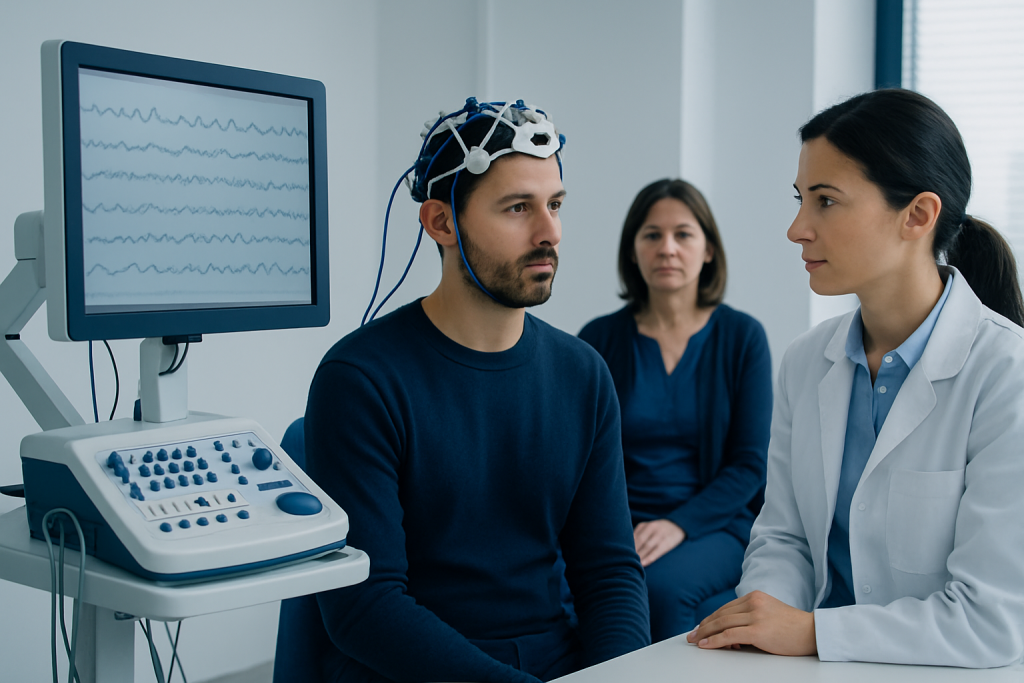
A person may qualify for mental health disability benefits if a mental illness causes substantial limitations in work-related functioning. This can include difficulty maintaining concentration, handling workplace stress, interacting with colleagues or the public, following instructions, adapting to change, or attending work regularly. In many systems, the condition must be expected to last for a minimum period, such as several months or longer, or be considered long-term.
Eligibility often depends on evidence from multiple areas of life, not only work. Reviewers may ask whether symptoms affect personal care, household tasks, relationships, budgeting, transportation, sleep, or the ability to manage appointments and medications. A person who can perform some activities on good days may still qualify if symptoms are unpredictable, severe, or prevent reliable functioning over time.
Common factors that support eligibility include:
- a formal diagnosis from a qualified clinician
- persistent symptoms despite treatment
- documented impairment in daily activities and job tasks
- hospitalization, crisis care, or frequent urgent support when relevant
- consistent follow-up with mental health professionals
Some programs also look at work history, age, education level, and whether there are realistic job options given the person’s limitations. This is one reason why two people with the same diagnosis may receive different decisions.
Symptoms and functional limitations that matter most

When disability claims are reviewed, the most important issue is usually functional impact. Symptoms such as sadness, worry, panic, low motivation, intrusive memories, mood swings, paranoia, hallucinations, irritability, fatigue, or cognitive slowing are medically important, but reviewers also want to understand how these symptoms affect real-life functioning. For example, a person may miss deadlines because of poor concentration, avoid leaving home because of panic, or struggle to complete routine tasks because of severe depression.
Cognitive and emotional symptoms can affect work in different ways. Impaired memory may make it hard to follow multi-step instructions. Sleep disturbance can reduce stamina and reliability. Severe anxiety may limit communication and public interaction. Depression may reduce pace, initiative, and self-care. Conditions on the psychosis spectrum can interfere with judgment, reality testing, or safe independent functioning. bipolar disorder may also cause periods of instability that make regular work attendance difficult.
Reviewers may pay close attention to limitations in these areas:
- understanding and remembering information
- sustaining concentration and attention
- working at a consistent pace
- interacting appropriately with others
- responding to supervision and feedback
- adapting to routine changes or stress
- maintaining regular attendance and punctuality
Descriptions from the patient, family members, and clinicians can help show the difference between having symptoms and being unable to function reliably. Keeping a symptom diary may also help some people explain patterns such as panic episodes, medication side effects, or days when they cannot leave bed or leave home.
Causes, risk factors, and why some conditions become disabling
Mental illness becomes disabling for many different reasons. Some people have severe symptoms from the beginning, while others develop worsening difficulties over time. Contributing factors can include genetics, childhood adversity, trauma, chronic stress, social isolation, substance use, medical illness, sleep disruption, and limited access to treatment. Disability may also be more likely when symptoms occur together, such as depression with anxiety, or PTSD with insomnia and chronic pain.
The course of mental illness is often uneven. A person may have periods of partial improvement followed by relapse, especially during stressful times. This can make employment difficult even if the person appears relatively well during short appointments. In disability evaluations, this pattern matters because the ability to work usually requires sustained, predictable function rather than occasional good days.
Delayed diagnosis, interrupted treatment, stigma, and financial barriers can also worsen outcomes. Some people stop treatment because of side effects, transportation problems, lack of insurance coverage, or fear of discrimination. Others may not recognize how serious their symptoms have become. Early assessment and ongoing support can reduce complications and may improve quality of life, whether or not a person ultimately applies for benefits.
How disability is evaluated and what documentation is needed
Most disability systems require medical evidence from qualified professionals such as psychiatrists, psychologists, primary care doctors, or licensed therapists. Records may include diagnostic assessments, clinic notes, hospital discharge summaries, medication history, therapy reports, and standardized mental status findings. The most helpful documentation usually explains not only the diagnosis, but also how symptoms limit work capacity and daily functioning over time.
An evaluation may include a detailed history of symptoms, past treatments, response to medications, side effects, psychiatric hospitalizations, safety concerns, and coexisting medical or neurological conditions. Some systems request forms completed by the treating clinician that describe specific work-related restrictions, such as limited concentration, need for extra breaks, or difficulty with social interaction. In some cases, the claimant may be asked to attend an independent medical or psychological assessment.
Useful evidence often includes:
- dates of diagnosis and treatment
- frequency of appointments and therapy sessions
- medications tried and reasons for changes
- objective observations from clinicians
- examples of missed work, reduced productivity, or failed work attempts
- reports from family or caregivers when appropriate
Clear, consistent records can strengthen an application. Gaps in care do not always mean a condition is mild, but they may need explanation. If someone has trouble organizing records or completing forms because of their illness, support from a trusted family member, social worker, or legal advocate may be helpful.
Treatment, support, and the role of ongoing care
Applying for benefits does not replace treatment. In fact, most programs expect the person to seek appropriate medical care unless there is a clear reason this is not possible. Treatment may involve psychotherapy, medication, lifestyle changes, rehabilitation support, case management, or combined care. The goals are to reduce symptoms, improve functioning, and support safety and independence.
Depending on the condition, treatment may include psychiatric care, counseling, trauma-focused therapy, group therapy, or structured programs such as psychotherapy. Some people also benefit from occupational support, sleep management, family education, or rehabilitation services that focus on daily function and return-to-work planning where appropriate. If symptoms are severe or there is concern about safety, more intensive services such as inpatient psychiatric treatment may be needed.
Disability benefits may be temporary or long-term, and a person’s eligibility can change if symptoms improve or worsen. Regular review is common in many systems. For this reason, follow-up care is important even after approval. Ongoing treatment records can document progress, setbacks, medication effects, and the current level of function.
Near the end of the care pathway, some international patients seek assessment and treatment through specialist centers. Acibadem International’s multidisciplinary mental health teams and JCI-accredited hospitals provide diagnosis and treatment support for a range of psychiatric conditions.
Practical self-care and steps before applying
Before or during a disability application, practical self-care can make the process more manageable. It can help to keep a written record of symptoms, panic episodes, sleep patterns, missed workdays, medication side effects, and daily tasks that feel difficult. This information can give a clearer picture of functioning than memory alone, especially if concentration or recall is affected.
People may also benefit from building a support system. A family member, friend, therapist, social worker, or patient advocate can help organize paperwork, attend appointments, or explain forms. It is often useful to ask treating clinicians for records early, since collecting documentation can take time.
Helpful steps include:
- attending scheduled appointments as regularly as possible
- following the treatment plan or discussing reasons it is hard to follow
- saving copies of medical reports and work-related documents
- noting how symptoms affect specific job duties and daily tasks
- seeking urgent support if there are thoughts of self-harm or a mental health crisis
Self-care does not mean a person should manage alone. If symptoms are severe, worsening, or affecting safety, medical evaluation is important. A qualified professional can help determine whether treatment, workplace accommodations, a leave of absence, or disability benefits may be the most appropriate next step.
When to seek professional advice
A person should consider professional help if emotional or cognitive symptoms interfere with work, relationships, sleep, self-care, or the ability to manage everyday responsibilities. Early support may reduce suffering and can also create a clearer medical record if disability later becomes a concern. It is especially important to seek assessment when symptoms are getting worse, causing repeated work absences, or leading to social withdrawal.
Urgent medical attention is needed if there are suicidal thoughts, self-harm, severe agitation, hallucinations, inability to care for basic needs, or concern that the person may harm themselves or others. In these situations, emergency services or immediate psychiatric assessment may be necessary.
If a disability claim has been denied, professional guidance can still be useful. Many people are approved only after providing additional records, updated evaluations, or clarification about how symptoms affect functioning. A doctor, mental health professional, case worker, or disability adviser may help explain the next steps and support a safe treatment plan while the process continues.
Frequently asked questions
Can a person get disability benefits for anxiety or depression?
Yes, anxiety or depression may qualify if symptoms are severe enough to cause major limitations in work and daily life. The decision usually depends on documented functional impairment, treatment history, and how long the condition has lasted, not just the diagnosis name.
Does having a mental health diagnosis automatically mean someone qualifies?
No. A diagnosis alone is usually not enough. Reviewers typically want evidence that the condition significantly limits concentration, reliability, social functioning, stress tolerance, or other abilities needed for regular work.
What kind of medical evidence is usually helpful?
Helpful evidence often includes clinic notes, psychiatric evaluations, therapy records, medication history, hospital records, and statements from treating clinicians about functional limitations. Records that show symptoms over time are usually more useful than a single visit note.
Can someone work and still receive mental health disability benefits?
In some systems, yes, depending on how much the person can work and the type of benefit involved. Some programs allow limited or part-time work, while others require proof that full-time, reliable employment is not possible.
What happens if the first application is denied?
A denial does not always mean the person is ineligible. Many systems allow an appeal, reconsideration, or submission of additional medical records. Updated clinician statements and clearer descriptions of daily limitations can sometimes strengthen the case.
How long do mental health disability benefits last?
That depends on the benefit program and the person’s condition. Some benefits are temporary and reviewed regularly, while others continue longer if impairment remains significant and ongoing medical evidence supports it.
References
- World Health Organization
- National Institute of Mental Health
- American Psychiatric Association
- National Health Service
- Centers for Disease Control and Prevention
This article is for general information only and is not a substitute for professional medical advice. Please consult a qualified doctor about your individual situation.
Explore treatments in Turkey — costs, top hospitals & a free quote
JCI-accredited · board-certified surgeons · reply within 24h
Add us as a Preferred Source to see more of our trusted health content across Google Search, AI Overviews and Discover.

More from the Health Library



Related Specialists

Dr. Sevim Kuyumcu
Ophthalmology
Prof. Dr. Cem Demirel
Gynecology & Obstetrics
Prof. Dr. Gündüz Tezeren
Orthopedic Surgery & Traumatology
Assoc. Prof. Dr. Nurcan Kızılcık
Anesthesiology