Mental Disorders List: Common Types, Symptoms, and When to Seek Help

Mental disorders affect thoughts, emotions, behavior, or daily functioning and can range from mild to severe. Common types include anxiety disorders, depression, bipolar disorder, OCD, PTSD, eating disorders, and psychotic disorders.
Key Takeaways
- Mental disorders affect thoughts, emotions, behavior, or daily functioning and can range from mild to severe.
- Common types include anxiety disorders, depression, bipolar disorder, OCD, PTSD, eating disorders, and psychotic disorders.
- Symptoms often involve changes in mood, sleep, energy, concentration, behavior, or relationships.
- Diagnosis is based on clinical assessment rather than a single laboratory test.
- Early help can reduce distress, improve functioning, and support recovery.
A mental disorders list can help people recognize common conditions, understand possible symptoms, and know when professional support may be helpful. Mental health conditions are real medical concerns, and many can improve with timely diagnosis, therapy, medication, and supportive self-care.
Overview of Mental Disorders
Mental disorders are health conditions that affect a person’s emotions, thinking, behavior, or ability to cope with daily life. They are not a sign of weakness or poor character. Like physical illnesses, they can have biological, psychological, social, and environmental causes, and they often respond well to treatment.
A mental disorders list includes many different conditions rather than one single illness. Some are mainly marked by low mood or anxiety, while others affect perception, energy levels, eating behaviors, attention, or how a person relates to reality. Symptoms can vary from person to person, and the same diagnosis may look different in different age groups.
Common mental disorders include anxiety disorders, depression, bipolar disorder, obsessive-compulsive disorder, post-traumatic stress disorder, eating disorders, attention-related conditions, personality disorders, and psychotic disorders such as schizophrenia. Some people may also experience symptoms linked with substance use, grief, stress, medical illness, or major life changes.
Mental health exists on a spectrum. A person may have temporary stress-related symptoms that improve with support, or they may develop a more persistent condition that needs structured treatment. Recognizing symptoms early and seeking guidance from a qualified professional can make a meaningful difference.
Common Types of Mental Disorders
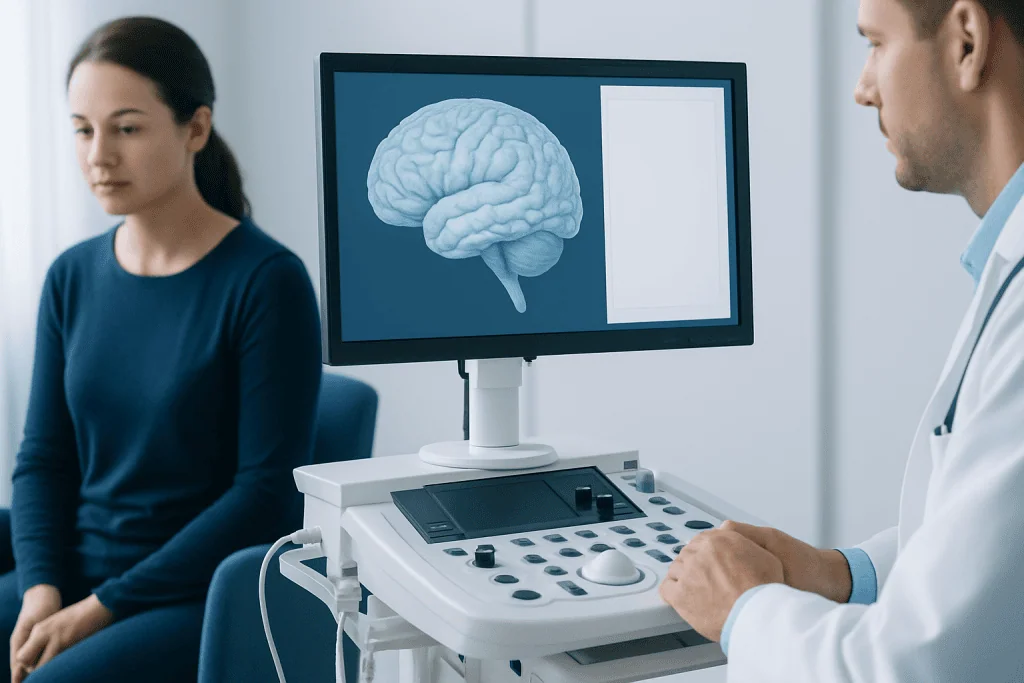
One of the most widely recognized groups is anxiety disorders. These include generalized anxiety disorder, panic disorder, social anxiety disorder, and specific phobias. People may feel excessive worry, fear, physical tension, restlessness, or sudden episodes of intense panic. Anxiety can become severe enough to interfere with work, school, sleep, or relationships.
Mood disorders are also common. Depression may involve persistent sadness, loss of interest, guilt, fatigue, sleep changes, and difficulty concentrating. Bipolar disorder causes episodes of depression and periods of unusually elevated, irritable, or highly energized mood. These shifts can affect judgment, activity, and daily stability.
Other important categories include trauma-related disorders such as PTSD, obsessive-compulsive disorder, eating disorders, and psychotic disorders. OCD involves distressing intrusive thoughts and repetitive behaviors or mental rituals. Eating disorders may involve restrictive eating, binge eating, or purging behaviors and can affect both physical and mental health. Psychotic disorders may involve hallucinations, delusions, or disorganized thinking.
Additional conditions include neurodevelopmental disorders such as ADHD, personality disorders, sleep-related mental health concerns, and substance use disorders. A diagnosis depends on a full clinical picture, not only one symptom. Because symptoms can overlap, professional assessment is important for clarity and appropriate care.
Symptoms to Watch For

Mental health symptoms may be emotional, physical, behavioral, or cognitive. Common emotional signs include persistent sadness, anxiety, irritability, hopelessness, emotional numbness, or sudden mood swings. Cognitive symptoms can include racing thoughts, poor concentration, indecisiveness, intrusive thoughts, suspiciousness, or confusion.
Behavioral and physical symptoms are also common. A person may withdraw from family or friends, lose interest in usual activities, miss work or school, have changes in appetite, or sleep much more or much less than usual. Some people experience headaches, digestive discomfort, fatigue, or a sense of being constantly “on edge.”
Warning signs can differ by condition. For example, panic disorder may cause chest tightness, dizziness, trembling, and fear of losing control. OCD may involve repeated checking, cleaning, counting, or reassurance seeking. PTSD can include nightmares, flashbacks, hypervigilance, and avoidance of reminders of trauma. A psychotic disorder may involve hearing voices, fixed false beliefs, or difficulty organizing speech and thoughts.
Symptoms become especially important when they last for weeks, are getting worse, or affect safety and daily function. In children and teenagers, signs may include sudden school problems, strong irritability, behavior changes, social withdrawal, or regression. In older adults, symptoms can sometimes be mistaken for memory problems or physical illness, so careful evaluation is helpful.
Causes and Risk Factors
Mental disorders usually develop from a combination of influences rather than a single cause. Genetics can increase vulnerability in some families, but inherited risk does not mean a person will definitely develop a condition. Brain chemistry, hormone changes, chronic medical illness, sleep disruption, and some medications may also play a role.
Life experiences are equally important. Trauma, bereavement, relationship difficulties, financial stress, discrimination, social isolation, and major transitions can all affect mental well-being. Long-term stress may increase the risk of anxiety, depression, or unhealthy coping behaviors, especially when support is limited.
Substance and alcohol use can trigger or worsen symptoms. For some people, cannabis, stimulants, or heavy alcohol use may contribute to panic, low mood, psychosis, or sleep disturbance. Mental health and substance use often interact closely, which is why both need attention during assessment and treatment.
Protective factors matter too. Supportive relationships, stable routines, adequate sleep, regular movement, coping skills, and access to care can lower risk and help recovery. Even when risk factors are present, early support may reduce the impact of symptoms and improve long-term outcomes.
How Mental Disorders Are Diagnosed
There is no single blood test or scan that diagnoses most mental disorders. Diagnosis is usually based on a careful clinical assessment by a psychiatrist, psychologist, or another qualified mental health professional. The clinician asks about symptoms, when they began, how severe they are, and how they affect work, school, relationships, sleep, appetite, and daily life.
The evaluation may also include personal history, family history, substance use, trauma history, and current medical conditions. Sometimes questionnaires or structured interviews are used to better understand symptoms. Physical examination and lab tests may be recommended when a medical condition could be contributing, such as thyroid disease, vitamin deficiency, or medication side effects.
Because symptoms may overlap, diagnosis can take time. For example, anxiety and depression often occur together, and bipolar disorder may at first resemble depression. A person may also need assessment for related concerns such as obsessive-compulsive disorder or an eating disorder if those symptoms are present.
A thorough diagnosis is important because treatment should match the person’s needs, not just the label. It also helps rule out other causes and identify urgent risks, such as self-harm, suicidal thinking, severe substance use, or psychosis, which may require immediate care.
Treatment Options and Support
Treatment depends on the condition, symptom severity, age, medical history, and personal preferences. Many people benefit from psychotherapy, medication, or a combination of both. Talking therapies can help people understand symptoms, develop coping skills, improve relationships, and change unhelpful thought or behavior patterns. A clinician may recommend psychotherapy as a first-line approach for many common conditions.
Medication may be helpful for moderate to severe symptoms or when therapy alone is not enough. Options vary depending on the diagnosis and may include antidepressants, anti-anxiety medications, mood stabilizers, antipsychotic medicines, or medicines used for attention-related symptoms. Any medication plan should be guided and monitored by a qualified doctor, often through psychiatric care.
Some people need more intensive support, especially if symptoms are severe, safety is a concern, or daily functioning is significantly impaired. This may include day programs, inpatient treatment, family-based treatment, addiction services, or coordinated care for coexisting medical problems. If symptoms include major changes in thinking, memory, or the nervous system, doctors may also consider neurology evaluation to rule out related causes.
Recovery is often gradual rather than immediate. Follow-up is important because treatment may need adjustment over time. Near the end of the care journey, some international patients choose evaluation and treatment through Acibadem International, where multidisciplinary specialists in JCI-accredited hospitals assess and manage mental health conditions in coordination with other medical needs.
Self-care, Prevention, and Daily Coping
Not all mental disorders can be prevented, but healthy routines can support emotional resilience and reduce symptom burden. Regular sleep, balanced meals, physical activity, stress management, and time outdoors can help mood and energy. Limiting alcohol and avoiding recreational drugs are also important, especially for people with anxiety, depression, bipolar disorder, or psychosis risk.
Self-care works best when it is practical and consistent. Helpful strategies may include keeping a daily routine, setting small achievable goals, taking breaks from overwhelming news or social media, and staying connected with trusted family or friends. Relaxation skills such as breathing exercises, mindfulness, and journaling can support emotional regulation for some people.
It is also helpful to notice early warning signs. These may include worsening sleep, increased irritability, social withdrawal, rising anxiety, or returning intrusive thoughts. Seeking support early may prevent symptoms from becoming more disruptive. Families can play a valuable role by encouraging care without judgment and by learning about the condition.
Self-care is supportive, but it does not replace professional treatment for persistent or severe symptoms. If a person is struggling to function, has significant distress, or feels unsafe, they should speak with a healthcare professional rather than trying to manage alone.
When to Seek Help
Professional help is appropriate when symptoms last more than a few weeks, keep returning, or interfere with work, school, relationships, sleep, eating, or daily responsibilities. It is also important to seek support when emotional distress feels overwhelming or when usual coping strategies no longer help.
Urgent evaluation is needed if a person talks about self-harm or suicide, feels unable to stay safe, becomes severely agitated, is not eating or sleeping enough to function, or appears disconnected from reality. Hallucinations, delusions, extreme confusion, or sudden major behavior changes should be assessed promptly. In an emergency, local emergency services or immediate emergency care should be used.
Parents, caregivers, and loved ones should also trust their observations. A person may minimize symptoms or feel ashamed to ask for help. Gentle encouragement, practical support with appointments, and a calm, nonjudgmental approach can make access to care easier.
Seeking help early is a positive step, not a failure. With the right assessment and treatment plan, many people learn to manage symptoms, improve functioning, and maintain a better quality of life.
Frequently asked questions
What are the most common mental disorders?
Common mental disorders include anxiety disorders, depression, bipolar disorder, obsessive-compulsive disorder, post-traumatic stress disorder, eating disorders, and psychotic disorders. Attention-related conditions and substance use disorders are also common and can strongly affect daily life.
How can someone tell if symptoms are serious enough to need help?
Symptoms deserve attention when they last for weeks, keep returning, or affect work, school, relationships, sleep, or self-care. Help is especially important if there is suicidal thinking, self-harm, severe panic, hallucinations, or a major change in behavior or functioning.
Can mental disorders be treated successfully?
Many mental disorders can be treated effectively with therapy, medication, lifestyle support, or a combination of these approaches. Improvement may take time, and some people need long-term management, but many are able to function well and feel better with appropriate care.
Are mental disorders caused by stress alone?
Stress can contribute to symptoms, but it is usually not the only cause. Mental disorders often develop through a mix of genetic vulnerability, brain chemistry, trauma, physical health factors, environment, and life experiences.
What is the difference between normal stress and a mental disorder?
Normal stress is usually linked to a situation and tends to improve when the stressor passes or coping improves. A mental disorder generally causes more persistent or intense symptoms that interfere with daily functioning, relationships, or safety.
Should a person see a psychologist or a psychiatrist?
Both can be helpful, depending on the person’s needs. Psychologists commonly provide assessment and therapy, while psychiatrists are medical doctors who can diagnose mental disorders, evaluate medical factors, and prescribe medication when needed.
References
- World Health Organization
- National Institute of Mental Health
- American Psychiatric Association
- National Health Service
- Centers for Disease Control and Prevention
This article is for general information only and is not a substitute for professional medical advice. Please consult a qualified doctor about your individual situation.
Explore treatments in Turkey — costs, top hospitals & a free quote
JCI-accredited · board-certified surgeons · reply within 24h
Add us as a Preferred Source to see more of our trusted health content across Google Search, AI Overviews and Discover.