Cerebral Aneurysm Coiling Recovery: Hospital Stay, Activity Limits, and Follow-Up

Most people stay in the hospital for observation after cerebral aneurysm coiling, but the length of stay depends on whether the aneurysm was ruptured or unruptured. Fatigue, mild headache, and soreness at the catheter insertion site are common during early recovery.
Key Takeaways
- Most people stay in the hospital for observation after cerebral aneurysm coiling, but the length of stay depends on whether the aneurysm was ruptured or unruptured.
- Fatigue, mild headache, and soreness at the catheter insertion site are common during early recovery.
- Activity usually returns gradually, with temporary limits on lifting, driving, strenuous exercise, and soaking the puncture site.
- Follow-up imaging is an important part of care because a treated aneurysm may need long-term monitoring.
- Urgent medical attention is needed for severe headache, new weakness, confusion, speech problems, chest pain, or significant bleeding from the puncture site.
Cerebral aneurysm coiling recovery is often quicker than recovery after open brain surgery, but it still requires careful monitoring, rest, and follow-up care. Knowing what to expect after the procedure can help patients and families feel more prepared and confident during healing.
Overview of cerebral aneurysm coiling recovery
Cerebral aneurysm coiling is a minimally invasive procedure used to treat a bulging area in a brain blood vessel. A doctor guides a thin catheter through an artery, often from the groin or wrist, to the aneurysm and places soft coils inside it. The goal is to reduce blood flow into the aneurysm and lower the risk of bleeding or rebleeding. Recovery after coiling is usually different from recovery after open surgery because there is no large incision in the skull.
Even so, recovery is not the same for everyone. A person treated for an unruptured aneurysm may recover relatively quickly, while someone treated after a ruptured aneurysm may need a longer hospital stay and more support. The overall experience also depends on age, general health, the aneurysm’s location, and whether there were complications before or after treatment.
During recovery, the main priorities are watching for neurologic changes, protecting the catheter insertion site, managing fatigue and discomfort, and attending follow-up appointments. Patients are usually advised to avoid rushing back to normal routines. Gradual recovery is expected, and regular communication with the treating team helps make the process safer and less stressful.
Hospital stay and the first days after the procedure
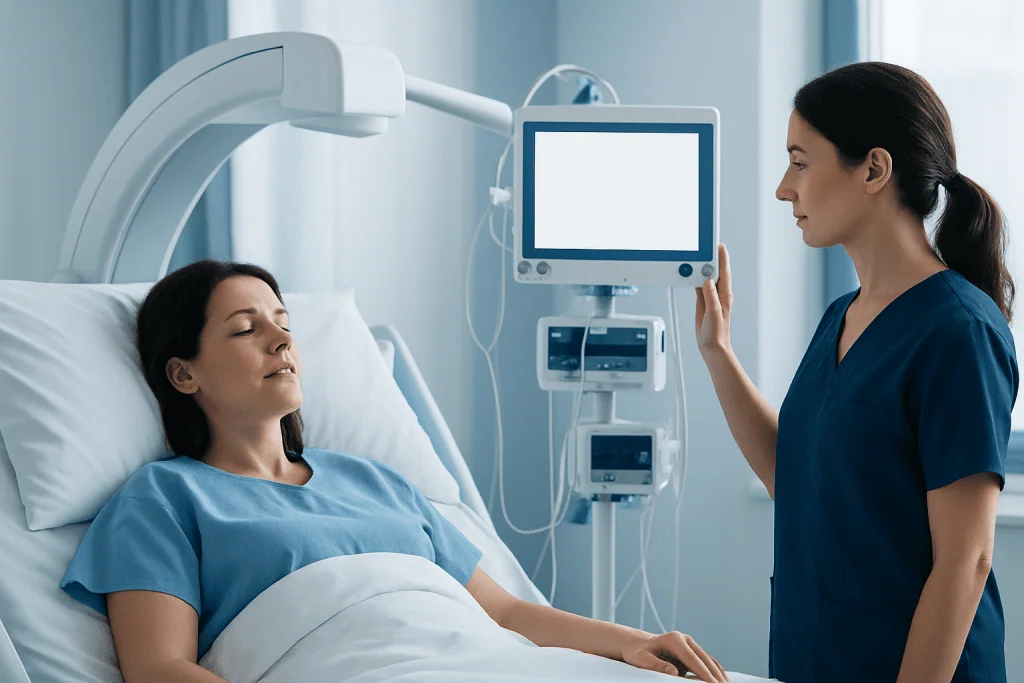
After cerebral aneurysm coiling, patients are taken to a recovery area or intensive monitoring unit, where nurses and doctors check blood pressure, alertness, movement, speech, and the catheter insertion site. This close observation is important because the first hours after treatment can provide early signs of how the body is responding. Some patients stay flat in bed for a period of time, especially if the catheter entered through the groin.
For an unruptured aneurysm, the hospital stay is often short, sometimes about one to two days if recovery is uncomplicated. If the aneurysm had ruptured, the stay is usually longer because the person may need monitoring for vasospasm, hydrocephalus, electrolyte changes, or other effects of subarachnoid hemorrhage. In these situations, recovery reflects both the coiling procedure and the brain’s healing after bleeding.
It is common to feel tired, groggy, or mildly nauseated from sedation or anesthesia. A small bruise, tenderness, or swelling at the wrist or groin can happen where the catheter was inserted. Mild headache may also occur. Before discharge, the care team usually reviews medicines, wound care, activity limits, warning signs, and plans for follow-up imaging after cerebral aneurysm embolization.
Common symptoms during recovery

Many people want to know which symptoms are normal during cerebral aneurysm coiling recovery. Mild fatigue is one of the most common complaints and may last days to several weeks. Some patients notice trouble concentrating, lower stamina, or the need for more sleep than usual. These symptoms often improve gradually with rest, hydration, and a slow return to activity.
Headache can also occur after treatment, especially in the early recovery period. The headache is often mild to moderate, but the doctor should be informed if it becomes severe, sudden, or different from what was expected. Soreness, bruising, or a small lump at the catheter site may happen as well. Patients are generally told to watch the area for increasing pain, redness, warmth, drainage, or swelling.
If the aneurysm ruptured before treatment, recovery symptoms may be broader. A person may experience mood changes, sensitivity to light, short-term memory issues, or weakness related to the original bleed. In some cases, rehabilitation, cognitive support, or ongoing neurologic care is needed. This is one reason why healing after cerebral aneurysm treatment can vary significantly between individuals.
- Common early symptoms: fatigue, mild headache, nausea, bruising, and tenderness at the insertion site
- Sometimes reported: constipation from reduced activity or medicines, poor appetite, and sleep disruption
- Less expected symptoms that should be discussed: worsening headache, increasing confusion, fainting, new numbness, or fever
Activity limits and returning to daily life
Returning to daily activities should be gradual. Many patients can walk and do light tasks soon after going home, but they are often advised to avoid strenuous exercise, heavy lifting, and intense pushing or pulling for a period recommended by their doctor. This helps protect the puncture site and reduces the risk of bleeding. If the catheter was placed in the groin, climbing many stairs or straining may be restricted at first.
Driving is usually delayed until the medical team says it is safe. The timing depends on symptoms, medicines, seizure risk, and whether the aneurysm had ruptured. Work can also resume at different times depending on the person’s recovery and the physical or mental demands of the job. A desk-based role may be easier to return to earlier than work involving physical labor, long hours, or high stress.
Patients are commonly told to avoid baths, hot tubs, and swimming until the puncture site has healed, although showers may be allowed sooner. Alcohol, smoking, and dehydration can interfere with recovery and are best limited or avoided based on medical advice. The care team may also provide specific instructions if the person is taking blood-thinning or antiplatelet medicines after endovascular treatment such as interventional neuroradiology procedures.
A helpful approach is to increase activity little by little, pausing if dizziness, headache, or unusual fatigue develops. Family support can make the first one to two weeks easier, especially if the person needs help with transportation, meals, or medication reminders. It is often better to recover steadily than to try to return to full speed too quickly.
Medicines, self-care, and follow-up imaging
Medicines after coiling vary from person to person. Some patients may need pain relief for headache or insertion-site discomfort. Others may be prescribed antiplatelet medicines, especially if a stent or flow-related device was used as part of treatment. It is important to take medicines exactly as directed and not stop them without medical advice, because doing so may increase the risk of clotting or other complications.
Self-care at home usually includes resting, drinking enough fluids unless otherwise advised, eating light nutritious meals, and preventing constipation by staying mobile and discussing safe options with the care team. The puncture site should be kept clean and dry according to discharge instructions. Blood pressure control, smoking cessation, and ongoing management of vascular risk factors are also important for long-term brain and blood vessel health.
Follow-up imaging is a central part of cerebral aneurysm coiling recovery. Coils can successfully seal an aneurysm, but doctors still need to confirm that the aneurysm remains closed over time. Follow-up may involve magnetic resonance angiography, CT angiography, or catheter angiography, depending on the case. The timing varies, but imaging is often scheduled months after treatment and then at intervals recommended by the specialist.
These appointments are not just routine paperwork. They help doctors detect recanalization, coil compaction, or changes that might require further observation or another procedure. For some patients, long-term surveillance continues for years. This monitoring is part of safe care after brain aneurysm treatment.
Possible complications and warning signs
Most patients recover without major problems, but it is still important to know when symptoms may signal a complication. A very severe or sudden headache, new weakness, trouble speaking, facial droop, loss of vision, confusion, seizure, or fainting should be treated as an emergency. These symptoms can point to bleeding, stroke, vessel spasm, or another urgent neurologic issue.
Problems can also develop at the catheter insertion site. Medical attention is needed if there is rapid swelling, active bleeding, coolness or color change in the limb, or severe pain around the puncture area. Fever, increasing redness, or drainage may suggest infection and should be reported promptly. Chest pain or shortness of breath also requires urgent evaluation.
Patients recovering after a ruptured aneurysm need especially careful follow-up because complications can relate to the original hemorrhage as well as the procedure itself. In some cases, specialists may continue to monitor for issues related to subarachnoid hemorrhage, including delayed narrowing of blood vessels or changes in fluid circulation around the brain.
When to see a doctor and longer-term outlook
Patients should contact their doctor if they have worsening headache, persistent vomiting, increasing drowsiness, trouble taking medicines, or any concern about the insertion site. It is also sensible to check in if fatigue is not slowly improving, if mood or memory changes interfere with daily life, or if blood pressure is difficult to control. Even symptoms that turn out to be minor are worth discussing when the brain’s blood vessels are involved.
The long-term outlook after cerebral aneurysm coiling is often good, especially when an unruptured aneurysm is treated successfully and recovery is uncomplicated. Some people feel close to normal within days or weeks, while others need more time to rebuild stamina and confidence. Recovery after a ruptured aneurysm is often more complex, and rehabilitation may be part of the healing process.
Regular neurologic follow-up remains important even after a patient feels well. Imaging, medication review, and risk-factor management all help support lasting results. Near the end of recovery planning, some international patients may seek care at centers such as Acibadem International, where multidisciplinary specialists in JCI-accredited hospitals diagnose and treat cerebrovascular conditions and provide follow-up guidance for patients traveling from abroad.
In practical terms, the best recovery plan is one that is individualized. Following discharge instructions, keeping scheduled appointments, and asking questions early can help patients recover more safely and with greater peace of mind.
Frequently asked questions
How long is the hospital stay after cerebral aneurysm coiling?
The hospital stay is often short for an unruptured aneurysm if recovery is uncomplicated, sometimes around one to two days. A longer stay is common if the aneurysm ruptured before treatment or if closer neurologic monitoring is needed.
How long does it take to recover from aneurysm coiling?
Recovery time varies depending on overall health, the aneurysm’s location, and whether there was bleeding before treatment. Some people feel much better within days to a few weeks, while others, especially after a rupture, may need a longer period of recovery and rehabilitation.
What activities should be avoided after cerebral aneurysm coiling?
Patients are usually advised to avoid heavy lifting, strenuous exercise, and activities that could strain the catheter insertion site until their doctor says it is safe. Driving, swimming, and soaking in a bath may also be restricted for a period based on the individual recovery plan.
Is headache normal after aneurysm coiling?
A mild headache can be common in the early recovery period and may improve with rest and prescribed medicines. However, a sudden, severe, or worsening headache should be assessed urgently because it may signal a complication.
Why is follow-up imaging needed after coiling?
Follow-up imaging helps confirm that the aneurysm remains sealed and that blood flow is stable over time. It can also show whether the aneurysm has changed in a way that needs continued observation or additional treatment.
When should someone seek emergency care after going home?
Emergency care is needed for symptoms such as sudden severe headache, new weakness, speech trouble, confusion, seizure, fainting, or heavy bleeding from the catheter site. Chest pain, shortness of breath, or major swelling at the puncture area also need urgent evaluation.
References
- American Heart Association
- National Institute of Neurological Disorders and Stroke
- Society of NeuroInterventional Surgery
- Brain Aneurysm Foundation
This article is for general information only and is not a substitute for professional medical advice. Please consult a qualified doctor about your individual situation.
Explore treatments in Turkey — costs, top hospitals & a free quote
JCI-accredited · board-certified surgeons · reply within 24h
Add us as a Preferred Source to see more of our trusted health content across Google Search, AI Overviews and Discover.
Check your numbers in seconds
BMI, calories, due date, blood pressure and 30+ more clinical calculators — free, instant, doctor-reviewed ranges.