Radiation Sickness Symptoms Explained: Common Triggers and Red Flags

Radiation sickness most often happens after a large radiation dose received in a short period of time. Early radiation sickness symptoms can include nausea, vomiting, diarrhea, fatigue, headache, and skin redness.
Key Takeaways
- Radiation sickness most often happens after a large radiation dose received in a short period of time.
- Early radiation sickness symptoms can include nausea, vomiting, diarrhea, fatigue, headache, and skin redness.
- Symptoms may appear in phases, with an early illness followed by a brief period of improvement before more serious problems develop.
- Medical evaluation is important after known or suspected high-dose radiation exposure, even if symptoms seem mild at first.
- Routine medical imaging such as X-rays and CT scans does not usually cause radiation sickness.
Radiation sickness symptoms usually appear after significant exposure to a high dose of radiation over a short time. Early symptoms often include nausea, vomiting, weakness, and skin changes, but the pattern depends on how much radiation was absorbed and which parts of the body were exposed.
Overview: What radiation sickness symptoms mean
Radiation sickness symptoms are the body’s response to a large dose of ionizing radiation received over a short period of time. Doctors often call this acute radiation syndrome. It is different from long-term health effects of lower radiation exposure, and it is also different from side effects that may happen during planned medical radiation therapy.
The most common early symptoms are nausea, vomiting, fatigue, weakness, and loss of appetite. Some people also develop diarrhea, headache, dizziness, or skin redness. These symptoms do not confirm radiation sickness on their own, because they can happen with many illnesses, but they raise concern when they follow a known or possible radiation exposure event.
Radiation sickness is uncommon in everyday life. It is usually linked to industrial or laboratory accidents, major nuclear incidents, or certain emergency situations. The level of risk depends on the radiation dose, the length of exposure, the distance from the source, and whether the whole body or only one area was exposed.
How symptoms can appear over time
One feature that makes radiation sickness different from many common illnesses is that symptoms may develop in stages. In the first stage, often called the prodromal phase, a person may feel sick within minutes to days after exposure. Nausea, vomiting, fatigue, and a general feeling of being unwell are common during this period.
After the early phase, there may be a temporary period when the person feels somewhat better. This can be misleading. During this so-called latent phase, damage may still be developing inside the body, especially in tissues that renew quickly, such as the bone marrow and digestive tract.
Later symptoms depend on the radiation dose and the affected organs. Problems may include infection, unusual bleeding, mouth sores, worsening diarrhea, dehydration, or severe weakness. The timing matters: symptoms that begin very quickly after exposure may suggest a higher dose and a more urgent medical situation.
- Within hours: nausea, vomiting, headache, fatigue
- Within days: diarrhea, skin redness, poor appetite, weakness
- Later: fever, infections, bruising, bleeding, hair loss, low blood counts
Common radiation sickness symptoms by body system
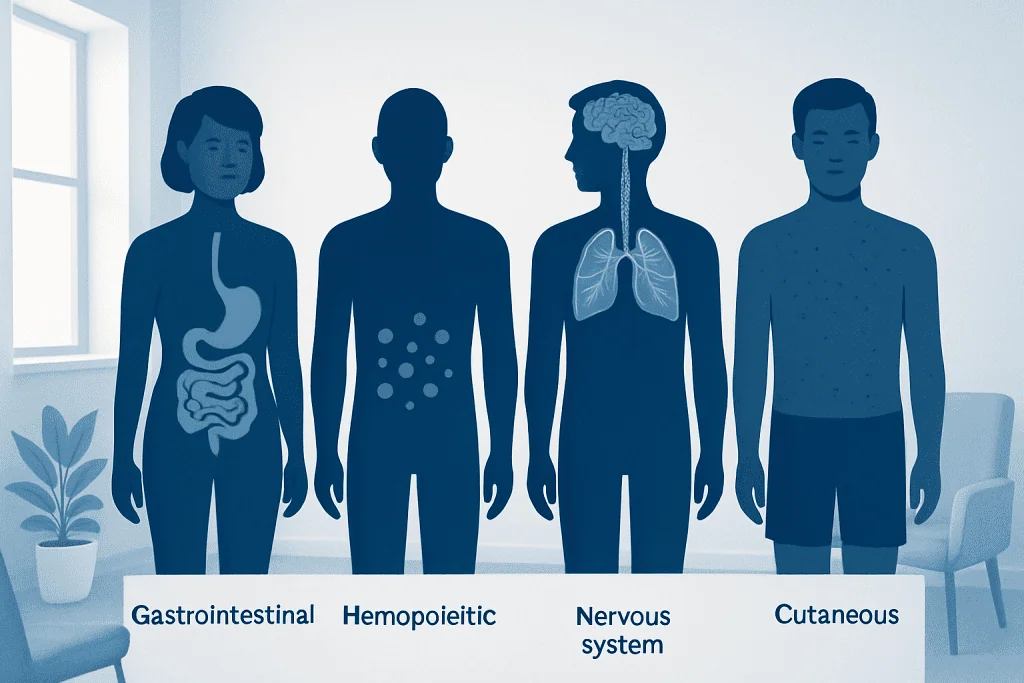
Radiation can affect several organ systems, which is why radiation sickness symptoms may seem broad at first. The digestive system is often affected early. Nausea, vomiting, abdominal discomfort, and diarrhea are common because the lining of the gut is sensitive to high-dose radiation.
The blood and immune systems may become affected as bone marrow function declines. This can lead to low white blood cells, anemia, and low platelets. A person may then develop fever, repeated infections, tiredness, easy bruising, bleeding gums, or nosebleeds. In some cases, doctors may evaluate related blood disorders such as leukopenia when white blood cell counts fall.
The skin can also show signs of exposure, especially if radiation was focused on one area. Redness, warmth, swelling, itching, tenderness, or blistering may appear. Hair loss can occur in exposed areas. With more severe exposure, symptoms involving the nervous system, such as confusion or reduced alertness, can happen, but these are associated with very high doses and require emergency care.
Triggers and situations that can cause radiation sickness
Radiation sickness does not occur from ordinary background radiation or from being near someone who has had a routine imaging test. It typically requires a substantial dose of ionizing radiation delivered over a short time. This may happen after a serious industrial accident, a nuclear facility incident, mishandling of radioactive materials, or a major emergency involving radiation release.
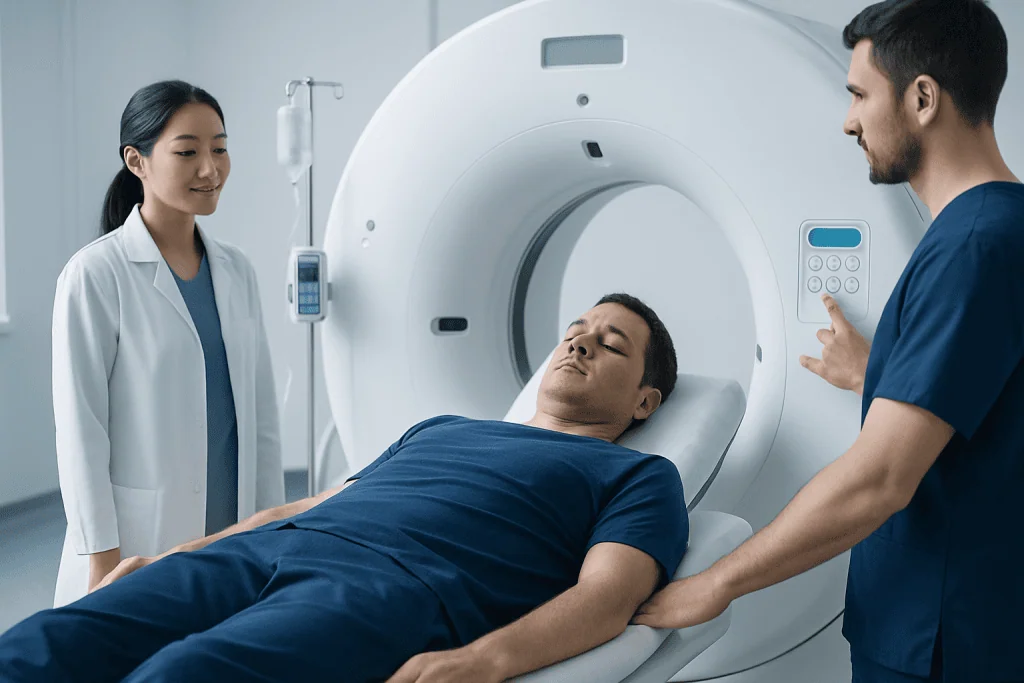
Medical exposure is a frequent source of confusion. Standard diagnostic imaging, including X-rays and CT scans, is carefully controlled and does not usually cause radiation sickness. Planned cancer treatment with radiation therapy can cause localized side effects in treated tissues, but that is not the same as whole-body acute radiation syndrome.
Risk also depends on how exposure happened. Whole-body exposure is more likely to cause widespread illness, while localized exposure may mainly injure the skin or tissue in one region. Internal contamination, such as swallowing or inhaling radioactive material, can create a different pattern of symptoms and may need specialized evaluation.
How doctors diagnose radiation sickness
Diagnosis begins with the history of exposure. Doctors ask when the exposure may have happened, how long it lasted, whether the entire body was exposed, and how quickly symptoms began. The timing of vomiting and other early symptoms can help clinicians estimate how serious the exposure may be.
Blood tests are especially important. Repeated complete blood counts can show changes in white blood cells, red blood cells, and platelets over time. These trends help doctors assess bone marrow injury and monitor complications such as infection or bleeding. In some patients, the pattern may overlap with conditions involving anemia or low immune defenses, so laboratory follow-up is essential.
Additional tests may include skin assessment, contamination checks, and organ-specific evaluation depending on symptoms. If the exposure source is known, specialists in radiation medicine, emergency care, and toxicology may work together. In complex cases, advanced supportive care may be provided in hospitals with multidisciplinary teams, including centers such as Acibadem International that care for international patients in JCI-accredited hospitals.
Treatment options and supportive care
Treatment depends on the radiation dose, the symptoms, and whether external exposure, contamination, or both are involved. The first steps are safety, removal from the radiation source, and decontamination when needed. This may include taking off contaminated clothing and washing exposed skin under medical guidance.
Supportive care is the main part of treatment for many patients. Doctors may give intravenous fluids, medicines to control nausea and pain, antibiotics if infection is suspected, and blood products if bleeding or severe low blood counts develop. Close monitoring helps detect complications early. If bone marrow injury is significant, specialists may consider treatments that support blood cell recovery.
Some people need highly specialized treatment depending on the pattern of injury. Skin damage may require wound care, while severe blood or immune suppression may require advanced hematology support, sometimes including bone marrow transplantation in selected situations. Because radiation exposure can affect several systems at once, treatment is usually coordinated by emergency medicine, oncology, hematology, and other specialists as needed.
Prevention, self-care, and what not to worry about
Prevention focuses on limiting unnecessary exposure and following radiation safety procedures in workplaces, laboratories, and medical settings. Time, distance, and shielding are the core principles: spending less time near a source, increasing distance, and using proper protective barriers all reduce exposure risk.
For the general public, it is reassuring to know that everyday sources of radiation are not expected to cause radiation sickness. Air travel, airport screening, dental X-rays, and standard imaging tests do not produce the kind of high, sudden exposure that causes acute radiation syndrome. People receiving medical imaging should still tell their doctor about prior imaging and ask questions if they have concerns, but routine tests remain within controlled safety standards.
If a person believes they may have been exposed during an accident or emergency, self-care should focus on following official instructions, leaving the area if advised, removing outer clothing, and seeking prompt medical assessment. Home remedies cannot treat radiation sickness. It is best not to delay evaluation while waiting to see whether symptoms pass on their own.
When to seek medical care
Medical care should be sought immediately after known or suspected high-dose radiation exposure, even if symptoms are mild at first. Early nausea, vomiting, weakness, skin burns without a clear heat source, or sudden diarrhea after a radiation-related incident all deserve urgent attention. Quick assessment helps doctors estimate exposure and begin supportive treatment if needed.
Emergency care is especially important if symptoms are severe or progressive. Red flags include repeated vomiting, confusion, fever, shortness of breath, bleeding, dehydration, worsening skin injury, or signs of infection. People who were near an industrial radiation source, a serious nuclear event, or improperly handled radioactive material should not wait for symptoms to become obvious.
It can also be helpful to bring details about the possible exposure, such as the time, place, duration, and source if known. This information may guide testing and treatment decisions. Patients with ongoing complications related to blood counts or tissue injury may later need care from specialists in oncology, hematology, or supportive medicine, including treatment of related conditions such as lymphoma when clinically relevant but separate from the radiation event itself.
Frequently asked questions
What are the first radiation sickness symptoms?
Early radiation sickness symptoms often include nausea, vomiting, fatigue, weakness, and loss of appetite. Some people may also develop headache, dizziness, or diarrhea, especially after a significant exposure.
How soon do radiation sickness symptoms start?
Symptoms can begin within minutes, hours, or days depending on the dose. In general, symptoms that start very soon after exposure may suggest a higher dose and need urgent medical attention.
Can a CT scan or X-ray cause radiation sickness?
Routine medical imaging such as CT scans and X-rays does not usually cause radiation sickness. These tests use controlled doses that are very different from the large, sudden exposures linked to acute radiation syndrome.
Is radiation sickness the same as side effects from cancer radiation treatment?
No. Radiation sickness usually refers to whole-body or major high-dose exposure over a short time. Side effects from cancer treatment are usually limited to the treated area and are managed in a planned medical setting.
Can radiation sickness happen without skin burns?
Yes. A person can have radiation sickness even if the skin looks normal at first. Internal organs and bone marrow may be affected before visible skin changes appear.
What should someone do after possible radiation exposure?
They should move away from the source if possible, follow emergency instructions, and seek medical care promptly. Removing outer clothing and washing exposed skin may help if contamination is suspected, but medical guidance is important.
References
- World Health Organization
- Centers for Disease Control and Prevention
- International Atomic Energy Agency
- Merck Manual Professional Edition
- National Cancer Institute
This article is for general information only and is not a substitute for professional medical advice. Please consult a qualified doctor about your individual situation.
Persistent digestive symptoms? Get evaluated in Turkey
JCI-accredited · board-certified surgeons · reply within 24h
Add us as a Preferred Source to see more of our trusted health content across Google Search, AI Overviews and Discover.

More from the Health Library



Related Specialists

Fzt. Gizem Sevimli
Physical Medicine & Rehabilitation
Dr. Ömercan Yağız Öksüz
Aesthetic Plastic & Reconstructive Surgery
Prof. Dr. Burak Çıtamak
Urology
Assoc. Prof. Dr. Özge Vural Topuz
Nuclear Medicine