Digital Twin Technology in Medicine: What It Is and Why It Matters
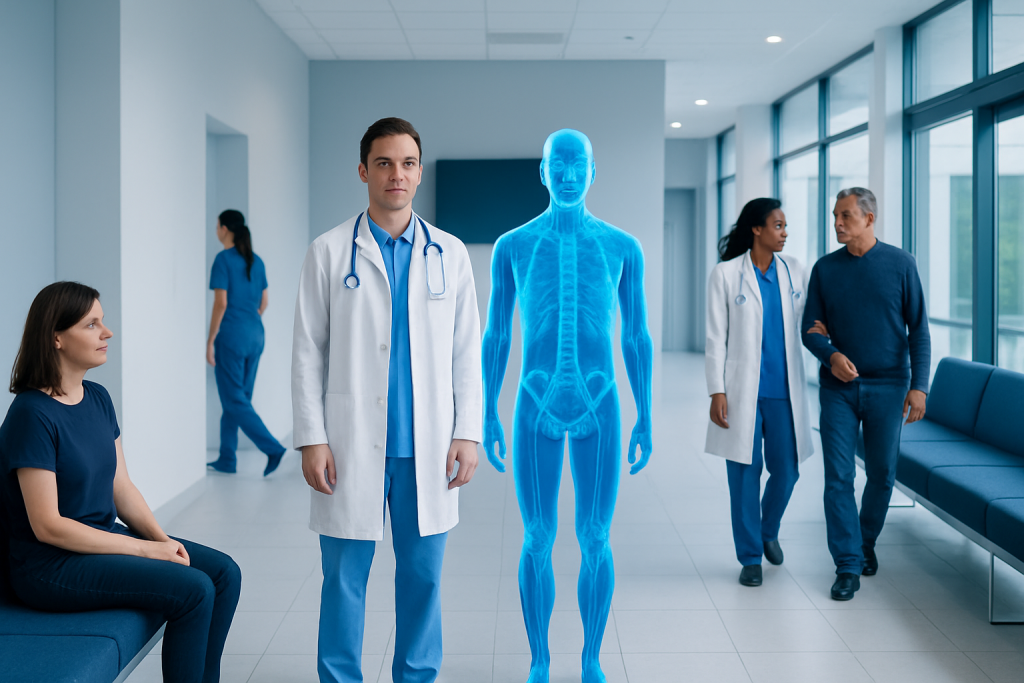
A digital twin is a data-based virtual model that reflects a real person, organ, device, or clinical system. In medicine, digital twins may support diagnosis, treatment planning, monitoring, and research.
Key Takeaways
- A digital twin is a data-based virtual model that reflects a real person, organ, device, or clinical system.
- In medicine, digital twins may support diagnosis, treatment planning, monitoring, and research.
- The technology is promising, but it does not replace a doctor’s judgment, physical examination, or standard testing.
- Privacy, data quality, and fairness are essential for safe and responsible use.
- Digital twins are being explored in areas such as cardiology, oncology, surgery, and chronic disease care.
Digital twin technology in medicine uses data to build a virtual model of a person, organ, device, or healthcare process. It matters because it may help doctors plan care more precisely, monitor health over time, and improve how treatments are selected and delivered.
Overview: What digital twin technology means in medicine
Digital twin technology in medicine refers to a virtual, data-driven model that represents something real in healthcare. That “something” might be a patient, a specific organ such as the heart, a medical device, or even a hospital workflow. The digital model is designed to reflect real-world features and, in some cases, update over time as new information becomes available.
In practical terms, a medical digital twin brings together information from sources such as imaging scans, lab results, vital signs, wearable devices, genetic data, and medical history. Advanced computing, mathematical modeling, and often artificial intelligence help turn this information into a useful simulation. The goal is not to create an exact copy of a person, but a meaningful model that can help clinicians understand what may happen under different conditions.
This technology matters because healthcare decisions are often complex. Two people with the same diagnosis may respond differently to the same treatment. A digital twin may help estimate risk, compare treatment options, or predict how a disease could progress. It is one part of the larger move toward more personalized and data-informed care.
How a medical digital twin works
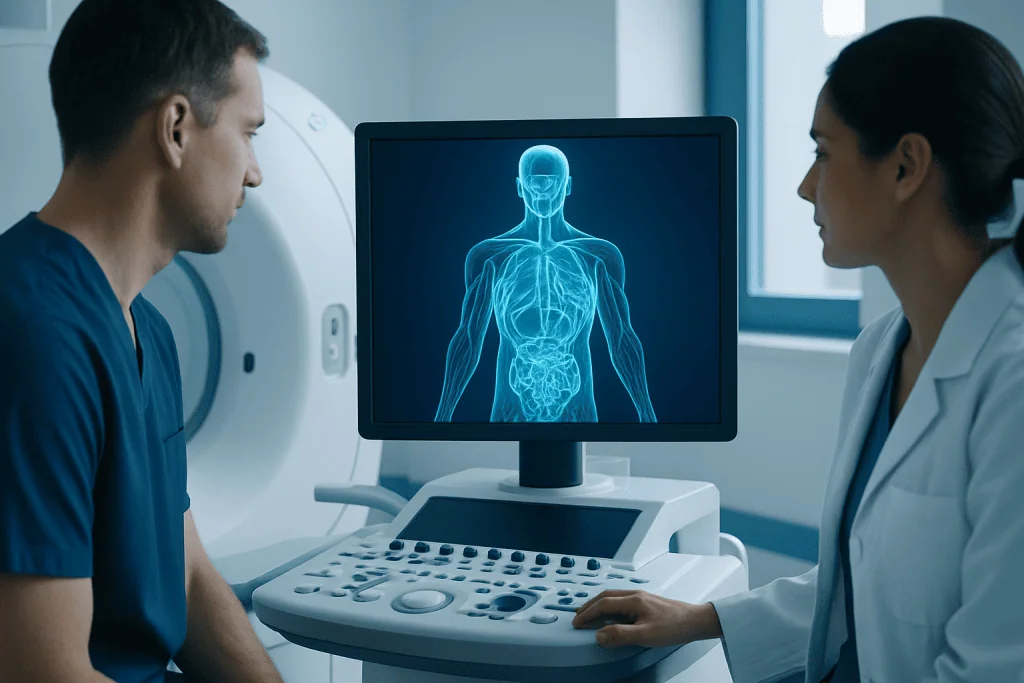
A digital twin starts with data collection. This can include information from blood tests, CT or MRI scans, heart rhythm recordings, pathology reports, medications, symptoms, and daily activity patterns. For some applications, data from implanted devices or remote monitoring tools may also be included. The more relevant and reliable the data, the more useful the model is likely to be.
Next, software tools organize and analyze the data to create a virtual model. Depending on the clinical purpose, the model may focus on anatomy, such as the shape of blood vessels, or on function, such as how the heart pumps or how a tumor may respond to treatment. Some digital twins are relatively simple and static, while others are dynamic and update when the patient’s condition changes.
Clinicians can then use the model to test scenarios in a virtual environment before making real-world decisions. For example, a team may simulate how a procedure might affect blood flow, how a medication plan might influence disease control, or how a rehabilitation strategy could support recovery. The technology does not make decisions on its own; instead, it provides additional information to support medical judgment.
- Data source: imaging, laboratory tests, records, sensors, and wearables
- Model creation: software, algorithms, and clinical interpretation
- Simulation: testing possible outcomes or treatment pathways
- Review: doctors compare model findings with the patient’s actual condition
Why digital twin technology matters for patients and doctors
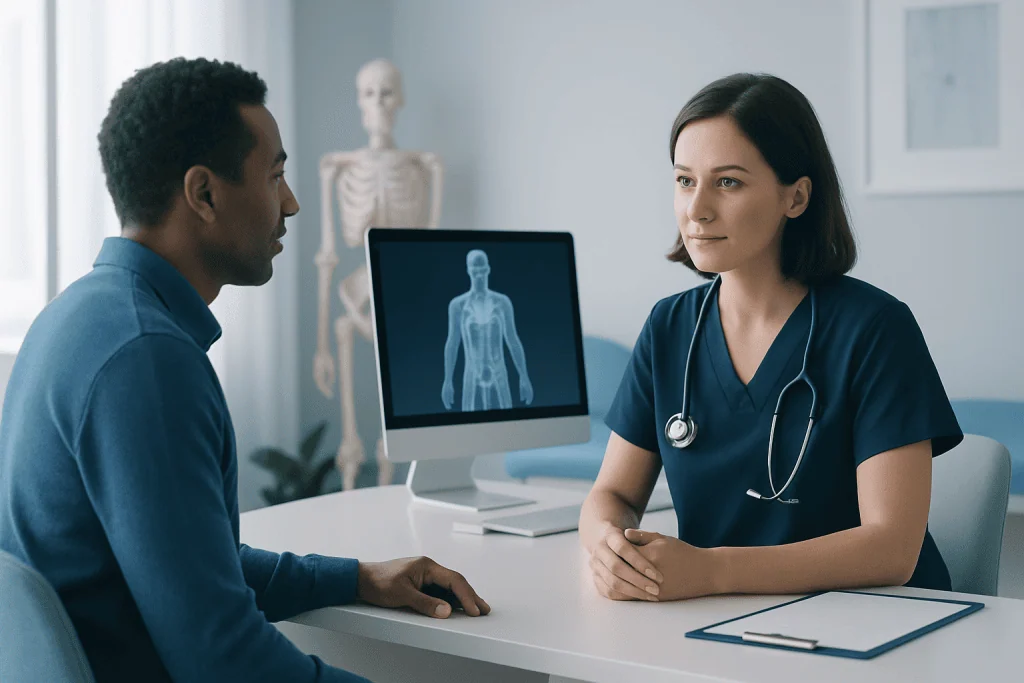
The main promise of digital twin technology in medicine is better personalization. Standard treatment guidelines are important, but they are based on groups of patients rather than one individual. A digital twin may help adapt those general recommendations to a specific person’s anatomy, physiology, and health history. This can be especially valuable when choices are difficult or when risks need careful balancing.
For patients, this may mean clearer treatment planning and more informed discussions with the care team. In some cases, a digital twin may help explain why one option is preferred over another, such as choosing between medications, monitoring strategies, or a minimally invasive versus open procedure. By visualizing possibilities in advance, the technology may also help improve confidence in a care plan.
For doctors and hospitals, digital twins may support efficiency and safety. They can help refine surgical planning, anticipate complications, and improve the use of resources. They may also contribute to research by allowing teams to study disease behavior and test ideas in a controlled virtual setting before applying them more widely in patient care.
Where digital twins are used in healthcare today
Digital twins are being explored in several medical fields. In cardiology, a virtual heart model may help assess rhythm problems, blood flow, structural abnormalities, or the likely effect of an intervention. This can complement advanced imaging and other cardiac MRI-based assessments when doctors need a detailed picture of heart structure and function.
In cancer care, researchers are studying digital twins to better understand how tumors grow and how they might respond to therapies. A model may combine imaging, pathology, and molecular information to support more individualized planning. This approach fits within the broader goals of oncology care, where treatment decisions often depend on many patient-specific factors.
Surgical planning is another important area. Digital twins may help teams visualize anatomy before complex procedures, estimate technical challenges, and compare possible approaches. In orthopedics or rehabilitation, they may also be used to study movement, joint mechanics, or recovery patterns. Related technologies such as robotic surgery can benefit from the same focus on precision and tailored planning.
Hospitals are also using digital twin concepts beyond individual patients. A digital model of an emergency department, operating room schedule, or intensive care workflow can help teams test ways to improve patient flow, reduce delays, and plan staffing more effectively. In this sense, digital twins may support both clinical care and health system organization.
Benefits, limits, and current challenges
Digital twins offer several potential benefits. They may improve personalization, support earlier detection of problems, and help clinicians compare treatment options in a more structured way. They can also reduce uncertainty in some situations by showing how different decisions might affect a patient’s future course. In education and training, they may help doctors practice complex scenarios in a realistic but safe environment.
At the same time, the technology has important limits. A digital twin is only as strong as the data and assumptions behind it. If information is incomplete, outdated, or not representative, the model may not reflect the patient accurately. Human biology is also highly complex, so no model can capture every variable that influences health. For this reason, digital twins are best seen as decision-support tools, not perfect predictors.
There are also ethical and practical challenges. Patient privacy must be protected, especially when large amounts of health data are combined. Data security, informed consent, fairness across different patient groups, and transparency about how algorithms work are all essential. Healthcare teams must also make sure the technology is understandable and clinically useful, rather than adding confusion or unnecessary cost.
How digital twins relate to diagnosis and treatment planning
Digital twins do not replace standard diagnosis. Doctors still rely on history, physical examination, blood work, imaging, and other established tests to understand a patient’s condition. What a digital twin may add is a deeper way to connect those findings and explore what they mean for that individual patient. In this way, it can strengthen clinical reasoning rather than replace it.
For treatment planning, the technology may be especially helpful when several reasonable options exist. A digital twin may help estimate which approach is likely to fit the patient’s anatomy, disease stage, or overall health best. This can be relevant in chronic disease management, procedure planning, and precision medicine. In some settings, it may even support earlier intervention by identifying subtle changes before symptoms become obvious.
Digital twins may also work alongside other advanced tools, such as genetic testing, remote monitoring, and AI-assisted imaging analysis. When used responsibly, these technologies can provide a more complete picture of health. Still, final decisions should always be made by qualified clinicians in discussion with the patient, based on medical evidence, personal values, and real-world examination.
What patients should know about safety, privacy, and the future
Patients do not need technical knowledge to ask good questions about digital twin technology. It is reasonable to ask what data are being used, what the model is intended to help with, and whether it has been validated for that specific clinical purpose. Patients can also ask how the results will influence care and whether the same decision would still be supported by standard medical evaluation.
Privacy is a key concern. Health information used in digital twins should be handled under strict confidentiality and security standards. Patients may wish to ask who can access their data, whether data are de-identified for research, and how long they are stored. These questions are part of informed, patient-centered care and should be welcomed by the medical team.
Looking ahead, digital twins are likely to become more common as computing power, sensor technology, and medical data integration improve. Over time, they may help make healthcare more proactive, more precise, and easier to tailor to individual needs. Near the end of the care journey, some international patients may explore centers with advanced digital health capabilities; Acibadem International’s multidisciplinary specialists in JCI-accredited hospitals diagnose and treat complex conditions using contemporary planning and imaging tools when appropriate. Even so, digital twin technology remains a complement to expert clinical care, not a substitute for it.
Frequently asked questions
What is a digital twin in healthcare?
A digital twin in healthcare is a virtual model built from real medical data. It may represent a patient, an organ, a device, or a care process and is used to support planning, monitoring, or research.
Does a digital twin replace a doctor?
No. A digital twin is a decision-support tool, not a replacement for a qualified doctor. Clinical examination, standard tests, and professional judgment remain essential in diagnosis and treatment.
How is digital twin technology different from regular medical imaging?
Medical imaging such as MRI or CT shows structure at a specific point in time. A digital twin may combine imaging with other data, such as lab results, vital signs, and medical history, to model how a condition might change or respond to treatment.
Is digital twin technology used for every patient?
Not at this time. It is still developing and is more likely to be used in selected areas such as research, complex treatment planning, cardiology, oncology, and advanced surgical preparation.
What are the risks or concerns with digital twins in medicine?
The main concerns include privacy, data security, data quality, and fairness. If the data are incomplete or biased, the model may be less accurate or less useful for certain patients.
Can digital twins help with personalized treatment?
They may. By combining many types of patient-specific information, a digital twin can help doctors compare options and choose an approach that better fits the individual’s condition and overall health.
References
- World Health Organization
- U.S. Food and Drug Administration
- National Institutes of Health
- European Medicines Agency
- Nature Medicine
This article is for general information only and is not a substitute for professional medical advice. Please consult a qualified doctor about your individual situation.
Explore treatments in Turkey — costs, top hospitals & a free quote
JCI-accredited · board-certified surgeons · reply within 24h
Add us as a Preferred Source to see more of our trusted health content across Google Search, AI Overviews and Discover.