Clinical Neuropsychology Explained: How It Differs From Neurology and Psychiatry

Clinical neuropsychology focuses on how brain health affects cognition, emotion, and daily functioning. Neurology mainly diagnoses and treats disorders of the brain, spinal cord, and nerves.
Key Takeaways
- Clinical neuropsychology focuses on how brain health affects cognition, emotion, and daily functioning.
- Neurology mainly diagnoses and treats disorders of the brain, spinal cord, and nerves.
- Psychiatry focuses on mental health conditions, mood, behavior, and emotional well-being.
- Neuropsychologists use detailed testing to evaluate memory, attention, language, problem-solving, and other thinking skills.
- These specialties often work together to provide a fuller understanding of a person’s symptoms and care needs.
Clinical neuropsychology is a specialty that studies how brain function relates to thinking, emotions, and behavior. It helps explain how it differs from neurology and psychiatry, and when a person may benefit from a neuropsychological assessment.
Overview: What Clinical Neuropsychology Means
Clinical neuropsychology is a specialized field that examines how the brain influences thinking, memory, attention, language, emotions, and behavior. It combines knowledge from psychology, neuroscience, and medicine to understand how changes in brain function can affect daily life. Rather than focusing only on symptoms, it looks at patterns of strengths and difficulties in a person’s cognitive and emotional functioning.
A clinical neuropsychologist is a psychologist with advanced training in brain-behavior relationships. This specialist does not perform brain surgery or prescribe medication in most settings. Instead, the role often involves detailed interviews, standardized cognitive testing, interpretation of results, and practical recommendations for patients, families, schools, or employers.
Clinical neuropsychology can be helpful for children, adults, and older adults. It may be used when there are concerns about memory changes, attention problems, learning difficulties, the effects of stroke or head injury, or changes linked to neurological illness. It can also help clarify whether symptoms are more likely related to a brain condition, a mental health issue, or a combination of both.
How Clinical Neuropsychology Differs From Neurology and Psychiatry
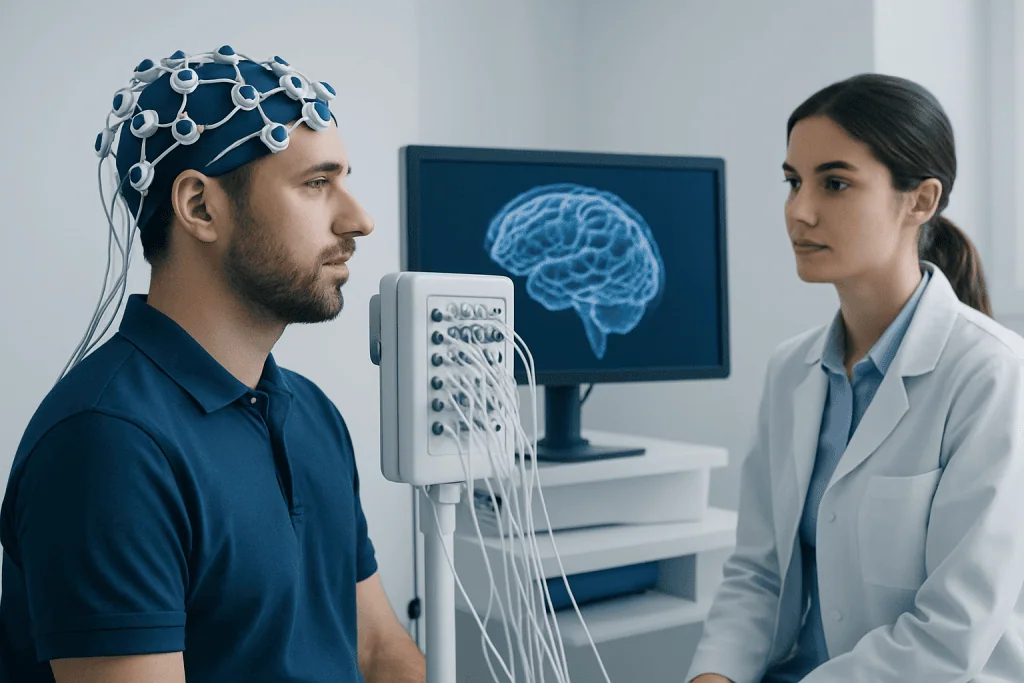
Although these fields overlap, they are not the same. Neurology is a medical specialty focused on disorders of the brain, spinal cord, and nerves. Neurologists are medical doctors who diagnose and treat conditions such as epilepsy, stroke, Parkinson’s disease, neuropathy, multiple sclerosis, and some causes of memory loss. They often use medical history, neurological examination, imaging, and laboratory tests to identify disease.
Psychiatry is also a medical specialty, but its main focus is mental health. Psychiatrists diagnose and treat conditions such as depression, anxiety disorders, bipolar disorder, schizophrenia, trauma-related disorders, and substance use disorders. They assess mood, thought processes, behavior, and functioning, and they may use psychotherapy, medication, or a combination of treatments.
Clinical neuropsychology sits at the point where brain function and behavior meet. A neuropsychologist studies how medical, neurological, developmental, or psychiatric conditions affect cognitive abilities and everyday skills. For example, if a person reports forgetfulness, trouble concentrating, or personality change, neuropsychological testing can help determine whether the pattern suggests normal aging, stress, depression, attention problems, dementia, or another brain-related issue.
In practice, these specialists often collaborate closely. A neurologist may diagnose a disorder, a psychiatrist may treat emotional or behavioral symptoms, and a neuropsychologist may define the person’s cognitive profile and functional needs. This team approach can be especially valuable in complex situations involving both brain and mental health symptoms.
What Clinical Neuropsychologists Evaluate

Neuropsychological evaluation is designed to measure different aspects of brain-related functioning in a structured way. The exact areas tested depend on the reason for referral, age, education, language, and medical background. The goal is not simply to label a problem, but to understand which abilities are working well and which may need support.
Common areas assessed include:
- Attention and concentration
- Learning and memory
- Language and communication
- Processing speed
- Planning, organization, and problem-solving
- Visual-spatial skills
- Academic skills in children and adolescents
- Mood, anxiety, and behavioral functioning
The findings can help answer important real-life questions. These may include whether a child has a learning disorder, whether a concussion is still affecting school or work, whether memory complaints fit with dementia or depression, or how a brain condition is affecting independent living. Recommendations may cover rehabilitation, school accommodations, therapy, safety, work adjustments, or follow-up medical care.
Neuropsychological assessment is often part of a broader diagnostic process. Depending on the situation, it may complement a neurological examination, brain imaging, blood tests, psychiatric evaluation, speech-language assessment, or rehabilitation planning.
When a Neuropsychological Assessment May Be Helpful
A neuropsychological assessment may be recommended when a person has changes in memory, focus, language, judgment, behavior, or learning that are affecting daily life. Sometimes symptoms appear gradually, and sometimes they follow a clear event such as a head injury, stroke, infection, or medical illness. In other cases, the purpose is to establish a baseline before treatment or to track changes over time.
Common reasons for referral include concerns related to attention-deficit/hyperactivity disorder, autism spectrum disorder, learning difficulties, epilepsy, traumatic brain injury, stroke, brain tumors, multiple sclerosis, dementia, or Parkinson’s disease. It may also be useful when emotional symptoms and cognitive symptoms overlap, such as in depression, anxiety, sleep problems, or prolonged stress.
Children may be referred because of school struggles, delayed development, or concerns about attention and behavior. Adults may seek evaluation for work-related difficulties, lingering concussion symptoms, or questions about decision-making capacity. Older adults are often evaluated when family members notice forgetfulness, repeated questions, getting lost, or a decline in managing medications or finances.
A referral does not automatically mean a serious disease is present. In many cases, testing helps rule out major neurological illness, identifies treatable contributors, or reassures the patient by clarifying what the symptoms do and do not suggest.
What Happens During Neuropsychological Testing
Neuropsychological assessment usually begins with a detailed interview. The clinician asks about current symptoms, medical history, medications, education, language background, mood, sleep, and day-to-day functioning. Family input may also be helpful, especially when there are concerns about memory or behavior changes.
The testing itself involves a series of standardized tasks, usually done with paper-and-pencil activities, spoken questions, problem-solving exercises, or computer-based measures. Some tasks may seem simple, while others are more challenging. The purpose is to compare performance across different thinking skills in a reliable and structured way. Testing length varies, but it often takes several hours and may be completed in one or more sessions.
Results are interpreted in context. Age, education, cultural background, language, sensory limitations, fatigue, and mood can all affect performance. For that reason, a neuropsychological report does more than list scores. It explains the meaning of the findings, outlines possible diagnoses or contributing factors, and provides tailored recommendations.
In some cases, testing is combined with other evaluations. A person with seizures may also need electroencephalography testing, while someone with memory concerns may need brain MRI or a consultation in neurology care. If symptoms raise concern about conditions such as Alzheimer’s disease, the neuropsychological profile can help guide further medical assessment.
How the Three Specialties Work Together in Patient Care
Clinical neuropsychology, neurology, and psychiatry are often most effective when used together rather than viewed as competing fields. Many symptoms do not fit neatly into a single category. For example, poor concentration may be related to sleep deprivation, anxiety, medication effects, a seizure disorder, depression, concussion, or early neurodegenerative change. Looking at the whole picture can prevent oversimplification.
A neurologist may identify whether a brain or nerve disorder is present. A psychiatrist may assess emotional distress, trauma, mood symptoms, or thought disorders and recommend treatment. A neuropsychologist may clarify how these issues affect attention, memory, decision-making, language, and daily functioning. Together, these perspectives can help explain why symptoms are happening and what support is likely to help most.
This collaboration is particularly important in conditions where both emotional and cognitive changes occur. Examples include traumatic brain injury, epilepsy, dementia, stroke recovery, chronic pain, and some developmental disorders. Neuropsychological findings can also help guide rehabilitation goals and measure improvement over time.
Near the end of the care pathway, some patients also benefit from a multidisciplinary center that brings these specialties together. Acibadem International’s multidisciplinary specialists and JCI-accredited hospitals diagnose and treat neurological, psychiatric, and neuropsychological conditions for international patients when coordinated evaluation is needed.
Benefits, Limits, and Common Misunderstandings
One benefit of clinical neuropsychology is that it provides a detailed, individualized picture of cognitive functioning. This can improve diagnostic accuracy, support treatment planning, and help families understand what changes are real, what may be treatable, and what practical steps may improve everyday life. It can also document strengths that can be used in rehabilitation or learning support.
At the same time, neuropsychological testing has limits. It does not replace brain imaging, blood work, or a neurological examination when those are needed. It also cannot always identify a single cause with certainty, especially when several factors are present at once, such as medical illness, stress, sleep problems, and medication side effects. Findings are strongest when interpreted alongside other clinical information.
Another common misunderstanding is that neuropsychological testing is only for dementia. In reality, it is used across the lifespan and in many situations, including child development, academic difficulties, concussion, epilepsy, attention disorders, and recovery after illness or injury. It is also not an intelligence test alone; it is a broader evaluation of many brain-related skills.
People may worry that they need to “study” beforehand. Usually, that is not necessary and may even make the results less useful. The best approach is to arrive rested when possible, bring glasses or hearing aids if needed, and be open about symptoms, medications, and daily challenges.
When to Seek Professional Advice
It is sensible to seek medical advice when memory, concentration, language, judgment, or behavior changes are new, worsening, or interfering with work, school, relationships, or independent living. The same is true after a concussion, stroke, seizure, or serious illness if thinking skills do not seem to return to normal. Early assessment can help identify treatable causes and support planning.
Urgent medical attention is important if cognitive or behavioral changes come on suddenly, especially with weakness, numbness, severe headache, confusion, seizures, speech difficulty, vision change, or loss of consciousness. These symptoms may point to a medical emergency and should not wait for routine testing.
For less urgent concerns, a primary care doctor, neurologist, psychiatrist, pediatrician, or rehabilitation specialist can help decide whether a neuropsychological referral is appropriate. Bringing examples of daily difficulties, school reports, or family observations can make the evaluation more useful. Care is most effective when concerns are discussed early and openly with a qualified clinician.
Frequently asked questions
Is a clinical neuropsychologist a medical doctor?
Usually, no. A clinical neuropsychologist is typically a psychologist with advanced training in how brain function affects thinking, emotion, and behavior. Unlike neurologists and psychiatrists, neuropsychologists do not usually prescribe medication, but they play an important role in assessment and care planning.
What is the main difference between neurology and clinical neuropsychology?
Neurology focuses on diagnosing and treating diseases of the brain, spinal cord, and nerves. Clinical neuropsychology focuses on how those conditions affect memory, attention, language, problem-solving, mood, and everyday functioning. The two fields often work closely together.
How is psychiatry different from neuropsychology?
Psychiatry is a medical specialty centered on mental health conditions, emotional symptoms, and behavioral treatment, often including medication. Neuropsychology uses structured testing to understand cognitive strengths and difficulties and how brain function may relate to symptoms. Both may be needed when mental health and cognitive concerns overlap.
Does neuropsychological testing diagnose dementia?
It can help, but it is usually one part of the overall evaluation. Testing can show whether the pattern of memory and thinking changes is consistent with dementia, depression, normal aging, or another cause. A final diagnosis may also require medical history, examination, imaging, and laboratory tests.
How long does a neuropsychological assessment take?
The length varies depending on the reason for referral and the person’s needs. Some evaluations are relatively brief, while others take several hours and may be completed over more than one session. The clinician usually explains the expected format in advance.
Should someone be worried if they are referred for neuropsychological testing?
Not necessarily. A referral simply means a clinician wants a clearer picture of how thinking, memory, or behavior may be affected. In many cases, testing helps rule out serious problems, identifies treatable factors, and provides practical recommendations for daily life.
References
- American Psychological Association
- National Institute of Neurological Disorders and Stroke
- National Institute of Mental Health
- American Academy of Neurology
- Centers for Disease Control and Prevention
This article is for general information only and is not a substitute for professional medical advice. Please consult a qualified doctor about your individual situation.
Neuropsychology in Turkey — costs, top hospitals & a free quote
JCI-accredited · board-certified surgeons · reply within 24h
Add us as a Preferred Source to see more of our trusted health content across Google Search, AI Overviews and Discover.