Autism Assessment and Neuropsychology: What Families Should Know

Autism assessment looks at social communication, behavior patterns, development, and daily functioning. There is no single blood test or scan that diagnoses autism; diagnosis is based on clinical and developmental evaluation.
Key Takeaways
- Autism assessment looks at social communication, behavior patterns, development, and daily functioning.
- There is no single blood test or scan that diagnoses autism; diagnosis is based on clinical and developmental evaluation.
- Neuropsychology can help explain how attention, language, learning, memory, and problem-solving affect day-to-day life.
- Early evaluation can help families access therapies, school support, and practical guidance sooner.
- A thorough assessment often includes interviews, observation, questionnaires, and standardized testing.
- Support can be helpful at any age, including for adolescents and adults seeking answers.
Autism assessment is a structured process used to understand a person’s communication, behavior, development, and everyday functioning. A neuropsychology-informed evaluation can help families clarify strengths, identify support needs, and guide the next steps with confidence.
Overview of Autism Assessment
Autism assessment is a careful, step-by-step evaluation used to understand whether a child, teenager, or adult shows features of autism spectrum disorder. Families often seek an assessment because they have noticed differences in communication, play, social interaction, behavior, or sensory responses. In some cases, concerns begin in early childhood. In others, differences become more noticeable later, especially when social or academic demands increase.
Autism itself is a neurodevelopmental condition. This means it affects how the brain develops and processes social information, communication, routines, interests, and sensory experiences. An assessment does not only aim to answer whether autism is present. It also helps explain how a person learns, understands language, manages emotions, pays attention, and functions in daily life.
Neuropsychology can play an important role in this process. A neuropsychological perspective looks at thinking and learning skills such as attention, memory, executive function, language, visual-spatial skills, and problem-solving. This can be especially useful because autism may overlap with other differences such as attention-deficit/hyperactivity disorder, language disorders, learning difficulties, anxiety, or intellectual disability. A full picture helps families understand both challenges and strengths.
For many families, the assessment process brings relief as well as questions. It can provide a clear framework for support, whether that means speech and language therapy, behavioral support, school accommodations, occupational therapy, counseling, or family guidance. The goal is not to label a person in a limiting way, but to understand their needs and help them thrive.
Signs That May Lead to an Evaluation
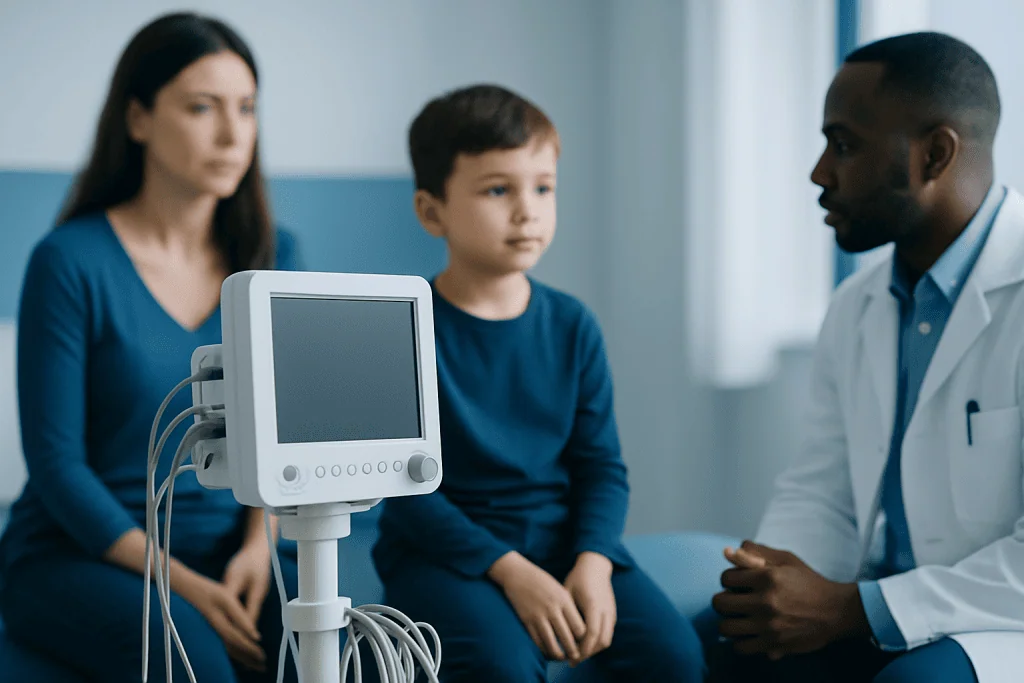
The signs that lead families to seek an autism assessment can vary widely. Some children show delayed speech, limited eye contact, reduced interest in social games, or repetitive play. Others may speak well but have difficulty with conversation, understanding social cues, coping with change, or managing sensory sensitivities. Because autism is a spectrum, one person’s presentation may look very different from another’s.
In young children, parents may notice limited pointing or sharing of interests, unusual reactions to sound or touch, strong preference for routines, or repetitive movements such as hand flapping or rocking. Some children have intense interests or play in highly repetitive ways. Others seem socially interested but struggle with back-and-forth interaction or imaginative play.
In school-age children and adolescents, concerns may include difficulty making or keeping friends, rigid thinking, emotional overload, literal interpretation of language, strong distress with transitions, or challenges with organization and flexible problem-solving. In adults, an evaluation may be requested after years of feeling socially different, exhausted by masking, or misunderstood in work and relationships.
These signs do not automatically mean autism is present. Similar features can occur with language disorders, hearing problems, anxiety, trauma, learning differences, or ADHD. That is why a professional, individualized evaluation is important. It helps separate overlapping issues and identify the support that is most likely to help.
What Neuropsychology Adds to the Assessment

Neuropsychology focuses on how brain-based processes affect behavior, learning, and functioning. In an autism assessment, this perspective can help explain why a person may struggle in certain settings but do well in others. For example, a child may have strong visual reasoning but weak language processing, or excellent memory for detail but difficulty with planning and flexibility. Understanding this pattern can guide more practical support.
A neuropsychological evaluation may look at attention, working memory, processing speed, executive function, language, visual-motor skills, academic readiness, and emotional regulation. These areas matter because everyday tasks often depend on several skills working together. Difficulty following classroom routines, joining peer activities, or coping with change may reflect not only social differences but also attention, sensory processing, or planning challenges.
This type of evaluation can also help identify coexisting conditions. Autism may occur alongside learning disorders, anxiety, sleep problems, motor coordination differences, or intellectual disability. Recognizing these factors is important because treatment and educational planning should address the whole person, not only the autism diagnosis.
Importantly, neuropsychology also highlights strengths. Some autistic people have strong pattern recognition, deep focus in areas of interest, honesty, creativity, or advanced knowledge in specific subjects. A balanced assessment recognizes abilities as well as difficulties. This makes it easier to build realistic, respectful support plans at home, at school, and in the community.
How Autism Is Diagnosed
There is no single medical test that can confirm autism. Diagnosis is based on a detailed clinical assessment that considers developmental history, current behavior, communication, social interaction, and restricted or repetitive patterns of behavior or interests. The process may involve a developmental pediatrician, child psychiatrist, neurologist, clinical psychologist, neuropsychologist, speech and language therapist, or a multidisciplinary team.
Families are usually asked about pregnancy and birth history, early milestones, language development, play, social behavior, school progress, daily routines, and sensory responses. Clinicians may gather information from teachers or caregivers as well. This history is important because autism begins in early development, even if it is not recognized until later.
The assessment commonly includes direct observation and standardized tools designed to evaluate autism-related behaviors. Depending on age and needs, the clinician may also recommend hearing testing, language evaluation, cognitive testing, or broader neuropsychological assessment to understand learning and behavior more clearly. If symptoms overlap with other developmental concerns, a more comprehensive developmental workup may be advised.
Diagnosis is careful and individualized. Clinicians consider whether a person’s profile is best explained by autism, another condition, or a combination of factors. In some cases, the conclusion may be that autism is not present, but that support is still needed for language, attention, anxiety, sensory issues, or learning. A good assessment aims to answer the family’s questions in a practical, compassionate way.
What to Expect During the Evaluation Process
Although every center works slightly differently, autism assessment usually takes place over one or more appointments. The process often starts with an interview with parents or caregivers, or with the individual if they are older. This conversation explores current concerns, developmental history, family background, school experience, and daily functioning. Families can help by bringing school reports, previous assessments, and notes about behaviors they have observed.
Next, the clinician may spend time observing communication, play, interaction, problem-solving, and behavior. For younger children, this may happen through structured play activities. For older children, teens, and adults, it may involve conversation tasks, questionnaires, and formal testing. If neuropsychology is part of the assessment, additional tasks may be used to evaluate attention, memory, language, learning, and executive skills.
Questionnaires completed by parents, teachers, or the individual can add useful information about behavior across different settings. This matters because some people seem comfortable in one environment but struggle in another. In some situations, clinicians may also recommend pediatric neurology or speech and language review if there are concerns about seizures, developmental regression, motor coordination, or significant language delay.
At the end of the process, families usually receive feedback explaining the findings, diagnosis if one is made, and recommendations for support. This discussion is an important part of care. It gives families a chance to ask questions, understand what the results mean, and plan the next steps. Clear explanations can make the experience feel more manageable and less overwhelming.
Treatment, Support, and Next Steps After Diagnosis
Autism is not treated with one single approach. Support is based on the individual’s age, strengths, communication style, sensory profile, learning needs, and any coexisting conditions. For some children, priorities may include speech and language development, social communication, and behavior support. For others, the focus may be emotional regulation, school participation, independent living skills, or support with anxiety and attention.
Interventions are often most helpful when they are practical, consistent, and tailored to daily life. This may include speech and language therapy, occupational therapy, educational support, behavioral interventions, parent coaching, and psychological support. A child with marked sensory sensitivities, for example, may benefit from environmental changes and occupational therapy strategies, while another may need more help with communication or executive function.
When attention, learning, or emotional difficulties are also present, those concerns should be addressed directly. Some families are also guided toward child and adolescent psychiatry when anxiety, low mood, sleep difficulties, or severe behavioral distress are affecting well-being. Support can be valuable even when a person does not meet full criteria for autism but still shows meaningful developmental or social communication needs.
Near the end of the care pathway, families may wish to work with a center that offers coordinated services across specialties. Acibadem International’s multidisciplinary specialists and JCI-accredited hospitals assess and treat autism-related developmental and neuropsychological concerns for international patients, helping families organize diagnosis, counseling, and follow-up support in one setting.
Supporting a Child or Adult at Home and School
Daily support begins with understanding the person’s communication style and stress triggers. Clear routines, simple instructions, visual supports, and preparation before changes can reduce frustration. Many autistic people do better when expectations are predictable and the environment is structured. Breaking tasks into small steps may also make schoolwork, self-care, and transitions easier.
It can help to notice what situations lead to overload. Crowded spaces, loud sounds, bright lights, sudden changes, or unstructured social demands may be especially difficult. Families and teachers can support regulation by offering quiet spaces, movement breaks, sensory adjustments, and enough time to process information. Encouraging interests can also build confidence and create natural ways to connect with others.
School support is often an important part of care. Some children need classroom accommodations, extra help with organization, social communication support, or individualized educational planning. Open communication between families, teachers, therapists, and clinicians usually leads to better consistency across settings. When everyone understands the child’s profile, expectations can be more realistic and supportive.
For adolescents and adults, support may include help with planning, study skills, work routines, social communication, mental health, or independent living. Some people benefit from counseling that respects neurodiversity and focuses on coping skills rather than trying to force social behavior that feels unnatural. The aim is to improve participation, comfort, and quality of life while respecting the person’s identity.
When Families Should Seek Professional Advice
Families should consider professional advice if they notice ongoing differences in communication, social interaction, play, learning, behavior, or sensory responses. It is especially worth seeking evaluation when these differences affect daily life, relationships, school progress, or emotional well-being. Parents do not need to wait until a problem becomes severe before asking for guidance.
Early concerns in toddlers and preschool children deserve attention, particularly if there is speech delay, limited response to name, reduced social engagement, repetitive behaviors, or loss of previously gained skills. Developmental regression should always be discussed promptly with a qualified clinician. Even if autism is not confirmed, early developmental support can still be very helpful.
Older children, teenagers, and adults should also be assessed if they struggle with social understanding, rigid routines, overwhelming sensory experiences, burnout, or long-standing feelings of being different. A later diagnosis can still be meaningful. It may help explain past difficulties, improve self-understanding, and guide access to practical support.
If families are unsure where to start, they can speak with a pediatrician, family doctor, psychologist, or developmental specialist. Asking questions early is a positive step. A thorough evaluation can provide clarity, reduce uncertainty, and help build a plan that supports the person’s development and well-being over time.
Frequently asked questions
What is an autism assessment?
An autism assessment is a structured evaluation that looks at communication, social interaction, behavior, development, and daily functioning. It may include interviews, observation, questionnaires, and standardized tests to understand whether autism is present and what support may help.
Who can diagnose autism?
Autism is usually diagnosed by trained professionals such as developmental pediatricians, child psychiatrists, clinical psychologists, or neuropsychologists, sometimes within a multidisciplinary team. The exact pathway depends on age, symptoms, and local services.
Can autism be diagnosed with a brain scan or blood test?
No. Autism is not diagnosed by a single scan, blood test, or laboratory marker. Diagnosis is based on developmental history, clinical observation, and standardized assessment by qualified professionals.
Why is neuropsychology helpful in autism evaluation?
Neuropsychology helps explain how thinking and learning processes affect behavior and everyday life. It can identify strengths and difficulties in areas such as attention, language, memory, executive function, and problem-solving, which helps shape more individualized support.
Is it ever too late to have an autism assessment?
No. Although early assessment can help children access support sooner, adolescents and adults can also benefit from evaluation. A later diagnosis may improve self-understanding, guide educational or workplace accommodations, and help clarify mental health needs.
What happens after an autism diagnosis?
After diagnosis, the next steps depend on the individual’s needs. Families may be guided toward speech and language therapy, occupational therapy, educational support, behavioral strategies, counseling, or further assessment for coexisting conditions.
References
- World Health Organization
- American Academy of Pediatrics
- National Institute of Mental Health
- Centers for Disease Control and Prevention
- American Psychological Association
This article is for general information only and is not a substitute for professional medical advice. Please consult a qualified doctor about your individual situation.
Neuropsychology in Turkey — costs, top hospitals & a free quote
JCI-accredited · board-certified surgeons · reply within 24h
Add us as a Preferred Source to see more of our trusted health content across Google Search, AI Overviews and Discover.