What Does a Neuropsychologist Do? Roles in Memory, Attention, and Thinking Problems

A neuropsychologist studies the relationship between brain function and thinking, emotions, and behavior. They use interviews and standardized tests to assess memory, attention, language, and problem-solving.
Key Takeaways
- A neuropsychologist studies the relationship between brain function and thinking, emotions, and behavior.
- They use interviews and standardized tests to assess memory, attention, language, and problem-solving.
- Neuropsychological assessment can help diagnose causes of cognitive symptoms and guide treatment plans.
- These specialists often work with neurologists, psychiatrists, rehabilitation teams, and schools or families.
- An evaluation can be helpful after brain injury, stroke, seizures, dementia symptoms, or unexplained learning and attention difficulties.
A neuropsychologist is a specialist who evaluates how brain function affects memory, attention, language, problem-solving, and behavior. They help clarify the cause of thinking changes and support treatment planning, rehabilitation, and everyday coping strategies.
Overview: What a Neuropsychologist Does
A neuropsychologist is a psychologist with advanced training in how the brain affects thinking, emotions, and behavior. Their work focuses on skills such as memory, attention, language, planning, learning, visual-spatial abilities, and problem-solving. They help patients and families understand why cognitive or behavioral changes are happening and what support may help.
Unlike a general psychological evaluation, a neuropsychological assessment is designed to examine brain-related functioning in detail. It looks at patterns of strengths and weaknesses across many mental abilities rather than relying on one single test. This can be useful when symptoms are subtle, complex, or have more than one possible cause.
Neuropsychologists do not usually perform surgery or prescribe medication in most settings. Instead, they assess symptoms, interpret test results, explain how these findings affect daily life, and provide recommendations for treatment, rehabilitation, school or workplace support, and safety. They often work closely with neurologists, psychiatrists, neurosurgeons, geriatric specialists, and rehabilitation teams.
When Someone Might See a Neuropsychologist
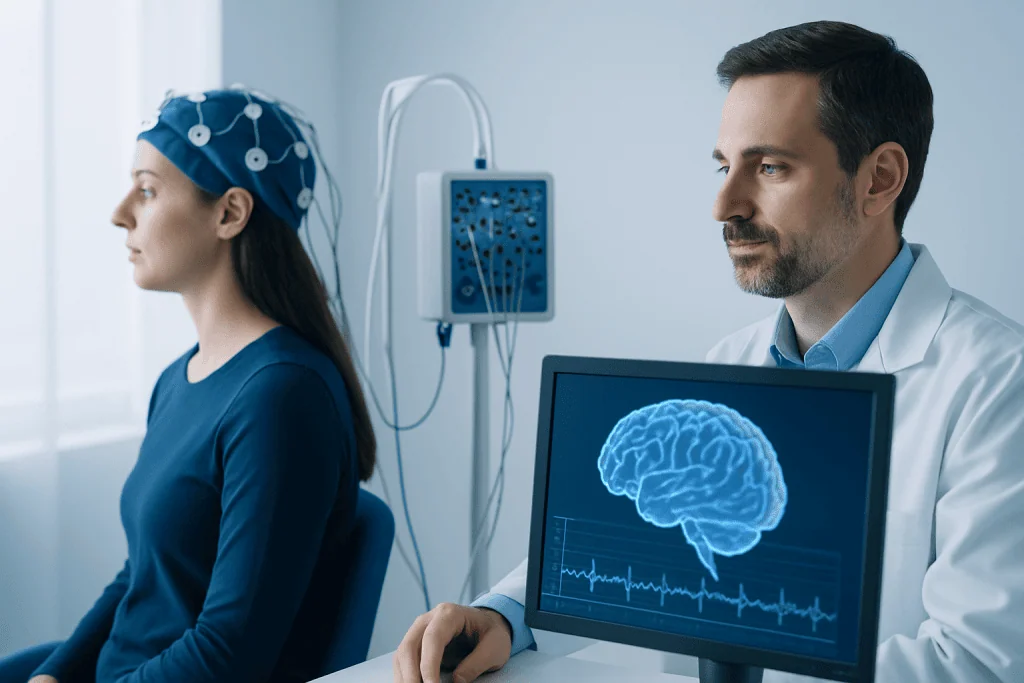
People may be referred to a neuropsychologist when they notice problems with memory, attention, concentration, word-finding, decision-making, or changes in behavior. Family members may observe that a person is forgetting appointments, struggling to organize tasks, making unusual mistakes, or seeming less able to manage finances, medication, or driving.
An assessment may also be recommended after a medical event that can affect the brain. Common examples include stroke, traumatic brain injury, brain tumor treatment, epilepsy, multiple sclerosis, Parkinson’s disease, infections affecting the nervous system, or concerns about dementia. In children and young adults, neuropsychologists may also evaluate learning difficulties, developmental conditions, or attention-related concerns.
Sometimes the main question is not whether a problem exists, but why it exists. Poor sleep, anxiety, depression, pain, medication side effects, stress, and medical illness can all affect thinking. A neuropsychologist helps sort out these possibilities and identify whether symptoms fit a neurological pattern, an emotional pattern, or a combination of both.
- Ongoing memory lapses or confusion
- Trouble focusing, multitasking, or finishing tasks
- Changes after head injury, stroke, or seizures
- Concerns about dementia or mild cognitive impairment
- Learning or attention difficulties affecting school or work
How Neuropsychological Assessment Works

A neuropsychological assessment usually begins with a detailed interview. The neuropsychologist asks about the person’s symptoms, medical history, education, daily functioning, mood, sleep, medications, and any recent changes. When appropriate, a family member or caregiver may be invited to provide additional observations, especially if memory or insight is affected.
The formal testing part uses standardized tasks that measure different thinking skills. These may include remembering words or stories, repeating information, solving puzzles, naming objects, copying designs, reading, processing information quickly, or switching attention between tasks. The tests are chosen based on the person’s age, language, symptoms, and referral question.
Results are not judged simply as pass or fail. Instead, the neuropsychologist compares performance across areas and interprets the pattern in context. For example, a person may have strong language and reasoning skills but weaker short-term memory or slowed processing speed. This profile can help show whether the issue is more consistent with normal aging, stress-related attention difficulties, Alzheimer's disease, vascular changes, or another neurological condition.
In many cases, assessment findings are reviewed alongside brain imaging, blood tests, neurological examination, or therapies already underway. If further testing is needed, the specialist may coordinate with teams providing MRI scan evaluation or other diagnostic services to build a fuller picture.
What Conditions Neuropsychologists Commonly Help Evaluate
Neuropsychologists assess a wide range of conditions that can affect thinking and behavior. In older adults, they often help evaluate memory complaints, mild cognitive impairment, and different forms of dementia. Their testing can help distinguish between expected age-related changes and patterns that suggest a neurodegenerative disease.
They are also involved in the care of people with neurological disorders such as epilepsy, stroke, brain tumors, Parkinson’s disease, multiple sclerosis, and traumatic brain injury. In these situations, an assessment can measure the impact of the condition on daily function and provide a baseline for tracking recovery or progression over time.
Emotional and psychiatric conditions can also affect cognition. Anxiety, depression, post-traumatic stress, and severe stress may reduce concentration, mental speed, and recall. Neuropsychologists consider these factors carefully so that symptoms are not misattributed to the wrong cause. This is one reason their role can be especially valuable when the picture is mixed or unclear.
In children and adolescents, neuropsychologists may assess attention-deficit/hyperactivity disorder, learning disorders, developmental differences, and cognitive changes related to seizures, premature birth, or medical treatments. Recommendations can support individualized planning at school and home.
How Results Help with Treatment and Daily Life
One of the most important parts of a neuropsychologist’s work is turning test findings into practical guidance. After the assessment, the specialist explains which abilities are relatively strong, which are weaker, and how those differences may affect everyday tasks such as medication management, work performance, studying, communication, or driving.
Recommendations may include cognitive rehabilitation, speech and language therapy, occupational therapy, psychotherapy, sleep evaluation, or medication review by the treating doctor. Some patients benefit from structured rehabilitation programs, especially after stroke or head injury, including neurorehabilitation to support recovery and compensation strategies.
Patients and families are often taught ways to reduce cognitive strain and improve daily functioning. Useful strategies may include calendars, reminder apps, written routines, breaking tasks into smaller steps, limiting distractions, and planning mentally demanding activities for the time of day when energy is best. When emotional symptoms are contributing, treatment for anxiety or depression can also improve concentration and memory performance.
In more complex cases, the neuropsychologist may help with return-to-work planning, school accommodations, capacity questions, caregiver education, or long-term monitoring. If symptoms suggest another neurological issue, referral to services involved in neurology care may be advised for ongoing evaluation and management.
Preparing for an Appointment and What to Expect
It is normal to feel unsure before a neuropsychology appointment, but the process is usually straightforward and patient-centered. Appointments may last several hours depending on the reason for referral and the number of tests needed. Breaks are typically offered, and the goal is to understand current functioning as accurately as possible, not to make the patient feel judged.
It helps to bring a list of medications, prior medical records if available, and examples of the main concerns. Patients may also want to note when symptoms began, whether they are getting worse, and how they affect work, school, social life, or home responsibilities. Glasses, hearing aids, and any mobility supports should be brought if needed.
Before the appointment, good sleep, hydration, and a usual meal can make testing more representative. Patients should usually take prescribed medications as directed unless the medical team advises otherwise. If language, cultural background, education level, or sensory limitations may affect testing, these should be discussed in advance so the evaluation can be adapted appropriately.
When to Seek Medical Advice
It is a good idea to seek medical advice if memory, attention, or thinking problems are persistent, worsening, or affecting daily life. Early evaluation can be especially helpful when someone is missing medications, getting lost, having trouble managing money, or showing personality or behavior changes that are out of character.
Urgent medical attention is needed for sudden confusion or abrupt changes in speech, vision, balance, or weakness, as these may signal a medical emergency such as stroke. New seizures, severe head injury, rapidly worsening confusion, or major changes in consciousness also require prompt assessment.
Even when symptoms are not urgent, a structured evaluation can bring reassurance and direction. Many causes of cognitive symptoms are treatable or manageable, and understanding the pattern can help families plan next steps with confidence. For international patients who need coordinated evaluation, Acibadem International’s multidisciplinary specialists and JCI-accredited hospitals provide assessment and treatment for neurological and cognitive conditions.
Frequently asked questions
Is a neuropsychologist the same as a neurologist?
No. A neurologist is a medical doctor who diagnoses and treats disorders of the brain, spinal cord, and nerves, often using medication, imaging, and physical examination. A neuropsychologist is a psychologist who evaluates how brain function affects memory, attention, behavior, and other thinking skills.
Do neuropsychologists diagnose dementia?
They can play an important role in the diagnostic process. A neuropsychological assessment may show whether the pattern of cognitive changes is consistent with dementia, mild cognitive impairment, depression-related cognitive symptoms, or another cause, but diagnosis is usually made together with the broader medical team.
How long does neuropsychological testing take?
The length varies depending on the reason for referral and the number of skills being assessed. Some evaluations take a few hours, while more detailed assessments may take longer or be split across sessions.
Can anxiety or depression affect memory and attention?
Yes. Anxiety, depression, poor sleep, stress, and pain can all reduce concentration, processing speed, and the ability to recall information. A neuropsychologist considers these factors carefully when interpreting test results.
Will the tests show whether symptoms are due to normal aging?
They often help answer that question. By comparing performance with age-based expectations and looking at the pattern across different abilities, the neuropsychologist can help distinguish typical age-related change from signs that need further medical evaluation.
Do children see neuropsychologists too?
Yes. Children and adolescents may be referred for learning difficulties, attention problems, developmental concerns, epilepsy, brain injury, or changes in school performance. The evaluation can guide support at home, at school, and in medical care.
References
- National Institute on Aging
- American Psychological Association
- National Institute of Neurological Disorders and Stroke
- Centers for Disease Control and Prevention
- World Health Organization
This article is for general information only and is not a substitute for professional medical advice. Please consult a qualified doctor about your individual situation.
Explore treatments in Turkey — costs, top hospitals & a free quote
JCI-accredited · board-certified surgeons · reply within 24h
Add us as a Preferred Source to see more of our trusted health content across Google Search, AI Overviews and Discover.