Clinical Neurophysiology Explained: Tests, Specialists, and Common Uses
Clinical neurophysiology focuses on the function of the nervous system rather than only its structure. Common tests include EEG, EMG, nerve conduction studies, evoked potentials, and sleep-related studies.
Key Takeaways
- Clinical neurophysiology focuses on the function of the nervous system rather than only its structure.
- Common tests include EEG, EMG, nerve conduction studies, evoked potentials, and sleep-related studies.
- These tests can help evaluate symptoms such as seizures, nerve pain, muscle weakness, neuropathy, and unexplained fainting or movement changes.
- Most neurophysiology tests are outpatient procedures and are generally well tolerated.
- Preparation depends on the test and may include washing hair, avoiding lotions, or reviewing current medicines with a doctor.
Clinical neurophysiology is a medical specialty that measures how the brain, spinal cord, nerves, and muscles work. It helps doctors investigate symptoms such as seizures, weakness, numbness, tingling, sleep problems, and changes in movement or consciousness.
Overview of clinical neurophysiology
Clinical neurophysiology is a branch of medicine that studies the function of the nervous system. While imaging tests such as MRI or CT show structure, neurophysiology tests show how electrical signals move through the brain, spinal cord, peripheral nerves, and muscles. This functional information can be very helpful when symptoms are present but the cause is still unclear.
Doctors use clinical neurophysiology to investigate a wide range of concerns. These include seizures, blackouts, headaches with unusual neurological features, numbness, tingling, weakness, muscle twitching, balance problems, memory changes, sleep disorders, and some movement disorders. The results can support diagnosis, guide treatment decisions, and help monitor a condition over time.
A clinical neurophysiology team usually includes neurologists or other specially trained physicians, technologists, and nurses. The neurophysiology specialist chooses the most appropriate test based on the person’s symptoms, medical history, physical examination, and other findings. In many cases, testing is done in an outpatient setting and does not require a hospital stay.
What specialists in clinical neurophysiology do
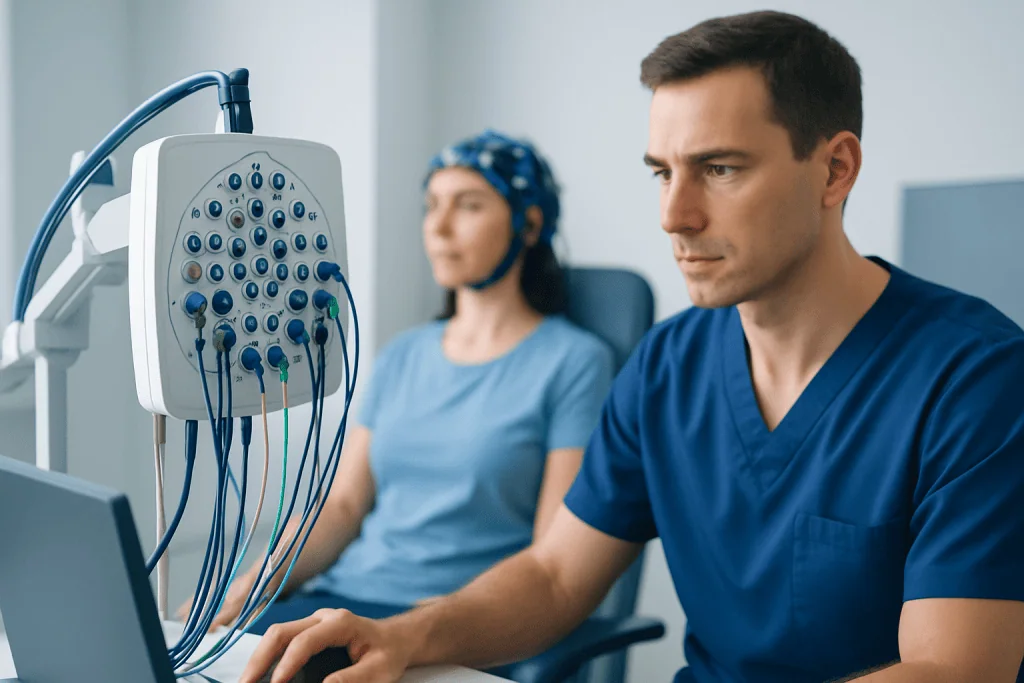
A clinical neurophysiology specialist is a doctor trained to perform, supervise, and interpret tests that measure nervous system function. This may include adult or pediatric neurologists with additional expertise in areas such as epilepsy, neuromuscular disorders, sleep medicine, or movement disorders. Their role is not only to read test results, but also to understand what the findings mean in the context of the person’s symptoms.
These specialists often work closely with other departments. Depending on the concern, they may collaborate with general neurology, neurosurgery, rehabilitation medicine, sleep medicine, orthopedics, intensive care teams, and pediatric specialists. A coordinated approach can be especially useful when symptoms affect more than one part of the nervous system.
Clinical neurophysiology does not replace a neurological examination. Instead, it adds objective measurements that can confirm a suspected diagnosis, narrow down possibilities, or help distinguish between disorders that may cause similar symptoms. For example, it may help separate a nerve problem from a muscle problem, or a seizure from another cause of altered awareness.
Common neurophysiology tests
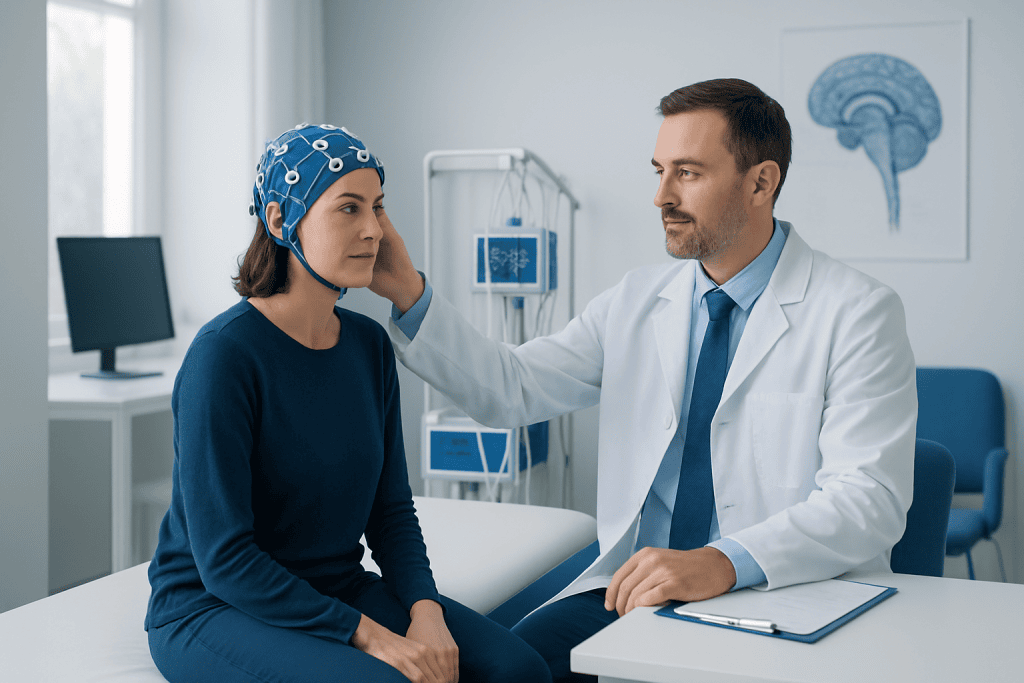
Several different tests fall under clinical neurophysiology. The most suitable test depends on the symptom being investigated. Some tests focus on the brain, others on nerves and muscles, and some on sleep or sensory pathways.
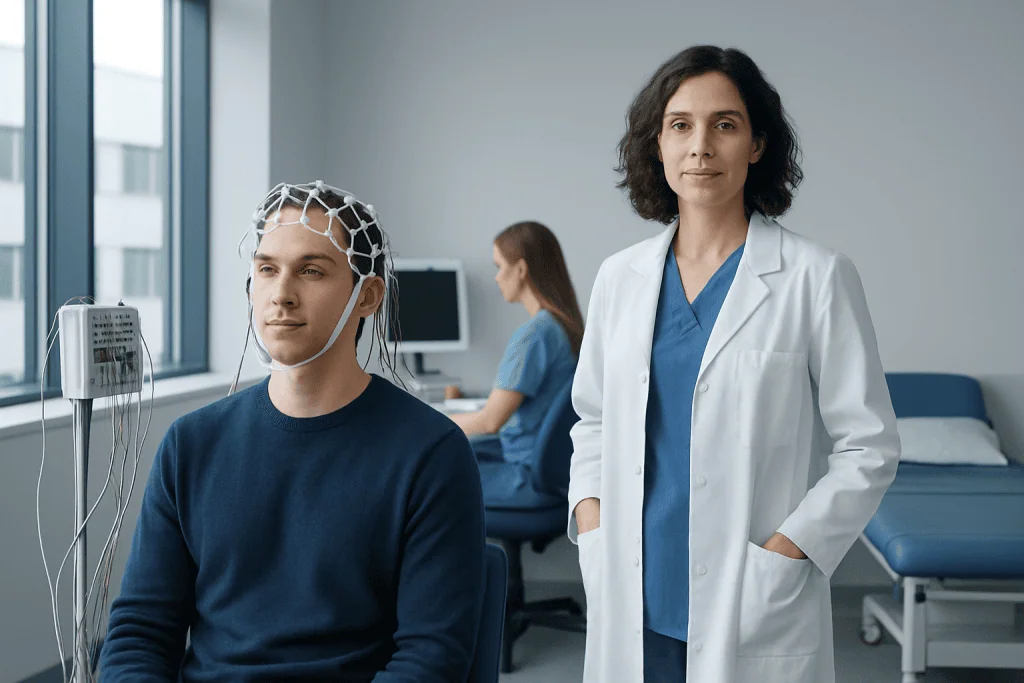
An electroencephalogram, or EEG, records the brain’s electrical activity through small sensors placed on the scalp. It is often used when seizures are suspected, but it can also help evaluate fainting episodes, confusion, altered consciousness, and certain sleep-related events. In some cases, doctors may recommend prolonged video EEG monitoring to compare symptoms with brain wave activity. This can be part of assessment for epilepsy.
Electromyography, or EMG, and nerve conduction studies evaluate nerves and muscles. In a nerve conduction study, small electrical impulses are used to see how quickly and effectively signals travel through a nerve. EMG measures electrical activity within muscles using a very fine needle electrode. These tests are commonly used for symptoms such as numbness, tingling, hand weakness, muscle pain, or suspected nerve compression, including conditions like carpal tunnel syndrome.
Other tests include evoked potentials, which measure how the nervous system responds to visual, sound, or touch stimuli, and sleep studies when abnormal movements, breathing issues, or unusual nighttime events occur. In hospitals, continuous neurophysiological monitoring may also be used in intensive care or during some operations to watch nervous system function in real time.
Symptoms and conditions these tests may help evaluate
Clinical neurophysiology is often requested when symptoms suggest a problem with communication between the brain, nerves, and muscles. These symptoms may come on suddenly or develop gradually. Testing can help identify whether the issue mainly affects the central nervous system, the peripheral nerves, the neuromuscular junction, or the muscles themselves.
Common symptoms that may lead to neurophysiology testing include:
- Seizures or episodes of staring, shaking, or loss of awareness
- Numbness, tingling, burning pain, or reduced sensation
- Muscle weakness, muscle wasting, or muscle twitching
- Balance problems, dizziness, or falls with neurological features
- Unusual movements, tremor, or stiffness
- Chronic nerve pain or suspected neuropathy
- Sleep-related behaviors or excessive daytime sleepiness
- Visual, hearing, or sensory symptoms needing pathway assessment
These tests may support evaluation of conditions such as peripheral neuropathy, radiculopathy from spinal nerve irritation, myasthenia gravis, epilepsy, some muscle disorders, and certain sleep disorders. They can also be used to monitor recovery after nerve injury or assess disease progression in known neurological conditions. However, a normal test does not always rule out a condition, which is why results are interpreted together with symptoms and examination findings.
How diagnosis is made and how to prepare
Diagnosis in clinical neurophysiology is rarely based on a single test alone. Doctors begin with a detailed medical history and neurological examination. They ask about when symptoms started, what triggers them, how long they last, whether they are changing, and whether there are related symptoms such as pain, weakness, confusion, or sleep disturbance. Medicines, family history, previous injuries, and other medical conditions also matter.
Depending on the findings, the doctor may recommend one or more tests. EEG may be combined with brain imaging, blood tests, or clinical observation. EMG and nerve conduction studies may be paired with spinal imaging or laboratory tests for diabetes, vitamin deficiency, thyroid disease, or autoimmune disorders. This combination approach often gives the clearest picture.
Preparation is usually simple, but it varies by test. For EEG, patients are often advised to arrive with clean, dry hair and to avoid heavy hair products. For EMG or nerve conduction studies, it is usually best to avoid applying lotions or oils to the skin on the day of testing. Doctors may also review medicines, implanted devices, bleeding risks, or sleep patterns beforehand, especially if a sleep study or prolonged monitoring is planned.
Most tests are safe and relatively quick. Some, such as nerve conduction studies or needle EMG, can cause short-lived discomfort, but many people tolerate them well. The care team usually explains each step beforehand so the patient knows what to expect and can ask questions.
Treatment planning and the role of test results
Clinical neurophysiology itself is mainly diagnostic, but the results play an important role in treatment planning. By showing where a problem is located and how severe it may be, testing helps doctors choose the most suitable next step. For example, abnormal EEG findings may support seizure treatment, while EMG and nerve conduction results may point toward nerve entrapment, neuropathy, or a muscle disorder requiring different care.
Treatment depends on the underlying cause. Some people may need medication, rehabilitation, physical therapy, lifestyle changes, or further specialist follow-up. Others may be referred for targeted procedures or surgery if the testing suggests a structural problem that could benefit from intervention. For seizure-related evaluation, doctors may consider options that range from medicines to more advanced epilepsy surgery in selected cases.
When nerve compression or spine-related nerve irritation is suspected, additional assessment may be useful to guide peripheral nerve surgery or spine surgery when appropriate. For people with muscle weakness or functional decline, rehabilitation and ongoing neurological follow-up are often important parts of care. The goal is to match treatment to the confirmed cause rather than treating symptoms alone.
Near the end of the diagnostic pathway, patients and families often benefit from a clear explanation of the results in everyday language. Understanding what was found, what remains uncertain, and what the next steps are can reduce anxiety and help people take part in decisions about their care.
Prevention, self-care, and practical tips
Clinical neurophysiology tests are not usually something a person can prevent, because they are tools used to investigate symptoms. However, some underlying nerve and muscle problems may be reduced or better managed through general health measures. Good blood sugar control in diabetes, limiting alcohol intake, managing vitamin deficiencies, protecting the body from repetitive strain, and following treatment plans for chronic conditions can all help support nerve health.
People preparing for a neurophysiology appointment can make the visit more useful by keeping a symptom diary. It may help to note when episodes occur, how long they last, what they feel like, any triggers, and whether there is confusion, pain, or weakness before or afterward. Videos of unusual movements or events, when safe and appropriate, can sometimes help the specialist understand what is happening.
After testing, patients should follow the advice given by their doctor about rest, activity, medicines, and next appointments. If a test causes mild soreness, this is often temporary. If there are any concerns about symptoms after the test or uncertainty about the results, contacting the care team is the best next step rather than guessing.
When to see a doctor
A person should speak with a doctor if they have persistent numbness, tingling, unexplained weakness, repeated fainting-like episodes, shaking spells, sudden changes in awareness, or unusual movements. Ongoing nerve pain, progressive balance problems, or symptoms that interfere with work, sleep, or daily activities also deserve medical attention. Early assessment can help identify whether testing is needed and may support timely treatment.
Urgent medical care is important for symptoms such as a first seizure, prolonged loss of consciousness, sudden severe weakness, trouble speaking, facial drooping, or other signs that could suggest a stroke or another neurological emergency. Rapid evaluation is also important if breathing, swallowing, or severe generalized weakness becomes difficult.
For international patients seeking evaluation, multidisciplinary specialists at Acibadem International and its JCI-accredited hospitals diagnose and treat neurological conditions using a coordinated approach. The most appropriate test plan is based on the individual’s symptoms, examination, and medical history.
Frequently asked questions
What is clinical neurophysiology?
Clinical neurophysiology is the medical specialty that measures how the nervous system functions. It uses tests to assess electrical activity in the brain, nerves, spinal cord, and muscles, helping doctors investigate neurological symptoms.
What is the difference between EEG and EMG?
EEG records electrical activity from the brain through sensors placed on the scalp. EMG measures electrical activity in muscles, usually with a fine needle electrode, and is often paired with nerve conduction studies to assess peripheral nerve and muscle problems.
Are neurophysiology tests painful?
Many neurophysiology tests are well tolerated, though some may cause brief discomfort. EEG is usually painless, while nerve conduction studies can feel like short electrical pulses and needle EMG may cause temporary soreness.
How long do neurophysiology tests take?
The length depends on the test. Some standard studies may take less than an hour, while prolonged EEG monitoring or sleep studies can last several hours or overnight.
Do I need to prepare for an EEG or EMG?
Preparation is usually simple and depends on the test. Patients may be asked to wash their hair before an EEG, avoid lotions before EMG or nerve conduction studies, and review their medicines with the doctor beforehand.
Can clinical neurophysiology diagnose all neurological diseases?
No single test can diagnose every neurological condition. Neurophysiology results are most useful when combined with the medical history, physical examination, imaging, and other laboratory tests.
References
- World Health Organization
- National Institute of Neurological Disorders and Stroke
- American Clinical Neurophysiology Society
- International League Against Epilepsy
- National Institute for Health and Care Excellence
This article is for general information only and is not a substitute for professional medical advice. Please consult a qualified doctor about your individual situation.
Clinical Neurophysiology in Turkey — costs, top hospitals & a free quote
JCI-accredited · board-certified surgeons · reply within 24h
Add us as a Preferred Source to see more of our trusted health content across Google Search, AI Overviews and Discover.

Neurology
Diagnosis and treatment of disorders of the brain, spinal cord, nerves and muscles.
51 specialists in this unit