Therapeutic Cells in Cancer Care: How Cell Therapy Works

Cell therapy uses living cells, usually immune cells, to help the body fight cancer. Some cell therapies are personalized, meaning they are made from the patient’s own cells.
Key Takeaways
- Cell therapy uses living cells, usually immune cells, to help the body fight cancer.
- Some cell therapies are personalized, meaning they are made from the patient’s own cells.
- CAR T-cell therapy is one of the best-known forms of cancer cell therapy.
- Cell therapy can be effective for selected cancers, especially certain leukemias, lymphomas, and myeloma.
- Treatment requires careful testing, monitoring, and follow-up because side effects can occur.
- Not every patient or cancer type is suitable for cell therapy, so specialist evaluation is essential.
Cell therapy in cancer care is a type of treatment that uses living cells, often immune cells, to recognize and attack cancer. It is an important area of modern oncology, especially for some blood cancers, and it may be used when standard treatments are not enough or when a more targeted approach is needed.
Overview of Cell Therapy in Cancer Care
Cell therapy in cancer care refers to treatments that use living cells to help control, target, or destroy cancer. In many cases, these are immune cells that are collected, changed or prepared in a laboratory, and then returned to the body so they can recognize cancer cells more effectively. This approach is part of the wider field of cancer immunotherapy.
One of the most established forms is CAR T-cell therapy. In this treatment, a patient’s T cells, which are a type of white blood cell, are removed and genetically modified to carry a special receptor called a chimeric antigen receptor, or CAR. This receptor helps the cells identify specific markers on cancer cells. After the cells are multiplied in the laboratory, they are infused back into the patient.
Not all cell therapies work in exactly the same way. Some use the patient’s own cells, while others may use donor cells in carefully selected situations. Researchers are also studying natural killer cells, tumor-infiltrating lymphocytes, and other cellular approaches. The exact method depends on the type of cancer, the treatment goal, and the patient’s overall health.
Although cell therapy can be very promising, it is not a universal treatment for every cancer. It is usually offered in specialist centers after detailed assessment. For many people, it is considered alongside other options such as chemotherapy, targeted therapy, radiation therapy, or stem cell transplant.
How Therapeutic Cells Work Against Cancer
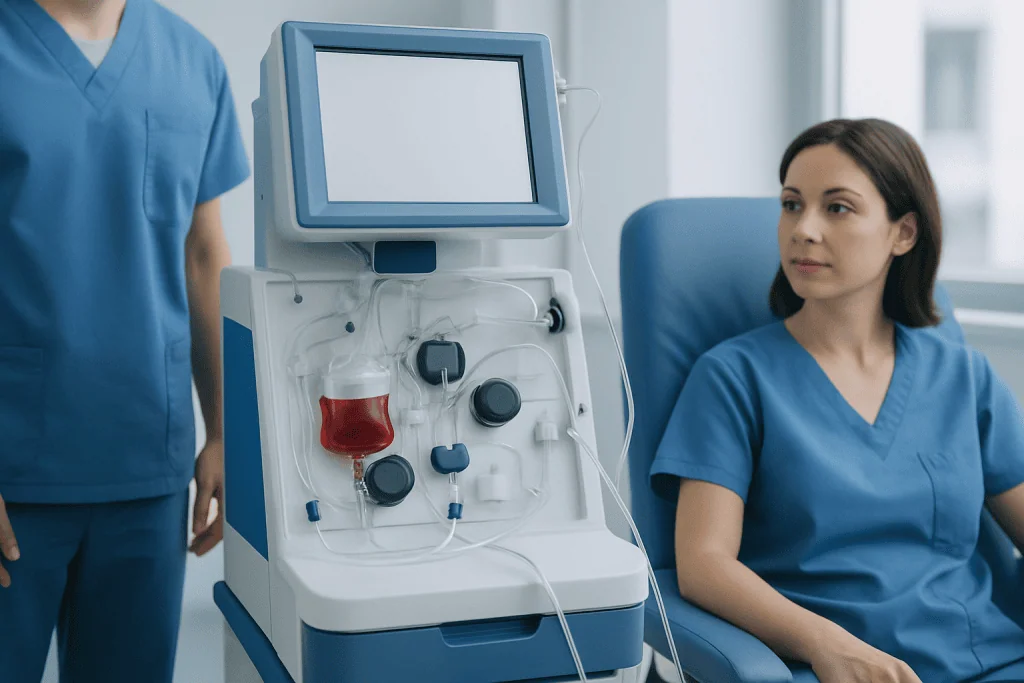
The main idea behind therapeutic cells is to improve the body’s ability to recognize cancer as a threat. Cancer cells can sometimes avoid the immune system by hiding their abnormal features or by creating signals that weaken immune responses. Cell therapy is designed to overcome some of these barriers.
With CAR T-cell therapy, doctors first collect T cells from the blood. In a specialized laboratory, these cells are reprogrammed so they can attach to a target on the cancer cell surface. Once infused back into the body, the modified cells can multiply, find cancer cells carrying that target, and attack them. This can lead to a strong anti-cancer effect in some patients.
Other forms of cell therapy may work differently. For example, natural killer cell therapies aim to use immune cells that can destroy abnormal cells without the same type of target recognition used by T cells. Some therapies use immune cells already found within a tumor and expand them outside the body before reinfusion. Each strategy tries to strengthen the immune system in a precise and controlled way.
Because these treatments depend on cellular biology, they involve several steps and careful coordination. This often includes cell collection, laboratory processing, preparation treatment before infusion, close hospital monitoring, and follow-up visits. Patients usually benefit from care by a multidisciplinary oncology team familiar with CAR T-cell therapy and other advanced immunotherapies.
Which Cancers May Be Treated With Cell Therapy

At present, cell therapy is used most often for certain blood cancers rather than most solid tumors. Some of the best-known approved uses involve forms of leukemia, lymphoma, and multiple myeloma. These diseases may respond well when their cancer cells carry clear targets that therapeutic immune cells can identify.
Examples may include some patients with leukemia, certain aggressive or relapsed lymphomas, and some cases of multiple myeloma. Cell therapy is often considered when the disease has returned after earlier treatment or has not responded as expected to standard care. In selected cases, it may be used earlier depending on treatment guidelines and specialist judgment.
Research is expanding rapidly. Scientists are studying cell therapies for more cancer types, including solid tumors such as brain, lung, breast, and gastrointestinal cancers. However, treating solid tumors with cell therapy can be more complex because the cells must enter the tumor environment, remain active there, and avoid being switched off by local immune-suppressing signals.
Eligibility depends on more than the cancer diagnosis alone. Doctors also review the stage of disease, previous treatments, organ function, infection risk, and whether there is enough time to manufacture the therapy safely. For this reason, assessment in an experienced cancer center is an important part of decision-making.
Evaluation, Testing, and Diagnosis Before Treatment
Before cell therapy begins, the medical team carries out a detailed evaluation. This usually includes confirmation of the exact cancer type, a review of previous treatments, blood tests, imaging, and sometimes bone marrow or tissue analysis. The team also checks heart, lung, liver, and kidney function to make sure treatment can be given as safely as possible.
Doctors also need to confirm whether the cancer has the right target for the planned therapy. For example, some cell therapies are designed to recognize specific proteins on cancer cells. Laboratory testing helps determine if the treatment is suitable. Patients may also be screened for infections because some therapies temporarily weaken parts of the immune system.
Timing is another important part of evaluation. Since some personalized cell therapies need time for cell collection and manufacturing, doctors consider whether the cancer is stable enough to wait. In some cases, a short-term treatment called bridging therapy may be used to help control the disease while the cells are being prepared.
Specialist centers often discuss each case in a multidisciplinary tumor board. Hematologists, medical oncologists, pathologists, immunology experts, radiologists, and supportive care teams work together to choose the safest and most effective plan. If appropriate, this plan may be coordinated with bone marrow transplant or other cancer treatments.
What Treatment Involves and Possible Side Effects
Cell therapy usually begins with collection of immune cells, often through a process called leukapheresis. During this procedure, blood is taken from the body, certain white blood cells are separated, and the rest of the blood is returned. The collected cells are then processed in a specialized laboratory. For personalized treatments, this step is essential because the final product is made specifically for the patient.
Before the cells are infused back, patients may receive short-course chemotherapy to reduce existing immune cells and make room for the new therapeutic cells. The infusion itself is often similar to receiving blood products or intravenous medication, but the period afterward requires close monitoring. Some people need hospital care during this phase, especially if the risk of complications is higher.
Like any cancer treatment, cell therapy can cause side effects. One important reaction is cytokine release syndrome, which happens when activated immune cells release large amounts of signaling proteins. This can cause fever, low blood pressure, tiredness, or breathing symptoms. Another possible complication is neurologic toxicity, which can affect attention, speech, or alertness. Many side effects are manageable when recognized early by an experienced team.
Other possible effects may include low blood counts, infection risk, nausea, weakness, or the need for supportive care such as fluids, medicines, or transfusions. Patients and families are usually given clear instructions about warning signs and follow-up. Treatment centers offering immunotherapy and advanced cell-based care monitor patients closely before, during, and after therapy.
Benefits, Limits, and Long-Term Follow-Up
For some patients, cell therapy can produce deep and meaningful responses, including remission of cancers that were difficult to control with other treatments. This is one reason cell therapy has changed cancer care in selected blood cancers. It can offer a highly targeted strategy and, in some cases, prolonged disease control after a single treatment course.
However, there are also important limits. Not every patient responds, and some cancers may return after an initial response. In addition, the treatment process can be complex, time-sensitive, and available mainly in specialized centers. Suitability also depends on a person’s general health and how advanced the cancer is at the time of evaluation.
Long-term follow-up is a routine part of care. Doctors monitor blood counts, infection risk, immune recovery, and signs that the cancer has responded or changed. Patients may need additional treatment later, depending on how the disease behaves. Follow-up appointments are also important for understanding lasting side effects and quality of life after therapy.
Because the field is developing quickly, some patients may be offered a clinical trial. Trials help doctors improve current therapies and study new ones, including approaches for lymphoma and solid tumors. Discussing benefits and limits openly with the oncology team helps patients make informed decisions that fit their goals and preferences.
Self-Care, Questions to Ask, and When to Seek Medical Help
Before treatment, patients can prepare by keeping a list of medicines, allergies, prior treatments, and emergency contacts. It is also helpful to arrange support for transport, meals, daily activities, and follow-up visits, especially during the first weeks after infusion. Good communication with the care team makes the treatment journey more manageable.
After treatment, self-care usually focuses on rest, hydration, nutrition, infection prevention, and attending all scheduled appointments. Patients should follow medical guidance about temperature checks, avoiding illness exposure, and reporting new symptoms quickly. It is important not to ignore fever, confusion, severe weakness, shortness of breath, or other sudden changes.
Questions that may help include whether the cancer has a target for cell therapy, what the expected timeline is, whether hospital stay is needed, what side effects are most likely, and what kind of support may be needed at home. Understanding these issues can reduce uncertainty and help families feel more prepared.
People should contact their doctor promptly if symptoms worsen, if there are signs of infection, or if new neurologic symptoms appear. Personalized medical advice is always essential. For international patients seeking advanced oncology care, Acibadem International’s multidisciplinary specialists in JCI-accredited hospitals evaluate and treat selected cancers with modern therapies, including cell-based approaches when appropriate.
Frequently asked questions
What is cell therapy in cancer care?
Cell therapy in cancer care is a treatment that uses living cells, usually immune cells, to help the body fight cancer. Some forms are personalized, meaning the cells are collected from the patient, prepared or modified, and then returned to the body.
Is CAR T-cell therapy the same as cell therapy?
CAR T-cell therapy is one type of cell therapy, but it is not the only one. It specifically uses genetically modified T cells that are designed to recognize a target on cancer cells.
Which cancers are most commonly treated with cell therapy?
Cell therapy is used most often for certain blood cancers, such as some leukemias, lymphomas, and multiple myeloma. Its use in solid tumors is still being studied and is more limited at present.
Can cell therapy cure cancer?
For some patients, cell therapy can lead to remission and long-lasting disease control. However, results vary, and no treatment can guarantee a cure, so the likely benefit depends on the cancer type and the individual situation.
What are the main risks of cancer cell therapy?
Important risks can include immune-related reactions such as cytokine release syndrome, neurologic side effects, low blood counts, and infections. These risks are one reason treatment is given and monitored by experienced specialist teams.
How long does cell therapy treatment take?
The timeline can vary depending on the type of therapy and whether the cells must be manufactured for the individual patient. Evaluation, cell collection, laboratory preparation, infusion, and follow-up together may take several weeks or longer.
References
- World Health Organization
- National Cancer Institute
- American Cancer Society
- European Society for Medical Oncology
- U.S. Food and Drug Administration
This article is for general information only and is not a substitute for professional medical advice. Please consult a qualified doctor about your individual situation.
Oncology care in Turkey — second opinion and treatment plan
JCI-accredited · board-certified surgeons · reply within 24h
Add us as a Preferred Source to see more of our trusted health content across Google Search, AI Overviews and Discover.

More from the Health Library



Related Specialists

Dr. Türker Ertürk
General Surgery
Dr. Ömer Feyyaz Kadıoğlu
Ophthalmology
Dr. Oya Uğurlubilek
Inpatient Clinic Physicians Clinical Service
Prof. Dr. Mehmet Zafer Berkman
Neurosurgery