Cell Therapy Explained: Uses in Modern Cancer Treatment

Cell therapy uses living cells, usually immune cells, to help the body attack cancer. Different types of cell therapy are used for different cancers, and not every patient is a candidate.
Key Takeaways
- Cell therapy uses living cells, usually immune cells, to help the body attack cancer.
- Different types of cell therapy are used for different cancers, and not every patient is a candidate.
- Treatment often involves cell collection, laboratory processing, infusion, and close follow-up.
- Benefits can be significant in some blood cancers, but side effects require expert monitoring.
- Eligibility depends on cancer type, prior treatments, general health, and test results.
Cell therapy is a form of cancer treatment that uses living cells, often immune cells, to recognize and fight cancer more effectively. It is an important part of modern oncology for selected patients and is used after careful testing, planning, and monitoring.
Overview of Cell Therapy in Cancer Treatment
When discussing cell therapy explained in simple terms, it refers to treatment that uses living cells to help treat disease. In cancer care, these cells are most often parts of the immune system that can be trained, selected, or strengthened to find and attack cancer cells. This approach is different from surgery, chemotherapy, or radiation, although it may be used alongside them.
Cell therapy is part of a broader field called immunotherapy. The goal is to improve the body’s own ability to recognize cancer as abnormal. In some cases, immune cells are collected from the patient, modified or expanded in a laboratory, and then returned to the body. In others, donor cells may be used in carefully selected situations.
Modern cell therapy has become especially important in some blood cancers, such as certain leukemias and lymphomas, and research continues in many other cancers. It is not a single treatment but a group of advanced therapies, including CAR T-cell therapy and other forms of adoptive cell therapy. Because these treatments are highly specialized, they are usually delivered at experienced cancer centers with multidisciplinary teams.
How Cell Therapy Works
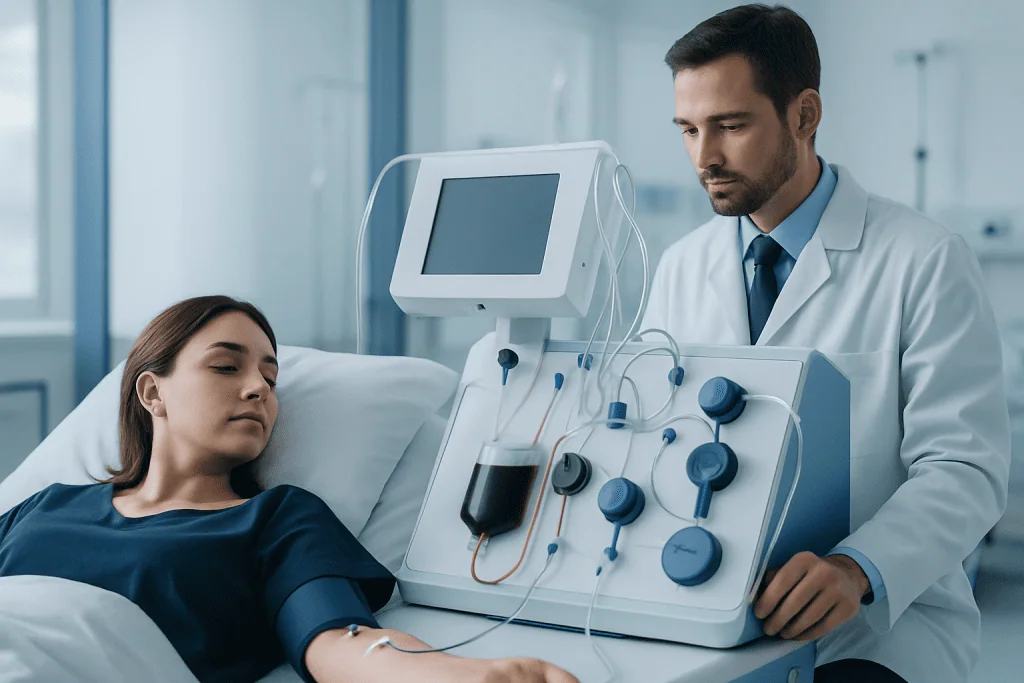
Cancer can sometimes avoid detection by the immune system. Cell therapy aims to overcome this problem by increasing the number or activity of cells that can identify and destroy cancer. The exact method depends on the type of therapy, but the central idea is to make immune cells more effective.
One well-known example is CAR T-cell therapy. In this process, T cells are collected from the patient’s blood and genetically modified in a laboratory to carry a receptor called a chimeric antigen receptor, or CAR. This receptor helps the T cells recognize a specific target on cancer cells. Once infused back into the patient, these cells can seek out and attack cancer more precisely.
Other cell therapy approaches include tumor-infiltrating lymphocyte therapy, natural killer cell therapy, and stem cell-based strategies used in selected hematologic conditions. Some therapies focus on expanding naturally occurring cancer-fighting cells, while others involve engineering cells to perform better. These treatments may be discussed alongside immunotherapy options or integrated into broader cancer care planning.
Which Cancers May Be Treated with Cell Therapy

Cell therapy is currently used most often for certain blood cancers. These include some forms of leukemia, lymphoma, and multiple myeloma, particularly when the disease has returned after treatment or has not responded well to standard therapies. In these settings, cell therapy may offer another treatment option when conventional approaches are limited.
For solid tumors, the role of cell therapy is still developing. Researchers are studying how to improve immune cell access to tumors, how to identify the best targets, and how to reduce side effects. Some patients may be considered for these treatments within specialized programs or clinical trials, depending on the cancer type and overall treatment goals.
Because cancer is not one disease, cell therapy is not suitable for everyone. A person’s diagnosis, cancer biology, stage, previous treatments, and general health all matter. Patients with lymphoma or leukemia may hear about cell therapy more often, but the best approach always depends on an individualized oncology assessment.
Evaluation, Preparation, and Diagnosis Before Treatment
Before cell therapy begins, the medical team carries out a detailed evaluation. This usually includes confirming the exact cancer type, reviewing previous treatments, checking organ function, and assessing the patient’s overall condition. Blood tests, imaging studies, bone marrow evaluation in some cases, and infection screening may all be part of this process.
Doctors also determine whether the cancer carries the target that the therapy is designed to recognize. This is important because some cell therapies only work when specific markers are present on cancer cells. The team will also discuss expected benefits, possible risks, the treatment timeline, and the need for close monitoring after infusion.
Preparation often includes collecting cells through a blood-based procedure called apheresis. The collected cells are then sent for processing or modification, which can take time. During this period, some patients receive additional treatment to keep the cancer under control. In many centers, supportive care services, infectious disease precautions, and hematology support are part of the planning process.
Treatment Process and Possible Side Effects
The treatment process usually occurs in stages. First, cells are collected. Next, they are processed in a laboratory, where they may be expanded or modified. Before the cells are infused back, the patient may receive preparatory treatment to make room for the new cells and help them work more effectively. Finally, the cell product is given through an infusion, followed by careful observation.
Like other cancer treatments, cell therapy can cause side effects. Some are mild, while others need urgent medical attention and hospital-based care. Depending on the treatment used, possible effects may include fever, fatigue, low blood counts, low blood pressure, infections, confusion, headache, or inflammation. These effects happen because the immune system is being strongly activated or because bone marrow function is temporarily affected.
Two important complications that specialists watch for are cytokine release syndrome and neurologic side effects. These can often be managed successfully when recognized early, which is why close monitoring is essential. Patients are usually advised to remain near the treating center for a period after therapy and to report new symptoms promptly rather than waiting for them to pass.
Benefits, Limitations, and Follow-Up Care
One of the main benefits of cell therapy is that it can lead to strong and sometimes long-lasting responses in selected patients, especially in certain blood cancers. For people whose cancer has returned or resisted prior treatment, this can be an important option. In some cases, the modified cells can remain active in the body for a period of time, continuing to provide cancer surveillance.
At the same time, cell therapy has limitations. It is complex, may not be available for every cancer type, and may not work for every patient. Some cancers do not have a suitable target, and some patients may be too unwell to safely receive treatment. There can also be delays while cells are prepared, so timing and disease control must be considered carefully.
Follow-up care is a major part of treatment success and safety. Patients need ongoing blood tests, response assessment, and monitoring for delayed side effects or infection risk. Rehabilitation, nutrition support, vaccination planning, and emotional support may all be helpful during recovery. In advanced centers, including Acibadem International, multidisciplinary specialists in JCI-accredited hospitals evaluate and treat international patients who may be candidates for cell-based cancer therapies.
Questions to Ask and When to See a Doctor
Patients and families often benefit from preparing questions before an oncology visit. Helpful topics include whether cell therapy is appropriate for the specific cancer, what tests are needed, what side effects are most likely, how long treatment may take, and what support will be needed at home. It is also reasonable to ask about other options, including chemotherapy, targeted therapy, radiation, transplant, or clinical trials.
A doctor should be consulted promptly if cancer symptoms are worsening or if recommended treatment is no longer working as expected. After cell therapy, urgent medical advice is especially important for fever, chills, breathing difficulty, dizziness, confusion, severe weakness, uncontrolled vomiting, or any sudden change in mental state. Early communication helps the team respond quickly and safely.
Even when treatment is going well, regular follow-up matters. Ongoing appointments help doctors assess response, detect complications, and adjust the care plan when needed. Patients should avoid making treatment decisions based only on general information online and instead seek guidance from a qualified oncology team familiar with their individual case.
Frequently asked questions
What is cell therapy in cancer treatment?
Cell therapy in cancer treatment uses living cells, usually immune cells, to help the body find and destroy cancer. Some therapies use the patient’s own cells, which are collected, prepared in a laboratory, and then returned through an infusion.
Is cell therapy the same as chemotherapy?
No. Chemotherapy uses drugs that kill fast-growing cells, while cell therapy aims to strengthen or direct immune cells against cancer. Both may be useful, but they work in different ways and can sometimes be used together.
Which cancers are most commonly treated with cell therapy?
Cell therapy is most established in certain blood cancers, including some leukemias, lymphomas, and multiple myeloma. Its role in solid tumors is growing, but it remains more selective and is often available through specialized programs or research settings.
How long does cell therapy take?
The timeline varies by the type of therapy and the patient’s condition. It often includes evaluation, cell collection, laboratory processing, infusion, and a period of close monitoring, so the full process may take several weeks or longer.
What are the risks of cell therapy?
Risks depend on the specific treatment, but may include fever, infection, low blood counts, inflammation, and neurologic symptoms. Because some side effects can become serious quickly, treatment is usually given in experienced centers with careful follow-up.
Can every patient with cancer receive cell therapy?
No. Eligibility depends on the cancer type, treatment history, test results, overall health, and whether the cancer has a suitable target for the therapy. A specialist team decides this after a detailed evaluation.
References
- National Cancer Institute
- American Cancer Society
- Leukemia & Lymphoma Society
- European Society for Medical Oncology
- World Health Organization
This article is for general information only and is not a substitute for professional medical advice. Please consult a qualified doctor about your individual situation.
Oncology care in Turkey — second opinion and treatment plan
JCI-accredited · board-certified surgeons · reply within 24h
Add us as a Preferred Source to see more of our trusted health content across Google Search, AI Overviews and Discover.

More from the Health Library



Related Specialists

Dt. Sila Başa
Oral & Dental Health
Prof. Dr. Ahmet Tulga Ulus
Cardiovascular Surgery
Assoc. Prof. Dr. Akif İşlek
Ear Nose & Throat
Öznur Tanişman
Physical Medicine & Rehabilitation