

Ortho Meaning: What the Term Means in Medicine

“Ortho” commonly refers to orthopedics, the specialty that treats bones, joints, muscles, ligaments, and tendons. The word comes from Greek roots meaning straight or correct.
Key Takeaways
- “Ortho” commonly refers to orthopedics, the specialty that treats bones, joints, muscles, ligaments, and tendons.
- The word comes from Greek roots meaning straight or correct.
- Orthopedic care includes diagnosis, treatment, rehabilitation, and prevention of musculoskeletal problems.
- Not every orthopedic condition requires surgery; many improve with exercise, medication, braces, or physical therapy.
- People may see an orthopedic specialist for pain, injury, swelling, stiffness, or difficulty moving.
The term “ortho” in medicine usually refers to straight, correct, or related to bones and joints. Most often, people use it as a short form of orthopedics, the medical specialty focused on the musculoskeletal system.
Overview: what “ortho” means in medicine
The term ortho appears in many medical words, and it generally comes from a Greek root meaning straight, upright, or correct. In everyday healthcare language, however, “ortho” most often refers to orthopedics. This is the branch of medicine that focuses on the musculoskeletal system, including bones, joints, muscles, ligaments, tendons, and related structures that support movement.
When someone says they are going to the “ortho doctor,” they usually mean an orthopedic specialist. This doctor evaluates problems such as fractures, joint pain, sports injuries, back and neck issues, arthritis, tendon injuries, and some congenital or age-related conditions that affect how the body moves and functions.
The word can sometimes cause confusion because it is also used in other fields. For example, orthodontics deals with straightening teeth, and terms like “orthostatic” describe body position, especially standing upright. Still, in general conversation and hospital settings, “ortho” is most commonly shorthand for orthopedic medicine and surgery.
What is orthopedics?
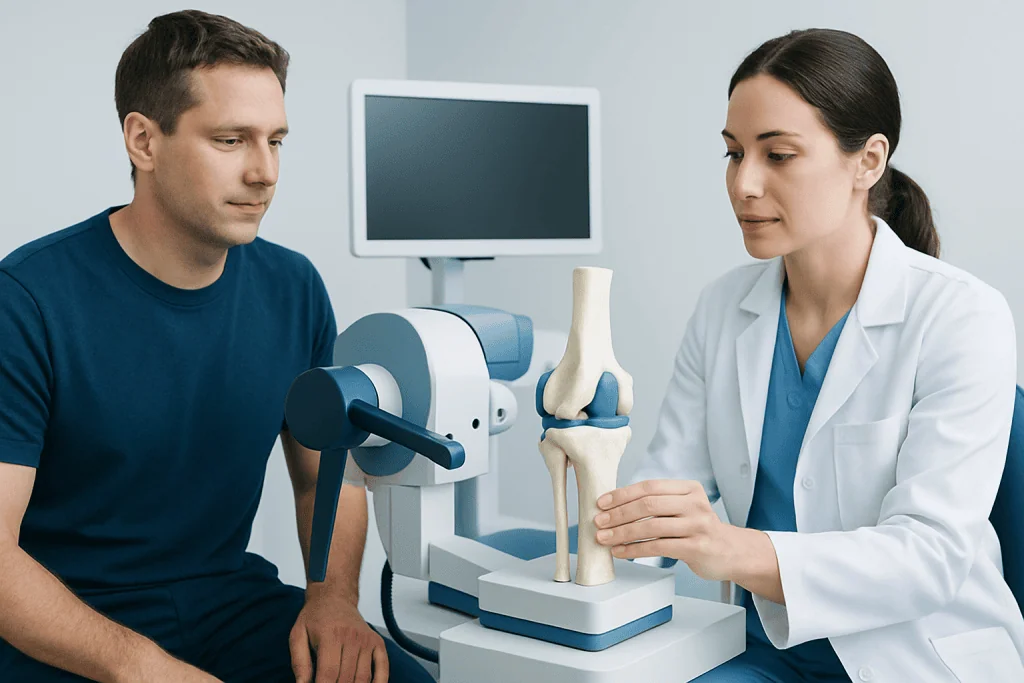
Orthopedics is the medical specialty that prevents, diagnoses, treats, and rehabilitates disorders of the musculoskeletal system. This includes both sudden injuries, such as a broken bone or torn ligament, and long-term conditions, such as osteoarthritis or spinal degeneration. The aim is not only to reduce pain but also to improve strength, stability, mobility, and quality of life.
Orthopedic care often involves a team approach. Depending on the problem, care may include orthopedic surgeons, sports medicine doctors, physical medicine and rehabilitation specialists, physiotherapists, pain specialists, nurses, and radiologists. Many people are surprised to learn that orthopedic treatment is not always surgical. In fact, many musculoskeletal conditions are managed successfully with non-surgical methods.
Orthopedics may overlap with other specialties when symptoms affect more than one part of the body. For example, hip or knee pain may be related to posture, nerves, inflammation, or overuse. A careful evaluation helps identify the true cause and guide the most suitable treatment plan.
- Bones and fractures
- Joints such as the knee, hip, shoulder, and ankle
- Muscles, tendons, and ligaments
- Spine-related movement problems
- Sports and overuse injuries
- Arthritis and degenerative joint disease
Common conditions linked to orthopedic care
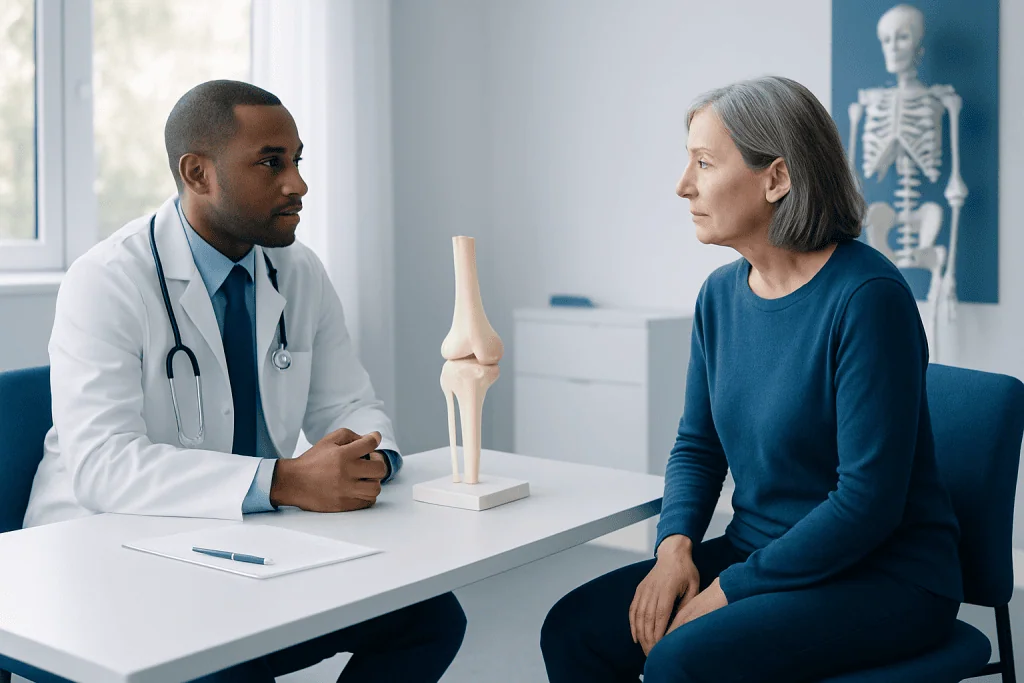
Orthopedic specialists treat a wide range of conditions, from minor sprains to complex joint or spine disorders. Some problems happen suddenly after trauma, such as a fall, accident, or sports injury. Others develop gradually over time because of wear and tear, repetitive stress, poor alignment, age-related changes, or underlying disease.
Common reasons for an orthopedic visit include joint pain, swelling, stiffness, instability, weakness, reduced range of motion, and difficulty walking or using an arm. Many patients seek care for knee pain, shoulder injuries, low back pain, hip problems, hand conditions, or recurring sports injuries. Conditions such as osteoarthritis are especially common in adults and older people.
Orthopedic care also includes congenital or developmental conditions, such as foot deformities or spine curvature, as well as bone health concerns and recovery after injuries. Some patients may need support for tendon problems, nerve compression around joints, cartilage damage, or healing after surgery.
- Fractures and dislocations
- Sprains and strains
- Arthritis
- Tendonitis and bursitis
- Meniscus or ligament tears
- Back, neck, and posture-related musculoskeletal pain
Symptoms that may lead someone to see an ortho specialist
People often seek orthopedic care when pain or limited movement starts to interfere with daily life. Symptoms may develop suddenly after an injury or more gradually over weeks or months. Pain may be felt in a joint, muscle, tendon, bone, or the surrounding soft tissues. It may be constant or only occur during certain activities, such as walking, lifting, reaching, or exercising.
Other common symptoms include swelling, stiffness, clicking, locking, weakness, joint instability, and reduced flexibility. Some people notice that a joint no longer moves smoothly or that they cannot put full weight on a leg. In children, limping, refusal to use a limb, or visible deformity may need medical assessment.
Symptoms that deserve prompt evaluation include severe pain after injury, a visible deformity, inability to move a limb, significant swelling, numbness, tingling, or signs that the joint feels unstable. Although not every symptom signals a serious problem, early assessment can help prevent complications and support better recovery.
How orthopedic problems are diagnosed
Diagnosis begins with a detailed medical history and physical examination. The doctor asks about the location of symptoms, how long they have been present, whether there was an injury, what movements make them worse, and how much they affect daily activities. During the physical exam, the specialist may check alignment, swelling, tenderness, joint motion, muscle strength, balance, and gait.
Imaging tests are often used to confirm the diagnosis or assess severity. X-rays are commonly used for bones, fractures, alignment, and arthritis changes. Ultrasound, CT, or MRI may be recommended to evaluate soft tissues such as muscles, tendons, cartilage, ligaments, and discs. Sometimes blood tests are also needed if inflammation, infection, or a systemic condition is suspected.
The goal of diagnosis is to understand not only where the pain is but why it is happening. Accurate diagnosis guides treatment and helps avoid unnecessary procedures. In some cases, the problem may improve with time and conservative care, while in others, a more targeted intervention is needed.
Treatment options in orthopedics
Treatment depends on the cause, severity, age, activity level, and overall health of the patient. Many orthopedic problems improve with non-surgical care. This may include rest, activity modification, ice or heat, supportive braces, short-term pain relief, anti-inflammatory treatment when appropriate, and physiotherapy to restore movement and strength. Rehabilitation is an important part of care because it helps people recover function and reduce the risk of repeat injury.
For persistent symptoms, doctors may recommend injections, splints, or more structured rehabilitation programs. In some cases, especially when there is severe damage, instability, advanced arthritis, or a fracture that will not heal properly, surgery may be considered. Examples include knee replacement, hip replacement, or arthroscopic treatment for selected joint problems.
Spine-related orthopedic conditions may also be managed with physical therapy, posture support, pain management, and sometimes surgery if there is significant compression or structural instability. The best treatment plan is individualized, with the aim of relieving symptoms, improving movement, and helping the person return safely to normal activities.
Near the end of the treatment pathway, some patients may benefit from specialist follow-up at a center with multidisciplinary expertise. Acibadem International’s multidisciplinary specialists and JCI-accredited hospitals diagnose and treat orthopedic conditions for international patients when advanced evaluation or treatment is needed.
Prevention, self-care, and healthy movement
Not every orthopedic condition can be prevented, but many musculoskeletal problems become less likely with healthy daily habits. Regular physical activity helps maintain muscle strength, joint support, flexibility, and balance. Good technique during exercise, appropriate footwear, and gradual progression in training can lower the risk of overuse and sports-related injuries.
Weight management can reduce strain on weight-bearing joints such as the knees, hips, and spine. Warm-up and cool-down routines may help prepare the body for movement and improve recovery afterward. Paying attention to posture, workstation setup, and lifting technique is also helpful, especially for people who sit for long periods or perform repetitive tasks.
Self-care after minor strains or soreness may include short-term rest, gentle movement, and avoiding activities that sharply worsen pain. However, complete inactivity for long periods is not usually helpful unless specifically advised by a doctor. If symptoms persist, return often, or limit normal function, a medical assessment is the safest next step.
- Stay active with regular low-impact exercise
- Strengthen muscles that support the joints
- Use proper sports equipment and safe technique
- Maintain a healthy body weight
- Seek care early for recurring pain or instability
When to see a doctor
It is sensible to see a doctor if musculoskeletal pain lasts more than a few days, keeps returning, or starts to interfere with walking, work, sleep, exercise, or self-care. Medical advice is also important if there is swelling, stiffness, joint locking, reduced motion, or pain that does not improve with simple home measures.
Urgent assessment is recommended after significant trauma, especially if there is severe pain, a suspected fracture, visible deformity, inability to bear weight, or sudden loss of function. Symptoms such as numbness, tingling, new weakness, fever with joint pain, or redness and warmth around a joint should also be reviewed promptly because they may need faster treatment.
For many people, understanding the ortho meaning helps them know where to turn when bones, joints, or muscles are causing trouble. An orthopedic specialist can explain the cause clearly, discuss options, and create a treatment plan that matches the person’s condition, needs, and goals.
Frequently asked questions
What does ortho mean in medicine?
In medicine, “ortho” usually refers to something straight, correct, or properly aligned. In everyday use, it most often means orthopedics, the specialty that cares for bones, joints, muscles, ligaments, and tendons.
Is ortho the same as orthopedics?
In most healthcare conversations, yes. People commonly use “ortho” as a shortened way to refer to orthopedics or an orthopedic doctor, clinic, or department.
What kind of doctor is an ortho doctor?
An ortho doctor is an orthopedic specialist. This doctor evaluates and treats injuries and conditions affecting the musculoskeletal system, including fractures, arthritis, sports injuries, and joint pain.
Do orthopedic problems always need surgery?
No, many orthopedic problems do not require surgery. Treatment often begins with non-surgical options such as rest, physical therapy, exercise, braces, and medicines for symptom relief when appropriate.
What symptoms should be checked by an orthopedic specialist?
Persistent joint or muscle pain, swelling, stiffness, weakness, instability, and trouble moving a limb are common reasons to seek orthopedic care. A specialist should also assess severe pain after an injury, suspected fractures, or symptoms that limit daily activity.
What is the difference between orthopedics and rheumatology?
Orthopedics focuses on the structure and function of bones, joints, muscles, ligaments, and tendons, including injuries and mechanical problems. Rheumatology mainly treats inflammatory and autoimmune conditions that affect joints, muscles, and connective tissues.
References
- American Academy of Orthopaedic Surgeons
- National Institute of Arthritis and Musculoskeletal and Skin Diseases
- MedlinePlus
- Mayo Clinic
- NHS
This article is for general information only and is not a substitute for professional medical advice. Please consult a qualified doctor about your individual situation.
Joint and spine care in Turkey — expert assessment & treatment
JCI-accredited · board-certified surgeons · reply within 24h
Add us as a Preferred Source to see more of our trusted health content across Google Search, AI Overviews and Discover.

Orthopedics & Spine
Care for bones, joints and the musculoskeletal system, including joint replacement, sports injuries and trauma.
125 specialists in this unitMore from the Health Library



Related Specialists
Dr. Mithat Ulay
Aesthetic Plastic & Reconstructive Surgery
Dr. Abdullah Derin
Internal Medicine
Prof. Dr. Belgin Selam
Gynecology & Obstetrics
Assoc. Prof. Dr. Serhat Doğan
General Surgery