Signs of Breast Cancer: Symptoms You Should Not Ignore

A new breast lump is a common warning sign, but breast cancer can also appear without a noticeable lump. Skin dimpling, redness, nipple inversion, or nipple discharge can also be important symptoms.
Key Takeaways
- A new breast lump is a common warning sign, but breast cancer can also appear without a noticeable lump.
- Skin dimpling, redness, nipple inversion, or nipple discharge can also be important symptoms.
- Breast pain alone is less commonly linked to cancer, but persistent or unusual pain still deserves medical review.
- Early assessment with a clinical exam and imaging can help identify whether a breast change is benign or needs further testing.
- Regular screening and breast awareness improve the chance of finding problems at an earlier stage.
Signs of breast cancer may include a new lump, changes in breast shape, skin dimpling, nipple changes, or unexplained swelling. Many breast changes are not cancer, but any new or persistent symptom should be checked by a qualified doctor.
Overview
Signs of breast cancer are physical changes in the breast or nearby area that should not be ignored. These changes can affect the breast tissue, skin, nipple, or lymph nodes under the arm or near the collarbone. While many breast symptoms turn out to be caused by non-cancerous conditions, it is important to have any new or unusual change assessed promptly.
Breast cancer does not always cause pain or a clearly visible lump at first. In some people, the earliest sign may be subtle, such as dimpling of the skin, thickening in one area, or a nipple that starts to turn inward. This is why paying attention to changes in how the breasts normally look and feel can be helpful.
It is also important to remember that breast cancer can affect people of different ages and can occur in men as well as women, although it is much more common in women. A symptom does not confirm a diagnosis, but it does signal that a medical evaluation is needed. Early diagnosis often allows more treatment options and can improve outcomes.
Symptoms That Should Not Be Ignored
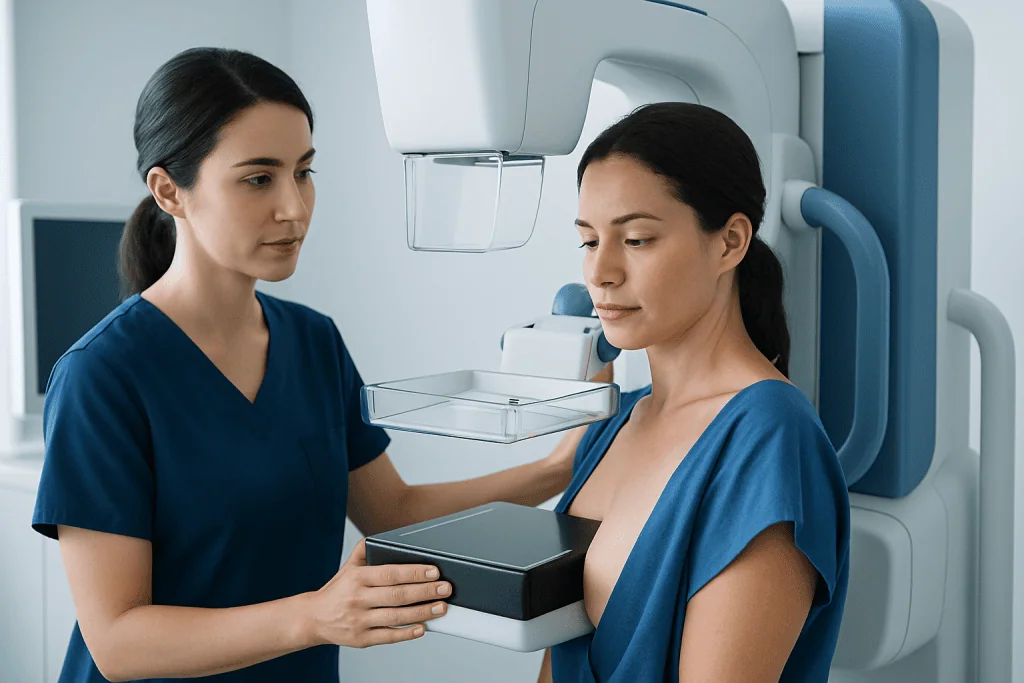
The most widely recognized sign of breast cancer is a new lump in the breast or underarm. A cancer-related lump is often firm, irregular in shape, and usually does not move easily, but not all cancerous lumps feel the same. Some may feel smooth or tender, and some cancers may not form a distinct lump at all.
Changes in breast appearance can also be important. One breast may become larger, more swollen, or change shape without a clear reason. The skin may look puckered or dimpled, sometimes compared to the texture of an orange peel. Persistent redness, thickening, or warmth of the skin should also be checked, especially if it does not improve.
Nipple changes are another possible warning sign. These may include a nipple that suddenly turns inward, scaling or crusting of the nipple area, or discharge that occurs without squeezing. Discharge that is bloody or comes from only one breast is especially important to discuss with a doctor.
Other symptoms can include ongoing pain in one part of the breast, swelling in the underarm, or enlarged lymph nodes near the collarbone. Although breast pain by itself is more often linked to benign causes, pain that is new, persistent, or associated with other changes deserves attention.
- New lump in the breast or armpit
- Change in breast size, shape, or contour
- Skin dimpling, thickening, redness, or swelling
- Nipple inversion, crusting, or unusual discharge
- Persistent pain or fullness in one area
What Else Can Cause These Symptoms?

Not every breast change means cancer. Many common and benign conditions can cause lumps, discomfort, or nipple discharge. Examples include cysts, fibroadenomas, hormonal changes related to the menstrual cycle, breastfeeding-related conditions, infections, and skin irritation.
For example, some people develop tender, fluid-filled cysts that can feel like lumps and may change over time. Others may have dense or lumpy breast tissue that naturally feels uneven. Infections such as mastitis can cause redness, warmth, and pain, especially during breastfeeding, but similar symptoms can sometimes overlap with more serious conditions.
Because symptoms can look similar, self-diagnosis is not reliable. A doctor may use a physical exam, imaging tests, and sometimes a biopsy to tell the difference between a harmless breast problem and cancer. This careful evaluation helps avoid unnecessary worry while making sure important conditions are not missed.
People who notice a persistent abnormality should not wait for it to disappear on its own if it continues beyond a normal menstrual cycle or seems to worsen. Even when the cause is benign, getting clear answers can be reassuring and helpful for ongoing breast health.
Risk Factors and Why Symptoms Matter
Anyone can develop breast cancer, but some factors can increase the likelihood. These include older age, a personal or family history of breast cancer, inherited gene changes such as BRCA mutations, certain hormonal and reproductive factors, prior chest radiation, and lifestyle factors such as alcohol use, obesity after menopause, and low physical activity.
Having risk factors does not mean a person will definitely develop breast cancer, and having no known risk factors does not mean the disease cannot occur. Many people diagnosed with breast cancer do not have a strong family history. This is why symptoms should be taken seriously regardless of a person’s background or perceived risk.
Some breast cancers are found on screening before symptoms develop, while others are first detected because a person notices a change. Both pathways are important. Screening tests and symptom awareness work together rather than replacing one another.
People who already know they are at higher risk may need more individualized surveillance. If there is a strong family history or known genetic risk, a doctor may recommend a tailored plan that goes beyond routine screening.
How Doctors Diagnose Breast Cancer Symptoms
When a person reports signs of breast cancer, the evaluation usually begins with a medical history and physical examination. The doctor may ask when the change was first noticed, whether it varies with the menstrual cycle, and whether there are related symptoms such as pain, discharge, or swelling. The breast and nearby lymph node areas are then examined carefully.
Imaging tests are often the next step. Depending on age, symptoms, and clinical findings, this may include mammography, breast ultrasound, or sometimes breast MRI. These tests help identify whether a lump is solid or fluid-filled and whether an area looks suspicious enough to need tissue sampling.
If imaging raises concern, a biopsy may be recommended. A biopsy removes a small sample of tissue so it can be examined under a microscope. This is the only way to confirm whether cancer is present. If cancer is found, additional tests may be used to determine the type, stage, and treatment plan.
Some people may also be evaluated for conditions that mimic breast cancer, such as mastitis or other benign breast disorders. The goal is to reach a clear diagnosis as efficiently and accurately as possible, while minimizing unnecessary procedures.
Treatment Options if Cancer Is Found
Treatment depends on the type of breast cancer, how far it has spread, hormone receptor and HER2 status, overall health, and personal preferences. Common treatment approaches include surgery, radiation therapy, chemotherapy, hormone therapy, targeted therapy, or a combination of these. Care is usually planned by a multidisciplinary team.
Surgery may involve removal of the tumor with a margin of healthy tissue or removal of the entire breast, depending on the situation. Some patients may also need evaluation of lymph nodes. In selected cases, breast cancer surgery is combined with reconstructive options, which can be discussed as part of treatment planning.
Systemic treatments such as chemotherapy, endocrine therapy, and targeted medicines are used to treat cancer cells that may be outside the breast. Some treatments are given before surgery to shrink the tumor, while others are used after surgery to reduce the risk of recurrence. Radiation therapy is often recommended after breast-conserving surgery and in some other situations.
Supportive care is also an important part of treatment. This may include symptom relief, nutritional support, psychological support, rehabilitation, and follow-up planning. For patients seeking international care, Acibadem International’s multidisciplinary specialists and JCI-accredited hospitals diagnose and treat breast conditions and cancers with coordinated care.
Prevention, Screening, and Self-care
There is no guaranteed way to prevent breast cancer, but some healthy habits may help lower risk and support overall wellbeing. These include maintaining a healthy weight, staying physically active, limiting alcohol, avoiding smoking, and discussing hormone therapy risks and benefits with a doctor when relevant.
Screening is one of the most important tools for finding breast cancer early, often before symptoms begin. The best screening schedule depends on age, family history, breast density, and personal risk. Many people benefit from routine mammograms, while those at higher risk may need earlier or additional imaging. A doctor can advise on the most appropriate plan.
Breast self-awareness is different from following a rigid self-exam technique. It means being familiar with what is normal for the body and noticing changes such as lumps, swelling, skin changes, or nipple discharge. If something new appears, it is best to arrange a medical review rather than waiting too long.
People with known risk factors, including inherited genetic conditions or a strong family history, may benefit from more specialized guidance. In some cases, doctors may discuss enhanced surveillance and risk-reduction strategies. Anyone concerned about hereditary risk can ask whether genetic counseling is appropriate, especially if there is a family history of breast cancer.
When to See a Doctor
A doctor should be consulted if there is a new lump, a change in breast shape, skin dimpling, nipple inversion, unexplained discharge, or swelling in the breast or underarm. It is also wise to seek medical advice for symptoms that persist after a menstrual cycle or do not improve with time. Prompt evaluation does not mean the problem is serious, but it does help avoid delays if treatment is needed.
Urgent medical review is especially important if the breast becomes red, hot, swollen, or rapidly changes appearance, or if there is bloody nipple discharge. These symptoms may be caused by infection or inflammation, but they still need professional assessment. A person should not rely on internet information alone to judge whether a symptom is harmless.
Men should also seek medical advice for breast lumps, nipple changes, or discharge, because breast cancer can occur in men as well. People who have previously had breast cancer should report any new breast or chest wall symptoms promptly, even if they attend regular follow-up visits.
In general, it is better to have a symptom checked and find out it is benign than to ignore a persistent change. Reassuringly, many breast concerns are not cancer, but a timely assessment offers clarity and supports the best possible care.
Frequently asked questions
What are the earliest signs of breast cancer?
Early signs of breast cancer can include a new lump, thickening in one area, a change in breast shape, skin dimpling, or nipple changes. Some people have no symptoms at all, which is why screening is also important.
Does breast cancer always cause a lump?
No, breast cancer does not always cause a noticeable lump. In some cases, the first sign may be skin changes, nipple inversion, swelling, or an abnormality found on a screening mammogram.
Is breast pain usually a sign of breast cancer?
Breast pain alone is more often related to benign causes such as hormonal changes, cysts, or muscle strain. However, persistent, localized, or unusual pain should still be discussed with a doctor, especially if it appears with other symptoms.
Can nipple discharge be a sign of breast cancer?
Yes, nipple discharge can sometimes be a sign of breast cancer, particularly if it is bloody, occurs without squeezing, or comes from one breast only. Many cases have non-cancerous causes, but medical evaluation is important.
How quickly should someone see a doctor for breast changes?
A new or persistent breast change should be checked without unnecessary delay. If the symptom is severe, rapidly changing, associated with redness or swelling, or includes bloody discharge, more urgent assessment is advisable.
Can younger people get breast cancer?
Yes, younger people can develop breast cancer, although the risk generally increases with age. Because it can happen at any adult age, unusual breast changes should not be dismissed simply because a person is young.
References
- World Health Organization
- American Cancer Society
- National Cancer Institute
- Centers for Disease Control and Prevention
- National Comprehensive Cancer Network
This article is for general information only and is not a substitute for professional medical advice. Please consult a qualified doctor about your individual situation.
Breast Cancer in Turkey — costs, top hospitals & a free quote
JCI-accredited · board-certified surgeons · reply within 24h
Add us as a Preferred Source to see more of our trusted health content across Google Search, AI Overviews and Discover.

Medical Oncology Department
Medical treatment of cancer with chemotherapy, immunotherapy and targeted therapies under a multidisciplinary tumor board.
60 specialists in this unit