Signs of Pancreatic Cancer: Symptoms and Risk Factors

Signs of pancreatic cancer may include jaundice, abdominal or back pain, weight loss, poor appetite, and changes in digestion. Early pancreatic cancer may cause no clear symptoms, which is one reason diagnosis can be delayed.
Key Takeaways
- Signs of pancreatic cancer may include jaundice, abdominal or back pain, weight loss, poor appetite, and changes in digestion.
- Early pancreatic cancer may cause no clear symptoms, which is one reason diagnosis can be delayed.
- Risk factors include smoking, older age, chronic pancreatitis, obesity, diabetes, and some inherited genetic conditions.
- Doctors use a combination of medical history, blood tests, imaging, and biopsy to confirm the diagnosis.
- Treatment depends on the cancer stage and may include surgery, chemotherapy, radiation therapy, or supportive care.
- Persistent or unexplained symptoms should be evaluated by a qualified doctor, especially in people with known risk factors.
Signs of pancreatic cancer are often subtle at first and can overlap with many more common conditions. Knowing the possible symptoms and risk factors can help people seek medical advice sooner and understand how diagnosis and treatment are planned.
Overview
The pancreas is a gland located deep in the abdomen behind the stomach. It helps with digestion by producing enzymes and also supports blood sugar control by making hormones such as insulin. Pancreatic cancer develops when abnormal cells in the pancreas grow out of control, most commonly in the ducts of the pancreas.
Signs of pancreatic cancer can be difficult to recognize early because they often appear gradually and may resemble symptoms caused by digestive problems, gallstones, ulcers, or other noncancerous conditions. Some people do not notice any symptoms until the disease is more advanced. This does not mean every symptom points to cancer, but persistent or unexplained changes deserve medical attention.
Understanding possible warning signs and risk factors can help people know when to seek assessment. Early evaluation does not confirm a serious illness, but it can help identify the cause of symptoms and, when needed, allow treatment to begin as soon as possible.
Symptoms and early warning signs
One of the best-known signs of pancreatic cancer is jaundice, a yellowing of the skin and eyes. This can happen when a tumor blocks the bile duct, causing bile to build up in the body. Jaundice may also be accompanied by dark urine, pale or greasy stools, and itching. These symptoms can also occur with liver or gallbladder disorders, so medical evaluation is important.
Abdominal pain is another common symptom. The discomfort may be felt in the upper abdomen and sometimes spreads to the back. In some cases, the pain is worse after eating or when lying down. Ongoing indigestion, nausea, bloating, or a feeling of fullness may also occur, especially if digestion is affected.
Unexplained weight loss and reduced appetite are common in many cancers, including pancreatic cancer. Some people notice tiredness, weakness, or a general decline in energy. Others may develop diarrhea or stools that are oily and difficult to flush because the pancreas is not releasing enough digestive enzymes.
Pancreatic cancer can sometimes lead to new-onset diabetes or make existing diabetes harder to control. A sudden change in blood sugar patterns, especially in an older adult with weight loss or digestive symptoms, may prompt further investigation. Still, diabetes is common and usually has causes other than cancer, so it should be interpreted in the full clinical context.
Causes and risk factors

The exact cause of pancreatic cancer is not always known. Like many cancers, it develops through changes in the DNA of cells that affect how they grow and divide. These changes can happen over time through a combination of aging, environmental exposures, inflammation, and inherited traits.
Several factors are known to increase risk. Smoking is one of the clearest modifiable risk factors. Others include older age, obesity, long-standing diabetes, chronic pancreatitis, and a family history of pancreatic cancer. Certain inherited syndromes and gene changes, including BRCA-related syndromes and some familial cancer syndromes, may also raise the chance of developing the disease.
Some people with pancreatic cysts or other pancreatic conditions may need monitoring because a small number of these changes can become cancerous over time. Inherited risk does not mean a person will definitely develop cancer, but it may affect whether doctors recommend genetic counseling or additional screening.
- Smoking or tobacco exposure
- Age, especially later adulthood
- Obesity and low physical activity
- Chronic pancreatitis
- Diabetes, particularly recent-onset diabetes in some adults
- Family history of pancreatic or related cancers
- Certain hereditary genetic syndromes
How pancreatic cancer is diagnosed
Diagnosis begins with a careful review of symptoms, medical history, and family history, followed by a physical examination. Blood tests may help assess liver function, bilirubin levels, and overall health. In some cases, doctors also order tumor marker tests such as CA 19-9, but these are not enough on their own to diagnose pancreatic cancer because they can be abnormal in other conditions as well.
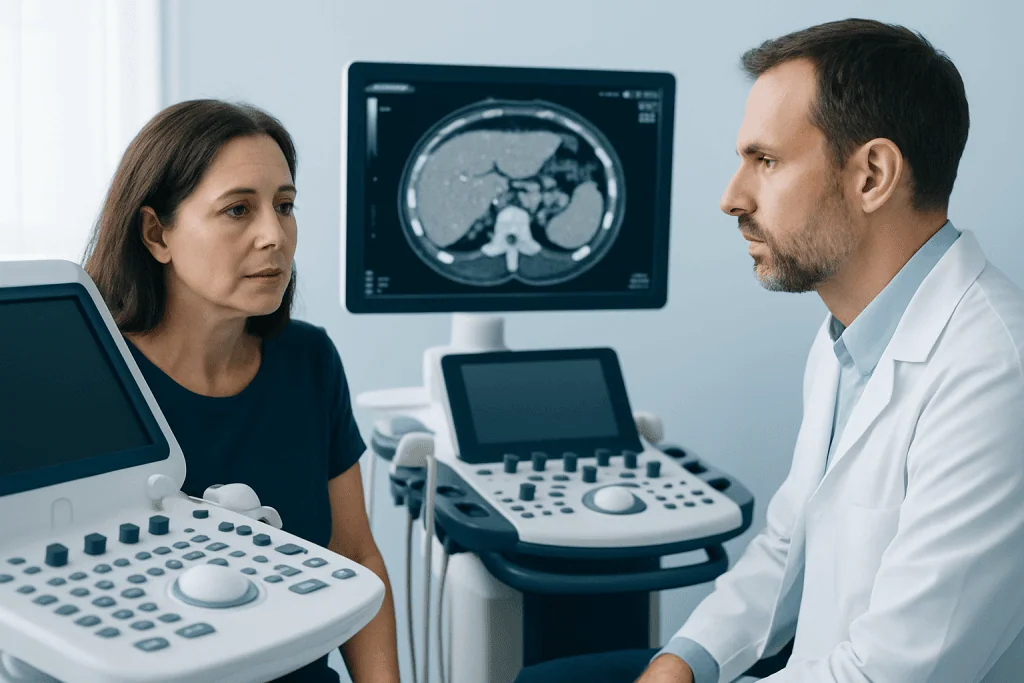
Imaging tests are central to diagnosis. A doctor may request abdominal ultrasound, contrast-enhanced CT, MRI, or special scans to look at the pancreas and nearby organs. Endoscopic ultrasound allows detailed imaging from inside the digestive tract and can help detect small masses or suspicious lymph nodes. If needed, tissue samples can be taken during the same procedure.
A biopsy is usually needed to confirm the diagnosis before many treatments begin. Pathologists examine the tissue under a microscope to identify the exact cancer type. Once cancer is confirmed, further imaging and staging tests help determine whether it is localized, involves nearby structures, or has spread to other parts of the body. This staging process guides treatment decisions.
Because symptoms overlap with other pancreatic and digestive conditions, doctors may also consider problems such as pancreatitis or bile duct obstruction during the workup. A structured and timely evaluation helps clarify the cause and plan the next steps safely.
Treatment options
Treatment depends on the type of pancreatic cancer, its stage, the person’s general health, and personal treatment goals. When the cancer is found at an early stage and has not spread beyond the pancreas, surgery may offer the best chance of long-term control. Operations can be complex because the pancreas is close to major blood vessels and other important organs, so treatment planning is usually led by an experienced multidisciplinary team.
For some tumors, surgery is followed by chemotherapy to reduce the chance of recurrence. In other cases, chemotherapy is given before surgery to try to shrink the tumor and improve the chance of complete removal. Radiation therapy may also be used in selected situations, often alongside other treatments. Depending on the case, doctors may discuss pancreatic cancer treatment plans that combine several approaches.
If the cancer cannot be removed surgically or has spread, treatment usually focuses on controlling the disease, easing symptoms, and preserving quality of life. This may include systemic therapy such as chemotherapy, targeted treatment in specific genetic settings, symptom-directed radiation, or procedures to relieve blocked bile ducts or digestive obstruction. Pain management, nutrition support, and diabetes care are also important parts of treatment.
Supportive care is valuable at every stage, not only in advanced disease. It can help manage pain, fatigue, appetite loss, digestive symptoms, and emotional stress. In specialized centers, doctors may also coordinate surgical treatment such as the Whipple procedure when this is appropriate for tumors in the head of the pancreas.
Prevention and self-care
There is no guaranteed way to prevent pancreatic cancer, but some healthy lifestyle choices may help reduce risk and support overall well-being. Not smoking is one of the most important steps. Maintaining a healthy weight, staying physically active, and following a balanced diet rich in vegetables, fruits, whole grains, and lean proteins are also sensible measures for general health.
Good management of chronic conditions matters as well. People with diabetes should continue regular medical follow-up, and those with chronic pancreatitis should work closely with their care team to reduce flare-ups and monitor symptoms. Limiting alcohol intake may also be helpful for pancreatic and liver health, especially in people at risk for pancreatitis.
People with a strong family history of pancreatic cancer or known hereditary cancer syndromes may benefit from genetic counseling. A doctor can explain whether specialized surveillance is appropriate. Self-care also includes paying attention to changes in the body, such as unexplained jaundice, ongoing abdominal pain, or steady weight loss, and seeking assessment rather than waiting for symptoms to pass.
When to see a doctor
A person should speak with a doctor if symptoms are persistent, unexplained, or getting worse. Warning signs that deserve prompt evaluation include jaundice, dark urine, pale stools, ongoing upper abdominal pain, back pain, unexplained weight loss, poor appetite, or new digestive changes that do not improve. These symptoms often have causes other than cancer, but they should not be ignored.
It is also wise to seek medical advice for sudden changes in diabetes control, especially when this happens together with weight loss or abdominal symptoms. Anyone with chronic pancreatitis, a pancreatic cyst under follow-up, or a strong family history of pancreatic or related cancers should keep regular appointments and discuss any new symptoms early.
When care is needed, patients may benefit from centers with gastroenterology, radiology, oncology, surgery, nutrition, and supportive care expertise working together. Acibadem International’s multidisciplinary specialists and JCI-accredited hospitals diagnose and treat pancreatic conditions, including cancer, for international patients.
Frequently asked questions
What are the first signs of pancreatic cancer?
Early signs of pancreatic cancer may be vague or absent. When symptoms do appear, they can include jaundice, upper abdominal or back pain, poor appetite, unexplained weight loss, and digestive changes. Because these symptoms are not specific, a doctor may need tests to find the cause.
Does pancreatic cancer always cause pain?
No, pancreatic cancer does not always cause pain in the early stages. Some people first notice jaundice, weight loss, appetite loss, or changes in digestion instead. Pain may develop later or may be felt in the upper abdomen and back.
Can diabetes be a sign of pancreatic cancer?
In some cases, new-onset diabetes or suddenly worsening blood sugar control can be associated with pancreatic cancer. However, diabetes is very common and usually has other causes. Doctors look at diabetes together with age, weight loss, and other symptoms before deciding on further testing.
Who is at higher risk for pancreatic cancer?
Risk is higher in people who smoke, are older, have obesity, chronic pancreatitis, or certain inherited genetic syndromes. A family history of pancreatic cancer can also increase risk. Having one or more risk factors does not mean a person will definitely develop cancer.
How do doctors confirm pancreatic cancer?
Doctors usually combine blood tests, imaging studies, and a biopsy. CT, MRI, or endoscopic ultrasound can help locate a suspicious area, while a tissue sample confirms the diagnosis under a microscope. Additional tests are then used to determine the stage and guide treatment.
Is pancreatic cancer curable?
Some pancreatic cancers can be treated successfully, especially when found early enough for surgery. In many cases, treatment focuses on controlling the disease, relieving symptoms, and improving quality of life. The outlook depends on the stage, tumor type, and overall health of the patient.
References
- World Health Organization
- American Cancer Society
- National Cancer Institute
- National Health Service
- European Society for Medical Oncology
This article is for general information only and is not a substitute for professional medical advice. Please consult a qualified doctor about your individual situation.
Pancreatic Cancer in Turkey — costs, top hospitals & a free quote
JCI-accredited · board-certified surgeons · reply within 24h
Add us as a Preferred Source to see more of our trusted health content across Google Search, AI Overviews and Discover.