Pediatric Stroke: Early Warning Signs and Urgent Neurology Evaluation

Pediatric stroke can cause sudden weakness, facial droop, speech difficulty, vision changes, severe headache, or seizures. Stroke in children may be mistaken for migraine, seizure disorders, infections, or Bell’s palsy, so early assessment is important.
Key Takeaways
- Pediatric stroke can cause sudden weakness, facial droop, speech difficulty, vision changes, severe headache, or seizures.
- Stroke in children may be mistaken for migraine, seizure disorders, infections, or Bell’s palsy, so early assessment is important.
- Both ischemic stroke and hemorrhagic stroke can occur in children, and causes often differ from those in adults.
- Urgent diagnosis usually involves neurological examination and brain imaging such as MRI or CT.
- Treatment depends on the type and cause of stroke and may include medicines, procedures, rehabilitation, and long-term follow-up.
- Children with sudden neurological symptoms should receive immediate emergency care.
Pediatric stroke is uncommon, but it can happen in newborns, infants, children, and teenagers. Recognizing early warning signs and seeking urgent medical care can help reduce complications and support better recovery.
Overview of Pediatric Stroke
Pediatric stroke happens when blood flow to part of a child’s brain is interrupted or when bleeding occurs in or around the brain. Although stroke is more often associated with older adults, it can also affect newborns, infants, children, and adolescents. Because it is less common in children, the diagnosis may be delayed if symptoms are mistaken for other conditions.
There are two main types of pediatric stroke. Ischemic stroke is caused by a blockage in a blood vessel supplying the brain. Hemorrhagic stroke happens when a blood vessel breaks and causes bleeding. In newborns, doctors may also use the term perinatal stroke for strokes that occur shortly before or after birth.
Pediatric stroke is a medical emergency. Quick recognition and urgent neurology evaluation can help identify the cause, guide treatment, and lower the risk of brain injury. Early care also helps families start rehabilitation and long-term support as soon as possible.
Early Warning Signs and Symptoms
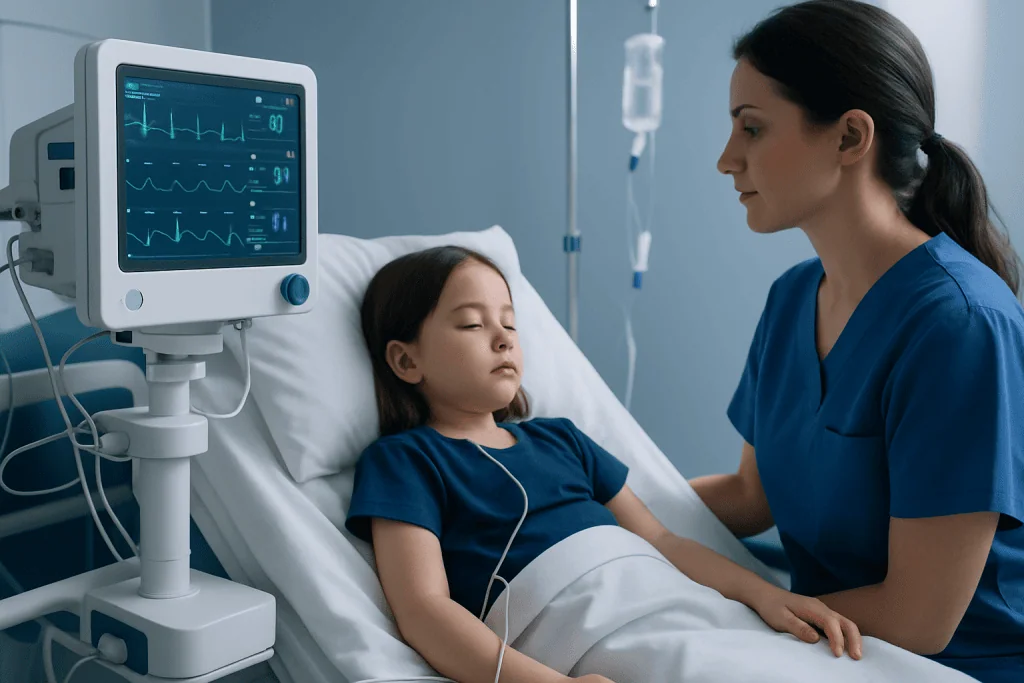
The symptoms of pediatric stroke can vary with a child’s age and the area of the brain involved. In older children and teenagers, signs may resemble adult stroke symptoms. These can include sudden weakness or numbness on one side of the body, facial drooping, trouble speaking, confusion, difficulty walking, vision changes, dizziness, or a sudden severe headache.
In infants and younger children, the signs can be less specific. A baby may have seizures, unusual sleepiness, poor feeding, reduced movement on one side, or delays in reaching developmental milestones. Some children may appear irritable or less responsive than usual. Because these signs can overlap with infections, seizures, or other neurological problems, urgent assessment is still important.
Families and caregivers should seek emergency care if a child develops sudden neurological symptoms, even if they improve quickly. A brief episode may still reflect a serious problem. Possible warning signs include:
- Sudden weakness of the face, arm, or leg, especially on one side
- New trouble speaking or understanding speech
- Sudden vision loss or double vision
- Severe unexplained headache, especially with vomiting
- New seizures, particularly if one-sided weakness follows
- Loss of balance, trouble walking, or sudden clumsiness
- Reduced alertness or sudden behavior change
Causes and Risk Factors

The causes of pediatric stroke are often different from those in adults. In children, stroke may be linked to congenital heart disease, blood clotting disorders, blood vessel abnormalities, head or neck injury, infections, inflammatory conditions, or certain genetic disorders. Some children have more than one risk factor, while in others no clear cause is found at first.
Conditions affecting the blood vessels of the brain can increase risk. These include arterial narrowing, dissection, vasculitis, and abnormal connections between arteries and veins. Brain bleeding may be related to vascular malformations or aneurysms, and some children are diagnosed after evaluation for brain aneurysm or another structural blood vessel problem.
Other important risk factors include sickle cell disease, dehydration, severe anemia, heart rhythm problems, and clotting abnormalities. In newborns, factors around pregnancy and delivery may contribute. Children with a history of certain heart conditions or previous neurological events may need specialist follow-up because recurrence is possible in some cases.
How Pediatric Stroke Is Diagnosed
Doctors diagnose pediatric stroke by combining the child’s symptoms, medical history, neurological examination, and urgent imaging tests. The first goal is to determine whether symptoms are due to stroke and, if so, whether the stroke is ischemic or hemorrhagic. This distinction is essential because treatment differs.
Brain imaging usually plays a central role. MRI is often very helpful for confirming stroke and showing the affected area of the brain, while CT can quickly identify bleeding and may be used in urgent settings. Depending on the situation, doctors may also evaluate the blood vessels in the brain and neck with specialized scans, including studies related to MRI imaging or CT imaging.
Additional tests may include blood work, heart evaluation such as echocardiography, and monitoring for clotting or inflammatory disorders. In some children, neurologists and other specialists investigate seizure disorders, infection, migraine, or cerebral palsy-related movement concerns if symptoms are complex or if a previous stroke may have gone unrecognized.
Treatment Options and Urgent Care
Treatment for pediatric stroke depends on the type of stroke, the time symptoms began, the child’s age, and the underlying cause. Emergency care focuses on stabilizing breathing, circulation, hydration, and seizure control if needed. Doctors also work quickly to reduce further brain injury and prevent complications.
For ischemic stroke, treatment may include medicines that help reduce the risk of further clotting, such as antithrombotic therapy, when appropriate. In carefully selected cases and specialized centers, interventional procedures may be considered to restore blood flow. Some children may need evaluation by teams experienced in interventional neuroradiology if a blocked vessel or vascular abnormality is suspected.
For hemorrhagic stroke, care may involve controlling blood pressure, treating the source of bleeding, and managing pressure inside the skull. If a vascular malformation or other structural cause is found, neurosurgical or endovascular treatment may be discussed. Children who develop complications such as hydrocephalus, ongoing seizures, or significant swelling need close hospital monitoring.
After emergency treatment, many children benefit from rehabilitation. This may include physical therapy, occupational therapy, speech and language therapy, neuropsychological support, and school planning. Recovery varies, but early therapy can help the brain adapt and support function over time.
Recovery, Long-Term Effects, and Follow-Up
Some children recover well after pediatric stroke, while others may have lasting effects. These can include weakness on one side of the body, coordination problems, speech or language difficulties, learning challenges, behavior changes, or recurrent seizures. In babies, the effects may become more noticeable over time as developmental milestones unfold.
Long-term follow-up is often important because a child’s needs can change with age. Neurologists may monitor movement, cognition, attention, mood, and school performance. Regular visits also help doctors adjust medicines, assess recurrence risk, and support the family’s care plan.
Parents and caregivers can help by keeping therapy appointments, tracking new symptoms, and staying in contact with the child’s school and healthcare team. If a child has weakness or developmental concerns after stroke, specialists may also evaluate related conditions such as epilepsy or other neurological complications that can affect recovery.
Prevention, Self-Care, and When to Seek a Doctor
Not every pediatric stroke can be prevented, but managing known risk factors may lower the chance of stroke or recurrence. Children with congenital heart disease, sickle cell disease, clotting disorders, or vascular abnormalities may need regular specialist care. Good hydration, prompt treatment of infections, and following medical advice for chronic conditions can also be helpful.
Families should learn the child’s specific warning signs if a risk factor is already known. It can help to keep a list of medicines, diagnoses, allergies, and specialist contacts available. Children recovering from stroke may also need healthy routines that support sleep, nutrition, physical activity within medical guidance, and emotional well-being.
Emergency care is needed for any child with sudden weakness, facial droop, speech trouble, seizure with one-sided weakness, severe unexplained headache, loss of vision, or sudden trouble walking. Even if symptoms seem to improve, urgent evaluation is still necessary. Near the end of the care journey, families may also seek support from experienced pediatric neurology and neurosurgery teams; Acibadem International’s multidisciplinary specialists in JCI-accredited hospitals diagnose and treat pediatric neurological conditions for international patients.
Frequently asked questions
Can children really have a stroke?
Yes. Although stroke is less common in children than in adults, it can occur at any age, including around birth. Because many people do not expect stroke in children, diagnosis can sometimes be delayed.
What are the first signs of pediatric stroke?
Warning signs may include sudden weakness on one side, facial drooping, trouble speaking, vision changes, loss of balance, severe headache, or seizures. In babies, symptoms may be less obvious and can include poor feeding, unusual sleepiness, or reduced movement on one side.
Is pediatric stroke different from adult stroke?
Yes. The main types of stroke are similar, but the causes in children are often different. Congenital heart disease, blood disorders, vessel abnormalities, infections, and genetic conditions are more important causes in children than the common adult risk factors.
How quickly should a child be seen if stroke is suspected?
Immediately. Pediatric stroke is a medical emergency, and urgent evaluation in an emergency department is important even if symptoms improve. Fast assessment helps determine the cause and the safest treatment.
Can a child recover after a stroke?
Many children improve with timely treatment and rehabilitation, but recovery varies from child to child. Some may have lasting movement, speech, learning, or seizure-related problems that require long-term support and follow-up.
What tests are used to diagnose pediatric stroke?
Doctors usually use a neurological examination and brain imaging such as MRI or CT. Blood tests, heart tests, and blood vessel imaging may also be needed to understand the cause and plan treatment.
References
- American Heart Association
- National Institute of Neurological Disorders and Stroke
- Centers for Disease Control and Prevention
- World Stroke Organization
- American Academy of Pediatrics
This article is for general information only and is not a substitute for professional medical advice. Please consult a qualified doctor about your individual situation.
Explore treatments in Turkey — costs, top hospitals & a free quote
JCI-accredited · board-certified surgeons · reply within 24h
Add us as a Preferred Source to see more of our trusted health content across Google Search, AI Overviews and Discover.