Migraine MRI: When Brain Imaging Is Needed for Headache

Most people with a typical migraine pattern and a normal neurological exam do not need an MRI. MRI may be recommended if headaches are new, changing, unusually severe, or linked with neurological symptoms.
Key Takeaways
- Most people with a typical migraine pattern and a normal neurological exam do not need an MRI.
- MRI may be recommended if headaches are new, changing, unusually severe, or linked with neurological symptoms.
- A migraine itself does not usually show up as a specific abnormality on MRI.
- Brain imaging helps rule out other conditions such as stroke, bleeding, inflammation, or structural problems.
- A doctor decides whether MRI, CT, or no imaging is most appropriate based on symptoms and examination findings.
A migraine MRI is not routinely required for every headache. Brain imaging is usually considered when symptoms suggest something other than a typical migraine pattern or when a doctor needs to rule out other causes.
Overview: Does Migraine Need an MRI?
Many people who live with migraine wonder whether they need a brain scan. In most cases, the answer is no. If a person has symptoms that fit a typical migraine pattern and their neurological examination is normal, doctors often diagnose migraine based on the history alone.
An MRI does not diagnose migraine in the same way a blood test can diagnose some other illnesses. Instead, a migraine MRI is mainly used to look for other possible causes of headache, such as structural abnormalities, signs of stroke, inflammation, bleeding, or rarely a tumor. This is why imaging is usually reserved for situations where the headache pattern is unusual or there are warning signs.
MRI stands for magnetic resonance imaging. It uses a strong magnet and radio waves to create detailed pictures of the brain and nearby structures. Compared with CT, MRI generally provides more detailed images of soft tissues and does not use ionizing radiation, which is one reason it is often preferred when brain imaging is needed for ongoing headache assessment.
When Doctors Consider Brain Imaging for Headache
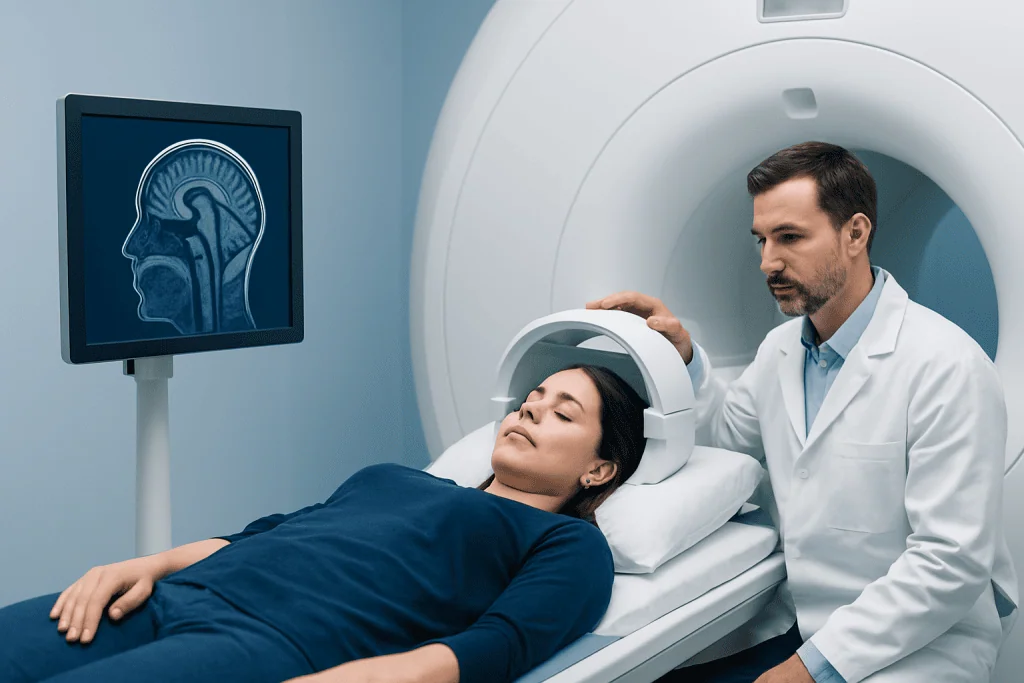
Doctors think about imaging when a headache does not behave like a person’s usual migraine or when certain features raise concern for another condition. These are often called “red flags.” Red flags do not automatically mean something serious is present, but they do mean a closer evaluation is sensible.
Examples include a sudden and very severe headache that reaches peak intensity quickly, a new headache in someone older than 50, headache after a head injury, or headaches that are becoming steadily more frequent or more intense without a clear reason. Imaging may also be advised if a person has cancer, immune system problems, pregnancy-related complications, or an infection that could affect the brain.
Neurological symptoms can also matter. Weakness, new confusion, fainting, seizures, trouble speaking, persistent numbness, vision loss, or a major change in balance may prompt urgent imaging. In some cases, doctors may also investigate a headache that wakes a person from sleep, is triggered by coughing or straining, or is associated with fever, neck stiffness, or a significant change in personality or alertness.
- Sudden “worst headache” or thunderclap headache
- New or changing headache pattern
- Abnormal neurological examination
- Headache with fever, seizure, or confusion
- Headache after trauma
- New headache during pregnancy or postpartum
- Headache in people with cancer or weakened immunity
Symptoms That Usually Fit Typical Migraine

Migraine often has recognizable features. It commonly causes moderate to severe head pain, sometimes on one side, with a throbbing or pulsating quality. The headache may worsen with routine activity and may be accompanied by nausea, vomiting, and sensitivity to light, sound, or smells.
Some people experience aura before or during a migraine attack. Aura can include flashing lights, zigzag lines, temporary blind spots, tingling, or speech disturbance. Although aura can be unsettling, it can still be part of a typical migraine pattern when it is brief, reversible, and consistent with prior attacks. A doctor may diagnose migraine clinically when these features are present and no red flags are found.
Even when symptoms strongly suggest migraine, the diagnosis should still come from a qualified clinician, especially if attacks are new or changing. Headaches can overlap, and conditions such as tension headache or other neurological problems may sometimes resemble migraine at first. Keeping a headache diary can help a doctor understand the timing, triggers, duration, and associated symptoms.
MRI vs CT: Which Scan Is Used and Why?
When imaging is needed, the choice between MRI and CT depends on the situation. MRI is often preferred for non-emergency evaluation of recurring or unexplained headaches because it gives detailed images of the brain tissue, blood vessels, and nearby structures. It can be especially useful when doctors want to look for inflammation, demyelinating disease, small structural changes, or posterior brain abnormalities.
CT scans are faster and are often used in emergencies, especially if there is concern about sudden bleeding, major injury, or a thunderclap headache. A doctor may recommend a CT scan first in urgent situations, with MRI later if more detail is needed. The best test depends on the timing of symptoms, the suspected cause, and whether the situation is urgent.
Sometimes contrast dye is used during MRI to improve visibility of certain tissues or blood vessels. In other cases, specialized imaging such as brain MRI or vascular studies may be requested. The decision is individualized, and not every person with headache needs the same type of scan.
What MRI Can and Cannot Show in Migraine
A common misunderstanding is that MRI can “prove” migraine. In reality, many people with migraine have a normal MRI. The scan is often helpful because it can rule out other causes rather than confirm migraine itself.
Sometimes MRI shows small white matter spots or other incidental findings. These can be seen in some people with migraine, but they are usually nonspecific and do not necessarily explain the headache. Incidental findings are changes discovered by chance that may not be harmful, though they sometimes need follow-up depending on their appearance and the person’s medical history.
If symptoms suggest a problem with blood flow, a doctor may order more specialized imaging, such as MR angiography, to look at the blood vessels. This can help assess concerns such as aneurysm, narrowing, or other vascular causes of headache. The treating team interprets the scan together with the examination and symptom pattern.
How Migraine Is Diagnosed Without Routine Imaging
For most patients, migraine diagnosis begins with a careful medical history and neurological examination. The doctor asks about when the headaches started, how often they happen, how long they last, where the pain is located, what it feels like, and what symptoms come with it. Personal and family history also matter because migraine often runs in families.
The examination helps identify whether the nervous system appears normal. If the pattern is typical and no warning signs are present, imaging often adds little useful information. In these cases, avoiding unnecessary tests can reduce stress, cost, and incidental findings that may lead to more testing without improving care.
Doctors may also review medications, caffeine intake, sleep habits, hormonal factors, hydration, and stress. Overuse of pain relievers can contribute to frequent headaches, and other conditions such as sinus disease, vision problems, or sleep disorders may also need consideration. When the diagnosis is uncertain, referral to a headache specialist or neurologist can be helpful.
Treatment, Prevention, and Self-Care
If MRI is normal and the diagnosis is migraine, treatment focuses on symptom relief and prevention. Acute treatment may include migraine-specific medicines, anti-nausea treatment, or pain relief recommended by a physician. Preventive treatment may be advised when attacks are frequent, disabling, or difficult to control.
Self-care is also important. Many people benefit from regular sleep, steady meals, good hydration, exercise as tolerated, and attention to personal triggers such as stress, alcohol, bright light, missed meals, or certain foods. A headache diary can help identify patterns and measure whether treatment is working.
Because repeated headaches can affect quality of life, it is important not to rely only on over-the-counter pain medicine without guidance. Overuse can sometimes worsen headache frequency. If symptoms are persistent or disruptive, a doctor can create a treatment plan that may include lifestyle measures, medication, and in selected cases further evaluation. Near the end of the care pathway, some patients may benefit from multidisciplinary assessment; Acibadem International’s specialists in JCI-accredited hospitals diagnose and treat headache disorders for international patients.
When to See a Doctor Urgently
Most migraines are not medical emergencies, but some headaches need urgent attention. A person should seek prompt medical care for a sudden explosive headache, a headache with weakness or trouble speaking, fainting, seizure, fever with neck stiffness, confusion, or a major change in vision. Headache after a head injury also deserves prompt assessment.
It is also wise to see a doctor if headaches are becoming more frequent, if the pattern has changed, if usual treatment no longer helps, or if the headaches began for the first time later in life. New headaches during pregnancy or in the weeks after delivery should also be evaluated. These situations do not always mean a serious problem, but they do need professional review.
For people who already have migraine, it can be reassuring to know that not every change means brain imaging is needed. The safest approach is to discuss any new or unusual symptoms with a qualified clinician, who can decide whether observation, a medication adjustment, or tests such as imaging are appropriate.
Frequently asked questions
Do all people with migraine need an MRI?
No. Most people with a typical migraine history and a normal neurological examination do not need MRI. Doctors usually order imaging only when symptoms are unusual, new, severe, or suggest another condition.
Can an MRI confirm that a person has migraine?
Not usually. Migraine is mainly diagnosed from symptoms, medical history, and examination findings. MRI is more useful for ruling out other causes of headache than for proving migraine itself.
What symptoms make MRI more likely to be recommended?
Imaging is more likely if there is a sudden severe headache, a new or changing pattern, abnormal neurological symptoms, seizures, confusion, fever, or headache after trauma. Doctors also consider imaging in people with cancer, immune suppression, or pregnancy-related concerns.
Is MRI better than CT for migraine evaluation?
MRI often provides more detailed brain images and is commonly preferred for non-emergency headache evaluation. CT is faster and is often used first in emergencies, especially when bleeding or major injury is a concern.
What if the MRI is normal but headaches continue?
A normal MRI does not mean the headaches are not real. It simply means no structural cause was seen on the scan. Ongoing symptoms may still be due to migraine or another primary headache disorder, and treatment can still help.
Can migraine cause changes on MRI?
Some people with migraine may have small nonspecific findings on MRI, such as white matter spots. These changes are often incidental and do not necessarily explain the headache. A doctor interprets them in the full clinical context.
References
- American Headache Society
- American College of Radiology
- National Institute of Neurological Disorders and Stroke
- Mayo Clinic
- National Health Service
This article is for general information only and is not a substitute for professional medical advice. Please consult a qualified doctor about your individual situation.
Migraine in Turkey — costs, top hospitals & a free quote
JCI-accredited · board-certified surgeons · reply within 24h
Add us as a Preferred Source to see more of our trusted health content across Google Search, AI Overviews and Discover.