Shoulder Replacement Recovery Timeline: What to Expect Week by Week

Recovery after shoulder replacement happens in stages and usually continues for several months. Pain and swelling are most noticeable early on, then typically improve with rest, medication, and guided movement.
Key Takeaways
- Recovery after shoulder replacement happens in stages and usually continues for several months.
- Pain and swelling are most noticeable early on, then typically improve with rest, medication, and guided movement.
- Physical therapy is a key part of regaining shoulder function safely.
- The exact timeline varies based on the type of shoulder replacement, age, health status, and surgical goals.
- Patients should contact their doctor promptly if they develop fever, worsening redness, severe pain, or sudden loss of function.
A shoulder replacement recovery timeline is gradual, with the first weeks focused on pain control and protection, followed by months of rehabilitation to rebuild movement and strength. Most people improve step by step, but recovery speed depends on the type of surgery, overall health, and how closely rehabilitation instructions are followed.
Overview: How Long Does Shoulder Replacement Recovery Take?
Shoulder replacement recovery is a process, not a single event. In general, the earliest phase lasts a few weeks and focuses on healing, pain control, and protecting the new joint. The next phase emphasizes gentle movement and rebuilding daily function, while later months are devoted to restoring strength, endurance, and confidence in using the arm.
Many patients notice meaningful improvement in pain within the first several weeks, but full recovery often takes several months. For some, steady gains continue for up to a year. This is especially true when the shoulder was very stiff or painful before surgery, or when the procedure was more complex.
The exact shoulder replacement recovery timeline depends on the type of operation performed, such as total shoulder replacement, reverse shoulder replacement, or partial replacement. The surgeon may also tailor restrictions and rehabilitation to the condition of the rotator cuff, bone quality, and the reason surgery was needed in the first place.
Although each patient heals differently, a structured plan can make recovery feel more predictable. Understanding what usually happens week by week can help patients prepare for the early recovery period and stay engaged with rehabilitation.
Week-by-Week Recovery Timeline
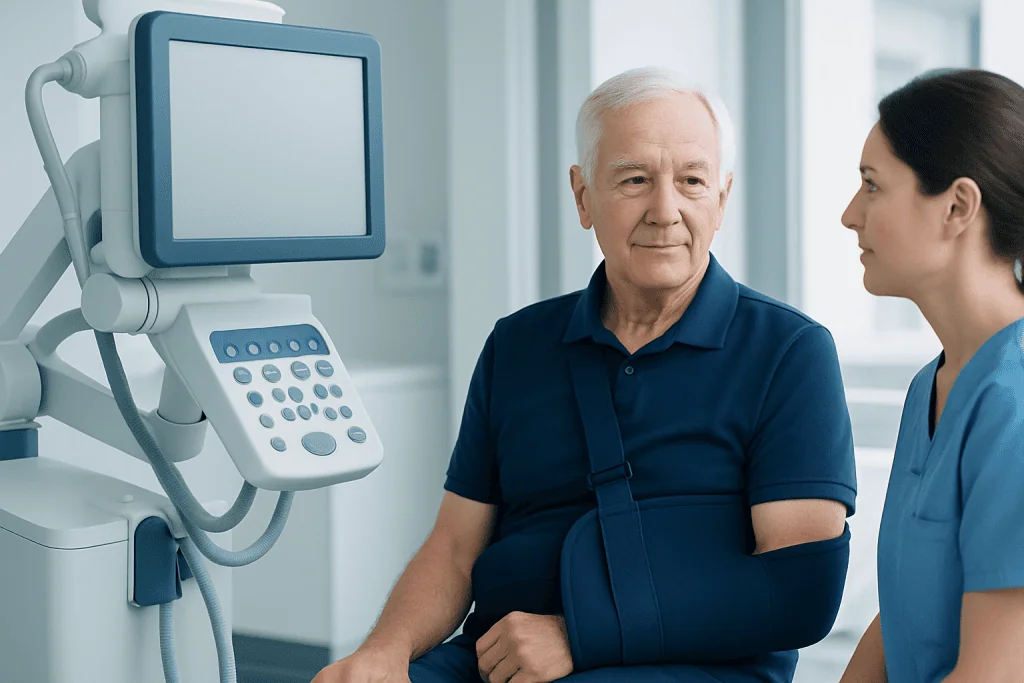
Days 1 to 7: During the first week, the main goals are pain control, wound care, and safe movement. The arm is usually supported in a sling, and the shoulder should be protected from sudden or heavy use. Patients may begin very gentle exercises recommended by the surgical team, such as hand, wrist, elbow, and limited shoulder movements. Fatigue is common, and help at home is often needed for dressing, bathing, and meal preparation.
Weeks 2 to 4: Swelling and bruising usually begin to settle, though discomfort can still be present. Many patients continue wearing a sling most of the time, depending on the procedure and surgeon’s instructions. Sleep may still be difficult, and some people are more comfortable resting in a semi-upright position. Early physical therapy often focuses on passive or assisted movement, meaning the shoulder is moved carefully without active lifting by the healing muscles.
Weeks 4 to 6: At this stage, patients often become more comfortable performing light daily tasks below shoulder level. Follow-up visits may include wound review, discussion of pain control, and guidance on increasing motion. Some restrictions may be eased, but it remains important to avoid overusing the shoulder. Pushing, pulling, lifting, and sudden reaching can still place too much strain on healing tissues.
Weeks 6 to 12: This is often the transition to more active rehabilitation. Depending on healing progress, therapy may begin to include active movement and gentle strengthening. Many patients can gradually return to desk-based work and simple household tasks. Driving may be possible for some people once they are off sedating pain medicines and can control the arm safely, but this should only happen with medical clearance.
Months 3 to 6: Strength and endurance usually improve more noticeably during this period. Daily activities become easier, and sleep often improves. Therapy may progress to functional exercises that support tasks such as reaching, grooming, and light carrying. Patients who had surgery for severe arthritis often feel significant pain relief by this stage, though range of motion may still continue to improve.
After 6 months: Many patients have regained a good level of comfort and function, but refinement continues. Some movements, especially reaching behind the back or overhead, may take longer to return and may not fully normalize. The long-term goal is a stable, less painful, more usable shoulder rather than a quick return to intense lifting or contact sports.
What Symptoms Are Normal During Recovery?

Some soreness, swelling, bruising, and stiffness are expected after shoulder replacement. The shoulder and upper arm may feel heavy or weak at first, and the skin around the incision can be tender. It is also common to have temporary limitations in sleeping comfortably, putting on clothes, and reaching for objects.
As the early healing phase progresses, pain usually becomes more manageable and movement slowly increases. Mild clicking or unusual sensations during motion can occur as tissues adapt, but these should be discussed with the care team if they are persistent or concerning. Patients may also notice that progress is not perfectly linear; some days feel easier than others.
Physical therapy exercises can cause temporary soreness, especially when a new movement is introduced. In most cases, this settles with rest and does not mean damage has occurred. Following the therapist’s instructions closely helps balance safe progress with protection of the new joint.
It is important to know which symptoms are less typical. Increasing redness around the incision, wound drainage, fever, severe or sudden worsening pain, numbness that does not improve, or a feeling that the joint has shifted should be reported promptly. These symptoms do not always mean a serious problem, but they need medical review.
What Affects the Shoulder Replacement Recovery Timeline?
Recovery is influenced by several factors. The type of surgery matters, because rehabilitation after a reverse shoulder replacement may differ from recovery after a standard total shoulder replacement. Patients who had surgery for advanced arthritis may have a different recovery pattern than those treated after trauma or complex joint damage.
Age, bone quality, muscle condition, and general health also play a role. Conditions such as diabetes, smoking-related circulation problems, poor nutrition, or untreated sleep problems can slow healing. Previous shoulder operations, severe stiffness before surgery, or rotator cuff problems may also affect how quickly motion and strength return.
Commitment to rehabilitation is one of the most important factors patients can influence. Attending follow-up appointments, protecting the shoulder in the early phase, and doing prescribed exercises regularly can make a major difference. Trying to do too much too soon may lead to pain, inflammation, or delayed progress.
The underlying condition being treated often shapes expectations as well. Many people undergo surgery because of shoulder osteoarthritis, while others may need it after significant injury or longstanding tendon dysfunction. When shoulder replacement is considered within broader orthopedic care, surgeons and rehabilitation teams usually tailor the plan to the patient’s anatomy, goals, and daily activities.
Rehabilitation, Exercise, and Daily Activities
Rehabilitation is central to a successful outcome. In the beginning, exercises are usually gentle and controlled, with the aim of preventing stiffness while protecting repairs. Over time, the program becomes more active and may include range-of-motion work, scapular control, strengthening, and task-specific training.
Patients are often taught safe ways to dress, sleep, wash, and move around the home. Using the non-operated arm more during the first weeks is common. It may help to prepare loose clothing, place frequently used items within easy reach, and avoid lifting heavy objects until the surgeon says it is safe.
Returning to daily activities happens gradually. A general pattern may include:
- Light self-care activities within the first days to weeks
- Desk work or low-demand tasks after several weeks, depending on comfort and restrictions
- Longer walks and light household routines as energy improves
- More demanding arm use only after medical and therapy clearance
Some patients benefit from coordinated physical therapy and rehabilitation programs, especially if they were weak or very stiff before surgery. For those recovering from shoulder damage related to a rotator cuff tear or combined shoulder conditions, therapists may progress more carefully to protect soft tissues while improving function.
Pain Management, Self-Care, and Recovery Tips
Pain management usually combines several strategies. Doctors may recommend prescribed or over-the-counter medicines, cold application, rest, and careful positioning of the arm. Keeping up with pain control early on can make movement exercises more tolerable and may improve sleep and confidence.
Good self-care supports healing. Drinking enough fluids, eating balanced meals with adequate protein, avoiding smoking, and managing other medical conditions all help the body recover. Patients should also follow incision care instructions carefully and avoid getting the wound wet before they are told it is safe.
Practical recovery tips often include sleeping in a reclined position if lying flat is uncomfortable, wearing the sling exactly as instructed, and pacing activities throughout the day. It is better to build activity gradually than to have repeated flare-ups from overuse. Keeping expectations realistic can reduce frustration during periods when progress feels slow.
If pain remains difficult to control or movement seems unusually limited, the surgical team may recommend a review of the treatment plan. In some cases, recovery is supported by broader pain management strategies or reassessment of rehabilitation goals. When surgery is part of complex shoulder surgery care, close communication between the surgeon, therapist, and patient is especially helpful.
When to See a Doctor During Recovery
Routine follow-up visits are an important part of shoulder replacement recovery. These appointments allow the team to check the wound, assess shoulder movement, review pain levels, and update exercise instructions. Even when recovery seems to be going well, patients should attend these visits so any concerns can be addressed early.
Patients should contact a doctor sooner if they develop fever, increasing redness, warmth, or drainage from the incision. Persistent swelling in the hand or arm, worsening numbness, sudden weakness, chest symptoms, or severe pain that does not improve with rest and medication also deserve prompt attention. A sudden inability to move the shoulder or a sensation that something has shifted should be assessed urgently.
Emotional wellbeing matters too. Recovery can be tiring, and some people feel discouraged when progress is slower than expected. Reassurance, better pain control, or adjustment of therapy goals can often help patients regain momentum and feel more comfortable with the healing process.
For international patients seeking evaluation or aftercare planning, Acibadem International’s multidisciplinary specialists in JCI-accredited hospitals diagnose and treat shoulder conditions and guide postoperative recovery. A qualified orthopedic team can explain what is typical for an individual case and when extra assessment is needed.
Frequently asked questions
How painful is recovery after shoulder replacement?
Pain is usually most noticeable in the first days and weeks after surgery, then gradually improves. Most patients find that pain becomes easier to manage with medication, rest, cold therapy, and guided exercises. If pain suddenly worsens instead of slowly improving, the surgeon should be informed.
How long will a sling be needed after shoulder replacement?
Many patients wear a sling for several weeks, but the exact duration depends on the type of shoulder replacement and the surgeon's protocol. The sling helps protect the joint while tissues begin to heal. It should only be reduced or removed according to medical advice.
When can someone drive after shoulder replacement?
Driving is usually delayed until the patient can control the arm safely and is no longer taking sedating pain medicines. This often takes several weeks, but timing varies. The surgeon should confirm when driving is appropriate.
How soon can normal daily activities resume?
Light self-care tasks often begin early, but many routine activities need to be modified for several weeks. More comfortable use of the arm for household tasks often develops over 6 to 12 weeks. Heavier or overhead activities usually take longer and should follow professional guidance.
Is physical therapy always needed after shoulder replacement?
Physical therapy is a standard and important part of recovery for most patients. It helps improve movement, strength, and safe use of the new joint. The program may be home-based, clinic-based, or a combination, depending on the patient's needs.
What should patients avoid during shoulder replacement recovery?
Patients are commonly advised to avoid lifting, pushing, pulling, sudden reaching, or using the operated arm in ways not approved by the surgeon. Ignoring restrictions can increase pain and may interfere with healing. Specific precautions vary by surgical technique and individual repair.
References
- American Academy of Orthopaedic Surgeons
- National Institute of Arthritis and Musculoskeletal and Skin Diseases
- NHS
- MedlinePlus
- American Shoulder and Elbow Surgeons
This article is for general information only and is not a substitute for professional medical advice. Please consult a qualified doctor about your individual situation.
Shoulder Replacement in Turkey — costs, top hospitals & a free quote
JCI-accredited · board-certified surgeons · reply within 24h
Add us as a Preferred Source to see more of our trusted health content across Google Search, AI Overviews and Discover.

More from the Health Library



Related Specialists

Assoc. Prof. Dr. Sinan Kırım
Endocrinology
Prof. Dr. Zeynep Güven
Physical Medicine & Rehabilitation
Dr. Cengiz Akbenlioğlu
Pediatrics
Prof. Dr. İkbal Esen Aydingöz
Dermatology