When Should a Child See a Pediatrician? Symptoms Parents Should Not Ignore

Breathing difficulty, dehydration, seizures, and severe sleepiness need urgent medical assessment. A fever may be common, but its importance depends on the child’s age, overall condition, and other symptoms.
Key Takeaways
- Breathing difficulty, dehydration, seizures, and severe sleepiness need urgent medical assessment.
- A fever may be common, but its importance depends on the child’s age, overall condition, and other symptoms.
- Persistent vomiting, severe pain, rash with illness, and symptoms that worsen instead of improve should not be ignored.
- Parents know their child best; if a child seems unusually ill, medical advice is appropriate even when symptoms are not obvious.
- Regular well-child visits are important, but sudden or concerning changes require a separate pediatric evaluation.
Many childhood illnesses are mild and improve with rest, fluids, and time. However, some symptoms can signal a problem that needs prompt medical attention, and recognizing these signs can help parents seek care at the right time.
Overview: When should a child see a pediatrician?
Parents often wonder which symptoms can be safely watched at home and which need a pediatrician’s attention. Minor colds, short-lived stomach upsets, and low energy for a day or two are common in childhood. Still, certain signs suggest that a child may need medical care sooner rather than later.
In general, a child should see a pediatrician when symptoms are severe, persistent, getting worse, or affecting breathing, drinking, urination, alertness, or comfort. Age also matters. Babies, especially newborns and young infants, may need prompt medical advice for symptoms that would be less concerning in an older child.
It can help to look at the whole picture rather than one symptom alone. For example, fever with good fluid intake and normal activity between episodes is different from fever with breathing difficulty, confusion, rash, or poor feeding. If parents are unsure, contacting a pediatrician is a sensible and safe step.
Symptoms parents should not ignore
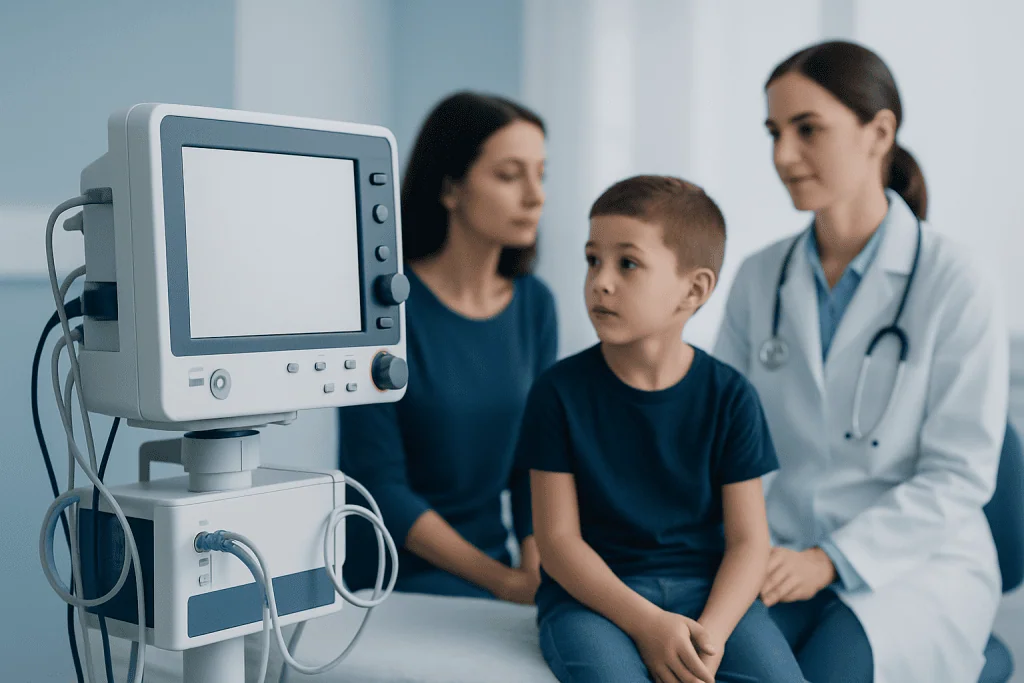
Some symptoms should always be taken seriously because they may point to dehydration, infection, breathing problems, or another condition that needs prompt care. These warning signs do not always mean a serious illness, but they do mean that a child should be assessed by a medical professional.
- Difficulty breathing, fast breathing, wheezing, grunting, or bluish lips
- Unusual sleepiness, confusion, difficulty waking, or poor responsiveness
- Signs of dehydration such as very dry mouth, no tears, sunken eyes, or fewer wet diapers or urination
- Persistent vomiting, vomiting with severe abdominal pain, or vomiting that prevents drinking
- Seizures, fainting, or sudden weakness
- Severe pain, especially in the head, belly, chest, ears, or joints
- A rash with fever, a rapidly spreading rash, or a rash that looks purple or like bruising
- Symptoms that are getting worse instead of improving
Parents should also seek medical advice if a baby is feeding poorly, is difficult to console, or seems much less active than usual. In children of any age, a major change in behavior can be an important clue, even if there is no clear diagnosis yet.
For emergencies such as severe breathing trouble, a prolonged seizure, unresponsiveness, or signs of a serious allergic reaction, emergency services should be contacted immediately rather than waiting for a routine pediatric visit.
Fever: when it needs medical attention

Fever is one of the most common reasons children are brought to the doctor. In many cases, fever is the body’s normal response to an infection and improves as the illness passes. What matters most is not only the temperature itself, but the child’s age, appearance, hydration, and associated symptoms.
Young infants need special attention. Any fever in a baby under 3 months generally requires prompt medical evaluation because very young babies can become unwell quickly and may not show many other signs. In older babies and children, a pediatrician should be contacted if fever lasts more than a few days, keeps returning, or comes with lethargy, breathing trouble, stiff neck, severe headache, rash, repeated vomiting, or poor fluid intake.
Parents should also seek care if a child with fever appears unusually uncomfortable, is not acting normally between fever episodes, or has a known chronic condition that may increase risk. A pediatrician may evaluate for common infections such as ear infection or other causes depending on the child’s symptoms and exam findings.
Breathing problems, cough, and dehydration
Breathing changes deserve careful attention in children. A blocked nose with a mild cold is common, but visible effort with breathing is not. Signs that need prompt medical assessment include rapid breathing, tugging in of the skin between the ribs, noisy breathing, wheezing, persistent coughing fits, or a child who cannot speak or feed comfortably because of shortness of breath.
Cough can be caused by many common illnesses, including viral infections. However, a cough should be evaluated if it lasts a long time, disrupts sleep regularly, is associated with chest pain, causes vomiting repeatedly, or is accompanied by fever that does not improve. Children with known asthma may need a review if usual symptoms become more frequent or harder to control.
Dehydration can develop during fever, diarrhea, or vomiting. A child may need a pediatrician if they are drinking much less than usual, urinating less, producing no tears, or becoming weak and listless. In some cases, evaluation in a clinic or hospital is needed to decide whether oral rehydration is enough or whether further treatment is necessary.
Stomach pain, vomiting, diarrhea, and other common concerns
Stomach aches are frequent in childhood and are often linked to constipation, mild viral illness, or stress. Still, severe or persistent abdominal pain should not be ignored, especially if it is localized to one area, wakes the child from sleep, or is accompanied by fever, repeated vomiting, swelling, or blood in the stool. These symptoms may need urgent evaluation.
Vomiting and diarrhea are often caused by short-term infections and improve with rest and fluids. A pediatric visit is important if vomiting is persistent, if the child cannot keep fluids down, if there are signs of dehydration, or if there is green vomit, blood, or severe abdominal pain. Diarrhea that is prolonged, bloody, or linked with poor drinking also needs medical advice.
Children should also be assessed for ear pain, sore throat with trouble swallowing, painful urination, limping, unexplained bruising, or a rash that spreads quickly. Sometimes tests are needed to confirm the cause, and treatment may include medication, monitoring, or referral if the problem is more complex.
When symptoms suggest a need for additional support, pediatricians may arrange investigations such as pediatric check-up, laboratory tests, or imaging. If surgery is being considered for a specific issue such as recurring tonsil problems, the family may also be referred for procedures like tonsillectomy and adenoidectomy when clinically appropriate.
How pediatricians diagnose the cause
A pediatric assessment usually begins with a careful history. The doctor may ask when symptoms started, whether they are improving or worsening, how much the child is drinking and urinating, whether there has been fever or exposure to illness, and whether the child has any underlying medical conditions.
The physical examination helps show how sick the child appears overall. The pediatrician will often check temperature, breathing rate, heart rate, hydration, throat, ears, chest, abdomen, skin, and alertness. In many cases, this is enough to identify a likely cause and decide whether home care, treatment, or observation is best.
If needed, further tests may be ordered. These can include throat or viral swabs, urine tests, blood tests, or imaging studies. In children with frequent breathing symptoms, specialists may evaluate for conditions such as bronchitis or other respiratory problems if the pattern is prolonged or recurring.
What treatment and home care may involve
Treatment depends on the cause of the symptoms. Many viral illnesses improve with rest, fluids, fever management as advised by a doctor, and close observation at home. Bacterial infections may require antibiotics, but antibiotics are not helpful for every childhood illness, so correct diagnosis is important.
Home care often includes encouraging fluids, offering small frequent meals if tolerated, helping the child rest, and watching for changes in breathing, urination, fever, or comfort. Parents should follow the pediatrician’s guidance about medicines and return precautions. If symptoms do not improve as expected, the child may need to be seen again.
Some children need specialist care, especially if symptoms are severe, recurrent, or linked to an underlying condition. Depending on the problem, treatment may involve supportive respiratory care, allergy evaluation, or surgical review. Near the end of the care journey, families seeking international care may wish to know that Acibadem International’s multidisciplinary specialists and JCI-accredited hospitals diagnose and treat a wide range of pediatric conditions for international patients.
When to seek urgent help and how to prepare for a visit
Urgent medical help is needed if a child has serious breathing difficulty, a seizure, blue lips, severe dehydration, persistent confusion, a possible poisoning, a significant head injury, or a rash with signs of severe illness. Infants with fever, children with severe pain, and any child who is difficult to wake or not responding normally should be assessed promptly.
For non-emergency but concerning symptoms, it helps to prepare a few details before calling or visiting the pediatrician. Parents can note the child’s temperature, how long symptoms have lasted, what the child has been able to drink, how often they have urinated, whether there has been vomiting or diarrhea, and which medicines have already been given. Photos of a rash or a short video of unusual breathing or cough can also be useful if symptoms come and go.
Trusting parental instinct is important. If a child simply seems much more unwell than usual, even without an obvious reason, seeking medical advice is appropriate. Early assessment can provide reassurance when the illness is mild and timely treatment when it is not.
Frequently asked questions
Should every fever mean a child needs a pediatrician?
Not every fever requires an immediate visit, especially in older children who are drinking well and staying reasonably active. However, fever in a baby under 3 months, or fever with breathing trouble, rash, severe pain, unusual sleepiness, or dehydration, should be assessed promptly.
How can parents tell if a child is dehydrated?
Common signs include dry mouth, fewer wet diapers or less urination, no tears when crying, sunken eyes, and unusual tiredness. If a child cannot keep fluids down or seems weak and less alert, medical advice is important.
When is a cough serious in a child?
A cough needs medical attention if it causes breathing difficulty, chest pain, repeated vomiting, or poor feeding, or if it lasts longer than expected. Parents should also seek care if the child is breathing fast, wheezing, or using extra effort to breathe.
Is vomiting always an emergency?
Vomiting is common with many childhood infections and is not always an emergency. It becomes more concerning when it is persistent, prevents drinking, causes dehydration, includes blood or green fluid, or comes with severe abdominal pain or unusual drowsiness.
What if a child seems very sleepy during an illness?
Children often rest more when they are sick, but they should still be rousable and responsive. If a child is hard to wake, confused, floppy, or much less interactive than usual, they should be evaluated urgently.
Should parents trust their instincts even if symptoms seem mild?
Yes. Parents often notice subtle changes in behavior, feeding, breathing, or comfort before a problem becomes more obvious. If a child seems unusually unwell or symptoms are worsening, contacting a pediatrician is a reasonable and safe decision.
References
- American Academy of Pediatrics
- Centers for Disease Control and Prevention
- National Health Service
- World Health Organization
This article is for general information only and is not a substitute for professional medical advice. Please consult a qualified doctor about your individual situation.
Persistent digestive symptoms? Get evaluated in Turkey
JCI-accredited · board-certified surgeons · reply within 24h
Add us as a Preferred Source to see more of our trusted health content across Google Search, AI Overviews and Discover.