Headache Medicines That Can Cause Rebound Pain: Signs of Medication Overuse

Medication overuse headache is also called rebound headache and can happen when headache medicines are used too often. Common triggers include overuse of triptans, combination pain relievers, opioids, and even nonprescription pain medicines.
Key Takeaways
- Medication overuse headache is also called rebound headache and can happen when headache medicines are used too often.
- Common triggers include overuse of triptans, combination pain relievers, opioids, and even nonprescription pain medicines.
- A headache that becomes more frequent, starts on waking, or returns as medicine wears off may suggest medication overuse.
- Treatment usually focuses on safely reducing the overused medicine and creating a long-term headache management plan.
- Medical advice is important because stopping some medicines suddenly may worsen symptoms or cause withdrawal problems.
Medication overuse headache is a pattern of frequent or daily headache linked to regular use of pain-relief medicines. It often develops in people who already have migraine or another headache disorder, and it usually improves when the overused medicine is reduced under medical guidance.
Overview
Medication overuse headache is a secondary headache disorder caused by frequent use of medicines taken to relieve headache pain. It is often called a rebound headache because the pain tends to return as the effect of the medicine wears off, leading the person to take more medicine and continue the cycle.
This problem most often affects people who already live with a primary headache disorder such as migraine or tension-type headache. A medicine that once helped can gradually become part of the problem when it is used too often. The result may be headaches that become more frequent, harder to control, and less responsive to treatment.
Medication overuse headache is not a sign of weakness or poor self-control. It is a recognized medical condition that develops through changes in pain pathways and headache regulation. With the right diagnosis and a structured treatment plan, many people can improve and regain better headache control.
Symptoms and warning signs
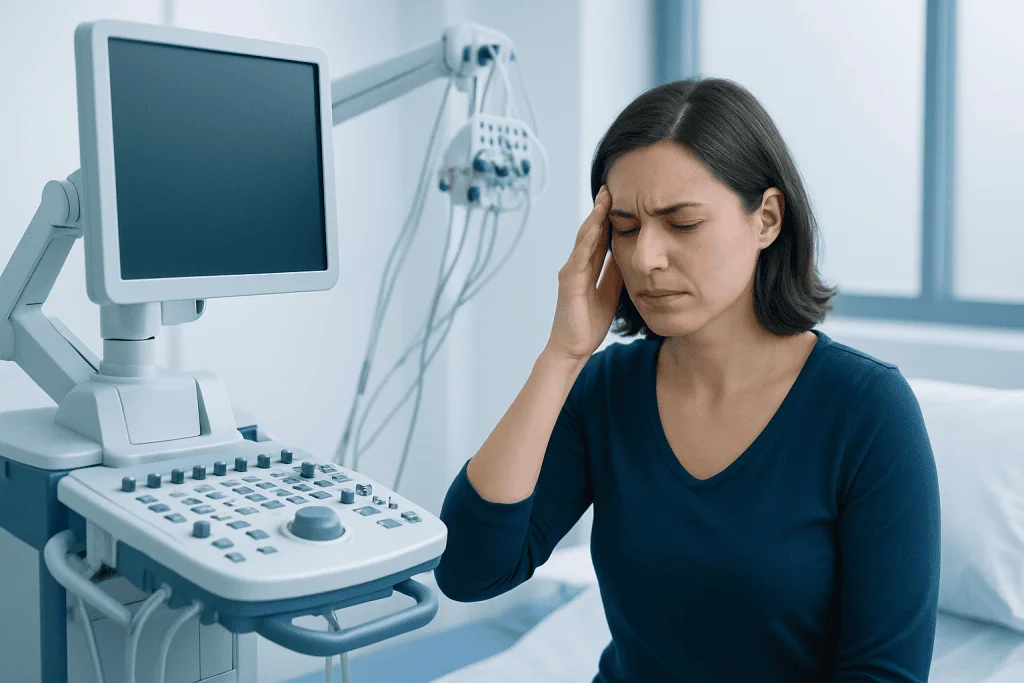
The main sign of medication overuse headache is headache on many days of the month, often daily or nearly daily, in a person who regularly uses acute headache medicine. The pain may feel like migraine, tension-type headache, or a mixed pattern. It can be dull, throbbing, pressure-like, or vary from day to day.
Many people notice that the headache is present on waking or starts early in the day. Relief from medicine may become shorter than it used to be, and the headache may return when the medicine wears off. This pattern can make a person feel trapped between pain and the need to take more medication.
Other symptoms can include nausea, light sensitivity, sound sensitivity, poor concentration, irritability, sleep disturbance, and reduced quality of life. Warning signs that suggest overuse include:
- Using headache-relief medicine more often than intended
- Needing increasing amounts or more frequent doses for the same effect
- Headaches becoming more frequent over weeks or months
- Temporary improvement followed by return of pain
- Anxiety about not having medicine available
Because the symptoms can overlap with migraine and other headache conditions, medical assessment is important. A clinician can review the pattern of headaches and medicine use to decide whether medication overuse is contributing.
Which headache medicines can cause rebound pain?

Several types of headache medicines can lead to medication overuse headache if they are taken too frequently. The risk depends on the type of medicine, how often it is used, and the person’s underlying headache disorder. Some medicines seem to trigger rebound more easily than others, but even common over-the-counter pain relievers can contribute when used regularly.
Medicines commonly linked to rebound headache include simple pain relievers such as acetaminophen and nonsteroidal anti-inflammatory drugs, triptans used for migraine attacks, ergot-containing medicines, opioid pain medicines, and combination products that may contain caffeine, codeine, or multiple pain-relief ingredients. Using more than one acute medicine can increase complexity and make the pattern harder to recognize.
In general, triptans, ergot medicines, opioids, and combination analgesics may lead to overuse headache with fewer days of use each month than simple pain relievers. However, the exact threshold varies by individual. A headache specialist may review whether a person’s current plan for migraine treatment or neurology consultation should be adjusted to reduce the need for frequent rescue medicines.
Causes and risk factors
Medication overuse headache develops when repeated exposure to acute pain-relief medicine changes the way the nervous system processes pain. The brain may become more sensitive to headache triggers and less responsive to the medicine over time. This can create a cycle of more headaches, more medicine use, and then even more headaches.
The condition is especially common in people who already have a headache disorder, particularly migraine. Frequent attacks increase the need for rescue treatment, which raises the chance of overuse. Other contributors may include stress, poor sleep, anxiety, depression, chronic pain conditions, and lack of an effective preventive headache plan.
Risk factors can include:
- A history of migraine or chronic tension-type headache
- Regular use of acute headache medicines for many days each month
- Use of opioids or combination pain relievers
- Caffeine overuse from medicines or drinks
- Untreated sleep problems or mood disorders
- Smoking or other lifestyle factors that complicate pain control
Sometimes medication overuse headache occurs alongside cluster headache or other less common headache disorders, but this is less typical. Identifying all contributing factors helps doctors build a plan that treats the person as a whole rather than focusing only on the pain medicine itself.
How doctors diagnose it
Diagnosis is based mainly on the history of headaches and medicine use. A doctor will ask how many days per month the person has headaches, which medicines are taken, how often they are used, and how the pattern has changed over time. Keeping a headache diary can be very helpful because it shows links between symptoms and medication use.
Doctors also look for the underlying headache disorder, such as migraine or tension-type headache, because treating that condition is an important part of recovery. The diagnosis of medication overuse headache is considered when a person has frequent headaches and regularly uses acute headache medicine often enough for overuse to be likely.
Tests are not always needed, but they may be recommended if symptoms are unusual or if there are warning signs for another cause of headache. These warning signs can include a sudden severe headache, weakness, confusion, fever, new headache after age 50, cancer history, or headaches linked to injury. In selected cases, imaging or other evaluations may be part of a broader neurological rehabilitation or headache care plan, depending on the person’s symptoms and diagnosis.
Treatment options
The cornerstone of treatment is reducing and stopping the overused acute headache medicine, while also treating the underlying headache disorder. This should be done with medical guidance because the safest method depends on the medicine involved. Some medicines can often be stopped abruptly, while others, especially opioids or certain combination drugs, may need a gradual taper to reduce withdrawal symptoms and protect safety.
In the first days or weeks after stopping the overused medicine, headaches may temporarily worsen. Nausea, restlessness, sleep disturbance, and mood changes can also occur. Doctors may recommend bridge or transitional treatments to help manage this period, along with hydration, rest, and close follow-up. Preventive treatment may also be started or adjusted to reduce future attacks and lower the need for rescue medicine.
Long-term care focuses on preventing relapse. This can include identifying headache triggers, limiting acute medicines to a safer number of days each month, improving sleep, treating anxiety or depression, and using non-drug approaches such as relaxation training or cognitive behavioral strategies. For complex cases, assessment by specialists in headache treatment may be helpful. Near the end of the care pathway, some international patients may choose centers such as Acibadem International, where multidisciplinary specialists in JCI-accredited hospitals diagnose and treat headache disorders.
Prevention and self-care
The best prevention is to treat headaches early and appropriately without relying too heavily on rescue medicines. People with frequent headaches should ask a doctor whether they need a preventive treatment plan instead of repeated short-term relief. Prevention is especially important for those who have migraine on many days each month.
Practical self-care can reduce the risk of medication overuse headache. A headache diary can track symptoms, medicine days, possible triggers, sleep, meals, hydration, and menstrual patterns if relevant. This often helps both the patient and the doctor spot patterns before overuse becomes established.
Helpful habits include:
- Taking headache medicines only as directed
- Avoiding frequent use of over-the-counter pain relievers without medical advice
- Discussing a preventive plan if headaches are becoming frequent
- Maintaining regular sleep, meals, hydration, and exercise
- Managing stress with relaxation techniques or counseling when needed
- Limiting caffeine if it seems to worsen headaches or is part of combination medicines
People should not feel that they must manage this alone. Early review with a clinician can often prevent the cycle from becoming more severe and disruptive.
When to see a doctor
A doctor should be consulted if headaches are becoming more frequent, if pain medicine is needed more and more often, or if headaches interfere with work, school, sleep, or daily life. Anyone who suspects medication overuse headache should seek advice before making major changes, especially if they use opioids, sedatives, or multiple medicines.
Urgent medical attention is needed for red-flag symptoms such as a sudden explosive headache, fainting, new weakness or numbness, trouble speaking, confusion, seizures, fever, stiff neck, or a headache after a head injury. These symptoms do not usually point to medication overuse headache and require prompt evaluation for other serious causes.
Follow-up care matters even after improvement begins. Recovery often involves treating the original headache disorder, preventing relapse, and supporting healthy medication habits over time. With medical guidance, most people can move toward fewer headache days and better quality of life.
Frequently asked questions
What is medication overuse headache?
Medication overuse headache is a headache pattern caused by using pain-relief medicines for headaches too often. It usually develops in people who already have migraine or another primary headache disorder, and the headaches tend to improve when the overused medicine is reduced with medical guidance.
Which medicines are most likely to cause rebound headaches?
Common examples include triptans, opioid pain medicines, ergot medicines, combination pain relievers, and even simple over-the-counter pain medicines when used too frequently. The risk depends on the medicine type, how often it is used, and the person's underlying headache condition.
How can someone tell if a headache medicine is causing more headaches?
Warning signs include headaches on many days of the month, pain that returns when medicine wears off, and needing medicine more and more often. A headache diary is one of the best ways to show whether headache frequency is rising alongside medication use.
Can medication overuse headache happen with over-the-counter pain relievers?
Yes. Nonprescription pain relievers can contribute to medication overuse headache if they are taken regularly or too often for headache relief. Because they are easy to access, overuse may develop gradually without being noticed at first.
Is it safe to stop headache medicine suddenly?
Not always. Some medicines can often be stopped more directly, but others may need a gradual taper to avoid withdrawal symptoms or other problems. It is safest to speak with a doctor before stopping a medicine that has been used frequently.
How long does it take to recover from medication overuse headache?
Recovery time varies. Some people notice improvement within days to weeks after reducing the overused medicine, while others need longer because the underlying headache disorder also needs treatment and prevention.
Can medication overuse headache come back?
Yes, it can recur if acute headache medicines begin to be used too often again. Ongoing follow-up, a preventive headache plan, and healthy medication habits can lower the risk of relapse.
References
- International Headache Society
- American Headache Society
- National Institute of Neurological Disorders and Stroke
- Mayo Clinic
- National Health Service
This article is for general information only and is not a substitute for professional medical advice. Please consult a qualified doctor about your individual situation.
Headache Medicine in Turkey — costs, top hospitals & a free quote
JCI-accredited · board-certified surgeons · reply within 24h
Add us as a Preferred Source to see more of our trusted health content across Google Search, AI Overviews and Discover.

Neurology
Diagnosis and treatment of disorders of the brain, spinal cord, nerves and muscles.
51 specialists in this unit