Natural vs Medical Migraine Treatment: How They Compare for Relief and Prevention

Natural and medical migraine treatment are not opposites; many people benefit from using both together. Lifestyle measures may help reduce triggers and support prevention, but they may not be enough for moderate or severe migraine.
Key Takeaways
- Natural and medical migraine treatment are not opposites; many people benefit from using both together.
- Lifestyle measures may help reduce triggers and support prevention, but they may not be enough for moderate or severe migraine.
- Medical treatments include medicines for acute attacks and preventive options for frequent or disabling migraine.
- A proper diagnosis matters because not every severe headache is migraine.
- A doctor should review new, changing, or unusually severe headaches, especially if warning signs are present.
Migraine treatment often works best when natural strategies and medical care are compared thoughtfully and used in a personalized plan. Understanding how each approach helps can make relief, prevention, and day-to-day management more effective.
Overview: How Natural and Medical Migraine Treatment Compare
Migraine is more than a typical headache. It is a neurological condition that can cause throbbing or pulsating head pain, nausea, vomiting, and sensitivity to light, sound, or smells. Some people also experience visual or sensory changes called aura before or during an attack. Because migraine can affect work, sleep, mood, and daily routines, treatment usually focuses on both quick relief and long-term prevention.
When people think about migraine treatment, they often compare natural remedies with medical therapies. In practice, the two approaches frequently complement each other. Natural strategies mainly aim to reduce triggers, support the nervous system, and improve overall health habits. Medical treatments are used to stop migraine attacks once they begin or to reduce how often attacks happen.
Neither approach is automatically better for everyone. A person with occasional mild migraine may improve with hydration, regular sleep, trigger management, and stress reduction. Someone with frequent, long-lasting, or disabling attacks may need prescription medicines, preventive treatment, or specialist care in addition to lifestyle changes. The right choice depends on symptom pattern, severity, age, other health conditions, pregnancy status, and personal preferences.
It is also important to remember that not all headaches are migraine. Tension-type headaches, sinus-related discomfort, medication-overuse headache, and other neurological conditions can sometimes seem similar. A healthcare professional can help confirm whether symptoms fit migraine and guide safe treatment choices.
Migraine Symptoms and Why They Matter for Treatment
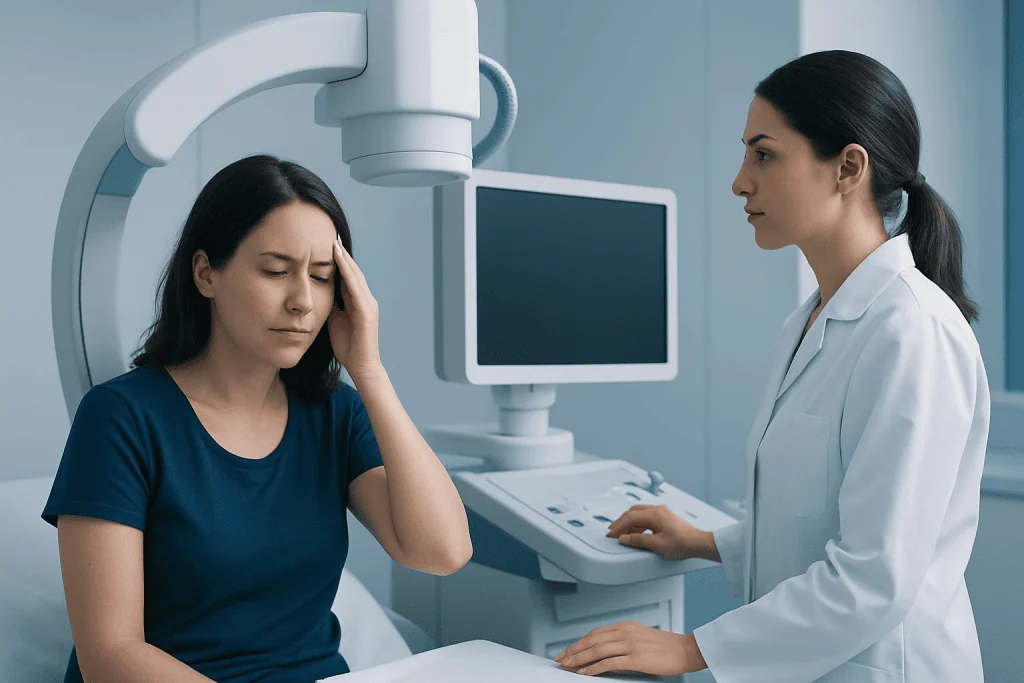
Migraine symptoms vary from person to person. Many people feel pain on one side of the head, but pain can affect both sides as well. The pain is often moderate to severe and may worsen with physical activity. Nausea, vomiting, and sensitivity to light or noise are common. Some people need to lie still in a dark, quiet room until the attack improves.
Migraine can also progress through stages. In the hours or day before an attack, a person may notice warning symptoms such as fatigue, mood changes, neck stiffness, food cravings, or frequent yawning. Aura may include flashing lights, zigzag lines, blind spots, tingling, or temporary speech difficulty. After the headache phase, a person may feel drained, foggy, or unusually tired.
These details matter because treatment decisions are based on attack pattern. For example, a person whose migraines come with nausea may need a treatment plan that addresses both pain and stomach symptoms. Someone with frequent attacks may need preventive therapy rather than repeated use of short-term pain medicine alone. Keeping a symptom diary can help identify whether attacks are linked to menstrual cycles, poor sleep, dehydration, stress, certain foods, or skipped meals.
A severe headache should not always be assumed to be migraine. Sudden, explosive head pain, weakness on one side, confusion, fainting, fever, or a new headache after age 50 needs urgent medical assessment. Recognizing migraine symptoms accurately helps avoid delay in diagnosis and allows more targeted care.
Natural Approaches: Relief, Prevention, and Their Limits
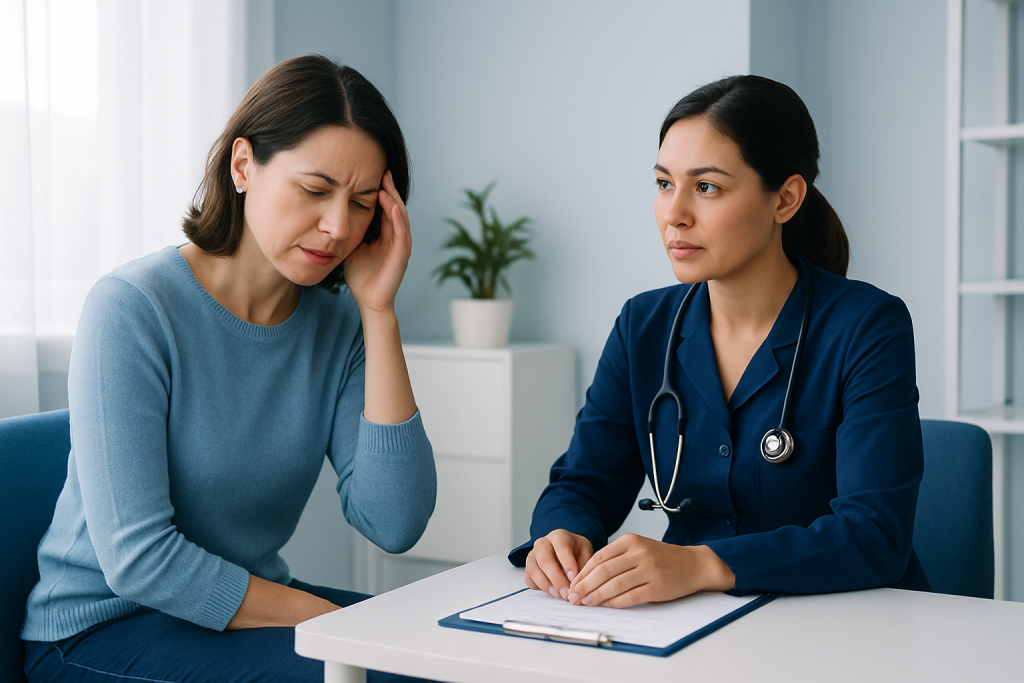
Natural migraine treatment usually focuses on habits and non-drug measures that lower the chance of an attack or make symptoms easier to manage. Common examples include regular sleep, consistent meal timing, hydration, exercise, stress management, and avoiding known triggers. For some people, these changes can reduce the frequency of attacks and improve overall well-being, especially when migraine is linked to lifestyle disruptions.
Helpful self-care steps may include resting in a quiet, dark room at the start of an attack, using a cool compress on the head or neck, drinking water, and eating a light snack if low blood sugar may be contributing. Relaxation techniques such as breathing exercises, meditation, yoga, and biofeedback may help some people, especially when stress is a trigger. A headache diary can also be considered a natural management tool because it helps reveal patterns over time.
Some people ask about vitamins, minerals, or herbal supplements. These may be discussed with a doctor, but they are not risk-free and are not appropriate for everyone. Quality can vary between products, and some supplements may interact with medicines or be unsuitable in pregnancy, breastfeeding, liver disease, kidney disease, or bleeding disorders. A patient should ideally seek medical advice before starting any supplement for migraine prevention.
Natural approaches can be valuable, but they also have limits. They may not stop a severe migraine once it has started, and they may not be enough for frequent or disabling attacks. If headaches are becoming more common, causing missed activities, or leading to frequent use of over-the-counter pain medicine, medical evaluation is important rather than relying only on home remedies.
Medical Migraine Treatment: Acute Relief and Prevention
Medical migraine treatment generally falls into two groups: acute treatment and preventive treatment. Acute treatment is taken when a migraine begins, with the goal of reducing pain and associated symptoms. Depending on the person and the intensity of the attack, this may involve over-the-counter pain relievers, anti-nausea medicines, or migraine-specific prescription drugs. Taking acute treatment early in the attack often improves the chance of better relief.
Preventive treatment is considered when migraines happen often, last a long time, respond poorly to acute medicine, or significantly disrupt daily life. Preventive therapies may include prescription tablets, injections, or other options selected according to the patient’s health profile and migraine pattern. The aim is not always to eliminate migraine completely, but to reduce how often attacks occur, how severe they are, and how much they interfere with daily activities.
Medical treatment also has limits and requires careful use. Overuse of pain medicine can lead to medication-overuse headache, in which headaches become more frequent because of repeated short-term medication use. Some migraine medicines are not suitable for people with certain heart or blood vessel conditions, pregnancy, or other specific medical concerns. This is one reason professional guidance matters, especially when symptoms are changing or treatment is not working well.
For people with persistent or complicated migraine, specialist assessment may be helpful. In selected cases, care may include imaging, more advanced prevention plans, or procedures used in neurology care and headache medicine. The choice depends on the individual rather than a single standard pathway.
Diagnosis: Choosing the Right Treatment Starts With the Right Diagnosis
There is no single blood test that confirms migraine. Diagnosis is usually based on a detailed medical history, symptom pattern, physical examination, and neurological examination. A doctor will ask how the headaches feel, how long they last, whether there is nausea or light sensitivity, what triggers may be involved, and how often symptoms occur. Information about sleep, stress, caffeine, menstrual history, and family history can also be relevant.
Tests are not always necessary, but they may be recommended if symptoms are unusual or if there are warning signs. Brain imaging may be used when a headache is sudden and severe, follows an injury, is associated with neurological symptoms, or changes in pattern. In this setting, MRI or CT scan may help rule out other causes. These tests do not diagnose typical migraine by themselves, but they can be important when doctors need to exclude more serious problems.
A correct diagnosis helps prevent both under-treatment and over-treatment. For example, sinus pressure is often mistaken for migraine, yet many people who think they have sinus headaches actually meet criteria for migraine. On the other hand, severe headache with neurological symptoms should not simply be dismissed as “just migraine” without assessment when the presentation is new or unusual.
Tracking attacks can make diagnosis more precise. A diary noting timing, duration, severity, food intake, stress, sleep, menstrual cycles, medicines used, and response to treatment can provide valuable information. This record can help a doctor compare natural management strategies with medical treatment results over time.
Which Approach Is Better: Natural, Medical, or Both?
For many people, the most effective migraine treatment plan includes both natural and medical approaches. Natural strategies can support prevention by reducing common triggers and improving resilience. Medical therapies can provide reliable relief during attacks and may reduce attack frequency when migraine becomes recurrent or disabling. Rather than competing options, these approaches often work best when combined thoughtfully.
The balance between them depends on how migraine behaves. A person with rare attacks may manage well with trigger control and occasional acute treatment. A person with frequent or intense attacks may need preventive medication plus lifestyle adjustments. Someone who has nausea, aura, menstrual migraine, or headache on many days per month may need a more individualized plan. In children, older adults, and pregnant patients, treatment choice may require extra caution.
Another important point is that “natural” does not always mean safer, and “medical” does not always mean too strong. Herbal products can have side effects or interactions. At the same time, appropriately chosen migraine medicines may be safe and highly helpful when used under medical supervision. The best question is not which category is better in theory, but which combination is most suitable for that person’s symptoms and health needs.
When migraine is difficult to control, specialist support can be useful. Near the end of the care pathway, some patients choose assessment at centers with multidisciplinary teams. Acibadem International’s multidisciplinary specialists in JCI-accredited hospitals diagnose and treat migraine and related neurological conditions for international patients when advanced evaluation is needed.
Prevention, Self-Care, and When to See a Doctor
Prevention often begins with daily routines. Going to sleep and waking at regular times, eating balanced meals without long gaps, staying hydrated, limiting excess caffeine, and exercising regularly may all help reduce migraine risk in some people. Identifying triggers is also useful, but trigger management should be practical rather than overly restrictive. Not every migraine has a clear cause, and symptoms may result from several factors happening together.
Self-care during an attack can include rest, reduced sensory stimulation, hydration, and taking prescribed or recommended medicine promptly. People should avoid repeatedly taking pain relievers more often than advised, because this can worsen headaches over time. If current treatment is not giving consistent relief, a patient should discuss alternatives with a doctor rather than simply increasing use on their own.
Medical review is recommended when headaches are frequent, severe, changing, or interfering with normal life. A person should also seek care if headaches begin after a head injury, wake them from sleep regularly, or come with weakness, vision loss, confusion, fever, stiff neck, or fainting. These features may suggest a problem other than routine migraine and need urgent assessment.
A doctor can also help if a person is unsure whether the problem is migraine or another type of headache, such as tension headache. Early guidance may improve symptom control and reduce the impact migraine has on work, family life, and emotional health.
Frequently asked questions
Can natural migraine treatment replace medicine completely?
Sometimes lifestyle changes and non-drug measures are enough for mild or infrequent migraine, but not for everyone. Many people need medicine as well, especially if attacks are severe, prolonged, or disabling. The safest approach is to choose treatment based on symptom pattern and medical advice.
What natural methods may help prevent migraine?
Regular sleep, hydration, consistent meals, stress management, and exercise may help reduce attacks in some people. A headache diary can also help identify personal triggers. Natural methods are usually most effective when used consistently over time.
When should someone consider preventive migraine medicine?
Preventive treatment may be discussed when migraines happen often, last a long time, or interfere with daily activities despite acute treatment. It may also be considered if short-term medicines are needed too often. A doctor can assess whether prevention is appropriate and which option fits best.
Are supplements for migraine always safe because they are natural?
No. Supplements can cause side effects, vary in quality, and interact with prescription medicines or health conditions. A doctor or pharmacist should review any supplement before use, especially during pregnancy, breastfeeding, or chronic illness.
How can someone tell if it is migraine or another type of headache?
Migraine often causes moderate to severe head pain with nausea, sensitivity to light or sound, and sometimes aura. However, symptoms can overlap with other headache disorders. A medical evaluation is the best way to confirm the diagnosis, especially if the pattern is new or changing.
When is a headache an emergency?
Urgent medical care is needed for a sudden severe headache that reaches maximum intensity quickly, or for headache with weakness, confusion, seizures, fever, stiff neck, fainting, or vision loss. A new severe headache after head injury also needs prompt assessment. These symptoms are not typical self-managed migraine warning signs.
References
- World Health Organization
- National Institute of Neurological Disorders and Stroke
- American Migraine Foundation
- National Institute for Health and Care Excellence
- International Headache Society
This article is for general information only and is not a substitute for professional medical advice. Please consult a qualified doctor about your individual situation.
Migraine in Turkey — costs, top hospitals & a free quote
JCI-accredited · board-certified surgeons · reply within 24h
Add us as a Preferred Source to see more of our trusted health content across Google Search, AI Overviews and Discover.