

What Is a Healthy Resting Heart Rate During Sleep, Exercise, and Stress?

For many adults, a healthy resting heart rate is between 60 and 100 beats per minute. Heart rate normally drops during sleep and rises during exercise, emotional stress, pain, illness, or caffeine use.
Key Takeaways
- For many adults, a healthy resting heart rate is between 60 and 100 beats per minute.
- Heart rate normally drops during sleep and rises during exercise, emotional stress, pain, illness, or caffeine use.
- Well-trained athletes and very fit people may have a lower resting heart rate without it being harmful.
- A heart rate that is persistently too fast, too slow, irregular, or linked to symptoms should be assessed by a doctor.
- Measuring heart rate under the same conditions each day can give the most useful picture of cardiovascular health.
A healthy resting heart rate is often between 60 and 100 beats per minute in adults, but normal values can vary with age, fitness, medications, sleep, exercise, and stress. Understanding these changes can help a person tell the difference between expected fluctuations and symptoms that need medical advice.
Overview: What Is a Healthy Resting Heart Rate?
A resting heart rate is the number of times the heart beats in one minute when the body is calm, relaxed, and not exercising. For most adults, a healthy resting heart rate is commonly between 60 and 100 beats per minute. This range is a general guide, not a rule that applies exactly the same way to every person.
Many factors influence what is normal. Age, physical fitness, body position, temperature, stress, hydration, medications, and medical conditions can all affect heart rate. For example, a person who exercises regularly may have a lower resting heart rate because the heart pumps blood more efficiently.
Heart rate also changes throughout the day. It typically becomes slower during sleep, rises during physical activity, and may increase during emotional stress or anxiety. Looking at heart rate in context is often more helpful than focusing on one number alone.
Although heart rate is a useful sign of health, it should not be interpreted alone. Symptoms such as dizziness, fainting, chest pain, shortness of breath, or a feeling that the heart is racing or skipping beats are important clues and deserve medical attention, especially if they happen repeatedly.
How Heart Rate Changes During Sleep, Exercise, and Stress
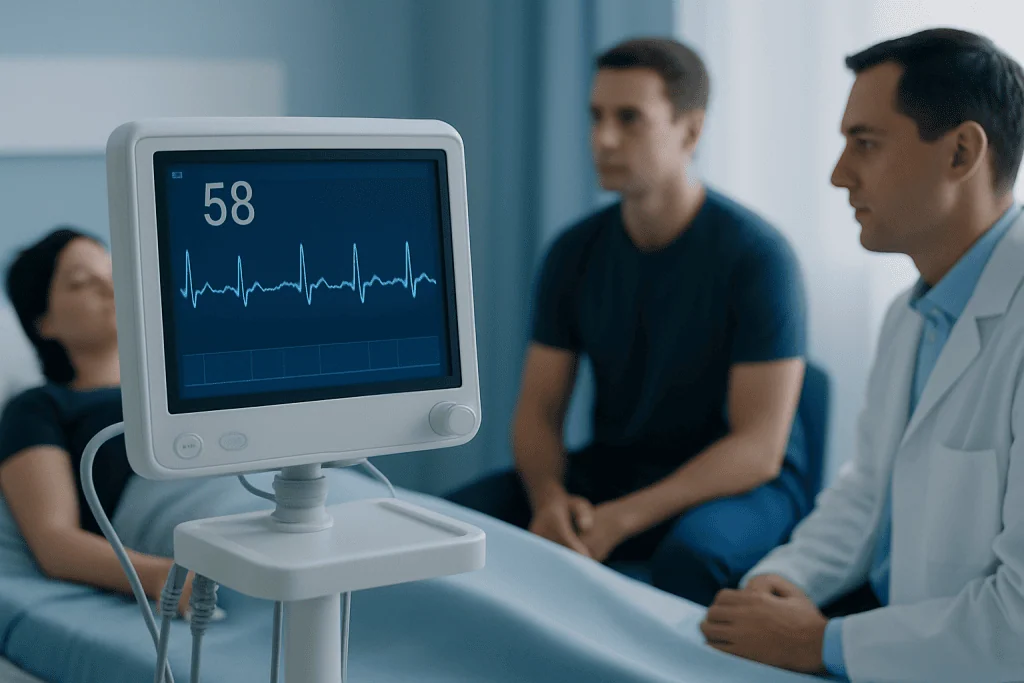
During sleep, heart rate usually becomes lower than it is during the day. This is especially true during deeper stages of sleep, when the body’s demand for oxygen decreases and the nervous system shifts toward rest and recovery. For many healthy adults, a sleeping heart rate may fall below their daytime resting rate.
During exercise, heart rate rises because the muscles need more oxygen-rich blood. The amount of increase depends on the intensity of the activity, a person’s age, level of fitness, and any underlying health conditions. A gradual rise with activity and a recovery afterward are generally expected signs of normal cardiovascular response.
Stress, fear, pain, and strong emotions can also increase heart rate. This happens because the body releases hormones such as adrenaline that prepare it for action. Caffeine, nicotine, lack of sleep, fever, and dehydration can have similar effects and may make the heart feel as though it is beating harder or faster.
These changes are often temporary and appropriate for the situation. Concern is more likely when the heart rate stays unusually high or low without a clear reason, becomes irregular, or causes symptoms. In some cases, rhythm problems such as arrhythmia may need evaluation.
What Affects a Normal Heart Rate?

Fitness level is one of the most common reasons people have different resting heart rates. Regular aerobic activity can strengthen the heart, allowing it to pump more blood with each beat. Because of this, well-conditioned adults and endurance athletes may have resting heart rates below 60 beats per minute and still be completely well.
Age also matters. Newborns and children naturally have faster heart rates than adults. In older adults, heart rate may be influenced by changes in heart function, medications, and other health conditions. A doctor can help decide what is normal for the individual rather than relying on a single general range.
Common everyday factors can temporarily affect readings. These include recent activity, emotional upset, alcohol, caffeine, smoking, large meals, room temperature, and body position. Even measuring the pulse immediately after climbing stairs or having a stressful conversation can give a number that does not reflect true resting heart rate.
Medical conditions and treatments can also change heart rate. Thyroid disease, anemia, infection, fever, sleep disorders, dehydration, and some heart conditions may raise it. Medicines such as beta-blockers can lower it. If there is concern about a persistent fast heartbeat, an unusually slow pulse, or an irregular rhythm, a doctor may evaluate for issues such as heart rhythm disorders.
How to Measure Resting Heart Rate Correctly
The most reliable time to measure resting heart rate is after waking, before getting out of bed, or after sitting quietly for at least 5 to 10 minutes. The pulse can be checked at the wrist or neck by gently placing two fingers over the artery and counting the beats for 30 seconds, then multiplying by two. Some people prefer to count for a full minute for a more exact reading.
Wearable devices and fitness trackers can also estimate heart rate and may be useful for spotting trends over time. However, they are not always perfectly accurate, especially during movement, poor skin contact, or irregular rhythms. A device reading should be considered alongside symptoms and, if needed, confirmed by a healthcare professional.
It helps to measure heart rate under similar conditions each time. Checking at the same time of day, before caffeine, and after a period of rest can make results easier to compare. Keeping a simple log may show whether heart rate is stable or changing over time.
Pulse rhythm matters as well as pulse speed. A heartbeat that feels uneven, fluttering, or as if it is skipping beats may suggest an electrical problem in the heart. In that case, a doctor may recommend tests such as an electrocardiogram or sometimes longer-term heart rhythm monitoring.
When a High or Low Heart Rate May Need Medical Attention
A heart rate that is faster or slower than expected is not always a sign of disease. A lower resting heart rate may be normal in very fit people, while a temporary higher rate may happen with exercise, stress, fever, or dehydration. What matters most is whether the change is persistent, unexplained, or associated with symptoms.
A persistently fast resting heart rate may deserve assessment if it happens regularly without an obvious cause. Possible reasons include infection, anemia, overactive thyroid, anxiety, dehydration, medication effects, or heart-related problems. A doctor may ask about triggers, review medicines, and look for patterns that suggest an underlying cause.
An unusually slow heart rate may also need evaluation, especially if it causes fatigue, dizziness, fainting, confusion, or exercise intolerance. In some people, the heart’s natural electrical system becomes too slow or unreliable. If symptoms and findings suggest this, further testing may be needed and some patients may eventually require treatments such as a pacemaker.
- Seek urgent medical care for chest pain, severe shortness of breath, fainting, or a new rapid or irregular heartbeat that does not settle.
- Arrange a medical review if resting heart rate is repeatedly outside the usual range for that person, or if symptoms keep returning.
- Bring records from a smartwatch or pulse log if available, but do not rely on device readings alone.
How Doctors Evaluate Heart Rate Concerns
Evaluation usually begins with a medical history and physical examination. The doctor may ask when the fast, slow, or irregular heartbeats occur, how long they last, what seems to trigger them, and whether there are symptoms such as breathlessness, fatigue, dizziness, or chest discomfort. Questions about exercise habits, caffeine, smoking, sleep, and family history can also help.
An electrocardiogram is often the first test because it records the heart’s electrical activity at that moment. If symptoms come and go, the doctor may recommend a portable monitor to capture the rhythm over a longer period. In some cases, blood tests are used to look for anemia, infection, thyroid problems, or electrolyte imbalance.
Depending on the situation, imaging or additional testing may be needed to assess heart structure and function. For example, an echocardiography exam can show how well the heart chambers and valves are working. Exercise testing may also be used to see how the heart responds to activity and recovery.
The goal of evaluation is not only to identify a number on a monitor, but to understand whether the heart rate pattern is normal for that person or linked to a treatable condition. A careful assessment can often provide reassurance when findings are benign and guide treatment when needed.
Supporting a Healthy Heart Rate: Lifestyle and Self-Care
Healthy daily habits can support a more stable heart rate and overall cardiovascular health. Regular physical activity, enough sleep, stress management, and good hydration all matter. Over time, aerobic exercise may lower resting heart rate by improving the heart’s efficiency.
Limiting factors that can trigger a racing heartbeat may also help. These include excess caffeine, nicotine, alcohol, stimulant substances, and poor sleep. People who notice palpitations after energy drinks, intense stress, or dehydration may reduce episodes by addressing those triggers.
It is also helpful to manage long-term conditions that affect the heart and circulation. High blood pressure, diabetes, thyroid disease, sleep apnea, and obesity can all influence heart rate and heart health. Taking prescribed medicines as directed and attending regular check-ups are important parts of prevention.
If symptoms or unusual readings continue, professional advice is the safest next step. Near the end of the care pathway, some people may benefit from specialist cardiac assessment. Acibadem International’s multidisciplinary specialists in JCI-accredited hospitals diagnose and treat heart rate and rhythm concerns for international patients when further evaluation is needed.
Frequently asked questions
What is considered a healthy resting heart rate for adults?
For many adults, a healthy resting heart rate is between 60 and 100 beats per minute. However, the most appropriate number can vary with fitness level, age, medications, and overall health. A doctor can help interpret the reading in context.
Is it normal for heart rate to be lower during sleep?
Yes. Heart rate usually slows during sleep because the body is resting and needs less oxygen. In healthy people, a sleeping heart rate is often lower than the daytime resting rate.
Why does heart rate increase during exercise?
Exercise makes the muscles work harder, so they need more oxygen and nutrients. To meet that demand, the heart pumps faster and more strongly. The exact rise depends on exercise intensity, age, fitness, and any health conditions.
Can stress really make heart rate go up?
Yes. Emotional stress, anxiety, fear, and pain can activate the body's stress response and release hormones such as adrenaline. This can temporarily increase heart rate and may also make heartbeats feel stronger or more noticeable.
Is a resting heart rate below 60 always dangerous?
No. In people who are physically fit, a resting heart rate below 60 can be completely normal. It becomes more concerning if it causes symptoms such as dizziness, fainting, unusual fatigue, or exercise intolerance.
When should someone see a doctor about heart rate?
Medical advice is important if heart rate is repeatedly very fast, very slow, irregular, or different from usual without a clear reason. A person should seek urgent care for chest pain, fainting, severe shortness of breath, or a new racing heartbeat that does not settle.
References
- American Heart Association
- National Heart, Lung, and Blood Institute
- Centers for Disease Control and Prevention
- European Society of Cardiology
- Mayo Clinic
This article is for general information only and is not a substitute for professional medical advice. Please consult a qualified doctor about your individual situation.
Heart care in Turkey — expert evaluation and treatment
JCI-accredited · board-certified surgeons · reply within 24h
Add us as a Preferred Source to see more of our trusted health content across Google Search, AI Overviews and Discover.
Check your numbers in seconds
BMI, calories, due date, blood pressure and 30+ more clinical calculators — free, instant, doctor-reviewed ranges.

More from the Health Library



Related Specialists

Prof. Dr. Hasan M. Tanyeri
Ear Nose & Throat
Dr. Mustafa Barış Kemahli
Cardiovascular Surgery
Prof. Dr. Sinan Zeren
Urology
Dr. Semra Pehlivan
Acibadem Life Clinical Service