

Leukemia: Coping With Diagnosis, Treatment, and Daily Life

Leukemia is a cancer that starts in blood-forming tissues, usually the bone marrow. Symptoms can include fatigue, frequent infections, easy bruising, bleeding, and unexplained weight loss.
Key Takeaways
- Leukemia is a cancer that starts in blood-forming tissues, usually the bone marrow.
- Symptoms can include fatigue, frequent infections, easy bruising, bleeding, and unexplained weight loss.
- Diagnosis usually involves blood tests, bone marrow evaluation, and sometimes imaging or genetic testing.
- Treatment depends on the leukemia type and may include chemotherapy, targeted therapy, immunotherapy, radiation therapy, or stem cell transplant.
- Emotional support, infection prevention, nutrition, and communication with the care team are important parts of daily life with leukemia.
Leukemia is a cancer of the blood-forming tissues that can affect daily life as well as physical health. With timely diagnosis, modern treatment, and supportive care, many people can manage symptoms, cope more confidently, and maintain quality of life.
Overview of Leukemia
Leukemia is a type of cancer that begins in the tissues that make blood cells, especially the bone marrow. In leukemia, abnormal white blood cells grow in an uncontrolled way. These cells do not work normally and can crowd out healthy blood cells, affecting the body’s ability to fight infection, carry oxygen, and control bleeding.
There are several main types of leukemia. Doctors often group them as acute or chronic, and as lymphocytic or myeloid. Acute leukemias usually develop more quickly and often need prompt treatment. Chronic leukemias may progress more slowly and, in some cases, are monitored for a period before treatment starts. For readers seeking a broader overview, leukemia can also be understood as a group of related blood cancers rather than a single disease.
A leukemia diagnosis can feel overwhelming, but treatment and support have improved significantly. Many people benefit from a care plan that addresses both the disease and day-to-day concerns such as work, family responsibilities, energy levels, emotional wellbeing, and practical self-care.
Symptoms and Daily Impact
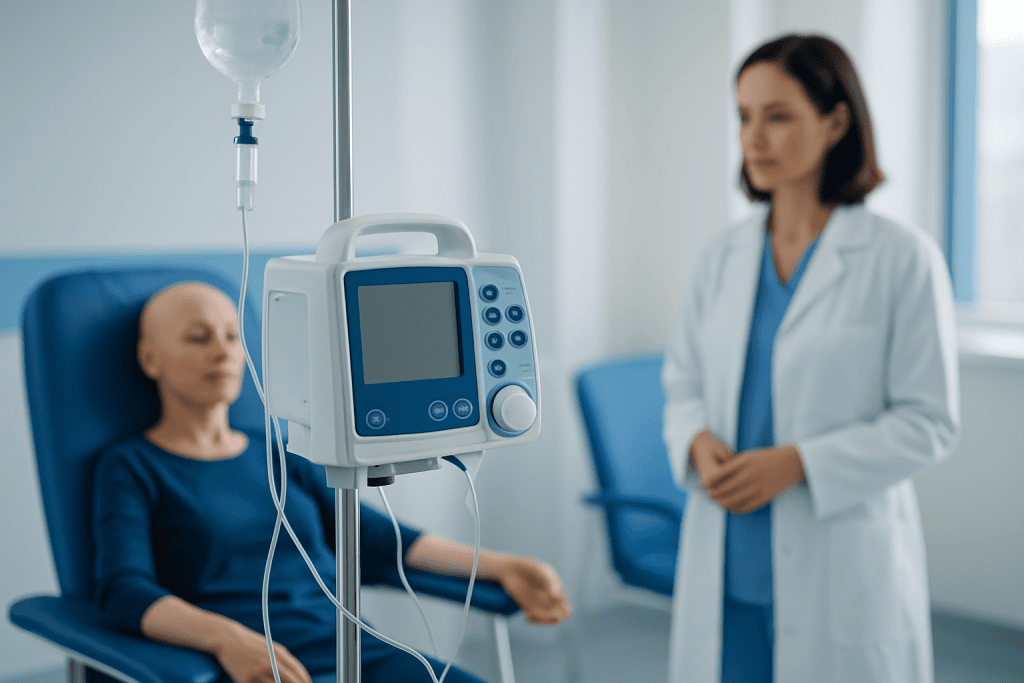
Symptoms of leukemia can vary depending on the type and how advanced it is. Some people develop symptoms gradually, while others notice changes quickly. Because leukemia affects normal blood cell production, symptoms often reflect low red blood cells, low platelets, or changes in white blood cells.
Common symptoms may include tiredness, weakness, fever, repeated infections, easy bruising, unusual bleeding, pale skin, swollen lymph nodes, night sweats, bone or joint discomfort, and unexplained weight loss. Some people also notice shortness of breath during activity or a feeling of fullness in the abdomen if the spleen becomes enlarged.
These symptoms can affect daily routines in many ways. Fatigue may make household tasks harder, infections may require extra caution in public places, and frequent medical visits can interrupt work or school. Emotional stress is also common, especially when waiting for test results or adjusting to treatment.
- Fatigue can affect concentration and physical stamina.
- Low immunity can increase concern about crowds or illness exposure.
- Bleeding or bruising can make some activities less safe.
- Treatment side effects may temporarily change appetite, sleep, and mood.
Causes and Risk Factors

In many cases, the exact cause of leukemia is not known. It develops when genetic changes occur in blood-forming cells, causing them to grow abnormally. These changes usually happen over time and are not caused by anything the patient did or did not do.
Some factors are associated with a higher risk of certain leukemias. These may include older age, previous cancer treatment with some chemotherapy drugs or radiation, smoking, long-term exposure to certain chemicals such as benzene, certain inherited genetic conditions, and some blood disorders. Family history may play a role in a small number of cases, but most people with leukemia do not have a close relative with the disease.
Risk factors do not mean a person will definitely develop leukemia, and people without known risk factors can still be diagnosed. This is one reason why unexplained symptoms should be assessed by a qualified doctor rather than attributed only to stress, aging, or a minor infection.
How Leukemia Is Diagnosed
Diagnosis usually starts with a medical history, physical examination, and blood tests. A complete blood count may show abnormal levels of white blood cells, red blood cells, or platelets. Additional blood studies can help doctors understand how the bone marrow is working and whether abnormal cells are present.
A bone marrow aspiration and biopsy are often important to confirm the diagnosis and identify the specific type of leukemia. The sample can be examined under a microscope and tested for chromosomal or genetic changes. These details help guide treatment decisions and give the care team a clearer picture of how the disease may behave.
Some patients may also need imaging tests or specialized laboratory tests, depending on symptoms and the suspected leukemia type. Accurate diagnosis matters because treatment can differ significantly between acute and chronic forms, and between myeloid and lymphocytic leukemias. In some cases, doctors may evaluate related blood cancers such as lymphoma when symptoms overlap.
Patients and families often find it helpful to ask for a clear explanation of the leukemia subtype, treatment goals, expected timeline, and possible side effects. Keeping a notebook or digital record of appointments, blood counts, and questions can make decision-making feel more manageable.
Treatment Options
Leukemia treatment is individualized. The plan depends on the exact subtype, the patient’s age and general health, how quickly the disease is progressing, and whether specific genetic markers are present. Some leukemias need treatment right away, while others may be safely monitored until there are signs that therapy is needed.
Common treatments include chemotherapy, targeted therapy, immunotherapy, and sometimes radiation therapy. Targeted therapies are designed to act on specific features of leukemia cells. Immunotherapy helps the immune system recognize and attack cancer cells. Supportive treatments such as blood transfusions, antibiotics, and medicines to reduce side effects are also an important part of care.
For some patients, a stem cell transplant may be recommended, especially if the leukemia is aggressive, returns after treatment, or has features that suggest a higher risk of relapse. The process can be demanding, but it may offer the best long-term control for certain patients. Clinical trials may also be discussed when appropriate.
Treatment can happen in phases and may continue for months or longer, depending on the leukemia type. A multidisciplinary team may include hematologists, oncologists, nurses, pharmacists, dietitians, psychologists, and rehabilitation specialists. Near the end of the treatment planning process, some international patients choose centers such as Acibadem International, where multidisciplinary specialists in JCI-accredited hospitals diagnose and treat leukemia with coordinated care.
Coping With Diagnosis, Treatment, and Daily Life
Coping with leukemia involves more than medical treatment alone. Emotional reactions such as fear, sadness, uncertainty, anger, or numbness are common after diagnosis. Many patients feel better supported when they speak openly with family members, trusted friends, counselors, or support groups. Asking for help is not a sign of weakness; it is part of healthy adjustment.
Daily life often becomes easier when routines are simplified. Patients may benefit from planning rest periods, accepting help with shopping or childcare, and preparing for appointments in advance. During treatment, fatigue can be one of the most challenging symptoms, so conserving energy for the activities that matter most can be helpful.
Nutrition, hydration, sleep, and gentle movement all play a role in wellbeing. A balanced diet supports strength and recovery, although appetite changes are common during treatment. Light physical activity, when approved by the care team, may improve mood, sleep, and function. If nausea, mouth sores, or weight changes become difficult, a dietitian can suggest practical adjustments.
- Keep a list of medications, symptoms, and questions for appointments.
- Follow infection-prevention advice, including hand hygiene and food safety.
- Discuss fertility, work, school, travel, and financial concerns early with the care team.
- Report side effects promptly so they can be managed before they become more disruptive.
Prevention, Self-Care, and Follow-Up
There is no guaranteed way to prevent leukemia, and many cases cannot be avoided. Still, reducing exposure to tobacco smoke and harmful chemicals, following workplace safety guidance, and attending routine medical care may support overall health. People who have had previous cancer treatment or who have known blood disorders may need ongoing follow-up based on their doctor’s advice.
Self-care during and after treatment focuses on protecting health and recognizing changes early. Good handwashing, avoiding close contact with people who are ill, and following food safety recommendations may lower infection risk when immunity is reduced. Patients should also ask their doctors which vaccines are appropriate and when they should be given.
Regular follow-up visits are an important part of leukemia care. These appointments may include physical exams, blood tests, and sometimes bone marrow or imaging studies. Follow-up helps doctors monitor response to treatment, manage long-term effects, and look for signs that the disease has returned or changed.
Recovery is often gradual. Even after treatment ends, some people need time to rebuild stamina, manage anxiety, or adjust to a new routine. Ongoing communication with the medical team helps patients feel more informed and supported throughout survivorship or long-term disease monitoring.
When to See a Doctor
Anyone with persistent unexplained fatigue, repeated infections, unusual bruising or bleeding, night sweats, swollen lymph nodes, or unintentional weight loss should seek medical advice. These symptoms can have many causes, but they deserve proper assessment, especially if they are new, worsening, or not improving.
People already diagnosed with leukemia should contact their care team promptly if they develop fever, chills, shortness of breath, chest pain, severe weakness, confusion, uncontrolled bleeding, or signs of dehydration. New or rapidly worsening symptoms during treatment should never be ignored.
Urgent medical attention may also be needed for severe treatment side effects such as persistent vomiting, inability to eat or drink, or signs of infection. Early communication with a healthcare professional often leads to quicker symptom relief and may help prevent complications.
Frequently asked questions
What is leukemia in simple terms?
Leukemia is a cancer that starts in the blood-forming tissues, most often the bone marrow. It leads to the production of abnormal blood cells that can interfere with the body's normal ability to fight infection, carry oxygen, and prevent bleeding.
Is leukemia always an emergency?
Not always. Some acute leukemias need rapid treatment, while some chronic leukemias may be monitored for a time before treatment begins. The urgency depends on the type of leukemia, symptoms, blood counts, and how quickly the disease is progressing.
Can people live a normal life with leukemia?
Many people continue important parts of daily life during or after leukemia treatment, although adjustments are often needed. Energy levels, infection risk, and treatment schedules can affect routines, but supportive care and planning can help maintain quality of life.
What are the first signs of leukemia?
Early signs may include fatigue, frequent infections, easy bruising, unusual bleeding, fever, night sweats, and unexplained weight loss. Because these symptoms can overlap with other conditions, proper medical evaluation is important.
How is leukemia treated?
Treatment may include chemotherapy, targeted therapy, immunotherapy, radiation therapy, supportive care, and in some cases stem cell transplant. The best approach depends on the exact leukemia subtype, the patient's overall health, and the goals of treatment.
Can leukemia come back after treatment?
Yes, some types of leukemia can return after a period of remission. This is why regular follow-up visits and blood tests are so important. If relapse happens, doctors may recommend a different treatment plan based on the specific situation.
References
- World Health Organization
- National Cancer Institute
- American Cancer Society
- Leukemia & Lymphoma Society
- National Health Service
This article is for general information only and is not a substitute for professional medical advice. Please consult a qualified doctor about your individual situation.
Leukemia in Turkey — costs, top hospitals & a free quote
JCI-accredited · board-certified surgeons · reply within 24h
Add us as a Preferred Source to see more of our trusted health content across Google Search, AI Overviews and Discover.

Medical Oncology Department
Medical treatment of cancer with chemotherapy, immunotherapy and targeted therapies under a multidisciplinary tumor board.
60 specialists in this unitMore from the Health Library



Related Specialists

Assoc. Prof. Dr. Emre Günay
General Surgery
Prof. Dr. Mustafa Seyhan
Orthopedic Surgery & Traumatology
Assoc. Prof. Dr. Mehmet Sürmeli
Otorhinolaryngology
Prof. Dr. Ali Kurtsoy
Neurosurgery