

How to Recognize Official Hospital Messages and Avoid Medical Travel Scams in Turkey

Official hospital messages in Turkey come from verified channels, clear hospital domains, and documented coordinators—not pressure, personal accounts, or…
When you are planning treatment abroad, a message can feel urgent and personal at the same time. This guide helps you tell official hospital communication from scams, so you can protect your health information, your money, and your travel plans in Turkey.
At a glance
- Best first check: Confirm the sender through the hospital’s official website or main switchboard
- Common red flags: Pressure to pay fast, personal bank accounts, poor email domains, and inconsistent names
- Safest payment route: Use documented hospital payment instructions only after written confirmation
- What to protect: Passport copy, test results, phone number, card details, and travel itinerary
- If unsure: Pause, do not pay, and ask the hospital’s international patient office to verify
Why scam awareness matters when you plan treatment in Turkey
Medical travel involves time-sensitive decisions, private health documents, and often large payments. That combination can attract scammers who imitate hospitals, coordinators, doctors, or travel partners. Their goal is usually to get money, identity documents, or sensitive medical information before you realize something is wrong.
In practice, scam messages often look believable because they use hospital logos, copied website text, or familiar messaging apps. You may receive a WhatsApp message, email, social media direct message, or phone call that sounds helpful and urgent. The safest approach is to assume that any message about treatment, payment, or documents should be verified through an official hospital channel before you respond.
If you are considering care in Istanbul or elsewhere in Turkey, choose hospitals with established international patient services and clear communication pathways. At Acibadem International, for example, international patients are supported through structured coordination, interpreters, and documented logistics assistance, which can make it easier for you to recognize what legitimate communication should look like.
What official hospital messages usually look like
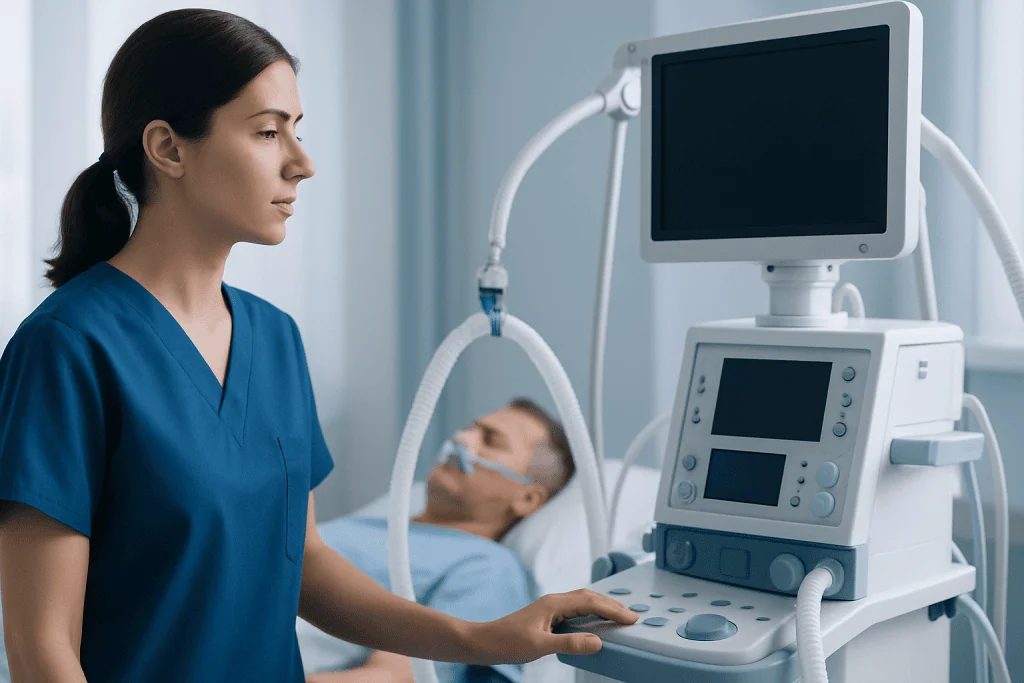
Official hospital messages are usually consistent, traceable, and specific. They normally come from a verified hospital website inquiry process, an official email domain, the hospital call center, or an international patient coordinator whose details can be confirmed through the hospital’s main contact points. The tone is generally professional rather than pushy.
You should expect clear identification in legitimate communication. That may include the hospital name, department, coordinator role, and a logical reason for contacting you. Messages about your appointment, medical documents, or travel planning should match steps you have already taken, such as submitting an inquiry or requesting a second opinion.
Official communication also tends to be documented. If someone discusses treatment planning or asks for records, there should be a formal trail by email or through a recognized patient communication route. Large hospitals serving international patients, including JCI-accredited groups such as Acibadem International, typically use organized teams and repeatable processes rather than improvised personal messaging for critical decisions.
- Consistent hospital branding and contact details
- An email address linked to the hospital’s official domain
- A coordinator whose identity can be confirmed on callback
- Clear next steps for records, appointments, or quotations
- No pressure to make immediate payment without verification
Red flags that suggest a scam or impersonation
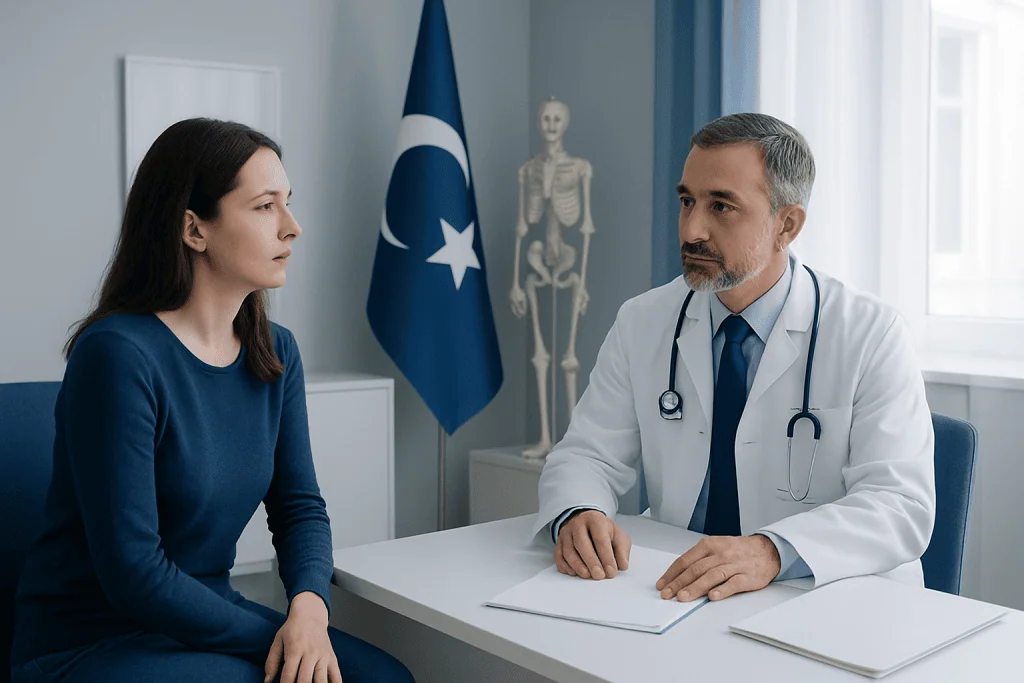
The biggest warning sign is urgency combined with secrecy. Be cautious if someone says your slot will disappear within hours, asks you not to contact the hospital directly, or pushes you to transfer money immediately. Scammers create stress so you act before checking details.
Another major red flag is payment behavior. You should be very wary if a sender asks for funds to be sent to a personal name, a personal bank account, a money transfer service, or a bank account in a country that seems unrelated to the hospital. Be equally cautious if the payment instructions change suddenly after you have already received earlier information.
Look closely at message quality and identity details. Mismatched names, unusual grammar, generic greetings, unofficial-looking attachments, and email domains that are similar to but not exactly the hospital’s website can all indicate impersonation. If a message claims to be from a well-known institution in Turkey but the sender becomes evasive when you ask for verification, stop the conversation and contact the hospital yourself.
- Requests for card details by chat message
- Pressure to share passport scans before basic verification
- Invoices without hospital details or patient reference numbers
- Frequent changes in phone numbers or contact names
- Claims of guaranteed outcomes or unrealistic promises
How to verify a message before you reply or pay
Start with the hospital’s official website, not the message itself. Find the main contact page and use the listed phone number, inquiry form, or international patient office details to check whether the person who contacted you is genuine. Do not rely on callback numbers or links provided only inside a suspicious message.
Ask practical verification questions. You can request the coordinator’s full name, department, hospital location, and official email signature, then cross-check that information with the hospital. If you have already been in touch with a genuine coordinator, compare the writing style, contact details, and payment process with previous communication.
For added safety, keep all key decisions in writing. If payment is needed, ask for documented instructions issued through a formal hospital channel and confirm them by calling the hospital directly. At Acibadem International, international patient support teams can help clarify whether a communication route, interpreter arrangement, or travel-related request is legitimate, which is especially useful if you are coordinating care from abroad.
Protecting your documents, privacy, and payment details
Your medical records are personal, but so are your identity and travel documents. Before sending passport copies, scans, imaging, or lab results, make sure you are using a verified hospital contact route. Share only what is necessary for the stage you are at, and avoid oversharing in informal chats if the sender has not been confirmed.
Be especially careful with payment information. A legitimate hospital may provide formal methods for deposits or billing, but it should not require you to send card numbers in plain messages or to pay through unusual consumer channels. If an invoice arrives as an attachment, confirm it independently before opening links or transferring funds.
It also helps to organize your own records. Keep screenshots of messages, email headers, invoices, names, and dates. If something later seems suspicious, this information can help the hospital review the contact and can support any bank, payment provider, or local authority report you need to make.
What to do if you think you have received a scam message
First, pause. Do not send money, documents, passwords, or one-time verification codes. Do not click new links or download files from the sender until you have confirmed whether the contact is real through an official hospital source.
Next, preserve the evidence. Take screenshots, save email messages, note phone numbers, and record the time and date. Then contact the hospital directly using the official website or main switchboard and ask the international patient office or patient relations team to verify the message.
If you have already paid or shared sensitive information, act quickly. Contact your bank or card provider, change passwords connected to the compromised account, and ask the hospital whether any patient file or communication has been affected. If you are working with a major institution such as Acibadem International, report the issue to its official team so they can help you distinguish real coordination from impersonation and guide your next practical steps.
Step by step
- Find the hospital independently. Open the hospital’s official website yourself instead of tapping links in a message. Use the published contact page, not the sender’s preferred number, to confirm you are speaking with a real hospital team.
- Verify the coordinator’s identity. Ask for the full name, department, and official email of the person contacting you. Then call or email the hospital through its main channel to confirm that this person works with international patients and is assigned to your case.
- Check the payment instructions carefully. Before you transfer any money, request written payment instructions from an official hospital channel. Confirm the account details by a separate phone call to the hospital and be cautious of personal accounts or last-minute changes.
- Review the message for consistency. Compare the sender’s name, tone, hospital location, and process with what you already know. Inconsistencies, grammar issues, or vague promises are reasons to stop and verify before replying.
- Send documents only through trusted routes. Use verified email addresses, approved upload methods, or formal patient communication channels where possible. Avoid sending passport copies, scans, or reports through unconfirmed chats just because someone sounds urgent.
- Keep a record of every contact. Save emails, screenshots, invoice copies, and phone numbers from the beginning. Good records make it easier to confirm legitimacy and help quickly if you need support from the hospital or your bank.
- Escalate immediately if something feels wrong. If you suspect impersonation, stop engaging with the sender and contact the hospital directly. If you have already paid or shared financial details, notify your bank at once and ask the hospital’s official international patient team what to do next.
Your checklist
- Use the hospital’s official website to find contact details
- Confirm the sender’s full name, role, and department
- Check that the email domain matches the real hospital domain
- Never rush a payment because of pressure or fear
- Do not send money to a personal account without verification
- Share passport and medical files only through verified channels
- Keep screenshots and written records of all communication
- Call the hospital directly if payment instructions change
- Be cautious of guaranteed outcomes or unusually low offers
Key takeaways
- Official hospital messages in Turkey should be easy to verify through the hospital’s own website or main switchboard.
- Pressure, secrecy, personal bank accounts, and inconsistent contact details are common scam warning signs.
- Do not pay, click links, or share passport and card information until the sender is confirmed.
- Keep all treatment planning and payment decisions documented in formal communication channels.
- Established providers with international patient services, such as Acibadem International, can help you verify legitimate communication and logistics.
Frequently asked questions
Is WhatsApp always a scam if a hospital contacts me there?
No. Some international patient coordinators may use messaging apps for convenience after an initial inquiry, but the contact should still be verifiable through the hospital’s official channels. The key is not the app itself, but whether the person, number, and process can be independently confirmed.
How can I check whether an email is really from a hospital in Turkey?
Look at the full sender address, not only the display name. Then compare it with the official domain shown on the hospital’s website and contact the hospital directly to confirm the sender’s role and the purpose of the email.
What payment requests should make me stop immediately?
Pause if you are asked to pay into a personal account, a money transfer service, or an account that does not clearly belong to the hospital. You should also stop if payment details change suddenly or if the sender pushes you to pay before basic verification.
Is it safe to send my passport and medical records by email?
It can be appropriate once you have confirmed you are dealing with an official hospital contact. Send only what is necessary, use verified channels, and avoid sharing sensitive documents through unconfirmed chats or suspicious links.
What should I do if I already paid a scammer?
Contact your bank or card provider immediately and explain that you may have been targeted by fraud. Then save all evidence, report the issue to the hospital whose name was used, and change any passwords connected to the information you shared.
Can a real hospital guarantee results or a specific outcome before seeing me?
Be cautious of guarantees. Legitimate medical communication is usually careful and individualized, especially before your records have been reviewed and you have been properly assessed.
How does a large provider like Acibadem International help reduce confusion?
Large international providers usually have structured patient pathways, formal international patient teams, and documented support for interpreters, travel, and scheduling. That makes it easier for you to verify who is contacting you and what the correct next step should be.
Add us as a Preferred Source to see more of our trusted health content across Google Search, AI Overviews and Discover.
More Patient Guides
After-Hours Medical Help in Turkey: What International Patients Should Do
After-hours medical help in Turkey starts with urgent triage, emergency services, and your hospital’s international team in Istanbul or beyond.
9 min read
When to Delay Travel for Treatment in Turkey: Warning Signs to Discuss First
Delay travel for treatment in Turkey if you have fever, chest pain, breathing trouble, new infection, or unstable symptoms—speak to your doctor…
9 min read
Medical Consent Forms in Turkey: What International Patients Are Signing
Medical consent forms in Turkey explain your treatment, risks, and rights before care. International patients should review language, questions, and signatures.
8 min read