Neuropsychiatric Symptoms: Causes, Red Flags, and How They Are Diagnosed

Neuropsychiatric symptoms can affect mood, memory, behavior, sleep, perception, and decision-making. They may be caused by neurological disorders, mental health conditions, infections, medications, hormone problems, or substance use.
Key Takeaways
- Neuropsychiatric symptoms can affect mood, memory, behavior, sleep, perception, and decision-making.
- They may be caused by neurological disorders, mental health conditions, infections, medications, hormone problems, or substance use.
- Sudden confusion, seizures, suicidal thoughts, or new hallucinations require urgent medical attention.
- Diagnosis usually includes a detailed history, physical and neurological examination, and sometimes blood tests, brain imaging, or cognitive testing.
- Treatment focuses on the underlying cause and may include medication, psychotherapy, rehabilitation, and lifestyle support.
Neuropsychiatric symptoms are changes in mood, behavior, thinking, perception, or personality that may arise from brain, nervous system, medical, or psychiatric conditions. Careful evaluation is important because these symptoms can have many possible causes, and treatment depends on finding the underlying reason.
Overview of Neuropsychiatric Symptoms
Neuropsychiatric symptoms are changes in emotions, thinking, behavior, perception, or personality that may be linked to how the brain and nervous system are functioning. They can appear gradually or suddenly, and they may be mild and temporary or more disruptive to daily life. These symptoms are not a diagnosis by themselves. Instead, they are signs that may point to many different health conditions.
A person with neuropsychiatric symptoms may seem unusually anxious, withdrawn, confused, forgetful, suspicious, impulsive, agitated, or emotionally flat. Others may notice sleep changes, poor concentration, mood swings, hallucinations, or difficulty planning and making decisions. In some people, the first noticeable change is behavioral rather than physical, which can make the cause harder to recognize at first.
Neuropsychiatry is the field that looks at the close relationship between brain health and mental health. Because symptoms can overlap, assessment often considers both neurological and psychiatric causes. A careful evaluation helps distinguish whether symptoms are related to a primary mental health condition, a neurological disorder, a medical illness, medication effects, or a combination of factors.
Common Symptoms and How They May Appear
Neuropsychiatric symptoms can look different from person to person. Some people develop emotional symptoms, such as depression, anxiety, irritability, or sudden mood changes. Others may have cognitive symptoms, including memory problems, slower thinking, trouble finding words, or difficulty focusing. Changes in sleep, appetite, motivation, and social interaction are also common.
Behavioral and perceptual changes may be especially concerning. These can include agitation, aggression, impulsivity, apathy, paranoia, hallucinations, or delusions. Some people have reduced awareness of their symptoms, while others feel distressed and recognize that something is not right. Symptoms may fluctuate through the day or become worse during illness, stress, or poor sleep.
Common examples include:
- Confusion or disorientation
- Memory loss or trouble concentrating
- Depressed mood or anxiety
- Personality or behavior changes
- Hallucinations or unusual beliefs
- Sleep disturbances
- Agitation, restlessness, or slowed behavior
- Poor judgment or difficulty managing daily tasks
The same symptom can have many possible causes. For example, confusion may be related to infection, medication side effects, a metabolic problem, dementia, or a psychiatric illness. That is why symptom pattern, timing, and associated medical signs are all important during evaluation.
Causes and Risk Factors

Neuropsychiatric symptoms can arise from conditions that directly affect the brain or from broader medical problems that change brain function. Neurological causes may include stroke, dementia, epilepsy, traumatic brain injury, Parkinsonian disorders, multiple sclerosis, brain tumors, autoimmune conditions, and central nervous system infections. In some cases, symptoms such as mood change or psychosis are among the earliest signs of a neurological disease.
Psychiatric conditions can also present with neuropsychiatric symptoms. These include major depressive disorder, bipolar disorder, anxiety disorders, post-traumatic stress disorder, and schizophrenia spectrum disorders. However, clinicians must be cautious not to assume a psychiatric cause too quickly, especially when symptoms begin suddenly, appear later in life, or occur together with physical or neurological changes.
Medical conditions outside the brain can also contribute. Thyroid disease, liver or kidney problems, low vitamin levels, electrolyte imbalance, autoimmune disease, sleep disorders, severe infections, and hormonal changes may all affect thinking and behavior. Medication side effects and substance use are also important. Alcohol, recreational drugs, sedatives, stimulants, and withdrawal states can lead to confusion, agitation, or psychotic symptoms.
Risk factors vary by cause, but some patterns increase concern. Older age, a history of neurological disease, recent head injury, multiple medications, heavy alcohol or substance use, severe sleep deprivation, and sudden medical illness can all raise the likelihood of neuropsychiatric symptoms. Family history may also be relevant, especially when there is a background of mood disorders, psychosis, dementia, or neurological illness.
Red Flags That Need Urgent Assessment
Some neuropsychiatric symptoms should be assessed urgently because they may signal a medical emergency. These include sudden confusion, a rapid change in alertness, new seizures, loss of consciousness, severe headache with behavioral change, weakness on one side of the body, trouble speaking, or new visual changes. These symptoms may point to stroke, infection, bleeding, severe metabolic disturbance, or another acute neurological problem.
Immediate help is also needed when there are hallucinations or delusions that place the person or others at risk, suicidal thoughts, self-harm, violent behavior, or extreme agitation. A person who cannot recognize familiar people, cannot manage basic self-care, or seems severely disoriented should also be evaluated promptly. In older adults, a sudden decline may be a sign of delirium rather than a chronic mental health condition.
Families and caregivers often notice early warning signs before the person does. It is important to seek medical advice if behavior changes are unusual, persistent, or out of character. Keeping note of when symptoms started, how quickly they changed, and whether there was a trigger such as infection, medication change, or fall can be very helpful for the medical team.
How Neuropsychiatric Symptoms Are Diagnosed
Diagnosis begins with a detailed history. The doctor will ask about the symptoms, when they began, how they have changed, and whether there are triggers such as stress, illness, substance use, or medication changes. Information from family members or caregivers is often valuable, especially if the person is confused, forgetful, or unaware of the changes.
A full examination usually includes both general medical assessment and a neurological examination. The clinician may check memory, attention, speech, movement, reflexes, balance, sensation, and signs of systemic illness. Mental status assessment may look at mood, thought content, perception, judgment, and insight. This combined approach helps identify patterns that suggest a neurological, psychiatric, or medical cause.
Further tests depend on the presentation. Blood tests may look for infection, inflammation, thyroid problems, vitamin deficiencies, liver or kidney disease, glucose problems, and electrolyte disturbances. In some cases, urine tests, toxicology screening, or tests for autoimmune or infectious causes are needed. Cognitive testing may help measure memory, language, executive function, and attention more precisely.
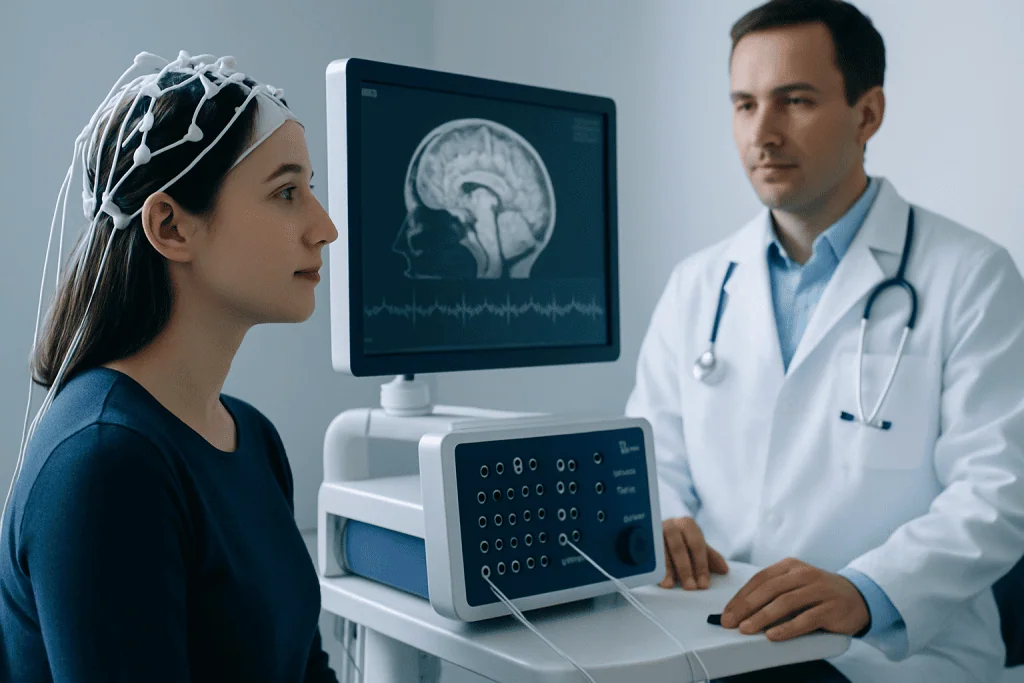
Brain imaging such as MRI or CT may be recommended if there are new neurological signs, sudden personality change, seizures, head injury, or concern about structural causes. Some patients also need EEG to assess seizure activity, sleep studies, lumbar puncture, or formal neuropsychological evaluation. When symptoms are complex, care may involve neurologists, psychiatrists, neuropsychologists, and other specialists working together.
Treatment Options and Support
Treatment depends on the underlying cause. If symptoms are related to infection, thyroid disease, vitamin deficiency, medication side effects, sleep apnea, or another medical issue, addressing that problem may significantly improve brain function and behavior. If a neurological condition such as dementia, epilepsy, or stroke is identified, treatment focuses on both the primary disease and the related emotional or behavioral symptoms.
When symptoms are linked to a psychiatric disorder, treatment may include psychotherapy, medication, or both. Supportive therapies can also be important, such as occupational therapy, cognitive rehabilitation, speech and language therapy, or structured behavioral strategies. Sleep support, regular routines, and a calm environment can reduce distress in some patients, especially those with confusion or dementia-related symptoms.
Medication may be used carefully when needed for depression, anxiety, psychosis, severe agitation, seizures, or sleep disturbance. Doctors consider age, overall health, and possible side effects before choosing treatment. For many people, the safest and most effective plan combines medical treatment with practical support at home, education for caregivers, and regular follow-up.
In more complex cases, care in a specialized center may help coordinate diagnosis and treatment. Acibadem International’s multidisciplinary specialists and JCI-accredited hospitals evaluate and treat neuropsychiatric conditions for international patients when advanced neurological and psychiatric assessment is needed.
Prevention, Self-care, and Living With Symptoms
Not all neuropsychiatric symptoms can be prevented, but overall brain health can reduce risk and support recovery. Regular sleep, balanced nutrition, physical activity, good control of chronic diseases, and avoiding excessive alcohol or recreational drugs are all helpful. Reviewing medications regularly with a doctor can also reduce the chance of side effects or harmful interactions that affect thinking and behavior.
For someone living with ongoing symptoms, daily structure is often beneficial. Written reminders, simple routines, reduced noise, and clear communication may make daily tasks easier. Family support matters, but caregivers also need guidance and rest. Sudden changes should not be ignored, especially if the person has a known neurological condition and becomes more confused, sleepy, or agitated than usual.
Follow-up care is important because symptoms can change over time. Tracking patterns such as mood shifts, sleep disruption, falls, episodes of confusion, or missed medications may help the care team adjust treatment. Many people improve when the underlying cause is identified early, and even chronic conditions can often be managed more effectively with the right support plan.
Frequently asked questions
What are neuropsychiatric symptoms?
Neuropsychiatric symptoms are changes in mood, behavior, thinking, perception, or personality that may be related to brain function. They can occur with neurological disorders, psychiatric conditions, medical illnesses, medication effects, or substance use.
Are neuropsychiatric symptoms the same as mental illness?
Not always. Some symptoms are caused by primary mental health conditions, but others come from neurological or general medical problems such as infection, stroke, dementia, or thyroid disease. That is why a full medical assessment is often needed.
When should someone seek urgent care for these symptoms?
Urgent care is important for sudden confusion, seizures, severe agitation, suicidal thoughts, new hallucinations, weakness, speech difficulty, or a sudden major behavior change. These symptoms can be signs of a serious medical or neurological emergency.
How do doctors test for the cause of neuropsychiatric symptoms?
Doctors usually begin with a detailed history and physical, neurological, and mental status examinations. Depending on the findings, they may order blood tests, urine tests, brain imaging, EEG, or cognitive and neuropsychological testing.
Can neuropsychiatric symptoms be treated?
Yes, treatment is often possible, but it depends on the underlying cause. Some people improve when an infection, medication effect, sleep disorder, or hormone imbalance is treated, while others need longer-term care for neurological or psychiatric conditions.
Can stress alone cause neuropsychiatric symptoms?
Stress can worsen concentration, mood, sleep, and anxiety, and it may make existing symptoms more noticeable. However, new or severe symptoms should not automatically be blamed on stress, especially if they are sudden, progressive, or accompanied by neurological signs.
References
- World Health Organization
- National Institute of Mental Health
- National Institute of Neurological Disorders and Stroke
- American Psychiatric Association
- National Institute on Aging
This article is for general information only and is not a substitute for professional medical advice. Please consult a qualified doctor about your individual situation.
Explore treatments in Turkey — costs, top hospitals & a free quote
JCI-accredited · board-certified surgeons · reply within 24h
Add us as a Preferred Source to see more of our trusted health content across Google Search, AI Overviews and Discover.

More from the Health Library



Related Specialists

Dr. Melih Gündüz
Gynecology & Obstetrics
Prof. Dr. İbrahim Berber
General Surgery
Prof. Dr. Baki Erdem (m)
Gynecology & Obstetrics
Prof. Dr. A. Erdem Kılavuz
Otorhinolaryngology