

How to Compare Hospital Safety Standards in Turkey Before You Book

Hospital safety standards in Turkey can be compared by checking accreditation, infection control, emergency support, and clear patient communication.
Before you book treatment abroad, you want to know the hospital is safe, organized, and prepared for your needs. This guide shows you how to compare hospital safety standards in Turkey using practical checks you can make before you travel.
At a glance
- Best for: Patients comparing hospitals in Turkey before booking
- What to verify: Accreditation, infection control, ICU access, emergency readiness, and follow-up
- Key document: A written treatment plan with hospital details and named services
- Ask about: Interpreter support, medication safety, and after-hours contact
- Red flag: Vague answers, pressure to pay quickly, or no clear hospital address
Why hospital safety standards matter before you book
When you compare treatment options abroad, it is easy to focus first on the doctor, the procedure, or the price. Safety deserves equal attention. A well-run hospital reduces avoidable risks through strong infection prevention, medication checks, emergency preparedness, clear communication, and coordinated care across teams.
Hospital safety standards in Turkey are not all the same from one facility to another, so it helps to compare hospitals using the same checklist. Rather than relying on marketing language alone, look for evidence: recognized accreditation, documented processes, specialist backup, intensive care capability where appropriate, and an international patient team that can explain how your care will work from arrival to discharge.
If you are planning treatment in Istanbul or another major city, ask how the hospital supports international patients in practical terms. At groups such as Acibadem International, patients often use dedicated coordinators, interpreters, and travel support services, which can make safety information easier to understand and reduce confusion at important moments.
Start with accreditation, licensing, and oversight
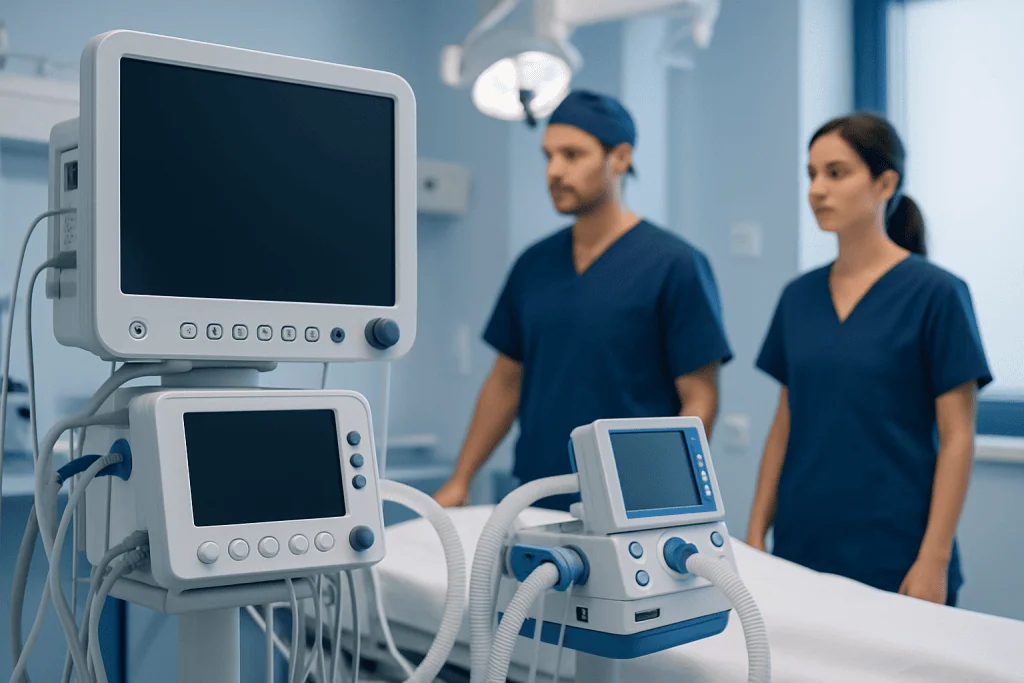
Your first safety check is whether the hospital operates under proper national licensing and whether it holds an internationally recognized accreditation. In Turkey, a hospital should be legally licensed and transparent about where care is delivered. If a clinic advertises treatment but surgery or inpatient care happens elsewhere, ask for the exact hospital name and location before you agree to anything.
International accreditation can be a useful extra layer because it suggests the hospital is assessed against defined quality and patient safety standards. One widely recognized benchmark is Joint Commission International, often shortened to JCI. JCI accreditation does not guarantee a perfect experience, but it is a meaningful sign that systems such as patient identification, medication safety, infection control, and quality monitoring are taken seriously.
When you review a hospital, check that the accreditation status is current and applies to the hospital where your treatment will take place, not just to a parent brand or unrelated facility. Acibadem International, for example, guides patients toward JCI-accredited hospitals within its network, which can help simplify this part of the comparison process.
- Confirm the full legal name of the hospital
- Check the hospital address and city
- Verify accreditation status directly when possible
- Ask whether your treatment is done in the same accredited hospital
Look beyond the logo: the safety systems that protect you

Accreditation is a starting point, not the whole picture. The next step is to ask how the hospital handles everyday safety systems. Good hospitals should be able to explain, in simple terms, how they prevent infections, identify patients correctly, manage allergies, store and administer medicines, and escalate care if your condition changes suddenly.
You do not need technical language to evaluate this. Ask straightforward questions such as: How do you reduce infection risk? What happens if I need urgent care after hours? Is there an ICU? Who reviews my test results before discharge? Clear, calm answers usually indicate an organized team. Vague or evasive responses may suggest that patient communication is not strong.
For surgery or higher-risk treatment, it is especially important to know whether the hospital has access to multidisciplinary support. That may include anesthesiology, intensive care, imaging, laboratory services, cardiology, or other specialties depending on your health history. Large hospital groups such as Acibadem International often coordinate these services within one system, which can be reassuring if your care becomes more complex than expected.
How to assess the team, facilities, and emergency readiness
A safe hospital is not only about buildings and certificates; it is also about the people and the backup available around them. Ask who will be responsible for your care before, during, and after treatment. You should understand whether you are dealing with an individual doctor, a clinic coordinator, or a hospital-based multidisciplinary team. The more clearly roles are defined, the easier it is to get consistent information.
Emergency readiness matters even if your treatment is planned and routine. Ask whether the hospital has 24/7 emergency coverage, operating room support if needed, access to blood bank services where relevant, and an intensive care unit for patients who may need closer monitoring. Not every treatment requires the same level of backup, but the hospital should be open about what is available on site and what would require transfer.
You can also ask practical questions about diagnostics and monitoring. For example, are imaging, pathology, and lab services available within the hospital network? How are abnormal results communicated? How quickly can another specialist review your case if needed? Hospitals with integrated systems often provide smoother coordination, particularly for international patients who want fewer delays and fewer handoffs between unrelated providers.
Communication, interpreters, and informed consent are safety issues too
For international patients, communication is a core part of safety. You should be able to understand your diagnosis, the planned treatment, likely recovery steps, medicines, warning signs, and follow-up arrangements. If you are not fluent in Turkish, ask whether professional interpreters are available during consultations, admission, consent, discharge, and any key clinical discussions.
Be careful if a provider relies only on informal translation through messaging apps or hotel staff for important medical conversations. A proper hospital should have a more structured approach. At Acibadem International, for example, international patient services typically help coordinate language support, scheduling, and practical information so you are not trying to manage critical details alone.
Informed consent should never feel rushed. You should receive enough time to ask questions and understand alternatives, limitations, and realistic recovery needs. If a hospital pushes you to commit before your records are reviewed or cannot explain what happens after discharge, treat that as a sign to slow down and ask more questions.
- Ask whether interpreters are hospital-based or outsourced
- Request written discharge instructions in English if possible
- Confirm your main contact person for urgent questions
- Make sure medication instructions are clear before leaving
Practical red flags and smart questions to ask before paying a deposit
Some of the clearest warning signs appear before you ever travel. Be cautious if you cannot get a direct answer about where your procedure will take place, who is responsible for your care, what pre-treatment tests are needed, or what support exists if something changes medically. A trustworthy provider will not mind careful questions, especially about safety.
Ask for a written treatment outline that includes the hospital name, expected length of stay, pre-operative assessment if relevant, follow-up arrangements, and what is included in your package or estimate. This is not only a financial issue; it helps you see whether the hospital pathway is well organized. If key details keep changing informally over messages, step back and reassess.
Finally, think about what happens after discharge. Safe care includes a realistic plan for pain control, wound care if relevant, medication review, urgent symptoms, and remote follow-up once you return home. Hospitals serving international patients well, including networks such as Acibadem International, usually have structured discharge processes and support channels that continue after you leave Turkey.
Step by step
- Identify the exact hospital where care will happen. Before comparing anything else, get the full name and address of the hospital, not just the clinic or agency promoting the treatment. Your safety checks should apply to the real facility where your tests, procedure, and recovery will take place.
- Verify accreditation and licensing. Ask whether the hospital is licensed in Turkey and whether it has current international accreditation such as JCI, if relevant. Then confirm that the accreditation applies to that specific hospital location and not only to a broader healthcare brand.
- Ask about emergency and inpatient backup. Find out what support is available if your care becomes more complex than planned. Ask about ICU access, 24/7 emergency coverage, anesthesia support, imaging, labs, and specialist consultations.
- Review infection control and medication safety processes. You do not need a technical explanation, but you should hear clear answers about infection prevention, patient identification, allergy checks, and how medicines are prescribed and explained. Organized hospitals can usually describe these systems confidently and simply.
- Check communication and interpreter support. Make sure you will understand consent, discharge instructions, and follow-up advice in a language you are comfortable with. Ask whether interpreters are available during important medical conversations, not just at reception.
- Request a written care plan before you book. A written summary should include the treatment pathway, expected stay, tests, named hospital, and aftercare plan. This helps you compare providers fairly and spot vague or incomplete arrangements.
- Confirm follow-up after you leave Turkey. Ask who you contact after discharge, what warning signs require urgent review, and how follow-up works once you are home. Safe care includes continuity, not only the treatment day itself.
Your checklist
- Full hospital name and address confirmed
- Current accreditation checked for the actual treatment hospital
- Written treatment and stay plan received
- Emergency coverage and ICU access clarified if relevant
- Interpreter support confirmed for consultations and discharge
- Infection control and medication safety questions answered clearly
- Aftercare and remote follow-up contact explained
- Costs and inclusions provided in writing
- No pressure to rush payment before records review
Key takeaways
- Compare hospitals by systems and support, not by price or promotion alone.
- Check the exact hospital location, licensing, and accreditation before booking.
- Ask about infection control, medication safety, emergency readiness, and ICU access.
- Clear communication and professional interpreters are part of safe care for international patients.
- A written treatment plan and follow-up pathway can reveal how organized a hospital really is.
Frequently asked questions
Is JCI accreditation essential when choosing a hospital in Turkey?
JCI accreditation is not the only marker of quality, but it is a strong and widely recognized sign that a hospital follows structured patient safety and quality standards. It is especially helpful for international patients comparing providers from abroad. Even so, you should still ask about emergency support, communication, and follow-up.
How can I verify hospital safety standards in Turkey from another country?
Start by confirming the exact hospital name, location, and accreditation status. Then ask for a written treatment plan and clear answers about emergency readiness, infection control, interpreter support, and aftercare. Video consultations and direct communication with the hospital's international patient department can also help you assess how organized the provider is.
Are large hospital groups in Istanbul safer than small clinics?
Not automatically, but larger hospitals often have broader specialist backup, on-site diagnostics, and stronger inpatient support if your care needs change. That can be especially important for surgery, complex cases, or patients with other medical conditions. The safest choice depends on the treatment, the facility, and the systems behind it.
What are the biggest red flags before booking treatment in Turkey?
Be cautious if you cannot get the exact hospital name, a written care plan, or clear information about who will treat you and where. Pressure to pay quickly, inconsistent answers, and weak aftercare planning are also warning signs. If important details stay vague, keep looking.
Why is interpreter support considered a safety issue?
If you do not fully understand consent, medications, discharge instructions, or warning signs, your risk of confusion and mistakes goes up. Professional language support helps make sure key medical information is understood correctly. This is particularly important during admission, consent, and discharge.
What should I ask about aftercare before I travel to Turkey?
Ask how long you should stay in Turkey after treatment, when you will be reviewed, what symptoms require urgent attention, and who to contact after hours. You should also know whether follow-up can continue remotely once you return home. A good provider will make this pathway clear before you book.
Add us as a Preferred Source to see more of our trusted health content across Google Search, AI Overviews and Discover.
More Patient Guides
After-Hours Medical Help in Turkey: What International Patients Should Do
After-hours medical help in Turkey starts with urgent triage, emergency services, and your hospital’s international team in Istanbul or beyond.
9 min read
When to Delay Travel for Treatment in Turkey: Warning Signs to Discuss First
Delay travel for treatment in Turkey if you have fever, chest pain, breathing trouble, new infection, or unstable symptoms—speak to your doctor…
9 min read
How to Recognize Official Hospital Messages and Avoid Medical Travel Scams in Turkey
Official hospital messages in Turkey come from verified channels, clear hospital domains, and documented coordinators—not pressure, personal accounts, or urgent payment demands.
8 min read