Narcolepsy and Other Central Hypersomnia Disorders Explained

Central hypersomnia disorders cause excessive daytime sleepiness that is not explained by poor sleep habits alone. Narcolepsy may also involve cataplexy, vivid dream-like experiences at sleep onset or waking, and sleep paralysis.
Key Takeaways
- Central hypersomnia disorders cause excessive daytime sleepiness that is not explained by poor sleep habits alone.
- Narcolepsy may also involve cataplexy, vivid dream-like experiences at sleep onset or waking, and sleep paralysis.
- Diagnosis usually combines a sleep history with overnight sleep testing and daytime nap testing.
- Treatment often includes lifestyle measures, scheduled naps, and medicines tailored to the specific disorder.
- People with ongoing sleepiness, sudden muscle weakness, or safety concerns should seek specialist evaluation.
Narcolepsy and other central hypersomnia disorders are sleep-wake conditions that cause persistent daytime sleepiness despite adequate or even prolonged sleep. With careful diagnosis and personalized treatment, many people can improve alertness, safety, and quality of life.
Overview
Narcolepsy and other central hypersomnia disorders are neurological sleep-wake conditions in which the brain has difficulty regulating alertness and sleep. The main feature is excessive daytime sleepiness, meaning a strong tendency to fall asleep or an ongoing struggle to stay awake during normal daytime activities. This is different from simply feeling tired after a late night.
The group includes narcolepsy type 1, narcolepsy type 2, idiopathic hypersomnia, and some rarer conditions linked to brain injury, medications, or other medical problems. Although these disorders share daytime sleepiness, each has its own pattern of symptoms and diagnostic criteria. A careful assessment is important because treatment can differ from one disorder to another.
These conditions can affect school, work, mood, memory, and driving safety. Some people live with symptoms for years before receiving a diagnosis, often because sleepiness is mistaken for stress, depression, poor sleep habits, or a busy lifestyle. Recognizing the pattern can help people get the right support sooner.
Symptoms and How They May Feel
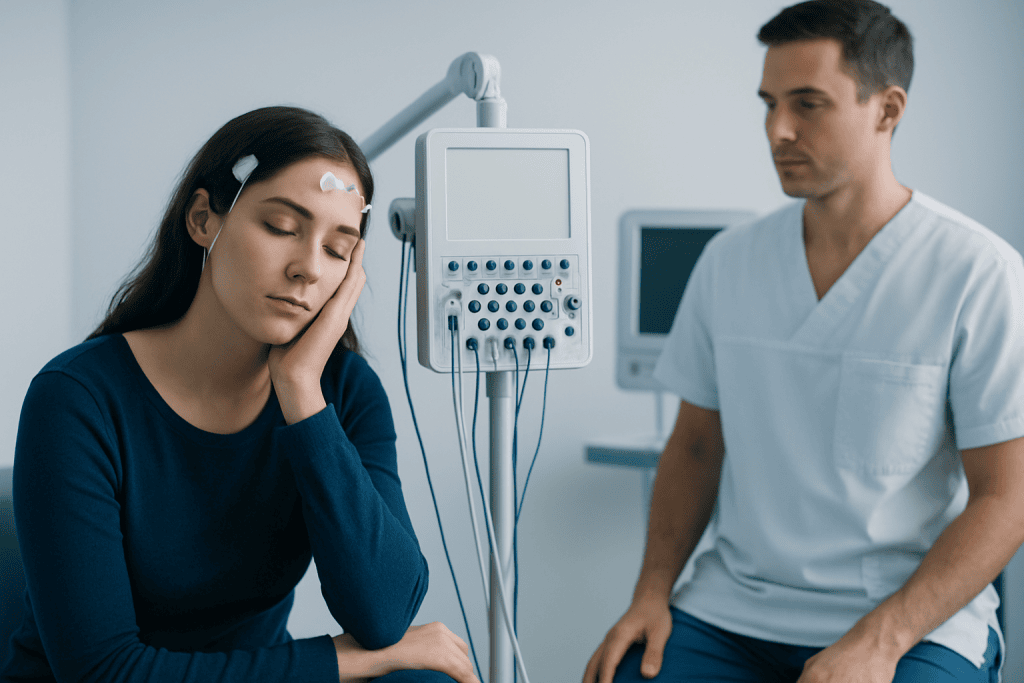
The core symptom across central hypersomnia disorders is excessive daytime sleepiness. A person may feel sleepy almost every day, doze off in quiet situations, struggle to concentrate, or need repeated naps. In some cases, naps are refreshing for a short time; in others, they are long and unrefreshing.
Narcolepsy can also cause additional symptoms. Cataplexy is a brief loss of muscle strength triggered by strong emotions such as laughter, surprise, or excitement; it may affect the face, knees, or the whole body while consciousness remains clear. Some people experience sleep paralysis, which is a temporary inability to move when falling asleep or waking up, as well as vivid dream-like hallucinations at these times.
Nighttime sleep may also be disturbed, even though the person feels very sleepy during the day. People may wake frequently, have automatic behaviors while half-asleep, or feel mentally foggy on waking. In idiopathic hypersomnia, long sleep duration, difficulty waking up, and prolonged morning grogginess known as sleep inertia are especially common.
- Persistent daytime sleepiness
- Sudden sleep attacks or unplanned naps
- Cataplexy in some forms of narcolepsy
- Sleep paralysis or vivid sleep-related hallucinations
- Long nighttime sleep or severe sleep inertia, especially in idiopathic hypersomnia
Causes and Risk Factors

Central hypersomnia disorders arise from problems in the brain systems that regulate sleep and wakefulness. In narcolepsy type 1, there is a loss of brain cells that produce hypocretin, also called orexin, a chemical messenger that helps maintain wakefulness and stable transitions between sleep and wake states. This change is thought to involve an autoimmune process in many people, although the exact trigger is not always clear.
Narcolepsy type 2 causes similar daytime sleepiness but without cataplexy and usually without clear evidence of hypocretin deficiency. Idiopathic hypersomnia is less fully understood. It is diagnosed when a person has chronic excessive sleepiness that cannot be better explained by narcolepsy, insufficient sleep, medication effects, breathing-related sleep disorders, or other medical or psychiatric conditions.
Risk factors and contributing factors can include family history, certain infections or immune triggers, head injury, neurological disease, and medicines that affect alertness. It is also important to distinguish these disorders from more common causes of sleepiness such as sleep apnea, shift work, chronic sleep deprivation, depression, or thyroid disease. A specialist looks at the whole picture before confirming a central hypersomnia disorder.
How Doctors Make the Diagnosis
Diagnosis begins with a detailed history. A sleep specialist will ask about the timing and severity of sleepiness, work and sleep schedules, medications, caffeine or alcohol use, mood symptoms, and whether there are signs such as cataplexy, snoring, witnessed pauses in breathing, or restless legs. Keeping a sleep diary and, in some cases, using actigraphy can help show actual sleep patterns over one to two weeks.
Objective sleep testing is often essential. Many patients first have an overnight sleep study, called polysomnography, to rule out other sleep disorders and assess nighttime sleep. This may be followed the next day by a multiple sleep latency test, which measures how quickly a person falls asleep during several scheduled naps and whether rapid eye movement sleep appears unusually early.
In selected cases, additional tests may be used. These may include laboratory studies to look for medical contributors to sleepiness, brain imaging if another neurological cause is suspected, or measurement of cerebrospinal fluid hypocretin in specific situations. Because several disorders can look similar, accurate diagnosis may take time and should be interpreted by clinicians experienced in sleep study evaluation and hypersomnia disorders.
Treatment Options
Treatment is individualized and aims to improve daytime functioning, safety, and quality of life. Many people benefit from a combination of behavioral strategies and medication. Scheduled naps, regular sleep-wake times, and avoiding sleep deprivation are often part of care, particularly in narcolepsy.
Medicines may be used to improve alertness or to reduce symptoms such as cataplexy. The choice depends on the diagnosis, age, other medical conditions, possible side effects, and whether the main problem is sleepiness, disrupted nighttime sleep, or emotion-triggered weakness. Some patients may also need evaluation for coexisting conditions, such as restless leg syndrome or mood disorders, because treating these can make overall symptoms easier to manage.
Safety counseling is an important part of treatment. A doctor may discuss driving, operating machinery, school or workplace accommodations, and strategies to reduce risk during periods of drowsiness. If symptoms remain difficult to control, follow-up with a multidisciplinary sleep team can help refine the diagnosis and adjust therapy, including neurology consultation and broader sleep medicine care.
Prevention and Self-care
These disorders cannot always be prevented, especially when they are related to underlying brain mechanisms that are not fully controllable. However, self-care steps can reduce symptom burden and help treatment work better. A consistent sleep schedule is one of the most helpful habits, with the same bedtime and wake time as much as possible.
People are often advised to protect sleep opportunity, avoid sleep deprivation, and limit alcohol or sedating medicines unless prescribed and reviewed by a doctor. Short planned naps may help some people with narcolepsy feel more alert. Others, especially those with idiopathic hypersomnia, may not find naps as refreshing, but overall sleep structure and routines still matter.
Practical support can also make a meaningful difference. This may include reminders, morning light exposure, family education, school accommodations, and discussing work adjustments when needed. Keeping follow-up appointments is important, because symptoms and treatment response can change over time.
When to See a Doctor
A person should seek medical advice if daytime sleepiness is persistent, interferes with daily life, or leads to unintended naps, poor concentration, or safety concerns. Sudden episodes of muscle weakness with emotions, vivid dream-like experiences at sleep onset or waking, or inability to move briefly upon waking are also reasons to arrange an evaluation.
Medical review is especially important if sleepiness affects driving, operating machinery, academic performance, or work responsibilities. Children and teenagers with hypersomnia may show irritability, attention problems, or changes in school performance rather than simply saying they feel sleepy, so these signs should not be overlooked.
If symptoms are severe or difficult to explain, referral to a sleep specialist or neurologist may be recommended. Near the end of the diagnostic journey, some people also seek care in specialized centers; Acibadem International’s multidisciplinary specialists and JCI-accredited hospitals diagnose and treat sleep-wake disorders for international patients.
Frequently asked questions
What is the difference between narcolepsy and being very tired?
Narcolepsy is a neurological sleep-wake disorder, not just ordinary tiredness. People with narcolepsy have excessive daytime sleepiness that persists despite adequate sleep and may also have symptoms such as cataplexy, sleep paralysis, or vivid hallucinations around sleep.
What are central hypersomnia disorders?
Central hypersomnia disorders are conditions in which the brain has difficulty maintaining wakefulness. They include narcolepsy, idiopathic hypersomnia, and some rarer forms of hypersomnia related to medical or neurological causes.
Can narcolepsy be cured?
There is currently no single cure for narcolepsy, but symptoms can often be managed effectively. Treatment may include lifestyle strategies, planned naps, and medicines chosen according to the person’s symptoms and overall health.
How is idiopathic hypersomnia different from narcolepsy?
Both conditions cause excessive daytime sleepiness, but idiopathic hypersomnia typically does not include cataplexy and often involves long sleep duration and marked difficulty waking up. Diagnosis depends on clinical history and sleep testing to distinguish one disorder from another.
Do these disorders affect nighttime sleep too?
Yes, they can. Although daytime sleepiness is the main issue, some people also have fragmented nighttime sleep, vivid dreams, frequent awakenings, or prolonged grogginess after sleep.
When should someone worry about daytime sleepiness?
Persistent sleepiness that affects work, school, mood, memory, or safety deserves medical attention. It is especially important to seek help if there are sudden sleep episodes, emotion-triggered weakness, or drowsiness while driving.
References
- American Academy of Sleep Medicine
- National Institute of Neurological Disorders and Stroke
- National Heart, Lung, and Blood Institute
- European Sleep Research Society
- Mayo Clinic
This article is for general information only and is not a substitute for professional medical advice. Please consult a qualified doctor about your individual situation.
Narcolepsy in Turkey — costs, top hospitals & a free quote
JCI-accredited · board-certified surgeons · reply within 24h
Add us as a Preferred Source to see more of our trusted health content across Google Search, AI Overviews and Discover.

More from the Health Library



Related Specialists

Dr. Kaan Maşrabacı
Pediatric Surgery
Dr. Setareh Farrokhnia
Radiology
Dr. Mehriban Allahverdiyeva
Inpatient Clinic Physicians Clinical Service
Dr. Dilara Akman
Infectious Diseases & Clinical Microbiology