

How to Plan Airport-to-Hospital Transport After a Long Flight

Airport-to-hospital transport after a long flight is easiest when you pre-book, pace your arrival, and use hospital support in Turkey or Istanbul.
After a long flight, your transfer from the airport to the hospital should feel simple, calm, and well-timed. With a little planning, you can reduce fatigue, avoid confusion on arrival, and get to your appointment or admission safely and comfortably.
At a glance
- Best timing: Pre-book your transfer before departure and confirm it again 24 hours before your flight.
- Main priority: Choose a transfer plan that matches your energy level, mobility, and appointment time.
- What to carry: Keep your passport, hospital confirmation, phone charger, medications, and emergency contacts in your hand luggage.
- If you feel unwell: Tell your driver, companion, or international patient team immediately if you feel faint, short of breath, or unusually weak.
- Good to arrange: Interpreter support, extra luggage help, wheelchair assistance, and a direct route to your hospital or hotel.
Why your transfer plan matters after a long flight
Long-haul travel can leave you tired, dehydrated, stiff, and mentally overloaded. Even if your flight goes smoothly, airport procedures, baggage collection, passport control, and unfamiliar surroundings can make the final part of the journey feel harder than expected. That is why airport-to-hospital transport after a long flight deserves the same attention as your flight booking.
If you are arriving for tests, admission, a consultation, or treatment, your first goal is not speed at any cost. It is a safe, low-stress transition from the airport to the next stop in your care plan. For some people, that means going straight to the hospital; for others, it may be more sensible to rest briefly at a nearby hotel before attending an appointment.
A clear arrival plan also helps your companion, family, or caregiver. Everyone knows who is meeting you, where to go, what to do if the flight is delayed, and how to contact the hospital team. If you are traveling to Turkey for care, having these details settled in advance can make your arrival in Istanbul or another city feel much more manageable.
Choose the right transfer type for your condition and energy level
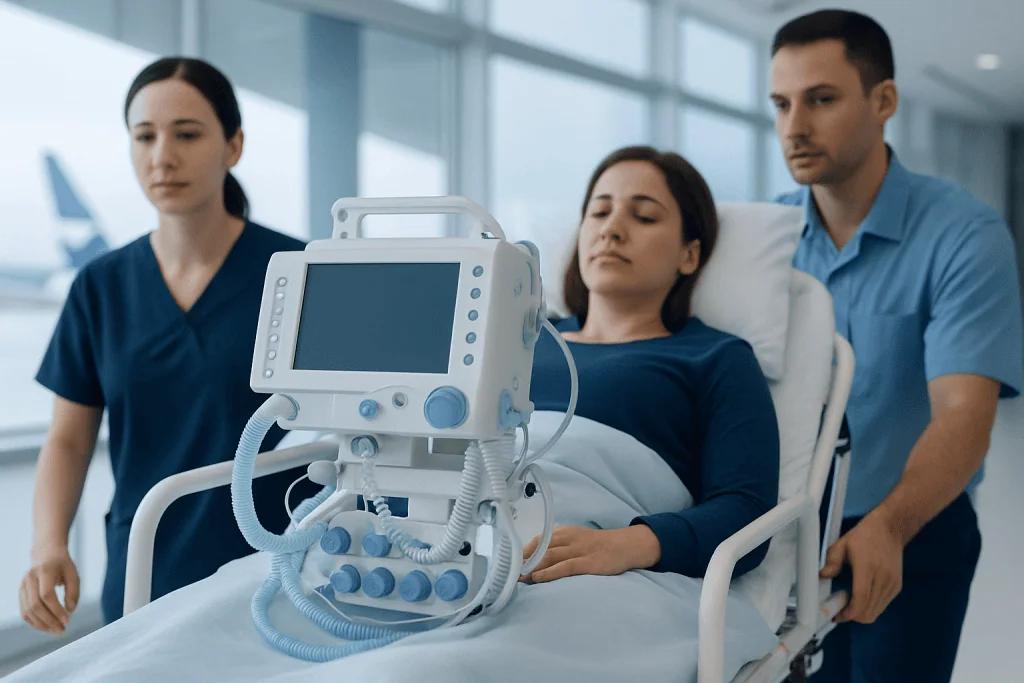
Not every patient needs the same kind of transport. A standard private car may be perfectly suitable if you are coming for an outpatient visit and can walk comfortably with your luggage. If you are older, in pain, recovering from recent treatment, using mobility aids, or arriving after an overnight flight, you may be more comfortable with a transfer that includes meet-and-greet support and extra time for boarding.
Think practically about the route from aircraft to hospital. Will you be standing for long periods? Can you manage escalators, curbs, and baggage trolleys? Do you need help getting in and out of a vehicle? These questions matter more than choosing the fastest-looking option. A transfer that is slightly slower but easier on your body can be the better decision.
Many international patients prefer pre-arranged private transport because it reduces navigation stress, language barriers, and uncertainty about destination details. At Acibadem International, international patient services can often help coordinate arrival logistics, including interpreters and practical guidance, which is especially helpful if you are traveling while fatigued or anxious.
- Private transfer: best for convenience, direct routing, and low stress
- Hospital-arranged support: useful if you want one point of contact from arrival to admission
- Taxi or ride-hailing: may work for simple visits, but only if you are well rested and comfortable navigating on your own
- Wheelchair-assisted arrival: important if walking long airport distances will be difficult
What to organize before you fly

The easiest transfer is the one you do not have to figure out while standing tired in the arrivals hall. Before departure, confirm your hospital address, the name of the facility you are going to, the expected travel time, and whether you are heading directly to the hospital, a hotel, or both. Save everything in your phone and print a backup copy in case your battery runs low.
Share your flight number, airline, arrival time, terminal information if available, and at least one backup contact method with the person or team meeting you. If your flight is delayed, baggage is late, or immigration takes longer than expected, they should still know how to find you or reach you. It also helps to agree on a simple meeting point inside the airport.
You should also keep a small arrival kit in your hand luggage. Include regular medications, water if allowed after security or to buy on arrival, a light snack, glasses, a charger, important medical papers, and any mobility support you may need immediately after landing. If Acibadem International or another hospital team is assisting with your arrival, send them any special requirements in advance so they can prepare appropriately.
Plan around fatigue, hydration, and timing
One of the most common mistakes after a long flight is underestimating how tired you may feel once you land. Jet lag, poor sleep, dehydration, and long periods of sitting can make simple decisions feel harder. If your appointment timing allows, build in some breathing room between landing and hospital check-in rather than planning a tightly packed schedule.
If you must go directly to the hospital, try to keep your arrival routine simple: collect your bags, meet your driver, sit down, drink water, and avoid unnecessary stops. Wear comfortable clothing that is easy to move in, especially if you have swelling, back pain, or sensitivity after travel. If you are prone to nausea or dizziness, let your driver know and ask for a calm, direct route.
It is also wise to think about the time of day you arrive. Heavy traffic, overnight fatigue, and missed meals can all affect how you feel during the transfer. A well-planned airport-to-hospital transport after a long flight gives you enough buffer for delays without making you feel rushed. If your consultation or admission is at a JCI-accredited Acibadem hospital, your international patient coordinator may help you align arrival timing with your hospital schedule more comfortably.
How to make the journey easier if you have mobility or medical needs
If you have reduced mobility, chronic pain, recent surgery, breathing difficulties, or a condition that makes long walking distances difficult, ask for airport assistance before you travel. Airlines and airports often need advance notice for wheelchair support or boarding assistance, so it is better not to leave this to the last minute. The smoother the airport portion goes, the easier your transfer will feel.
Think beyond the vehicle itself. You may need help with luggage, lifts, ramps, or getting from the airport exit into the car. If you use a walker, wheelchair, brace, or oxygen equipment, confirm in advance that the transport arrangement can accommodate it safely. If you need to travel with medical supplies, keep them accessible and carry supporting documents if required.
Patients traveling for treatment often appreciate having one coordinated pathway from airport to hospital reception. Acibadem International can support international patients with practical arrangements such as interpreter services, transfer coordination, and guidance for companions, which can reduce the strain of managing every detail while tired. If your needs are more complex, mention them early so the right level of support can be planned.
What to do if something changes on arrival
Even a good plan may need adjusting. Flights get delayed, luggage goes missing, traffic builds up, and sometimes you simply feel worse than expected after landing. The key is to have a short list of contacts and a clear fallback plan. Save the hospital number, your coordinator or patient services contact, your driver details, your hotel details if relevant, and one family contact in your phone.
If you are too tired to continue directly to the hospital, tell the hospital team as soon as possible. In many cases, they can advise whether your schedule can be adjusted safely or whether you should still come in. If you feel acutely unwell, do not force yourself through the journey silently. Alert the people with you and seek immediate help if symptoms are severe or concerning.
It also helps to prepare for practical disruptions. Keep some local or card payment options available, make sure your phone can work internationally or on local data, and know where to find the airport’s official information desk. With the right backup plan, unexpected changes become inconvenient rather than overwhelming.
Simple comfort tips for the first hours after landing
Your comfort during the first few hours in Turkey can affect how settled you feel for the rest of your care journey. Small steps make a difference: sip water, loosen stiff muscles gently, avoid carrying heavy bags if help is available, and sit whenever you have the chance. If you tend to feel faint when standing after travel, move slowly and avoid rushing through the airport.
Keep your expectations realistic. After a long flight, you may not feel at your best, and that is normal. The aim is not to power through the journey as if you are fully rested; it is to conserve energy for your consultation, admission, or recovery. A quieter transfer, clear communication, and fewer decisions usually lead to a better arrival experience.
If you are traveling with a companion, give them a simple role such as handling documents, tracking luggage, or communicating with the driver. If you are arriving alone, pre-arranged support becomes even more valuable. Many international patients find reassurance in having Acibadem International or their hospital team aware of their arrival progress so they do not feel unsupported between the airport and hospital.
Step by step
- Confirm your arrival schedule. Match your flight arrival time with your hospital appointment, admission time, or hotel check-in. Leave buffer time for passport control, baggage claim, and traffic so you do not feel rushed the moment you land.
- Pre-book the transfer. Arrange your transport before departure rather than deciding at the airport while tired. Share your flight number and destination clearly, and confirm how your driver or support contact will recognize you.
- Prepare a hand-luggage essentials pack. Keep medications, medical documents, passport, phone charger, glasses, water access, and a light snack within easy reach. This avoids searching through large bags when you are fatigued.
- Request assistance early if needed. If you need wheelchair support, extra luggage help, or interpreter assistance, request it before travel. Early planning gives the airport, airline, and hospital team time to organize the right support.
- Keep communication simple. Save the driver, hospital, hotel, and patient coordinator numbers in your phone and on paper. If there is a delay or change, send one clear update with your new status and location.
- Listen to your body on arrival. If you are dizzy, weak, nauseated, or in more pain than expected, slow down and tell someone immediately. It is better to adjust the plan than to push through and arrive feeling worse.
- Head directly to the next planned stop. After a long flight, avoid unnecessary detours unless they are essential. A direct route to your hospital or hotel usually gives you the easiest and most comfortable start.
Your checklist
- Passport and travel documents in hand luggage
- Hospital address, appointment time, and contact numbers saved and printed
- Transfer booking confirmed with flight number and pickup details
- Regular medications packed in cabin baggage
- Phone fully charged plus charging cable or power bank
- Water plan and light snack for after landing
- Wheelchair or airport assistance requested if needed
- Companion or family member informed of arrival plan
- Backup option ready if your flight is delayed or you feel too unwell to continue immediately
Key takeaways
- Pre-booking your airport-to-hospital transport after a long flight reduces stress and uncertainty.
- Choose a transfer option based on your mobility, fatigue level, and appointment timing, not just convenience.
- Keep essential documents, medications, and contact details in your hand luggage.
- Build in time for delays, traffic, and rest after landing.
- Use international patient support, interpreter help, or coordinated hospital services if you want a smoother arrival.
Frequently asked questions
Should I go straight to the hospital after a long flight?
It depends on your appointment time, how you feel on arrival, and what your care team has advised. If you are very fatigued and your schedule allows, a short rest before attending the hospital may be more practical. If you are due for admission or same-day assessment, plan a direct transfer and keep the route as simple as possible.
Is it better to pre-book a transfer in Istanbul or find transport at the airport?
Pre-booking is usually easier for medical travelers because it removes decision-making when you are tired. It also helps if you are carrying medical paperwork, traveling with a companion, or concerned about language barriers. In Istanbul, where airports can be busy and travel times vary, a confirmed pickup often feels more reassuring.
What if my flight is delayed and my driver is waiting?
Send an update as soon as you can and keep your flight number available, since many transfer providers track arrivals. It is helpful to clarify before travel how delays are handled and whom to contact if you cannot access mobile data immediately. A good transfer plan includes a backup phone number and meeting instructions.
Can the hospital help arrange my airport transfer?
Many hospitals that welcome international patients can provide practical arrival support or connect you with the right team. Acibadem International, for example, supports international patients with logistics such as transfer coordination, interpreters, and travel guidance when needed. It is best to ask about this well before your departure date.
What should I do if I feel unwell during the transfer?
Tell the driver, your companion, or your patient coordinator immediately rather than waiting until you arrive. If your symptoms are severe, sudden, or worrying, seek urgent medical help without delay. It is always safer to speak up early if something feels wrong after a long flight.
Do I need wheelchair assistance just because I am tired after flying?
Not always, but it can be a smart choice if walking long airport distances will leave you exhausted before you even reach the hospital. This is especially useful if you have pain, limited stamina, balance issues, or recent treatment. Requesting help is about conserving energy, not only about severe disability.
What is the safest way to manage luggage when I am traveling for treatment?
Keep only the essentials with you and avoid lifting heavy bags if help is available. Use a trolley, ask your companion to manage larger items, or arrange assistance in advance if you are traveling alone. Your hand luggage should contain everything you need for the first several hours in case checked baggage is delayed.
Add us as a Preferred Source to see more of our trusted health content across Google Search, AI Overviews and Discover.
More Patient Guides

Can You Fly to Turkey After Chemotherapy? Travel Timing and Safety Checks
Can you fly to Turkey after chemotherapy? Often yes, if your oncology team confirms your blood counts, infection risk, and hydration are…
9 min read
How to Travel Around Istanbul During Treatment
How to travel around Istanbul during treatment: use taxis, hospital shuttles and simple route planning in Istanbul, Turkey, to stay safe and…
9 min read
Flying to Turkey for Surgery: How to Lower DVT Risk on Long-Haul Trips
Flying to Turkey for surgery? Lower DVT risk with simple in-flight, pre-travel, and arrival steps for safer long-haul travel to Istanbul.
9 min read