

Traveling to Turkey with Medical Implants: Letters, Scans, and Airport Checks

Traveling to Turkey with medical implants is usually straightforward if you carry implant letters, recent scans when needed, and medication details.
If you are traveling to Turkey with medical implants, a little preparation can make airport checks, hospital visits, and daily logistics much easier. This guide helps you organize the right documents, understand security screening, and travel more comfortably and confidently.
At a glance
- Best for: Patients traveling with orthopedic, cardiac, dental, neurological, or other implanted devices
- Main documents: Implant card or letter, passport, medication list, and recent medical records if relevant
- Airport security: Most implants are manageable at screening; tell staff early and follow instructions
- Scans to bring: Only the most relevant recent reports or images, especially if your treating team requested them
- Extra support: Interpreter, transfer, and hospital coordination can simplify arrival and appointments
What to expect when traveling with medical implants
Traveling to Turkey with medical implants is usually very manageable. Many people fly every day with joint replacements, dental implants, pacemakers, stents, spinal hardware, breast implants, cochlear implants, and other devices without major issues. The key is not to assume that every airport officer, airline staff member, or hotel team will know your medical situation automatically.
Before you travel, think of your implant as part of your travel planning, not as a last-minute medical detail. You may need to explain it briefly during security screening, share records with your hospital team, or make small comfort adjustments for the journey. Having your documents easy to find and knowing what to say can reduce stress significantly.
If you are coming for treatment or follow-up at Acibadem International, the international patient services team can help you organize practical details such as appointment timing, interpreter support, and what records are worth bringing. That can be especially helpful if you have several past surgeries or more than one implant and are unsure which documents matter most.
Which documents you should carry
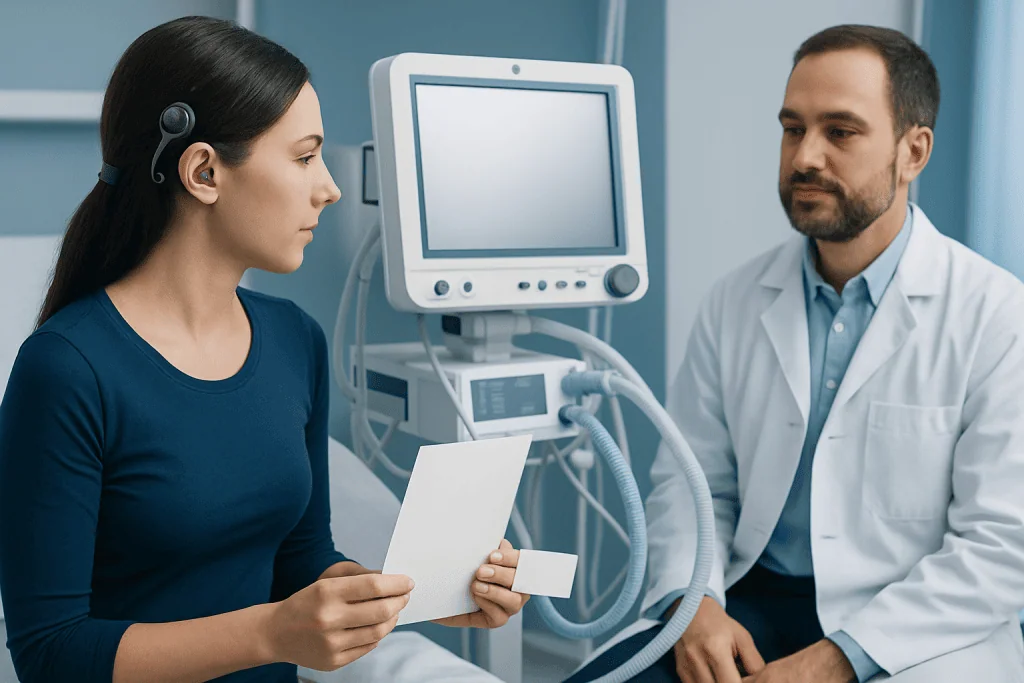
The most useful document is an implant identification card or a short letter from your doctor stating what device you have, when it was placed, and whether there are any special precautions. If you do not have an implant card, ask your doctor or hospital for a summary letter in English if possible. Keep a paper copy in your hand luggage and a digital copy on your phone.
You should also carry a current medication list, including brand names, generic names, dosages, and why you take them. This matters if your implant is linked to ongoing treatment, such as anticoagulants after cardiac procedures, antibiotics in special cases, pain medication after orthopedic surgery, or seizure medication with neurostimulation devices.
If you are traveling for evaluation, bring the most relevant recent reports rather than every record you have ever received. Useful examples include operation notes, discharge summaries, imaging reports, device model information, and specialist letters. A well-organized file is more helpful than a large bag of unrelated papers.
- Passport and travel insurance details
- Implant card or medical letter
- Medication list and copies of prescriptions
- Recent clinic summaries or discharge notes
- Relevant imaging reports and, if requested, actual scan files
Do you need to bring scans, CDs, or reports?
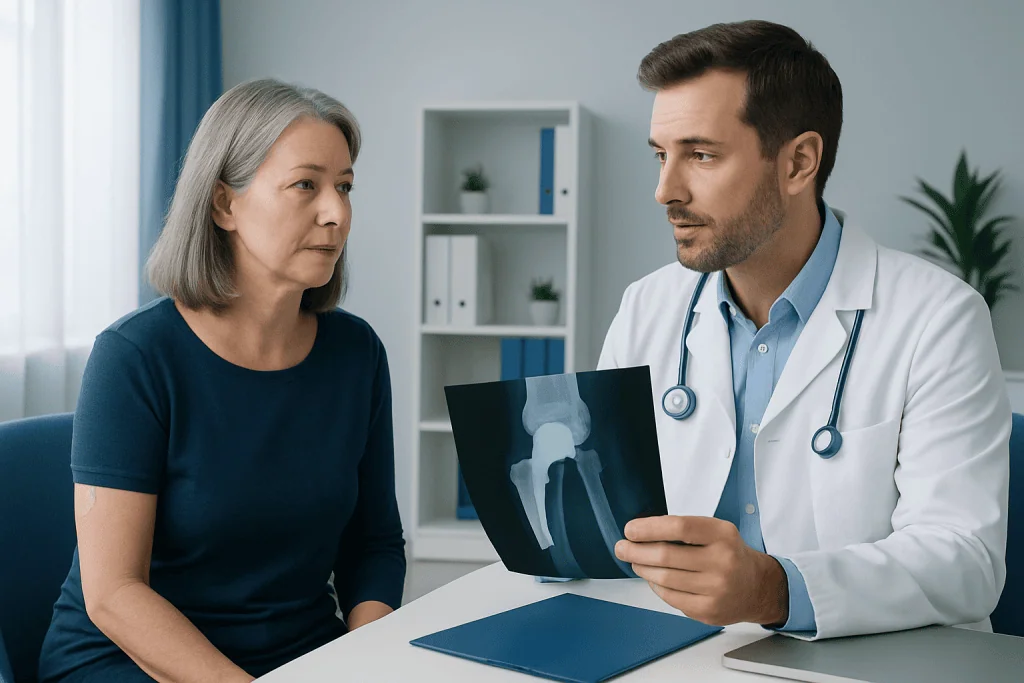
Bring scans if your treating team asked for them, if your implant is part of the reason you are seeking care, or if you recently had surgery and follow-up decisions may depend on imaging. In many cases, a written radiology report is enough for first review, but some specialists may also want the original images on CD, USB, or secure online link. If you are unsure, ask before you fly so you do not carry unnecessary items.
For orthopedic implants, recent X-rays are often useful. For cardiac or neurological devices, device summaries, cardiology reports, or technical programming information may matter more than standard image copies. For dental implants, a recent panoramic X-ray or cone beam scan may be relevant if you are coming for revision, repair, or additional treatment.
Try to keep both paper and digital versions where possible. Technology sometimes fails at the worst moment, and discs are not always easy to open immediately. If you are attending Acibadem International, sending records in advance can help the team review what is needed and avoid duplicate tests when appropriate.
Airport security and screening: how to handle it calmly
Medical implants can sometimes trigger airport metal detectors, but many modern devices do not. Either way, the best approach is to tell security staff before screening begins, especially if you have a pacemaker, neurostimulator, insulin pump, pain pump, or any device with specific screening precautions. A simple, calm statement is usually enough: you have a medical implant and you have documentation with you.
Follow the airport staff’s instructions and do not argue at the checkpoint if the process feels unfamiliar. Security procedures vary by country, airport, and equipment type. You may be asked to go through a walk-through detector, have a hand search, or receive additional screening. Your implant letter can support the conversation, but it does not automatically exempt you from checks.
If you have a device that should not be exposed to certain scanners or prolonged handheld wanding over a specific area, confirm your manufacturer’s guidance before travel and carry that written advice with you. If your mobility is limited because of your implant or recent surgery, request wheelchair or assisted airport service in advance through your airline. That can make long queues, gate changes, and transfers much easier.
Packing, medications, and comfort during the journey
Pack all essential medical items in your hand luggage, not in checked baggage. This includes medication, implant cards, chargers for any external device components, spare batteries if permitted, prescriptions, and a change of basic clothing if you recently had surgery. Lost baggage is stressful for any traveler, but it can become a serious problem if it contains important medical supplies.
If you are traveling after a recent operation, comfort matters. Wear loose clothing, keep hydration in mind, and plan how you will manage walking, stairs, sitting for long periods, or lifting bags. If your doctor advised movement exercises, compression measures, wound care precautions, or limits on bending or lifting, follow those instructions throughout the trip.
For longer flights, discuss timing of pain relief, blood thinners, and any mobility precautions with your doctor before departure. Do not make medication changes on your own because of time zones or airport routines. If you use an external controller or monitor for an implanted device, make sure it is charged, clearly labeled, and easy to access if airline or security staff ask about it.
Arriving in Turkey and preparing for your hospital visit
Once you arrive in Turkey, keep your medical file accessible rather than packed away. You may need it for your first consultation, imaging appointment, or hospital admission desk. It helps to separate your travel documents from your medical documents so you can find each quickly without unpacking everything in public spaces.
If you are visiting Acibadem International, the international patient services team can often help coordinate transfers, interpreters, and appointment logistics, which is especially useful if you are tired after travel or managing mobility limits. JCI-accredited hospital processes are designed to support international patients, but your experience is smoother when your records are complete and your medications are listed clearly.
Plan for small practicalities too: allow extra time between airport arrival and hospital appointments, wear clothing that makes it easy to examine the area around your implant if needed, and keep emergency contact details with you. If your implant has recently caused symptoms such as pain, swelling, fever, shortness of breath, device alerts, or loss of function, inform the hospital team promptly rather than waiting for a routine slot.
When to seek advice before you fly
Some situations deserve extra planning before travel. Contact your doctor before flying if your implant was placed recently, you have had recent complications, you are waiting for device checks, you depend on external equipment linked to the implant, or you have been told to avoid certain movements or prolonged sitting. The timing of travel after surgery or device placement is individual, so do not rely on general internet advice alone.
You should also ask for guidance if you have an active infection, unhealed wound, new pain around the implant, device alarms, fainting episodes, chest symptoms, or any sudden functional change. These issues do not always mean you cannot travel, but they should be assessed properly. It is safer to adjust plans than to discover a problem in transit.
If you are unsure what to send ahead, Acibadem International can advise which records are useful for triage before you leave home. That helps you travel with the right information, not just more information. Good preparation does not remove every uncertainty, but it makes your journey more predictable and easier to manage.
Step by step
- Confirm your implant details. Before booking or a few weeks before travel, check exactly what implant or device you have, when it was placed, and whether any special travel precautions apply. If you are not sure, contact your implanting doctor or hospital and ask for a short written summary.
- Collect the right documents. Prepare a small medical travel folder with your implant card or letter, medication list, prescriptions, and relevant recent reports. Keep printed copies in your hand luggage and save digital backups on your phone or email.
- Ask whether scans are needed. If you are traveling for consultation or treatment, ask the receiving hospital whether they want only reports or also the original images. This saves you from carrying unnecessary CDs while making sure the specialist has what they need.
- Plan airport support early. Tell your airline in advance if you need mobility assistance, extra boarding time, or help during connections. If your implant includes an electronic component or specific screening precautions, carry that information where it is easy to show at security.
- Pack for access, not just for arrival. Place all medicines, device accessories, chargers, and key papers in your cabin bag. During travel, the most important items are the ones you can reach quickly without opening checked luggage or searching through multiple bags.
- Allow extra time on travel day. Arrive at the airport earlier than usual, especially if you expect extra screening or move more slowly after surgery. Extra time lowers stress and gives you room to explain your implant calmly if questions come up.
- Keep your hospital records ready after landing. Once in Turkey, keep your medical documents separate from shopping, hotel, and tourism paperwork. If you are heading to Acibadem International, having everything ready helps registration, consultations, interpreter coordination, and any imaging review move more smoothly.
Your checklist
- Passport and travel documents
- Implant card or doctor letter in English if possible
- Current medication list with doses
- Prescriptions in original packaging where possible
- Recent reports and scans requested by your hospital
- Medical travel insurance details
- Chargers, batteries, or external controllers for any device
- Comfort items for the flight such as loose clothing and water bottle after security
Key takeaways
- Most people traveling to Turkey with medical implants can fly and pass airport security without major problems if they prepare in advance.
- Carry an implant card or doctor letter, a medication list, and the most relevant recent medical records.
- Tell airport security about your implant before screening, especially for pacemakers or electronic implanted devices.
- Bring scans only when relevant or specifically requested, and try to have both report copies and digital backup.
- If you recently had surgery or new symptoms, ask your doctor whether it is safe to travel before you leave.
Frequently asked questions
Will my implant definitely set off airport metal detectors?
Not necessarily. Some implants trigger detectors and others do not, depending on the material, size, and the screening equipment used. Even if it does trigger an alarm, security staff are used to handling medical situations, so staying calm and declaring your implant early usually helps.
Is an implant card enough for airport security?
An implant card is helpful, but it does not guarantee that additional screening will be skipped. Security staff still follow airport procedures. Think of the card as supporting information that makes the process easier, not as a pass that overrides screening rules.
Do I need to bring all my old scans to Turkey?
Usually no. Bring the most relevant recent scans and reports, especially if they relate directly to your implant, recent surgery, or the reason for your appointment. If you are unsure, ask the hospital in advance which images they actually need.
Can I travel to Turkey soon after implant surgery?
That depends on the type of implant, how recent the procedure was, and whether you have had any complications. Your treating doctor is the right person to advise on timing, fitness to fly, wound care, clot prevention, and movement restrictions. If you have pain, swelling, fever, or new symptoms, ask before traveling.
Should I keep my medicines in checked luggage?
No, essential medicines should stay in your hand luggage. Delays, lost bags, and unexpected schedule changes are common enough that you should keep anything time-sensitive or medically important with you at all times. Original packaging and a prescription copy can also make security or customs conversations easier.
What if I have a pacemaker or another electronic implanted device?
Tell security staff before screening begins and carry your device identification information with you. Some devices have specific guidance about scanners or handheld detectors, so check the manufacturer's or doctor's instructions before you travel. If you use an external controller or monitor, keep it charged and accessible.
Can Acibadem International help if I am unsure what records to bring?
Yes, international patient teams can often advise what documentation is most useful before you travel. At Acibadem International, this may include guidance on reports, scan formats, interpreter support, transfer planning, and appointment coordination. That kind of practical help can reduce stress, especially if you have complex medical history or multiple implants.
Add us as a Preferred Source to see more of our trusted health content across Google Search, AI Overviews and Discover.
More Patient Guides

Can You Fly to Turkey After Chemotherapy? Travel Timing and Safety Checks
Can you fly to Turkey after chemotherapy? Often yes, if your oncology team confirms your blood counts, infection risk, and hydration are…
9 min read
How to Travel Around Istanbul During Treatment
How to travel around Istanbul during treatment: use taxis, hospital shuttles and simple route planning in Istanbul, Turkey, to stay safe and…
9 min read
Flying to Turkey for Surgery: How to Lower DVT Risk on Long-Haul Trips
Flying to Turkey for surgery? Lower DVT risk with simple in-flight, pre-travel, and arrival steps for safer long-haul travel to Istanbul.
9 min read