When to Seek a Second Opinion for a Suspected Motility Disorder

Motility disorders affect how food and waste move through the digestive tract, and their symptoms can overlap with many other conditions. A second opinion may be helpful if symptoms persist, test results are unclear, or current treatment is not improving quality of life.
Key Takeaways
- Motility disorders affect how food and waste move through the digestive tract, and their symptoms can overlap with many other conditions.
- A second opinion may be helpful if symptoms persist, test results are unclear, or current treatment is not improving quality of life.
- Evaluation often involves a careful symptom review, medication assessment, and specialized motility testing when appropriate.
- Second opinions do not mean the first doctor was wrong; they can simply provide added expertise and reassurance.
- Patients can prepare by bringing previous test results, a symptom history, and a list of medicines and diet changes already tried.
A second opinion for a suspected motility disorder can help clarify the diagnosis, confirm test results, and open the door to more targeted treatment. It is especially useful when symptoms continue, the diagnosis remains uncertain, or specialized testing has not yet been offered.
Overview
A suspected motility disorder refers to a possible problem with the movement of the digestive tract. In a healthy system, coordinated muscle contractions and nerve signals move food, liquid, and waste from the esophagus to the stomach, intestines, and colon. When this process slows down, becomes uncoordinated, or stops working properly, symptoms can develop in different parts of the body.
Motility disorders can affect swallowing, stomach emptying, movement through the small intestine, or bowel function. They may include conditions such as gastroparesis, intestinal dysmotility, chronic constipation related to slow transit, or esophageal movement disorders. Because these problems involve both the gut and the nervous system that controls it, they are often evaluated within neurogastroenterology.
Getting a second opinion can be a practical step when a diagnosis is uncertain or symptoms remain difficult to manage. It may help confirm whether a true motility disorder is present, whether another digestive condition is contributing, or whether more specialized testing is needed. For many patients, a second review brings clarity and a more confident treatment plan.
Symptoms That May Suggest a Motility Disorder
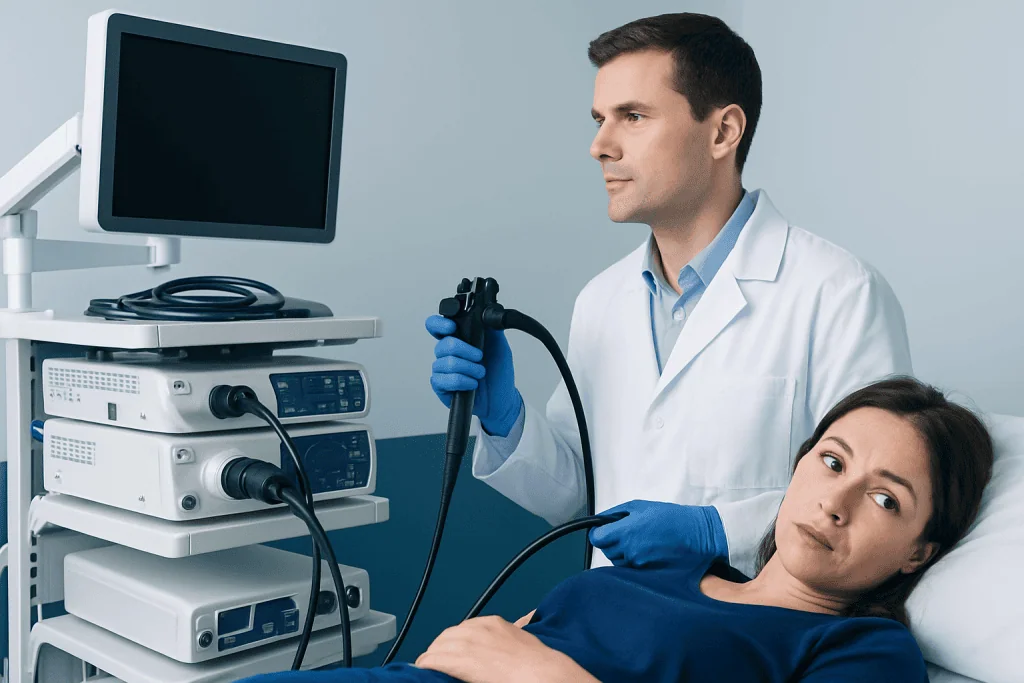
Motility disorders can cause a wide range of symptoms depending on which part of the digestive tract is affected. Some people mainly have upper digestive symptoms, such as trouble swallowing, feeling full very quickly, nausea, vomiting, bloating, or upper abdominal discomfort. Others have lower digestive symptoms, including constipation, abdominal distension, cramping, or a feeling of incomplete bowel emptying.
These symptoms are often not specific to one illness. For example, bloating and constipation can occur with dietary intolerance, irritable bowel syndrome, medication side effects, pelvic floor problems, endocrine conditions, or structural disease. This overlap is one reason why motility disorders can be challenging to diagnose and why a second opinion may be useful when symptoms do not fit neatly into one explanation.
Certain patterns may raise the possibility of a motility problem more strongly, especially when symptoms are longstanding, severe, or unexplained by routine testing. Examples include repeated vomiting after meals, major difficulty tolerating food, unexplained weight loss, severe constipation not responding to standard measures, or swallowing symptoms without an obvious blockage. In some cases, the concern may overlap with disorders such as irritable bowel syndrome, which can share symptoms but requires a different overall evaluation.
When a Second Opinion May Be Helpful

There are several situations in which seeking a second opinion is reasonable and often helpful. One of the most common is ongoing symptoms despite treatment. If dietary changes, medicines, or lifestyle measures have not improved day-to-day function, another specialist may review whether the diagnosis is correct, whether treatment targets the right problem, or whether additional testing could guide care more precisely.
A second opinion can also help when the diagnosis itself is unclear. A patient may have been told they have a motility disorder based mainly on symptoms, or they may have test results that are difficult to interpret. Because motility testing can be complex and symptoms may overlap with conditions like reflux, functional dyspepsia, pelvic floor dysfunction, or celiac disease, expert review may prevent both underdiagnosis and overdiagnosis.
Another good reason is when invasive treatment is being discussed. If procedures, feeding support, surgery, or long-term medications are recommended, many people feel more comfortable confirming that the plan is appropriate. Seeking another opinion is also sensible if specialized tests such as manometry, gastric emptying studies, or transit studies have not been considered even though symptoms suggest they may be relevant.
Importantly, a second opinion is not a sign of distrust. In complex digestive conditions, it is a normal part of careful care. Many clinicians welcome it, especially when the goal is to make sure the patient receives the most accurate diagnosis and the most suitable treatment strategy.
Possible Causes and Risk Factors
Motility problems can develop for different reasons. In some people, the issue relates to abnormal nerve signaling, muscle dysfunction, or changes in how the brain and gut communicate. In others, motility changes occur as part of another health condition. Diabetes, thyroid disease, connective tissue disorders, neurologic illnesses, prior abdominal surgery, and some infections may all affect digestive movement.
Medicines are another important factor. Opioid pain medicines, some antidepressants, anticholinergic drugs, certain diabetes medications, and other treatments can slow movement through the digestive tract or mimic a motility disorder. This is why a full medication review is essential before concluding that symptoms are due to a primary motility condition.
Stress and anxiety do not cause every motility disorder, but they can influence symptom perception and gut-brain signaling. In practice, symptoms often reflect more than one factor at the same time. A second opinion may be especially valuable when there may be multiple contributing causes, because a specialist can help separate primary motility disease from related or overlapping problems such as reflux, food intolerance, or chronic functional bowel symptoms.
How Diagnosis Is Reviewed and Confirmed
The first step in a second-opinion evaluation is usually a careful review of the story over time. The specialist will look at when symptoms began, what makes them better or worse, how eating affects them, whether weight or hydration has changed, and what treatments have already been tried. Previous endoscopy reports, scans, blood tests, and pathology results are often reviewed in detail, because sometimes the answer lies in reinterpreting tests that have already been done.
If a motility disorder is still suspected, more specific testing may be considered depending on the symptom pattern. This may include esophageal manometry for swallowing disorders, tests related to esophageal manometry when chest or swallowing symptoms suggest an esophageal movement problem, gastric emptying studies when delayed stomach emptying is suspected, or transit studies for constipation and intestinal dysmotility. Some patients may also benefit from upper gastrointestinal endoscopy if structural causes have not been adequately excluded.
In selected cases, anorectal testing can help assess constipation, difficulty passing stool, or pelvic floor dysfunction. Imaging and blood work may also be repeated if there is concern for inflammation, obstruction, metabolic disease, or nutritional complications. The goal is not to repeat every test routinely, but to choose the right tests based on symptoms and prior findings.
For patients with very complex symptoms, the most useful second opinion often comes from a team approach. A neurogastroenterologist may work with dietitians, radiologists, surgeons, pelvic floor specialists, or neurologists to build a clearer picture. This can be particularly helpful when a patient has been told different things by different doctors.
Treatment Options After a Second Opinion
Treatment depends on the exact diagnosis and the severity of symptoms. In some cases, a second opinion confirms the current plan and simply reassures the patient that care is on the right track. In others, the plan may be adjusted to better match the condition, such as changing medications, refining diet recommendations, addressing dehydration or nutrition, or treating a contributing disease that had not been recognized before.
Common treatment approaches may include meal pattern changes, medicines that support symptom control or digestive movement, bowel regimens for constipation, pelvic floor therapy, and management of associated pain, nausea, or reflux. If a patient has trouble swallowing or concern for structural disease, targeted procedures may be advised after evaluation. When reflux symptoms overlap with motility concerns, tests such as 24-hour pH monitoring can sometimes help clarify the picture.
Only a minority of patients need advanced interventions, but some do benefit from them. Nutritional support, endoscopic procedures, surgery, or highly specialized therapies may be considered in carefully selected cases. A second opinion is especially valuable before major interventions, because it helps weigh expected benefits, limitations, and alternatives in a balanced way.
Near the end of the evaluation process, some patients may choose to continue care locally while using the specialist opinion as guidance. Others may prefer treatment at a center with dedicated experience in neurogastroenterology. Acibadem International’s multidisciplinary specialists and JCI-accredited hospitals diagnose and treat digestive motility conditions for international patients when advanced evaluation is needed.
How to Prepare for a Second Opinion
Preparation can make a second opinion more efficient and more useful. Patients are encouraged to gather copies of prior test results, imaging reports, procedure notes, pathology reports, and clinic summaries. If possible, bringing the actual study images or official laboratory reports is better than relying only on memory.
It also helps to prepare a brief symptom timeline. This can include when symptoms started, whether they came on suddenly or gradually, which foods trigger problems, bowel habits, weight changes, emergency visits, and treatments already tried. A clear medication list should include prescription medicines, supplements, over-the-counter products, and any laxatives or antacids used regularly.
Practical questions can guide the visit well. Examples include:
- What diagnosis is most likely, and what else should be considered?
- Do previous tests truly show a motility disorder?
- Are there specialized tests that may change treatment?
- What are the benefits and limits of each treatment option?
- What symptoms should prompt urgent medical attention?
Patients should also feel comfortable discussing how symptoms affect daily life, work, sleep, social activities, and mental well-being. These details help the specialist understand severity and tailor the treatment plan to real-life goals.
When to See a Doctor Promptly
Digestive symptoms that linger for weeks or months should be discussed with a doctor, especially when they interfere with eating, hydration, sleep, or normal activities. A specialist review may be particularly appropriate if a person has already tried standard treatment without meaningful improvement or has received different explanations without a clear conclusion.
More urgent medical attention is important if there is repeated vomiting, inability to keep fluids down, signs of dehydration, severe trouble swallowing, vomiting blood, black stools, major abdominal swelling, severe constipation with worsening pain, or unexplained weight loss. These symptoms do not always mean a serious condition, but they should not be ignored.
Patients living with persistent upper or lower digestive symptoms deserve a careful and respectful evaluation. In many cases, a second opinion can reduce uncertainty, avoid unnecessary treatment, and help create a plan that is more evidence-based and more personalized. Reassurance is also a meaningful outcome when the review confirms that the current approach is appropriate.
Frequently asked questions
What is a motility disorder?
A motility disorder is a condition that affects how the muscles and nerves of the digestive tract move food, liquid, or waste through the body. It can involve the esophagus, stomach, small intestine, colon, or pelvic floor.
Does needing a second opinion mean the first diagnosis was wrong?
Not necessarily. Motility disorders can be difficult to diagnose because their symptoms overlap with many other digestive problems. A second opinion often helps confirm the diagnosis, refine it, or provide reassurance that the current plan is appropriate.
What tests might be reviewed or repeated during a second opinion?
The doctor may review endoscopy findings, imaging, blood work, and previous motility studies. Depending on the symptoms, they may recommend additional tests such as manometry, gastric emptying studies, transit testing, or anorectal function testing.
Should a person seek a second opinion before surgery or a major procedure?
Yes, that is often a very sensible time to ask for another expert view. A second opinion can help confirm the diagnosis, explain alternatives, and make sure the expected benefits and risks of the procedure are fully understood.
How can a patient prepare for a second-opinion appointment?
It helps to bring prior test results, procedure reports, a complete medication list, and a summary of symptoms over time. Writing down questions in advance can also make the visit more focused and productive.
Can motility disorder symptoms be caused by something else?
Yes. Similar symptoms may come from medication side effects, reflux, irritable bowel syndrome, food intolerance, endocrine conditions, pelvic floor dysfunction, or structural digestive disease. This is one of the main reasons a careful evaluation is important.
References
- National Institute of Diabetes and Digestive and Kidney Diseases
- American College of Gastroenterology
- American Gastroenterological Association
- National Institute for Health and Care Excellence
- International Foundation for Gastrointestinal Disorders
This article is for general information only and is not a substitute for professional medical advice. Please consult a qualified doctor about your individual situation.
Persistent digestive symptoms? Get evaluated in Turkey
JCI-accredited · board-certified surgeons · reply within 24h
Add us as a Preferred Source to see more of our trusted health content across Google Search, AI Overviews and Discover.

More from the Health Library



Related Specialists

Assoc. Prof. Dr. Bedriye Koyuncu Sökmen
Gastrointestinal Oncology Unit Clinical Service
Prof. Dr. Uğur Öziç
Orthopedic Surgery & Traumatology
Dr. Bülent Yücel
Orthopedic Surgery & Traumatology
Prof. Dr. Başak Oyan Uluç
Medical Oncology