Stroke Neurologist: When to See One and What to Expect at Your Visit

A stroke neurologist focuses on strokes, TIAs, and blood vessel problems affecting the brain. Sudden weakness, speech trouble, vision loss, severe imbalance, or facial drooping need urgent medical attention.
Key Takeaways
- A stroke neurologist focuses on strokes, TIAs, and blood vessel problems affecting the brain.
- Sudden weakness, speech trouble, vision loss, severe imbalance, or facial drooping need urgent medical attention.
- A visit often includes a neurological exam, brain imaging, and a review of stroke risk factors.
- Treatment depends on the type of stroke, the cause, and the person’s recovery needs.
- Long-term follow-up helps prevent future strokes through medicines, risk-factor control, and lifestyle changes.
A stroke neurologist is a doctor who specializes in diagnosing, treating, and helping prevent strokes and transient ischemic attacks (TIAs). Seeing one promptly can be important for emergency care, understanding the cause of symptoms, and lowering the risk of another stroke.
Overview: What a Stroke Neurologist Does
A stroke neurologist is a physician with advanced expertise in cerebrovascular disease, meaning conditions that affect blood flow to the brain. This specialist evaluates sudden neurological symptoms, determines whether they are caused by a stroke or a transient ischemic attack (TIA), and guides treatment during the emergency phase as well as in long-term prevention and recovery.
Strokes are medical emergencies. They happen when part of the brain does not get enough blood flow or when bleeding occurs in or around the brain. Because brain cells can be injured quickly, fast evaluation by a stroke neurologist or stroke team can make a meaningful difference in diagnosis, treatment decisions, and future outcomes.
Stroke neurologists also help when symptoms are less dramatic but still concerning, such as brief speech difficulty, temporary vision loss, numbness, or weakness that goes away. These episodes may be TIAs, sometimes called “mini-strokes,” and they deserve urgent assessment because they can be an early warning sign of a future stroke.
When to See a Stroke Neurologist
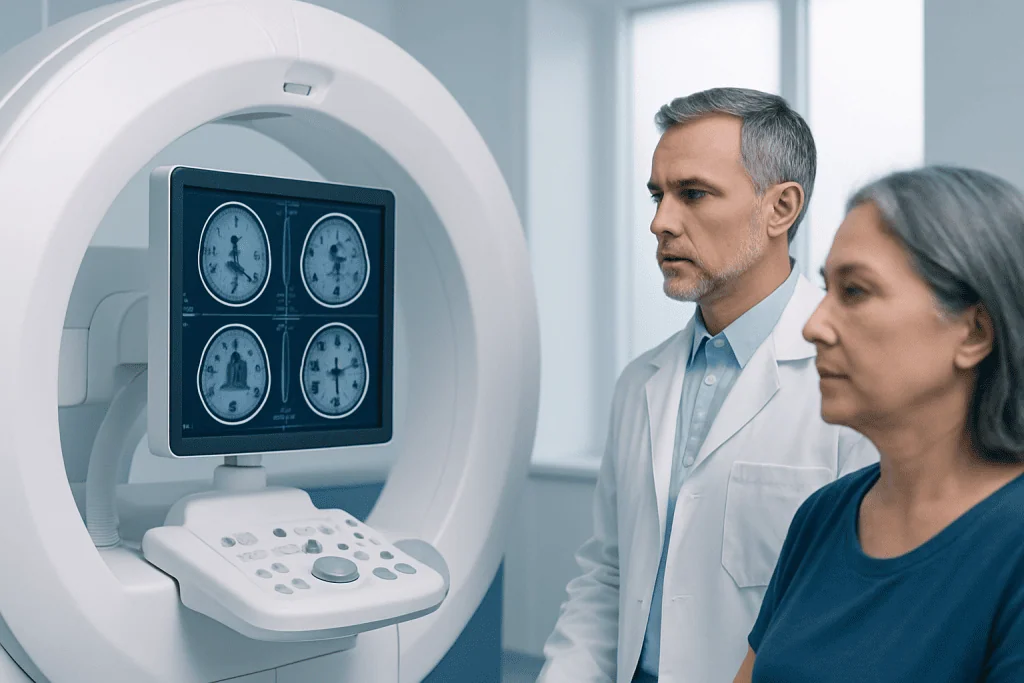
A stroke neurologist should be seen urgently if a person develops sudden symptoms that could suggest a stroke. Common warning signs include weakness or numbness on one side of the body, trouble speaking or understanding speech, facial drooping, sudden loss of vision, severe dizziness, trouble walking, or a sudden severe headache unlike usual headaches.
If stroke is suspected, the right first step is emergency medical care rather than waiting for a clinic appointment. Calling local emergency services is important because treatment decisions are highly time-sensitive. Even if symptoms improve quickly, medical evaluation is still needed, since a TIA can happen before a full stroke.
A stroke neurologist may also be involved after a person has already been treated in the hospital. Follow-up visits can help clarify the cause of a stroke, check for complications, review imaging or blood vessel findings, and plan strategies to reduce the chance of another event. People with previous stroke, TIA, or complex vascular risk factors may benefit from ongoing specialty care.
- Go to emergency care immediately for sudden one-sided weakness, facial droop, speech difficulty, or sudden vision loss.
- Seek urgent evaluation for brief neurological symptoms that completely resolve.
- Arrange follow-up if there has been a previous stroke, unexplained TIA, or concern about stroke prevention.
Conditions a Stroke Neurologist Commonly Evaluates
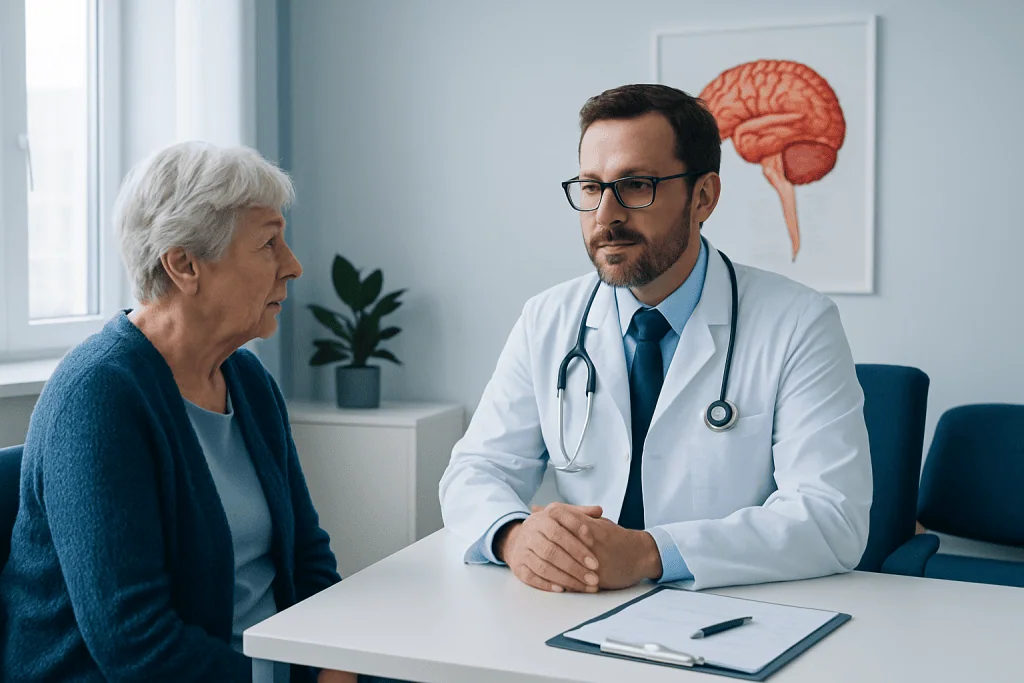
The most common conditions evaluated by a stroke neurologist are ischemic stroke, hemorrhagic stroke, and TIA. An ischemic stroke occurs when a blood vessel supplying the brain becomes blocked, often by a clot. A hemorrhagic stroke occurs when a blood vessel leaks or ruptures, causing bleeding in the brain. A TIA causes temporary stroke-like symptoms but does not leave the same lasting brain injury seen on a completed stroke.
These specialists may also assess other blood vessel conditions that raise stroke risk, such as narrowing of the carotid arteries, abnormalities in brain arteries, clotting disorders, or stroke related to heart rhythm problems such as atrial fibrillation. Some symptoms that seem like stroke can have other causes, including migraine, seizure, low blood sugar, infection, or functional neurological symptoms, so careful evaluation is essential.
In some cases, stroke neurologists work closely with interventional teams and surgeons when procedures are needed. This may include evaluation for carotid endarterectomy in selected people with significant carotid artery narrowing, or coordination of advanced care for stroke and carotid artery disease. Their role often bridges emergency treatment, prevention, and rehabilitation planning.
What to Expect at Your Visit
At a first visit, the stroke neurologist will begin by asking detailed questions about symptoms. They may ask exactly when symptoms started, how long they lasted, whether they came on suddenly, and whether there were triggers such as exercise, infection, stress, or dehydration. A timeline is especially important because it helps guide emergency treatment options and may suggest a particular cause.
The doctor will also review medical history, including high blood pressure, diabetes, high cholesterol, smoking, heart disease, irregular heartbeat, prior stroke or TIA, migraine, autoimmune disease, recent surgery, pregnancy-related history, or family history of stroke. Current medicines, including blood thinners, antiplatelet drugs, hormone therapy, and supplements, are also relevant.
A neurological examination is a central part of the visit. This may include checking strength, sensation, balance, coordination, speech, vision, eye movements, reflexes, and facial movement. The specialist may also listen to the heart and neck blood vessels, measure blood pressure, and look for clues that point toward a brain, heart, or vascular cause.
Many patients find it helpful to bring previous hospital records, a list of medications, copies of imaging reports if available, and a family member who witnessed the symptoms. If language, memory, or anxiety is a concern, bringing support can make the visit smoother and help ensure important details are not missed.
How Stroke Is Diagnosed
Diagnosis usually combines the clinical history, examination findings, and imaging tests. Brain imaging is often needed quickly to tell whether symptoms are caused by a blocked blood vessel or bleeding. Depending on the situation, this may involve a CT scan, MRI, or blood vessel imaging such as CT angiography, MR angiography, or ultrasound of the neck arteries.
Additional tests may look for the source of a clot or reasons why stroke occurred. These can include heart rhythm monitoring, an electrocardiogram, echocardiography, blood tests, and evaluation of vascular risk factors. In younger patients or in strokes without a clear explanation, more specialized testing may be considered to look for less common causes.
The goal is not only to confirm whether a stroke happened, but also to understand why it happened. Knowing the mechanism matters because treatment for a clot related to atrial fibrillation differs from treatment for small-vessel disease, carotid narrowing, or bleeding. In some cases, the specialist may coordinate angiography or other targeted studies to better assess the brain’s blood vessels.
Treatment Options and Ongoing Care
Treatment depends on the type of stroke, how quickly the person is assessed, and the underlying cause. In ischemic stroke, the main goals are to restore blood flow when appropriate and prevent further brain injury. Some patients may be eligible for time-sensitive clot-busting medicine or catheter-based treatment to remove a large vessel clot. In hemorrhagic stroke, treatment focuses on controlling bleeding, managing blood pressure, addressing the cause, and reducing complications.
After the emergency phase, long-term treatment often includes medicines to reduce the risk of another stroke. These may include antiplatelet drugs, blood thinners for certain heart conditions, cholesterol-lowering therapy, and careful treatment of blood pressure and diabetes. The exact plan varies from person to person and should be reviewed regularly with a doctor.
Recovery care is also an important part of stroke neurology. Some people need physical, occupational, or speech therapy to regain function and confidence. Others may need help for swallowing problems, mood changes, memory difficulties, fatigue, or return-to-driving questions. When needed, stroke neurologists may work with teams offering stroke rehabilitation and coordinate broader support for daily living and safety.
For international patients needing specialist assessment and follow-up, Acibadem International’s multidisciplinary teams and JCI-accredited hospitals diagnose and treat stroke-related conditions with coordinated care across neurology, imaging, rehabilitation, and vascular services.
Prevention and Self-Care After Stroke or TIA
Preventing another stroke is one of the most important reasons to see a stroke neurologist. Many strokes are linked to modifiable risk factors such as high blood pressure, smoking, diabetes, high cholesterol, obesity, inactivity, and excessive alcohol use. Controlling these factors can significantly improve long-term brain and vascular health.
Self-care plans are usually practical and individualized. They may include taking prescribed medicines consistently, checking blood pressure regularly, stopping smoking, choosing a heart-healthy eating pattern, staying physically active within safe limits, sleeping well, and attending follow-up appointments. If swallowing, balance, or memory problems are present, extra support at home may be needed.
It is also helpful for patients and families to learn stroke warning signs and to act quickly if symptoms return. A person who has had one stroke or TIA may be at higher risk of another, so new symptoms should never be ignored. The stroke neurologist can explain the specific warning signs most relevant to the individual’s condition and recovery stage.
Questions to Ask and When to Seek Urgent Help
Patients often feel more prepared when they know what to ask. Useful questions include: What type of stroke or TIA happened? What is the most likely cause? What tests are still needed? Which medicines are for prevention, and how long will they be needed? What symptoms should prompt urgent attention? These discussions can help patients understand their care plan and participate actively in recovery.
It is important to seek urgent medical help immediately if new or recurrent stroke warning signs appear. These include sudden weakness or numbness, facial droop, confusion, speech trouble, vision changes, loss of balance, or a severe sudden headache. Even if symptoms last only a few minutes and then disappear, urgent assessment is still necessary.
Follow-up is also important if there are persistent issues after stroke, such as trouble walking, difficulty swallowing, memory changes, low mood, or repeated falls. These problems may be treatable, and timely review can improve safety and quality of life.
Frequently asked questions
What is the difference between a stroke neurologist and a general neurologist?
A general neurologist treats many disorders of the brain and nerves, while a stroke neurologist focuses specifically on strokes, TIAs, and blood vessel conditions affecting the brain. This extra focus can be especially helpful in emergency evaluation, finding the cause of a stroke, and planning prevention.
Do I need to see a stroke neurologist if my symptoms went away?
Yes. Temporary symptoms can still be a TIA, which may be a warning sign of a future stroke. Even if a person feels normal again, urgent medical assessment is important to find the cause and lower the risk of another event.
What tests might a stroke neurologist order?
Common tests include brain imaging such as CT or MRI, blood vessel imaging, blood tests, and heart evaluation. Some people also need heart rhythm monitoring or ultrasound studies to look for a clot source or narrowed arteries.
Can a stroke neurologist help after the hospital stay?
Yes. Follow-up care is a major part of stroke neurology and may include reviewing test results, adjusting prevention medicines, monitoring recovery, and coordinating rehabilitation. This care can also address fatigue, memory changes, speech problems, and return-to-activity questions.
What should someone bring to a stroke neurology appointment?
Helpful items include a medication list, previous imaging reports, hospital discharge papers, and any relevant lab or heart test results. Bringing a family member or witness to the event can also be useful, especially if the patient had speech, memory, or confusion symptoms.
When should someone call emergency services instead of booking a clinic visit?
Emergency services should be called for any sudden possible stroke symptoms, such as facial drooping, arm weakness, speech trouble, sudden vision loss, or severe imbalance. Time matters in stroke care, and waiting for an office appointment can delay treatment.
References
- World Stroke Organization
- American Stroke Association
- National Institute of Neurological Disorders and Stroke
- Centers for Disease Control and Prevention
- European Stroke Organisation
This article is for general information only and is not a substitute for professional medical advice. Please consult a qualified doctor about your individual situation.
Explore treatments in Turkey — costs, top hospitals & a free quote
JCI-accredited · board-certified surgeons · reply within 24h
Add us as a Preferred Source to see more of our trusted health content across Google Search, AI Overviews and Discover.
Check your numbers in seconds
BMI, calories, due date, blood pressure and 30+ more clinical calculators — free, instant, doctor-reviewed ranges.

More from the Health Library



Related Specialists

Prof. Dr. İftahar Köksal
Infectious Diseases & Clinical Microbiology
Dt. Ali Osman Maviş
Oral & Dental Health
Dr. Cezmi Karaca
General Surgery
Dr. Cennet Nalan Soyder
Neurology