Pediatric Headaches: When a Child Should See a Headache Specialist
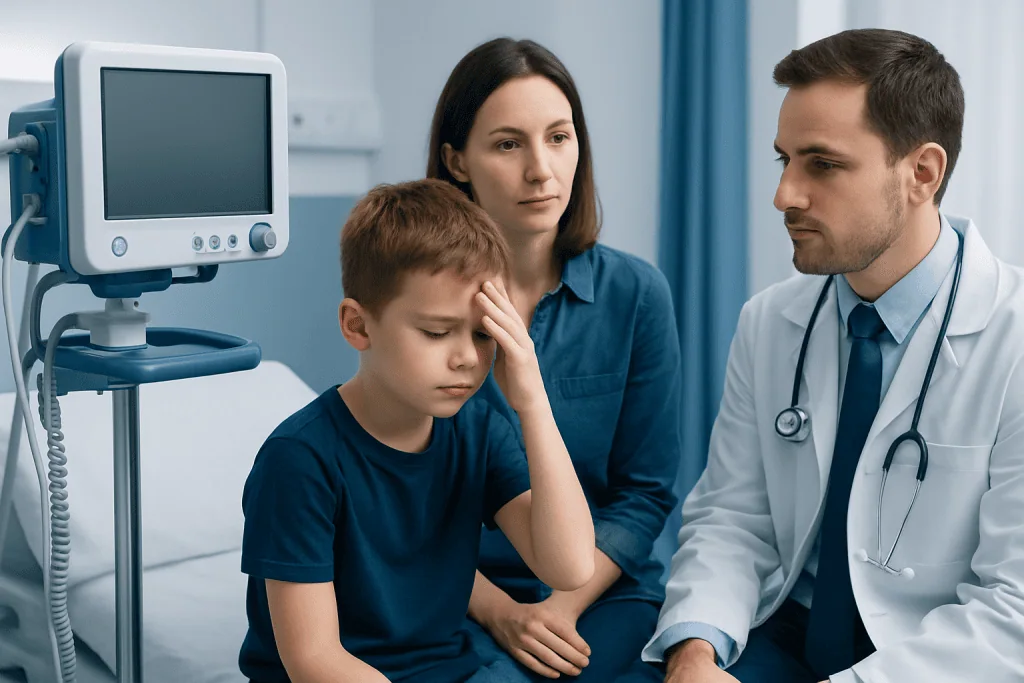
Most headaches in children are primary headaches, such as migraine or tension-type headache. A child should be evaluated promptly if headaches are severe, getting worse, waking them from sleep, or linked to neurological symptoms.
Key Takeaways
- Most headaches in children are primary headaches, such as migraine or tension-type headache.
- A child should be evaluated promptly if headaches are severe, getting worse, waking them from sleep, or linked to neurological symptoms.
- Keeping a headache diary can help identify triggers and guide diagnosis and treatment.
- Treatment may include lifestyle changes, medicines, and support at school or home depending on the headache type.
- A headache specialist can help when symptoms are frequent, disabling, unclear, or not improving with basic care.
Pediatric headaches are common and are often not caused by a serious illness. Still, some patterns, symptoms, and changes in a child's health suggest that specialist assessment is the safest next step.
Overview of Pediatric Headaches
Pediatric headaches are headaches that occur in infants, children, and teenagers. They are very common, and in many cases they are related to primary headache disorders such as migraine or tension-type headache rather than a dangerous underlying disease. Even so, headaches can affect school attendance, sleep, mood, sports, and family life, so they deserve careful attention.
Children may describe headache symptoms differently from adults. A younger child may say their head hurts, that they feel sick, or that they want a dark, quiet room. Some children become pale, tired, irritable, or less interested in play before or during a headache. Because symptoms can be subtle, parents and caregivers often play an important role in noticing patterns.
Headaches are usually grouped into two broad categories. Primary headaches are the condition itself, such as migraine or tension-type headache. Secondary headaches are caused by another issue, such as fever, dehydration, sinus illness, vision strain, head injury, or, more rarely, a neurological problem. The main goal of medical assessment is to tell these apart and to identify which children need more specialized care.
Common Symptoms and Types of Headaches in Children
The two most common primary headache types in children are migraine and tension-type headache. Migraine in children may cause moderate to severe head pain, nausea, vomiting, sensitivity to light or sound, dizziness, or a need to rest. The pain may affect one side of the head or both sides, and attacks in children can be shorter than in adults. Some children have visual symptoms or other warning signs before the headache, known as aura.
Tension-type headaches usually cause mild to moderate, steady, pressure-like pain. Children may describe a tight band around the head or soreness in the forehead or scalp. Unlike migraine, tension-type headaches are less likely to cause vomiting and often do not worsen much with routine physical activity.
Other symptoms can help guide diagnosis. A child may have headache with fever, congestion, cough, ear pain, or sore throat during an infection. Headache can also occur with poor sleep, skipped meals, dehydration, stress, screen overuse, or after sports. A clinician may also consider less common causes if there are unusual symptoms such as weakness, confusion, balance problems, personality change, or visual loss.
- Migraine: throbbing or pulsating pain, nausea, light and sound sensitivity
- Tension-type headache: pressure or tightness, usually milder and less disruptive
- Illness-related headache: often occurs with fever, sinus symptoms, or viral infection
- Post-traumatic headache: starts after a bump or injury to the head
Causes, Triggers, and Risk Factors
There is not one single cause of pediatric headaches. Many children have a genetic tendency, especially if close family members have migraine. Headaches may then be triggered by everyday factors such as inadequate sleep, missed meals, poor hydration, stress, hormonal changes in adolescence, or sensory overload from bright lights and noise.
School demands, exam stress, long periods on computers or tablets, and irregular routines can also contribute. In some children, certain foods or drinks may seem to trigger headaches, although these links are not always consistent. It is usually more helpful to look for repeated patterns than to assume one food is always to blame.
Risk factors that may increase the likelihood of ongoing headaches include anxiety, depression, sleep problems, obesity, concussion, and excessive use of pain-relieving medicine. Frequent use of over-the-counter pain medicine can sometimes make headaches more persistent over time. A headache diary that records timing, symptoms, sleep, meals, hydration, menstrual cycle, and possible triggers can be very useful during medical review.
When a Child Should See a Headache Specialist
Many children with occasional mild headaches can first be assessed by a pediatrician or family doctor. However, a child should see a headache specialist if headaches are frequent, severe, disabling, difficult to classify, or not improving with routine care. Specialist evaluation is also helpful when headaches lead to repeated school absences, limit daily activities, or cause significant worry for the child or family.
Urgent medical assessment is important if a headache starts suddenly and is extremely severe, follows a significant head injury, or comes with fever and a stiff neck, repeated vomiting, fainting, seizures, confusion, weakness, trouble walking, speech change, or visual loss. Headaches that wake a child from sleep, are clearly worse in the early morning, or steadily become more intense over time also deserve prompt evaluation. These symptoms do not always mean a serious condition, but they should not be ignored.
A specialist may also be recommended if a child is suspected of having migraine with complicated symptoms, a chronic daily headache pattern, post-concussion headache, or a condition related to increased pressure inside the skull. In some cases, further assessment may involve pediatric neurology or related services such as migraine care when attacks are recurrent and disruptive. The purpose of referral is to reach a clear diagnosis and create a treatment plan that fits the child’s age, routine, and overall health.
How Pediatric Headaches Are Diagnosed
Diagnosis begins with a detailed medical history. The clinician will ask when the headaches started, how often they happen, where the pain is felt, how long they last, what other symptoms occur, and what seems to trigger or relieve them. Parents may be asked about family history of migraine, school performance, sleep habits, stress, medications, and any recent infections or injuries.
A physical and neurological examination is an essential next step. This may include checking vision, eye movements, balance, coordination, reflexes, blood pressure, neck movement, and signs of sinus or ear infection. In many children, the history and examination are enough to diagnose a primary headache disorder.
Brain imaging is not needed for every child with headaches. It is usually considered when there are red-flag symptoms, an abnormal neurological examination, a sudden change in headache pattern, or concern about a structural cause. Depending on the situation, a doctor may recommend MRI or other tests. Some children may also need an eye assessment, sleep evaluation, or blood tests if another medical issue is suspected.
Treatment Options for Pediatric Headaches
Treatment depends on the headache type, how often it occurs, and how much it affects everyday life. For many children, the foundation of treatment is regular sleep, good hydration, balanced meals, physical activity, limited caffeine, and consistent routines. Stress management, rest in a quiet dark room during attacks, and reducing excessive screen time may also help.
Medicines may be used to relieve symptoms during a headache or, for frequent headaches, to reduce how often attacks happen. A doctor will choose treatment based on the child’s age, symptoms, and medical history. It is important not to use pain medicines too often, because overuse can sometimes worsen headache patterns.
Some children benefit from a broader care plan that includes psychological support, relaxation training, physiotherapy, school adjustments, or treatment of related sleep and mood problems. If headaches are linked to another condition, treatment focuses on that cause. In selected cases, specialist services may be involved, such as neurology consultation for complex symptoms or pediatric neurology care for ongoing diagnosis and follow-up.
Prevention and Self-Care at Home
Parents and caregivers can support prevention by helping children keep regular daily habits. A consistent bedtime and wake time, drinking enough water, eating breakfast, and avoiding long gaps between meals are simple steps that often make a real difference. Children who are active in sports should also pay attention to hydration and recovery after exercise.
A headache diary is one of the most practical self-care tools. It can include the date and time of each headache, pain severity, location, other symptoms, possible triggers, medicines used, and how much school or play was affected. Over time, this record can reveal patterns that are easy to miss in day-to-day life.
Supportive school measures may also help, especially for children with migraine. These can include access to water, regular snacks, breaks from bright screens, and the option to rest briefly in a quiet room. Families should avoid blaming the child or assuming symptoms are just stress-related, because headaches are real medical experiences even when emotional triggers play a role.
When to Seek Medical Care and Specialist Support
Parents should arrange medical review if a child’s headaches are recurring, interfere with normal activities, or seem different from previous headaches. It is also sensible to seek care when a child needs pain medicine often, has headaches with nausea or vomiting, or has symptoms suggestive of migraine. Early assessment can prevent missed school days and help avoid a cycle of worsening pain and anxiety.
Emergency care is appropriate for sudden severe headache, headache after major trauma, or headache with confusion, weakness, seizure, high fever, neck stiffness, or trouble seeing or speaking. These warning signs need prompt medical attention even though many children will not have a serious diagnosis. It is always better to have urgent symptoms checked without delay.
When specialist input is needed, multidisciplinary teams can help coordinate diagnosis, symptom control, and follow-up. Acibadem International’s multidisciplinary specialists in JCI-accredited hospitals diagnose and treat pediatric headache conditions for international patients, with care shaped around the child’s age and needs.
Frequently asked questions
Are headaches common in children?
Yes. Headaches are common in school-age children and teenagers, and many are due to migraine or tension-type headache rather than a serious illness. Even so, repeated or disruptive headaches should be discussed with a doctor.
How can a parent tell if a child's headache might be a migraine?
Migraine often causes moderate to severe pain along with nausea, vomiting, sensitivity to light or sound, and a need to rest. Children may look pale, become quiet, or want to lie down in a dark room. Some also have warning symptoms such as visual changes before the headache starts.
When is a child's headache considered an emergency?
Emergency assessment is needed for sudden severe headache, headache after significant head injury, or headache with confusion, seizures, weakness, trouble walking, vision loss, high fever, or neck stiffness. These symptoms need prompt medical attention even though the cause is not always serious.
Does every child with headaches need a brain scan?
No. Many children with typical migraine or tension-type headache and a normal examination do not need imaging. Scans are usually considered when there are red-flag symptoms, an abnormal neurological exam, or an unusual change in the headache pattern.
What can help prevent headaches in children?
Regular sleep, good hydration, balanced meals, physical activity, and stress management are important. Limiting skipped meals, excessive screen time, and overuse of pain medicines can also help. A headache diary may make triggers and patterns easier to recognize.
When should a child see a headache specialist instead of only a general doctor?
A specialist is helpful when headaches are frequent, severe, difficult to diagnose, or not improving with standard treatment. Referral is also important if headaches cause repeated school absence, major disruption to daily life, or concerning neurological symptoms.
References
- World Health Organization
- American Academy of Pediatrics
- National Institute of Neurological Disorders and Stroke
- International Headache Society
- National Institute for Health and Care Excellence
This article is for general information only and is not a substitute for professional medical advice. Please consult a qualified doctor about your individual situation.
Explore treatments in Turkey — costs, top hospitals & a free quote
JCI-accredited · board-certified surgeons · reply within 24h
Add us as a Preferred Source to see more of our trusted health content across Google Search, AI Overviews and Discover.