

Deep Brain Stimulation Battery Replacement: What Patients Should Expect
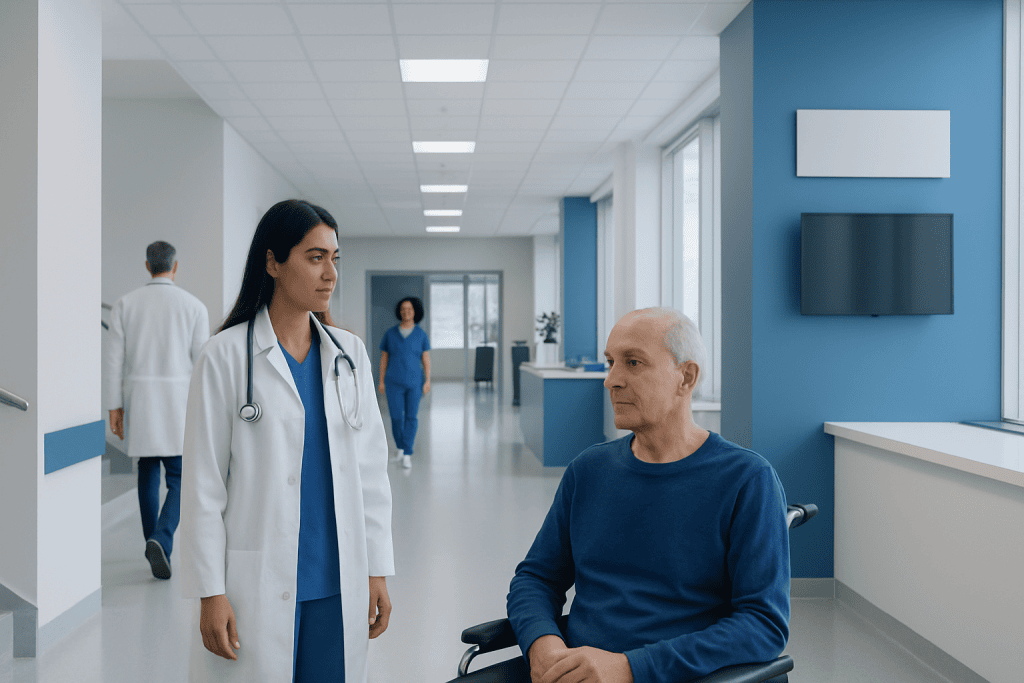
DBS batteries do not last forever, so replacement is usually expected as part of ongoing treatment. Many replacements involve changing only the battery unit, not the brain leads.
Key Takeaways
- DBS batteries do not last forever, so replacement is usually expected as part of ongoing treatment.
- Many replacements involve changing only the battery unit, not the brain leads.
- Regular follow-up helps doctors detect low battery status before symptoms return.
- Recovery is often quicker than the original DBS implantation, though each person’s situation differs.
- Patients should contact their care team promptly if symptoms worsen or the device alerts to a low battery.
Deep brain stimulation battery replacement is a routine part of long-term DBS care. Most patients can expect a planned, relatively short procedure that restores therapy when the battery nears the end of its life.
Overview
Deep brain stimulation battery replacement is a follow-up procedure performed when the power source of a DBS system begins to run low or reaches the end of its service life. In most cases, the implanted electrodes in the brain and the connecting wires remain in place, while the battery unit, also called the implantable pulse generator, is exchanged. This means the procedure is usually less extensive than the original DBS implantation.
DBS is used to help control symptoms in certain neurological conditions, especially movement disorders such as Parkinson’s disease, essential tremor, and dystonia. The system works by sending carefully programmed electrical impulses to specific brain areas. Because this therapy depends on a functioning power source, replacing the battery at the right time is an important part of maintaining symptom control.
For many patients, battery replacement can be planned in advance during routine follow-up visits. Modern devices are checked regularly to estimate remaining battery life, helping reduce the chance of unexpected treatment interruption. Knowing what to expect can make the process feel more manageable and help patients prepare with confidence.
Why Battery Replacement Is Needed
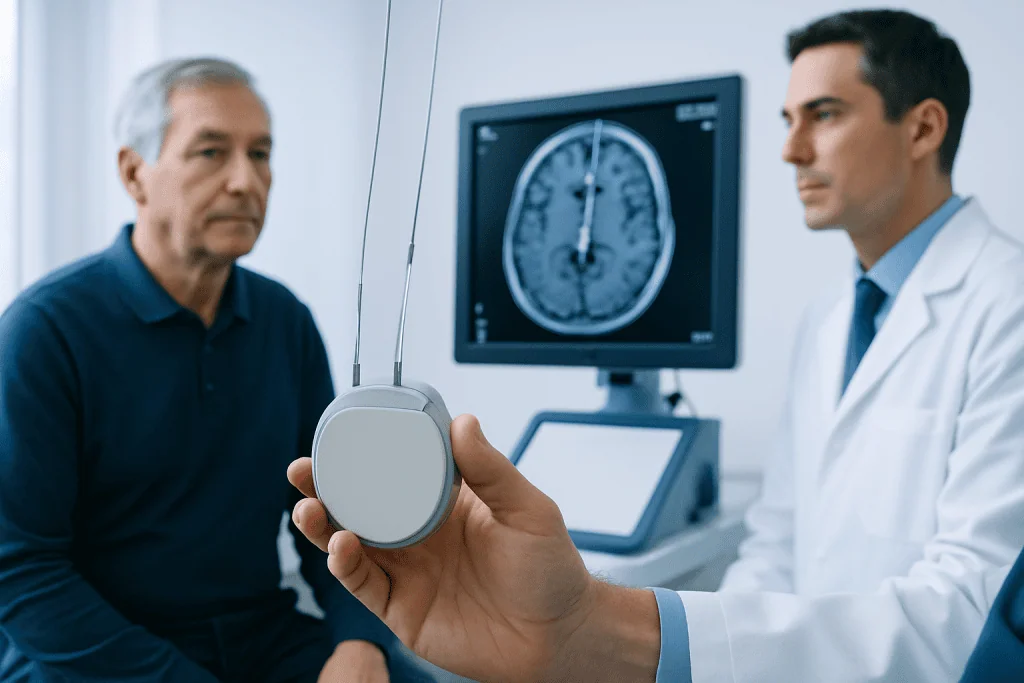
Every DBS battery has a limited lifespan. How long it lasts depends on the type of battery and how much energy the system uses. Factors such as stimulation settings, the number of active contacts, pulse width, and frequency can affect battery drain. Some systems use non-rechargeable batteries that need surgical replacement after several years, while rechargeable systems may last longer but still eventually need replacement.
If a battery becomes very low or fully depleted, stimulation may weaken or stop. This can allow symptoms to return, sometimes gradually and sometimes more noticeably. A person who had stable tremor control, for example, may begin to notice worsening shaking, stiffness, slowness, or involuntary movements depending on the condition being treated.
Planned replacement is preferred because it helps avoid sudden loss of symptom control. During routine device checks, the care team can monitor battery status and advise when it is time to schedule replacement. In many cases, this is done before the battery fully runs out.
Some patients may also need replacement for other reasons, such as device malfunction, damage to the unit, discomfort at the implant site, or an upgrade to a different type of pulse generator when clinically appropriate. The treating neurologist and neurosurgeon decide this based on symptoms, device testing, and overall treatment goals.
Signs the Battery May Be Running Low

Many people do not feel the battery becoming low at first because the change is detected during a scheduled device check. However, some patients notice that symptoms they had been controlling well begin to return. Depending on the underlying condition, this may include more tremor, stiffness, slowness of movement, muscle contractions, gait difficulty, or reduced benefit from stimulation.
Some DBS systems provide alerts through a patient controller or programmer. These alerts may indicate that the battery is low or that the device should be assessed soon. It is helpful for patients and caregivers to know how their own system communicates status and when to contact the care team.
It is important not to assume that every symptom change is caused by the battery. Worsening symptoms can also relate to disease progression, medication changes, stress, sleep problems, infection, or device programming issues. A full evaluation helps identify the true cause.
- Return or worsening of previous movement symptoms
- Alert from the patient programmer or controller
- Reduced duration of symptom relief
- Concern about discomfort, swelling, or redness at the battery site
How Doctors Prepare for DBS Battery Replacement
Before replacement, the clinical team reviews the patient’s current symptoms, medical history, medications, and device information. The device is usually interrogated with a programmer to confirm battery status and check whether the system is otherwise working correctly. This step helps determine whether only the battery needs replacement or whether there may be another issue that requires attention.
Doctors also review the patient’s general health to make sure the procedure can be performed safely. This may include blood tests, medication review, and guidance about temporary changes to blood thinners or other medicines if needed. The exact preparation depends on the person’s age, other medical conditions, and the type of anesthesia planned.
In many cases, the procedure is simpler than the original operation because the brain leads are not reimplanted. The surgeon typically reopens the area where the battery unit is located, often in the chest area below the collarbone, disconnects the old generator, connects the new one, and checks that the system works properly.
Patients may find it reassuring to ask practical questions ahead of time. These can include whether they will go home the same day, how long the procedure usually takes, when the device will be reprogrammed, and what activities should be limited during recovery. Centers experienced in deep brain stimulation and neurosurgical care can guide patients through each step clearly.
What Happens During the Procedure
DBS battery replacement is usually performed in a hospital or surgical center. The procedure may be done under local anesthesia with sedation or under general anesthesia, depending on the patient’s needs, the device type, and the treating team’s approach. Because the brain electrodes are already in place, the surgery is generally less complex than the first DBS implantation.
The surgeon makes an incision over the existing battery site, removes the old generator, and attaches the new one to the leads. The new device is then placed back into the pocket under the skin. Before closing the incision, the team typically checks the system to confirm that the connections are working and stimulation can be delivered correctly.
The procedure often takes less time than the original surgery, although exact timing varies. Some patients return home the same day, while others stay longer depending on their medical condition, mobility, or hospital routine. If reprogramming is needed, it may be done during the same visit or at a follow-up appointment.
For people living with conditions commonly treated by DBS, such as Parkinson’s disease or essential tremor, maintaining uninterrupted stimulation can be important for daily function. A planned replacement helps reduce the risk of a prolonged gap in therapy.
Recovery, Risks, and Follow-Up
Recovery after battery replacement is often quicker than after the original DBS surgery. Mild soreness, swelling, or bruising around the incision site can occur for a short time. Patients are usually advised to keep the area clean and dry, watch for signs of infection, and follow instructions about showering, dressing changes, and returning to normal activity.
Although DBS battery replacement is commonly performed, it is still a surgical procedure and carries some risks. Possible complications include infection, bleeding, pain at the implant site, wound healing problems, device malfunction, or lead damage during generator exchange. Serious complications are uncommon, but patients should know what symptoms require prompt medical attention.
Follow-up is an important part of recovery. The care team may check the wound, confirm that the new generator is functioning, and adjust stimulation settings if needed. Medication review may also be helpful, especially if symptoms changed before the replacement or if stimulation needs to be fine-tuned afterward.
In selected cases, people may also be evaluated for broader care needs related to their neurological condition, including rehabilitation, medication optimization, and programming support. This can be especially useful in patients with complex movement symptoms or changing functional needs.
Prevention, Self-Care, and When to See a Doctor
There is no way to prevent a DBS battery from eventually wearing out, but good follow-up can help prevent unexpected depletion. Keeping regular appointments with the neurology or DBS programming team is one of the most important steps. Patients should also learn how to use their programmer if their system includes one, and they should report alerts or unusual symptom changes early.
General self-care after replacement includes taking medicines as prescribed, protecting the incision while it heals, and following activity guidance from the surgical team. It is also helpful to keep a list of device details, programming appointments, and emergency contact numbers. Caregivers often play an important role in monitoring symptom changes and helping with communication.
Patients should contact a doctor promptly if they notice redness, warmth, drainage, fever, increasing pain, sudden symptom worsening, or a device alert. Urgent assessment is also needed if the stimulator seems to stop working unexpectedly or if there are signs of wound opening or significant swelling. Early evaluation can help address concerns before they become more serious.
For international patients who need specialist assessment, Acibadem International’s multidisciplinary teams in JCI-accredited hospitals diagnose and treat DBS-related conditions, including follow-up procedures such as battery replacement, alongside services in neurology and movement disorder care.
Frequently asked questions
Is deep brain stimulation battery replacement a major surgery?
It is usually less extensive than the original DBS implantation because the brain leads often stay in place. The surgeon typically replaces only the battery unit under the skin. Even so, it is still a medical procedure and should be performed by an experienced team.
How do patients know when the DBS battery needs to be replaced?
Doctors usually detect low battery status during routine device checks before the battery fully runs out. Some patients also notice returning symptoms or receive an alert on their programmer. Any new symptom change should be discussed with the care team.
How long does recovery take after DBS battery replacement?
Many people recover more quickly than they did after their original DBS surgery. Mild soreness or swelling near the battery site is common for a short time. The exact recovery period depends on overall health, wound healing, and whether device settings need adjustment.
Will the DBS settings stay the same after battery replacement?
Sometimes the previous settings can be restored or continued, but this depends on the device and clinical situation. The team usually checks the system after replacement and may adjust the programming if symptoms have changed. A follow-up visit is often used to confirm the best settings.
Can symptoms come back if the battery runs low?
Yes, symptoms may return or worsen if stimulation decreases or stops because of a depleted battery. The type of symptom depends on the condition being treated, such as tremor, stiffness, or abnormal movements. That is why regular monitoring and planned replacement are important.
What should patients do if the battery site becomes red or painful?
They should contact their doctor promptly, especially if redness, swelling, drainage, warmth, fever, or worsening pain develops. These symptoms may suggest infection or another problem that needs medical review. Early treatment helps reduce the risk of complications.
References
- National Institute of Neurological Disorders and Stroke
- National Institute for Health and Care Excellence
- American Association of Neurological Surgeons
- Parkinson's Foundation
- International Parkinson and Movement Disorder Society
This article is for general information only and is not a substitute for professional medical advice. Please consult a qualified doctor about your individual situation.
Explore treatments in Turkey — costs, top hospitals & a free quote
JCI-accredited · board-certified surgeons · reply within 24h
Add us as a Preferred Source to see more of our trusted health content across Google Search, AI Overviews and Discover.

Neurosurgery
Surgical treatment of the brain, spine and nervous system, including minimally invasive and functional procedures.
72 specialists in this unitMore from the Health Library



Related Specialists

Dr. Kerem Sayman
Emergency Service
Prof. Dr. Selda Özçirpici
Physical Medicine & Rehabilitation
Psk. Meysenaz Koser
Psychology
Dr. Hafsa Hicret Bülbül Göktaş
Neurology