Sleep Attacks, Hallucinations, and Weakness: Early Signs of Narcolepsy

Narcolepsy is a neurological sleep disorder, not simply tiredness or poor sleep habits. Excessive daytime sleepiness is often the earliest and most noticeable symptom.
Key Takeaways
- Narcolepsy is a neurological sleep disorder, not simply tiredness or poor sleep habits.
- Excessive daytime sleepiness is often the earliest and most noticeable symptom.
- Hallucinations, sleep paralysis, and cataplexy can occur and may point to narcolepsy.
- Diagnosis usually involves a sleep history, sleep testing, and specialist evaluation.
- Treatment focuses on symptom control with lifestyle strategies and, when appropriate, medication.
- Early evaluation can help improve safety, school, work, and quality of life.
Narcolepsy is a long-term neurological sleep disorder that affects how the brain regulates sleep and wakefulness. Early signs often include excessive daytime sleepiness, sudden sleep attacks, vivid hallucinations, sleep paralysis, and in some people, brief muscle weakness called cataplexy.
Overview of Narcolepsy
Narcolepsy is a chronic neurological disorder that disrupts the brain’s ability to control sleep-wake cycles. People with narcolepsy may feel very sleepy during the day even after what seems like a full night’s sleep. This daytime sleepiness can be strong enough to cause unintended naps or sudden sleep episodes, often called sleep attacks.
The condition is not a sign of laziness, lack of motivation, or weak willpower. It is a medical disorder involving the systems that regulate alertness, dreaming, and the normal boundaries between sleep and wakefulness. Because some features of dreaming can appear while a person is still awake or just falling asleep, narcolepsy can cause symptoms that feel confusing or frightening before the condition is recognized.
Narcolepsy often begins in childhood, the teenage years, or early adulthood, but it can be diagnosed later as well. Symptoms may develop gradually and can be mistaken for stress, depression, insomnia, or simply being overworked. Understanding the early signs can help a person seek assessment sooner and get support that improves daily function and safety.
Early Signs and Symptoms
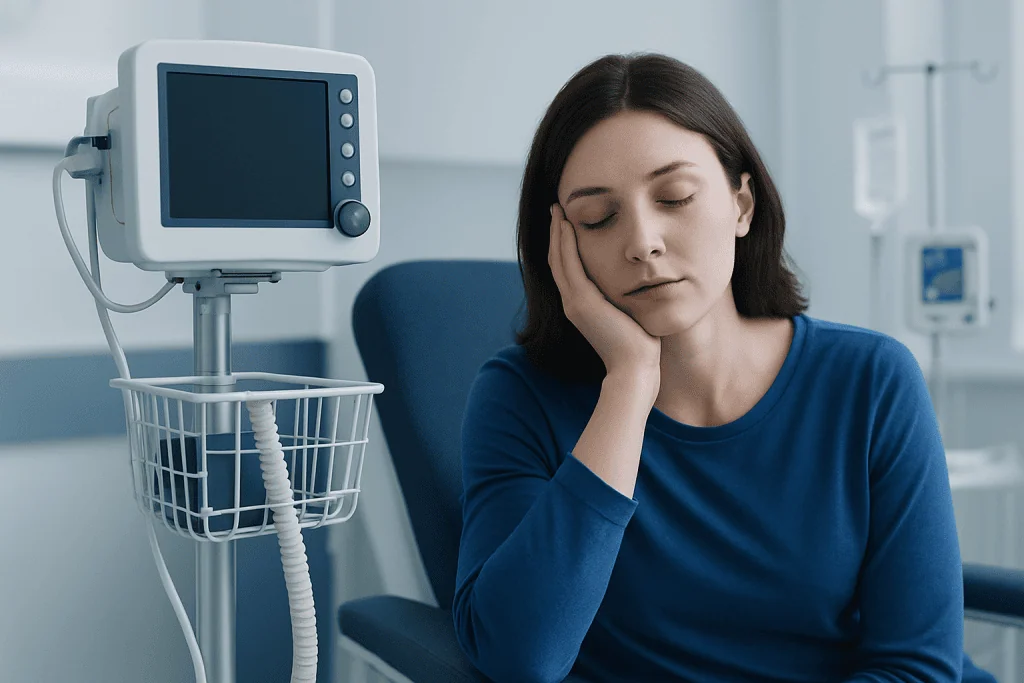
The most common early symptom of narcolepsy is excessive daytime sleepiness. This means an ongoing, hard-to-resist need to sleep during the day. A person may doze off while reading, watching television, sitting in class, working at a desk, or even during conversations. Some people feel refreshed after a short nap, but the sleepiness often returns.
Another important symptom is cataplexy, which is a sudden, brief loss of muscle tone triggered by strong emotions such as laughter, excitement, surprise, or anger. Cataplexy can be mild, such as drooping eyelids or jaw weakness, or more noticeable, such as buckling knees or collapse while remaining conscious. Not everyone with narcolepsy has cataplexy, but when it is present it strongly suggests a specific type of narcolepsy.
Some people experience vivid hallucinations when falling asleep or waking up. These are called hypnagogic or hypnopompic hallucinations. They can seem very real and may involve seeing, hearing, or feeling things that are not actually present. Sleep paralysis can also occur, causing a brief inability to move or speak during transitions between sleep and wakefulness.
Nighttime sleep may also be fragmented rather than restful. Although narcolepsy is known for daytime sleepiness, many people have frequent awakenings, vivid dreams, or restless sleep at night. Common symptoms include:
- Overwhelming daytime drowsiness
- Sudden sleep attacks
- Cataplexy triggered by emotion
- Hallucinations around sleep onset or awakening
- Sleep paralysis
- Poor concentration, memory lapses, or “brain fog”
- Disrupted nighttime sleep
Causes and Risk Factors

Narcolepsy develops because of problems in the brain systems that regulate wakefulness and rapid eye movement (REM) sleep. In many people with narcolepsy and cataplexy, there is a marked loss of brain cells that produce hypocretin, also called orexin. This chemical helps maintain alertness and keeps REM sleep from intruding at the wrong times. When hypocretin levels are low, features of REM sleep may appear during wakefulness, contributing to cataplexy, hallucinations, and sleep paralysis.
The exact reason this loss occurs is not fully understood. Evidence suggests that immune system factors may play a role in some people, especially those with a genetic predisposition. Narcolepsy is usually not directly inherited, but certain genes can increase susceptibility. In rare situations, head injury or other neurological conditions can affect the same brain pathways and produce symptoms that resemble narcolepsy.
Risk factors are not the same as causes, and having a risk factor does not mean a person will develop the disorder. Symptoms can overlap with other sleep conditions, including sleep apnea, as well as mood disorders, medication effects, and sleep deprivation. This is one reason a careful sleep evaluation is important before assuming the cause of persistent daytime sleepiness.
How Narcolepsy Is Diagnosed
Diagnosis begins with a detailed medical and sleep history. A doctor may ask about the timing of sleepiness, sudden sleep episodes, cataplexy-like events, nighttime sleep quality, emotional triggers, medications, mental health symptoms, and family history. Because symptoms can interfere with work, school, and driving, the clinician will also ask how daytime sleepiness affects daily life and safety.
A sleep diary and actigraphy, which tracks movement and sleep patterns over time, may be used to understand a person’s routine. Many patients are then referred for specialized sleep testing. This commonly includes overnight polysomnography in a sleep laboratory to assess sleep stages and rule out other causes of sleepiness, followed the next day by a Multiple Sleep Latency Test, which measures how quickly a person falls asleep and whether REM sleep begins unusually early.
In selected cases, further testing may be considered, such as hypocretin measurement in cerebrospinal fluid or other neurological evaluation. Doctors also look for conditions that can mimic narcolepsy, such as chronic sleep deprivation, circadian rhythm disorders, depression, medication side effects, or restless leg syndrome. Reaching the correct diagnosis can take time, but it is an important step toward effective management.
Treatment Options and Symptom Management
There is no single cure for narcolepsy, but treatment can greatly reduce symptoms and improve quality of life. Care is individualized and usually combines practical routines with medical therapy when needed. The goals are to improve daytime alertness, reduce cataplexy and other REM-related symptoms, support safe daily functioning, and help maintain school, work, and social activities.
Scheduled short naps during the day can be helpful for some people. Good sleep habits, a consistent bedtime and wake time, and avoiding alcohol or sedating substances may also reduce symptom burden. If a person has another sleep disorder at the same time, treating that condition is also important. For example, when excessive sleepiness is worsened by breathing-related sleep disruption, doctors may recommend sleep apnea treatment alongside narcolepsy care.
Medication may be prescribed to promote wakefulness or to reduce cataplexy, hallucinations, and sleep paralysis. The choice depends on age, symptom pattern, other medical conditions, and daily responsibilities. Because treatment needs can change over time, regular follow-up with a sleep specialist or neurologist is important.
Some people benefit from coordinated care that includes sleep medicine, neurology, psychology, and lifestyle counseling. Near the end of the diagnostic and treatment journey, international patients may seek care at centers such as Acibadem International, where multidisciplinary specialists in JCI-accredited hospitals evaluate and treat complex sleep disorders.
Prevention, Self-care, and Daily Living
Narcolepsy itself cannot usually be prevented, but self-care can help reduce its impact. A regular sleep schedule is one of the most useful tools. Going to bed and waking up at consistent times, including on weekends, may support more stable sleep-wake patterns. Brief planned naps can also improve alertness for some people when timed carefully during the day.
People living with narcolepsy often benefit from practical adjustments at school or work. These might include a flexible break schedule, permission for short naps, written instructions to support concentration, or avoiding tasks that require prolonged monotonous attention without breaks. Open communication with teachers, employers, and family members can make the condition easier to manage and reduce misunderstanding.
Safety deserves special attention. A person who has frequent sleep attacks or severe sleepiness should discuss driving, operating machinery, swimming alone, or working at heights with a doctor. General self-care measures may include:
- Keeping a consistent sleep routine
- Planning short daytime naps if recommended
- Limiting alcohol and avoiding sedating drugs unless prescribed
- Getting regular physical activity
- Seeking support for stress, mood changes, or social difficulties
- Following treatment plans and follow-up appointments
Because living with chronic sleepiness can affect mental well-being, emotional support matters. Counseling, support groups, and education for family members may help people feel more understood and less isolated.
When to See a Doctor
A person should seek medical advice if daytime sleepiness is persistent, unexplained, or disruptive. Falling asleep unintentionally during daily activities is not considered normal, especially when it affects school performance, work, relationships, or safety. Evaluation is also important if symptoms begin in a child or teenager, since narcolepsy can be overlooked in younger age groups.
Medical assessment is especially important when sleepiness occurs along with cataplexy, vivid hallucinations around sleep, or sleep paralysis. These symptoms do not always mean narcolepsy, but they should be discussed with a qualified doctor. Severe sleepiness can increase the risk of accidents, so prompt attention is wise if a person feels drowsy while driving or using equipment.
If symptoms are sudden, worsen quickly, or are accompanied by other neurological changes such as confusion, seizures, weakness unrelated to emotion, or significant changes in behavior, urgent medical evaluation may be needed. A doctor can determine whether narcolepsy or another sleep or neurological condition is responsible and guide the next steps, which may include neurological rehabilitation or other supportive care when symptoms affect daily functioning.
Frequently asked questions
What are the earliest signs of narcolepsy?
The earliest sign is usually excessive daytime sleepiness that does not improve enough with regular nighttime sleep. Some people also notice sudden sleep attacks, vivid dream-like hallucinations when falling asleep or waking, or brief episodes of muscle weakness triggered by emotion.
Is narcolepsy the same as being very tired?
No. Narcolepsy is a neurological sleep disorder, while ordinary tiredness is often linked to short sleep, stress, or lifestyle factors. In narcolepsy, sleepiness can be overwhelming and may occur even after adequate time in bed.
What is cataplexy in narcolepsy?
Cataplexy is a sudden loss of muscle tone that happens while a person remains awake. It is often triggered by strong emotions such as laughter or surprise and can range from mild facial weakness to a full collapse.
How do doctors test for narcolepsy?
Doctors usually begin with a careful sleep history and review of symptoms. Diagnosis often includes overnight sleep testing and a daytime nap study called the Multiple Sleep Latency Test to measure sleepiness and early REM sleep.
Can narcolepsy be cured?
There is no definitive cure at present, but many people manage symptoms well with treatment. A combination of healthy sleep habits, planned naps, and prescribed medication can improve alertness and daily functioning.
Can children and teenagers develop narcolepsy?
Yes. Narcolepsy can begin in childhood or adolescence, although it may be mistaken for behavioral issues, poor motivation, or lack of sleep. Early recognition is helpful because symptoms can affect learning, mood, and social life.
When should someone seek medical help for possible narcolepsy?
Medical advice is important if daytime sleepiness is frequent, severe, or causes unintended sleep episodes. A person should also seek evaluation if sleepiness is accompanied by cataplexy, sleep paralysis, hallucinations, or safety concerns such as drowsy driving.
References
- American Academy of Sleep Medicine
- National Institute of Neurological Disorders and Stroke
- National Heart, Lung, and Blood Institute
- Mayo Clinic
- European Academy of Neurology
This article is for general information only and is not a substitute for professional medical advice. Please consult a qualified doctor about your individual situation.
Narcolepsy in Turkey — costs, top hospitals & a free quote
JCI-accredited · board-certified surgeons · reply within 24h
Add us as a Preferred Source to see more of our trusted health content across Google Search, AI Overviews and Discover.

More from the Health Library



Related Specialists

Assoc. Prof. Dr. Çağrı Örs
Orthopedic Surgery & Traumatology
Dr. Suat Özer Öner
Anesthesiology
Dr. Serkan Tokgönül
Aesthetic Plastic & Reconstructive Surgery
Dr. Mustafa Barış Kemahli
Cardiovascular Surgery