Plasma Exchange for Blood Disorders: What It Is and When It Is Used
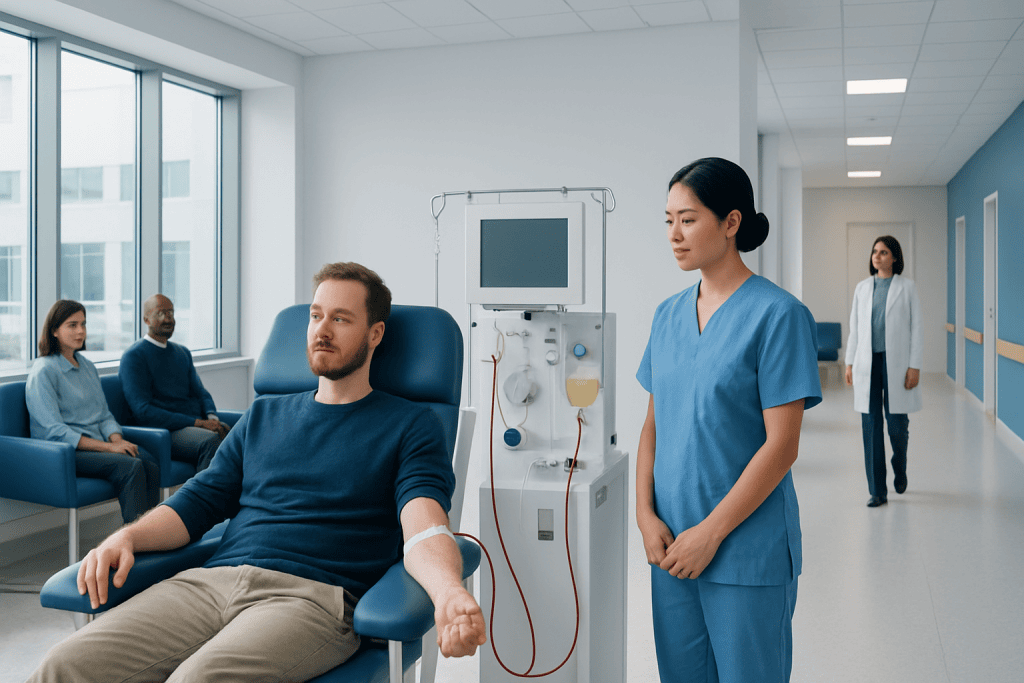
Plasma exchange is a procedure that separates and removes plasma, then replaces it with donor plasma or another replacement fluid. It does not cure every blood disorder, but it can be life-saving or symptom-relieving in selected conditions.
Key Takeaways
- Plasma exchange is a procedure that separates and removes plasma, then replaces it with donor plasma or another replacement fluid.
- It does not cure every blood disorder, but it can be life-saving or symptom-relieving in selected conditions.
- Doctors most often use it for disorders linked to harmful antibodies, abnormal plasma proteins, or clotting-related problems.
- Treatment is usually given in a hospital or specialized unit and may require several sessions.
- Possible side effects and risks are monitored closely, and treatment plans are tailored to the individual patient.
Plasma exchange for blood disorders is a treatment that removes plasma from the blood and replaces it with another fluid. It is used in certain serious conditions when harmful antibodies, proteins, or other substances in the plasma are contributing to illness.
Overview: What plasma exchange is
Plasma exchange, also called therapeutic plasma exchange or plasmapheresis, is a medical procedure that removes the liquid part of the blood, known as plasma, and replaces it with another fluid. Plasma carries proteins, antibodies, clotting factors, and other substances throughout the body. When some of these substances are causing disease, removing plasma can help reduce their harmful effects.
During the procedure, blood is taken from the body through a vein or special access line and passed through a machine that separates plasma from blood cells. The plasma is discarded, while the red blood cells, white blood cells, and platelets are returned to the body along with replacement fluid. Depending on the condition being treated, the replacement fluid may be donor plasma, albumin solution, or a combination chosen by the medical team.
Plasma exchange is not the same as a routine blood transfusion. It is a targeted treatment used in specific diseases, especially when the problem is located in the plasma rather than in the blood cells themselves. In blood disorders, it may help remove autoantibodies, immune complexes, abnormal proteins, or substances that contribute to dangerous clotting or organ damage.
When plasma exchange is used for blood disorders
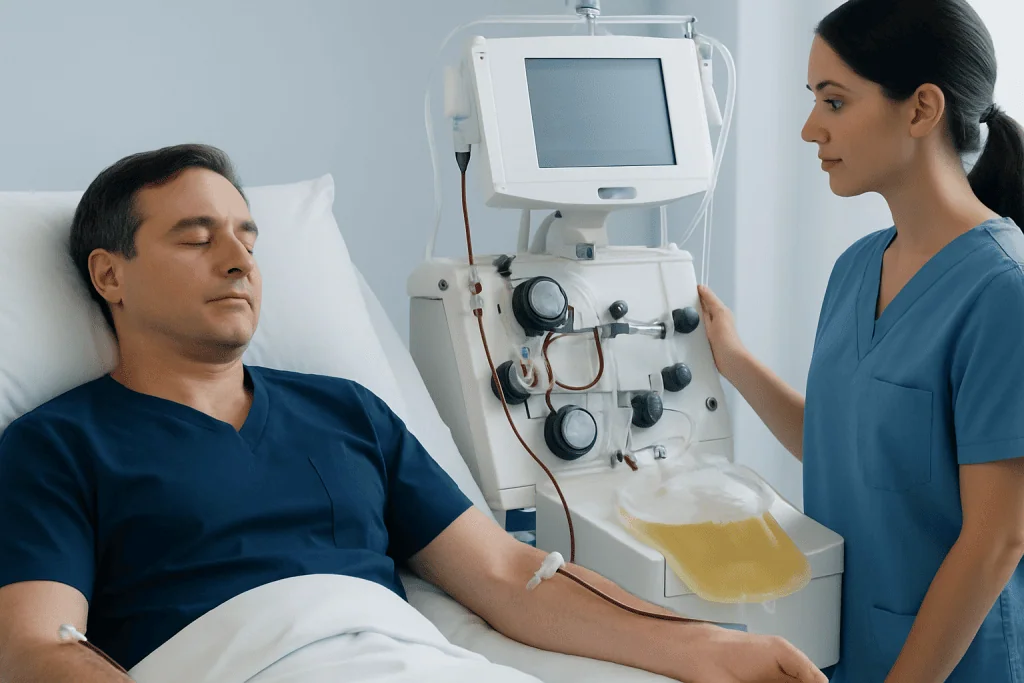
Doctors use plasma exchange for selected blood disorders, usually when a condition is severe, progressing quickly, or not responding well enough to other treatments. It is often part of a broader treatment plan rather than the only therapy. In many cases, it is used alongside medicines that calm the immune system, support blood production, or treat the underlying cause.
One of the best-known uses is in thrombotic thrombocytopenic purpura, a rare but serious disorder in which small clots form in blood vessels and platelets become low. Plasma exchange can remove harmful factors and replace missing protective components. It may also be used in some cases of hyperviscosity syndrome, where blood becomes too thick because of abnormal proteins, often related to plasma cell disorders.
Other possible uses include certain autoimmune hemolytic conditions, cryoglobulinemia, some severe immune-mediated clotting disorders, and selected complications of antibody-related disease. In some patients, plasma exchange may be considered when a blood disorder overlaps with a neurological, kidney, or autoimmune condition. The decision depends on the exact diagnosis, the severity of symptoms, and current clinical guidelines.
Because blood disorders vary widely, not every patient with low blood counts, clotting problems, or abnormal proteins will need plasma exchange. A hematologist reviews the whole picture, including symptoms, lab results, and how quickly the illness is changing, before recommending this treatment.
How the procedure is performed
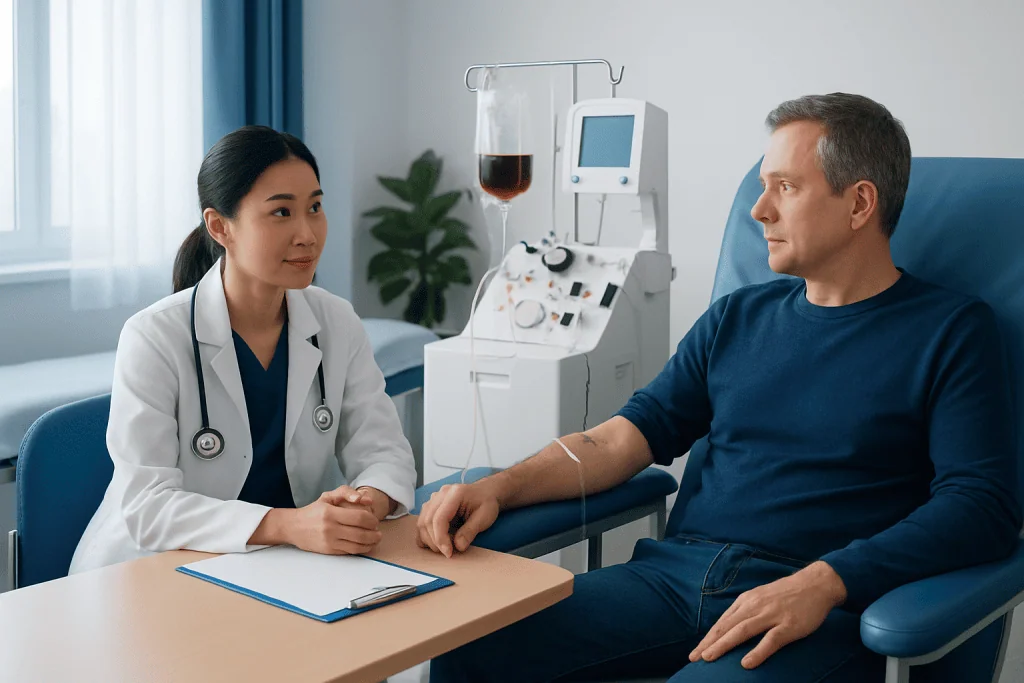
Plasma exchange is usually performed in a hospital or specialized treatment center by trained nurses and physicians. Before treatment begins, the team checks blood pressure, pulse, temperature, blood tests, and the patient’s overall condition. Some people can have the procedure through large veins in the arms, while others need a central venous catheter placed in a larger vein if repeated treatments are expected or vein access is limited.
During the session, blood circulates through an apheresis machine that separates plasma from blood cells. The machine returns the blood cells with replacement fluid back into the bloodstream. A single session often lasts a few hours, although exact timing varies depending on body size, the amount of plasma being exchanged, and the equipment used.
Many patients need more than one session. Treatments may be given daily or over several days, depending on the condition and how urgently plasma needs to be cleared. The team may repeat blood tests between sessions to assess whether platelet counts, clotting markers, protein levels, or other important results are improving.
While the procedure is in progress, patients are monitored for symptoms such as lightheadedness, chills, tingling around the mouth or fingers, or changes in blood pressure. These symptoms are often manageable, and staff can adjust the treatment if needed. Careful monitoring is one reason plasma exchange is generally done in a closely supervised setting.
Benefits, limits, and expected results
The main benefit of plasma exchange is that it can lower the level of harmful substances in the blood relatively quickly. This may slow organ damage, improve symptoms, or stabilize a patient during a medical emergency. In some disorders, it has become a standard part of treatment because it can significantly change the course of illness when started promptly.
However, plasma exchange has limits. It removes substances circulating in plasma, but it does not always stop the body from making more of them. For that reason, many patients also need medicines such as corticosteroids, immune-targeting drugs, or treatment for an underlying cancer or autoimmune disease. If the root cause is not addressed, the problem can return after treatment ends.
Results depend on the disorder being treated and how early therapy begins. Some patients feel better after one or two sessions, while others improve more gradually. Doctors usually explain that plasma exchange is a supportive and sometimes urgent therapy, but not a universal cure for blood disorders.
In a multidisciplinary setting, plasma exchange may be combined with broader hematology care and, when needed, evaluation for related problems such as blood transfusion support. If abnormal plasma proteins are linked to a bone marrow condition, assessment may also involve bone marrow transplantation planning in selected cases.
Risks and possible side effects
Like any medical procedure, plasma exchange has potential risks, but the care team watches closely to reduce them. Common short-term side effects can include tiredness, dizziness, nausea, mild low blood pressure, or a tingling sensation caused by shifts in calcium levels during the procedure. These symptoms are often temporary and can usually be managed during treatment.
There are also risks related to the blood access line, especially if a central catheter is needed. These can include bleeding, bruising, infection, or clot formation around the catheter. If donor plasma is used as replacement fluid, allergic reactions or transfusion-related complications can occur, although monitoring helps the team respond quickly if they do.
Because plasma contains clotting factors and proteins important for immunity, repeated exchanges may affect bleeding risk or infection susceptibility in some patients. For this reason, blood tests are followed carefully throughout treatment. The team may adjust the replacement fluid or timing of sessions based on laboratory results and the patient’s response.
Patients should tell the medical team about all medicines they take, including blood thinners, supplements, and herbal products. This helps doctors plan treatment safely and reduces the chance of avoidable complications.
Diagnosis and evaluation before treatment
Plasma exchange is only recommended after careful evaluation, because the treatment must match the underlying disease. Doctors usually begin with a detailed history, physical examination, and blood tests. These may include a complete blood count, clotting studies, kidney function tests, markers of hemolysis, antibody testing, and measurements of abnormal proteins when relevant.
Additional tests depend on the suspected disorder. For example, doctors may check for signs of hemolytic anemia, platelet destruction, or disorders involving abnormal immunoglobulins. In some patients, bone marrow studies or imaging may be part of the work-up. If symptoms suggest a clotting emergency or a rare disorder such as thrombotic thrombocytopenic purpura, treatment may begin urgently while confirmatory testing continues.
Doctors also evaluate whether plasma exchange is safe and practical for the individual patient. They consider factors such as heart and kidney function, blood pressure stability, vein access, bleeding risk, and whether the person may need repeated sessions. This planning helps reduce complications and improve the chance that treatment will be effective.
Aftercare, follow-up, and when to seek medical help
After a plasma exchange session, patients are observed for a period of time and may have repeat blood tests. Some feel tired for the rest of the day, while others return to normal activities fairly quickly, depending on their overall condition and the illness being treated. The medical team explains whether further sessions are needed and what changes in medicines or monitoring are expected.
Follow-up is important because plasma exchange is often only one part of treatment. Doctors may continue therapies to suppress abnormal immune activity, manage clotting risk, or treat associated conditions such as multiple myeloma when abnormal proteins are involved. Ongoing review by a hematologist helps determine whether the condition is improving and whether treatment should be adjusted.
Patients should contact a doctor promptly if they develop fever, chills, worsening weakness, unusual bleeding, chest pain, shortness of breath, severe dizziness, or redness and pain around a catheter site. These symptoms do not always mean a serious problem, but they deserve medical assessment without delay.
For international patients who need evaluation or treatment planning, Acibadem International’s multidisciplinary specialists in JCI-accredited hospitals diagnose and treat complex blood disorders, including cases where plasma exchange may be considered as part of care.
Frequently asked questions
Is plasma exchange the same as plasmapheresis?
The terms are often used interchangeably, but they can be used a little differently in medical settings. In patient education, both usually refer to a procedure that removes plasma and returns blood cells with replacement fluid.
Which blood disorders may be treated with plasma exchange?
Plasma exchange may be used for selected serious disorders such as thrombotic thrombocytopenic purpura, hyperviscosity related to abnormal proteins, and some immune-mediated blood conditions. The exact decision depends on the diagnosis, severity, and current treatment guidelines.
How many plasma exchange sessions are usually needed?
The number of sessions varies from person to person. Some patients need only a few treatments, while others need daily or repeated sessions over a longer period, depending on how quickly the harmful substance returns and how the condition responds.
Does plasma exchange cure blood disorders?
Not usually on its own. It helps remove harmful substances from the plasma, but many conditions also require medicines or treatment directed at the underlying cause.
Is plasma exchange painful?
Most people do not describe the procedure itself as painful, although needle placement or catheter insertion can be uncomfortable. During treatment, patients may feel cold, tired, or lightheaded, but the care team monitors them closely and can help manage symptoms.
What should a patient do before plasma exchange?
Patients should follow the medical team’s instructions about eating, drinking, and taking regular medicines. It is also important to mention allergies, blood thinners, supplements, and any recent infections or bleeding problems before treatment begins.
References
- World Health Organization
- American Society for Apheresis
- National Heart, Lung, and Blood Institute
- MedlinePlus
- Mayo Clinic
This article is for general information only and is not a substitute for professional medical advice. Please consult a qualified doctor about your individual situation.
Explore treatments in Turkey — costs, top hospitals & a free quote
JCI-accredited · board-certified surgeons · reply within 24h
Add us as a Preferred Source to see more of our trusted health content across Google Search, AI Overviews and Discover.
Check your numbers in seconds
BMI, calories, due date, blood pressure and 30+ more clinical calculators — free, instant, doctor-reviewed ranges.