Pediatric Endoscopy: Why a Child May Need It and What Parents Can Expect
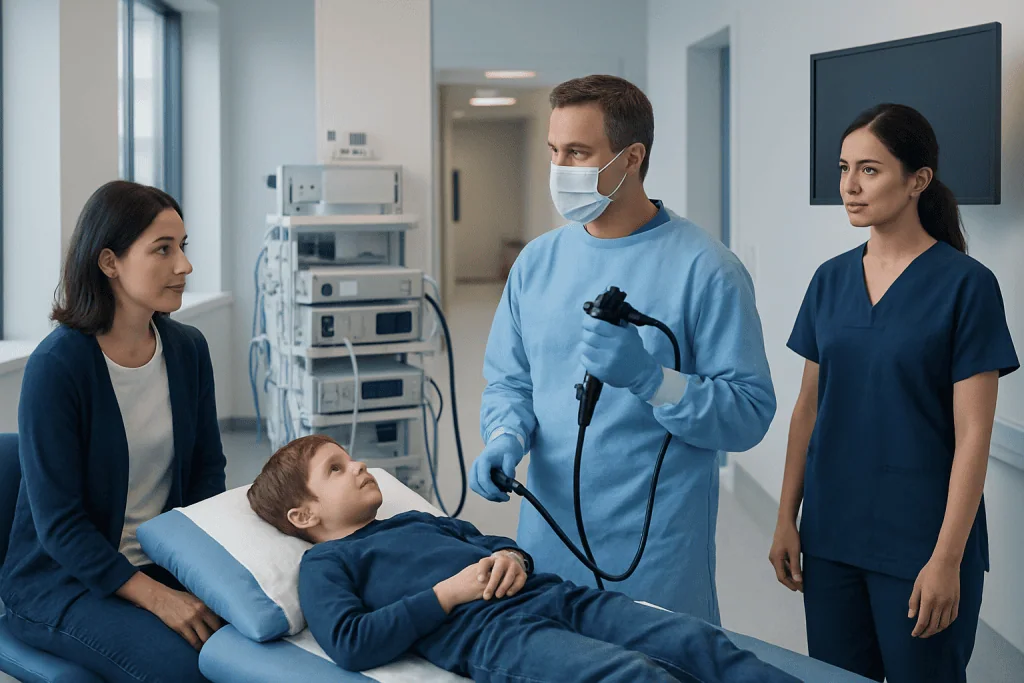
Pediatric endoscopy helps diagnose digestive symptoms such as ongoing abdominal pain, vomiting, swallowing problems, bleeding, or poor growth. Many children have endoscopy under sedation or anesthesia so they can stay comfortable and still during the procedure.
Key Takeaways
- Pediatric endoscopy helps diagnose digestive symptoms such as ongoing abdominal pain, vomiting, swallowing problems, bleeding, or poor growth.
- Many children have endoscopy under sedation or anesthesia so they can stay comfortable and still during the procedure.
- Doctors may use endoscopy to take biopsies, remove swallowed objects, or treat some sources of bleeding.
- Preparation depends on the type of endoscopy and usually includes fasting and carefully following the care team's instructions.
- Most children go home the same day, but parents should watch for concerning symptoms afterward and contact the doctor if needed.
Pediatric endoscopy is a commonly used procedure that allows doctors to look inside a child’s digestive tract using a thin, flexible camera. It can help diagnose unexplained symptoms, collect small tissue samples, and sometimes treat certain problems without surgery.
Overview: What pediatric endoscopy is
Pediatric endoscopy is a procedure that lets doctors examine the inside of a child’s digestive tract using a thin, flexible tube with a light and camera. The tube is passed gently through the mouth or rectum, depending on which part of the digestive system needs to be checked. The images help the medical team look for inflammation, irritation, narrowing, bleeding, infection, or other changes that may explain a child’s symptoms.
There are different types of pediatric endoscopy. An upper endoscopy looks at the esophagus, stomach, and first part of the small intestine. A colonoscopy examines the large intestine and sometimes the end of the small intestine. In selected cases, doctors may recommend specialized procedures to evaluate swallowing problems, persistent reflux symptoms, or possible conditions such as celiac disease.
Endoscopy is often recommended when symptoms have lasted for some time, when initial tests do not fully explain the problem, or when a direct look at the digestive tract would help make a diagnosis. It may also be used to take very small tissue samples called biopsies. These are important because some digestive conditions can only be confirmed by examining tissue under a microscope.
For many families, the idea of an endoscopy can feel stressful at first. In practice, pediatric endoscopy is a well-established procedure performed by trained specialists who are experienced in caring for children. The care team focuses on safety, comfort, and clear communication with parents before, during, and after the procedure.
Why a child may need an endoscopy
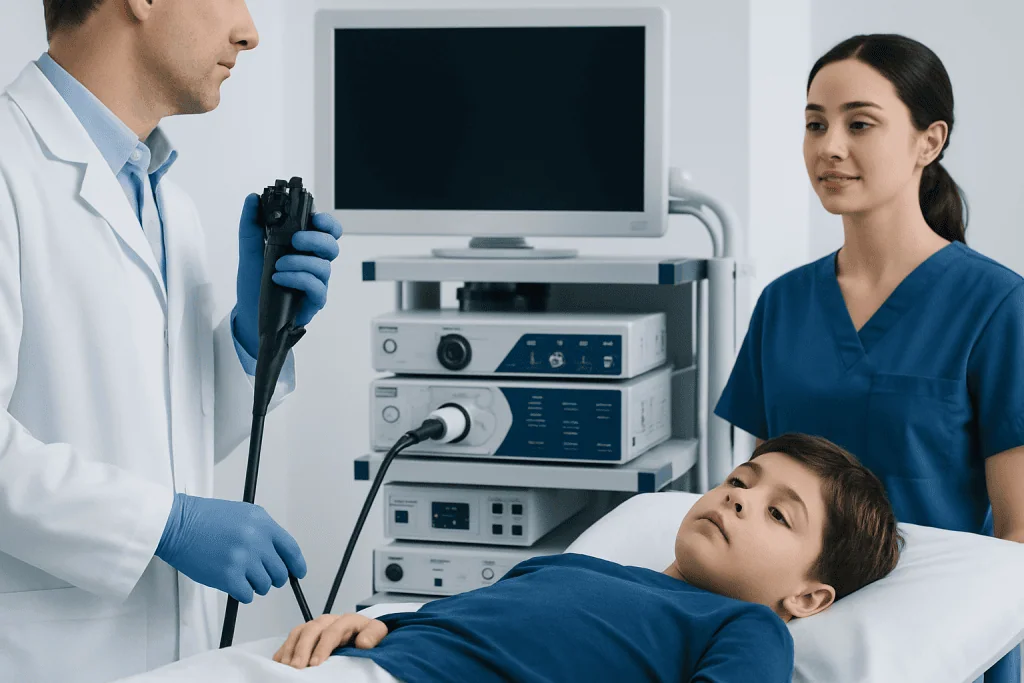
A doctor may suggest pediatric endoscopy when a child has symptoms that need closer evaluation. These may include ongoing abdominal pain, repeated vomiting, difficulty swallowing, persistent heartburn, chronic diarrhea, constipation with warning signs, unexplained weight loss, poor growth, anemia, or blood in the vomit or stool. The procedure can provide information that blood tests, stool tests, or imaging may not fully show.
Endoscopy can also help identify the cause of feeding difficulties or food getting stuck in the esophagus. In some children, it is used to check for inflammation related to allergies or immune conditions, such as eosinophilic esophagitis. In others, it may help doctors evaluate symptoms linked to inflammatory bowel disease, including Crohn’s disease or ulcerative colitis.
Sometimes the need for endoscopy is more urgent. A child who has swallowed a coin, battery, magnet, or another foreign object may need prompt endoscopic removal. Doctors can also use endoscopy to investigate digestive bleeding or to treat certain problems during the same procedure, reducing the need for an operation.
In short, pediatric endoscopy may be recommended for both diagnosis and treatment. The exact reason depends on the child’s age, symptoms, medical history, examination findings, and results of earlier tests.
Types of pediatric endoscopy and what they can show
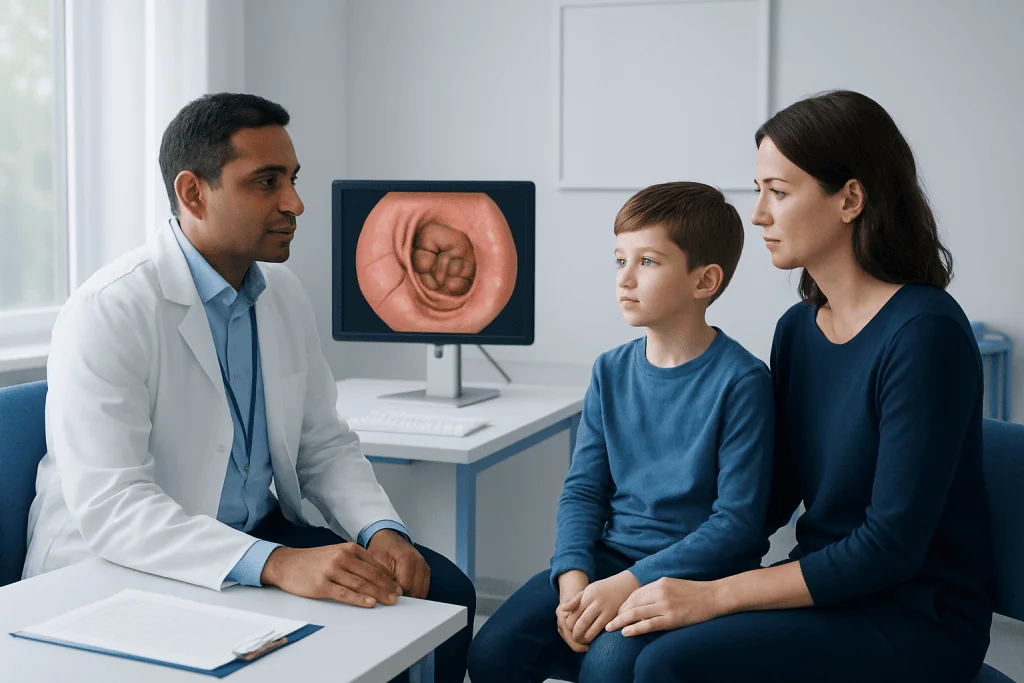
The most common type is upper endoscopy, also called esophagogastroduodenoscopy or EGD. This examines the esophagus, stomach, and upper small intestine. It may be used when a child has reflux symptoms that do not improve, difficulty swallowing, persistent nausea or vomiting, upper abdominal pain, or suspected bleeding. It also allows doctors to take biopsies to look for inflammation, infection, allergy-related changes, or damage from conditions such as gastroesophageal reflux disease.
Colonoscopy examines the lining of the colon and rectum. It may be recommended for chronic diarrhea, rectal bleeding, unexplained anemia, changes in bowel habits, or concern about inflammatory bowel disease. During the procedure, the doctor can inspect the bowel lining closely and collect tissue samples from different areas, even if the lining appears normal to the eye.
Some children need additional or specialized procedures depending on their symptoms. These may include sigmoidoscopy, which examines the lower part of the colon, or combined upper endoscopy and colonoscopy if doctors need a more complete evaluation of the digestive tract. In certain situations, endoscopy can also be used to remove swallowed objects, widen narrowed areas, or manage some causes of bleeding.
The type of procedure recommended depends on the question the medical team is trying to answer. Parents are usually told what will be examined, why it is needed, and whether any treatment might be done at the same time.
How to prepare and what happens on the day
Preparation is an important part of a safe and successful pediatric endoscopy. For most children, this includes not eating or drinking for a certain number of hours before the procedure. If a colonoscopy is planned, the bowel must be cleaned so the doctor can see clearly. This usually involves a special diet for a short time and a bowel preparation medicine exactly as instructed by the care team.
Parents should also tell the doctor about all medicines, vitamins, allergies, bleeding problems, and any previous reactions to sedation or anesthesia. If the child has a chronic condition such as asthma, diabetes, heart disease, or a neurological disorder, the team may give specific instructions about medicines and timing on the day of the test.
At the hospital or endoscopy unit, the child is checked in and assessed by the team. A nurse reviews the child’s health information, and the doctor explains the procedure again and answers questions. Most children receive sedation or anesthesia so they can sleep comfortably and remain still. This is especially important because even brief movement can make the procedure more difficult.
The procedure itself is usually relatively short, although the total visit takes longer because of preparation and recovery. If treatment is needed, such as endoscopy to diagnose or manage digestive problems or foreign body removal, this may be done during the same session when appropriate. Parents are then updated once the child is in recovery.
What parents can expect after the procedure
After pediatric endoscopy, most children spend a period of time in recovery while the effects of sedation or anesthesia wear off. It is common for a child to feel sleepy, slightly irritable, or mildly nauseated for a short time afterward. Some children may also have a temporary sore throat after upper endoscopy or mild bloating and gas after colonoscopy.
In many cases, children can go home the same day once they are awake enough, drinking fluids, and medically stable. The care team gives instructions about eating, drinking, rest, and returning to school or normal activities. Parents are also told when biopsy results are expected, since those results may take longer than the initial findings seen during the procedure.
Before discharge, the doctor usually explains what was seen during the test and whether tissue samples were taken. If the endoscopy helped confirm a diagnosis, the next steps may include dietary changes, medicines, further monitoring, or referral for another treatment plan. If no clear problem is seen, the doctor may still use biopsy results and other tests to guide the evaluation.
It can help to plan for a quiet day at home after the procedure. Most children recover quickly, but the medical team should be contacted if symptoms seem unusual or are getting worse rather than better.
Benefits, risks, and possible complications
Pediatric endoscopy offers important benefits. It allows doctors to look directly at the digestive tract, which can improve diagnostic accuracy and help avoid delays in treatment. It can also reduce the need for more invasive procedures, because biopsies and some treatments can be performed at the same time.
Like any medical procedure, endoscopy has some risks, but serious complications are uncommon when it is performed by experienced pediatric specialists. Possible risks include reactions to sedation or anesthesia, bleeding, infection, and injury to the lining of the digestive tract. The risk depends in part on the type of procedure, the child’s age and health, and whether any therapeutic treatment is done during the endoscopy.
Parents should know that the medical team takes multiple precautions to keep the procedure as safe as possible. These include careful review of the child’s medical history, monitoring during sedation, age-appropriate equipment, and recovery observation afterward. If a child has a complex condition or needs a specialized intervention, additional planning may be recommended.
When a child needs both diagnosis and treatment, endoscopy may sometimes be part of broader pediatric digestive care, including pediatric gastroenterology evaluation or, in selected cases, colonoscopy for lower digestive symptoms. The doctor balances potential benefits and risks before recommending any procedure.
When parents should call the doctor
Parents should contact the doctor if the child has symptoms after endoscopy that seem more than mild or temporary. These include worsening abdominal pain, repeated vomiting, trouble swallowing that is getting worse, fever, black stools, fresh blood in vomit or stool, chest pain, or unusual sleepiness that does not improve as expected after sedation. Breathing problems should be treated as urgent and require immediate medical attention.
It is also a good idea to call if the child cannot keep fluids down, seems dehydrated, or is not acting like themselves after the expected recovery period. Even when the symptom turns out not to be serious, checking with the care team can provide reassurance and help families know what to do next.
Parents may also need follow-up guidance after biopsy results return. A child could require medication changes, a special diet, additional blood work, or monitoring for a condition such as inflammatory bowel disease, reflux-related irritation, food allergy-related inflammation, or celiac disease. Keeping follow-up appointments is important so the results can be explained clearly and the treatment plan adjusted if needed.
For families seeking care across borders, Acibadem International’s multidisciplinary specialists and JCI-accredited hospitals diagnose and treat pediatric digestive conditions for international patients, with endoscopy and follow-up care tailored to children’s needs.
Frequently asked questions
Is pediatric endoscopy painful for children?
Most children have pediatric endoscopy with sedation or anesthesia, so they are comfortable during the procedure and usually do not remember it. Mild throat discomfort, gas, or bloating can happen afterward, but these symptoms are often short-lived. The care team will explain how comfort is managed before and after the test.
How long does a pediatric endoscopy take?
The procedure itself is often fairly short, but the total visit is longer because of preparation, sedation, and recovery time. The exact length depends on the type of endoscopy and whether biopsies or treatment are needed. Parents should expect to spend several hours at the hospital or endoscopy unit.
Why are biopsies taken if the doctor does not see anything abnormal?
Some digestive conditions can only be confirmed under a microscope, even when the lining looks normal during endoscopy. Small biopsies help doctors check for inflammation, allergy-related changes, infection, celiac disease, and other disorders. Taking biopsies is a routine part of many pediatric endoscopy procedures.
Will my child need general anesthesia?
The sedation plan depends on the child’s age, health, anxiety level, and the type of procedure. Many children receive deep sedation or anesthesia so they can stay still and comfortable. The anesthesia or sedation team will review the safest option for the child before the procedure.
What can a child eat after endoscopy?
The doctor or nurse will give specific instructions based on the procedure and how the child is feeling. Many children can start with fluids and then return gradually to their usual foods. If a sore throat, nausea, or bloating is present, softer and lighter foods may feel better at first.
Are there alternatives to pediatric endoscopy?
Sometimes blood tests, stool tests, ultrasound, or other imaging can provide helpful information, but they do not always replace endoscopy. Endoscopy is unique because it allows doctors to see the lining directly and take biopsies. The doctor will recommend it only when the expected benefit is important for diagnosis or treatment.
References
- North American Society for Pediatric Gastroenterology, Hepatology and Nutrition
- American Society for Gastrointestinal Endoscopy
- National Institute of Diabetes and Digestive and Kidney Diseases
- American Academy of Pediatrics
- National Health Service
This article is for general information only and is not a substitute for professional medical advice. Please consult a qualified doctor about your individual situation.
Explore treatments in Turkey — costs, top hospitals & a free quote
JCI-accredited · board-certified surgeons · reply within 24h
Add us as a Preferred Source to see more of our trusted health content across Google Search, AI Overviews and Discover.