Digestive Health Checkup: Which Tests May Be Recommended and Why

A digestive health checkup is tailored to symptoms, age, family history, and overall risk. Common evaluations include blood tests, stool tests, imaging, and endoscopic procedures.
Key Takeaways
- A digestive health checkup is tailored to symptoms, age, family history, and overall risk.
- Common evaluations include blood tests, stool tests, imaging, and endoscopic procedures.
- Not everyone needs every test; a doctor chooses tests based on the most likely causes.
- Routine colorectal cancer screening is an important part of digestive health for many adults.
- Early evaluation of ongoing digestive symptoms can help identify treatable conditions sooner.
A digestive health checkup may involve different tests depending on a person’s age, symptoms, medical history, and risk factors. The goal is to detect problems early, clarify the cause of digestive symptoms, and help guide the most appropriate care.
Overview: What Is a Digestive Health Checkup?
A digestive health checkup is a medical evaluation focused on the organs involved in digestion, including the esophagus, stomach, intestines, liver, gallbladder, pancreas, and rectum. It may be done because a person has symptoms such as abdominal pain, bloating, heartburn, diarrhea, constipation, or unexplained weight loss. It can also be part of preventive care, especially when screening for conditions such as colorectal cancer.
The checkup usually begins with a detailed conversation about symptoms, diet, medications, bowel habits, family history, and general health. A physical examination may follow, with attention to the abdomen and signs such as tenderness, swelling, or jaundice. Based on this first assessment, a doctor may recommend one or more tests to look for inflammation, infection, bleeding, digestive disorders, structural problems, or early signs of disease.
Because digestive symptoms can have many possible causes, there is no single standard test for everyone. Some people only need simple laboratory tests, while others may need imaging or procedures that directly examine the digestive tract. The aim is to choose the least invasive and most informative tests for the person’s situation.
When Digestive Tests May Be Recommended
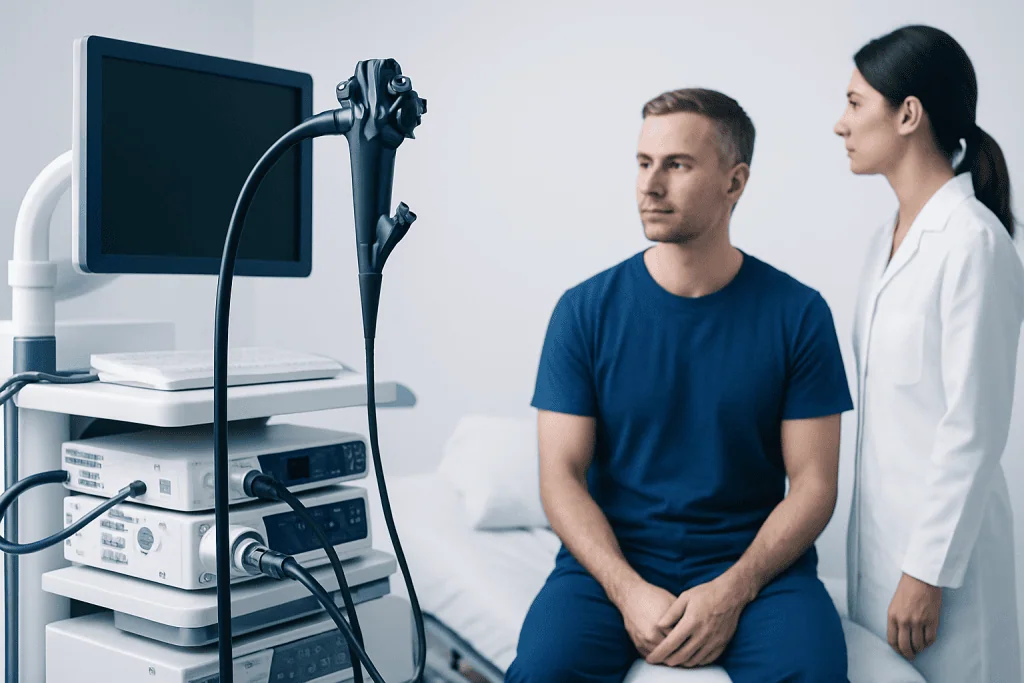
Doctors may suggest a digestive health checkup when symptoms are persistent, recurrent, or interfering with daily life. Common reasons include ongoing heartburn, trouble swallowing, nausea, vomiting, bloating, gas, changes in bowel habits, rectal bleeding, black stools, or abdominal discomfort. Even symptoms that seem mild may deserve attention if they continue for weeks or keep coming back.
Testing may also be recommended when there are warning signs that need prompt evaluation. These can include unintentional weight loss, anemia, vomiting blood, severe or worsening pain, persistent diarrhea, or a strong family history of digestive diseases. People with chronic conditions such as inflammatory bowel disease, liver disease, or celiac disease may need regular follow-up testing over time.
Preventive screening is another important reason for digestive evaluation. Adults in certain age groups, as well as those with higher risk because of family history or previous polyps, may be advised to have colorectal cancer screening even if they feel well. In these cases, testing helps detect changes early, often before symptoms appear.
Common Tests in a Digestive Health Checkup

Many digestive evaluations start with blood tests. These may check for anemia, infection, inflammation, dehydration, liver function, pancreatic enzymes, nutritional deficiencies, or markers that suggest malabsorption. Blood tests can offer useful clues, although they usually do not provide a final diagnosis by themselves.
Stool tests are also common and can be very helpful. They may look for hidden blood, infection, parasites, inflammation, or problems with digestion and absorption. Depending on the person’s symptoms, a doctor may request a stool culture, a fecal occult blood test, a fecal immunochemical test, or other specialized stool analyses.
Breath tests may be used in selected cases, such as when lactose intolerance or certain bacterial overgrowth conditions are suspected. These tests are noninvasive and measure gases in the breath after drinking a specific solution. They can help explain symptoms like bloating, abdominal discomfort, and diarrhea in some patients.
Urine tests are less central than blood or stool tests for digestive complaints, but they may sometimes help assess hydration, infection, or broader metabolic issues. The doctor decides which basic and specialized tests are most appropriate after reviewing symptoms and medical history.
Endoscopy, Colonoscopy, and Other Imaging Tests
When doctors need a closer look at the digestive tract, they may recommend endoscopic procedures. An upper endoscopy uses a thin flexible tube with a camera to examine the esophagus, stomach, and first part of the small intestine. It may be advised for symptoms such as persistent reflux, swallowing problems, upper abdominal pain, nausea, or unexplained anemia. During the procedure, the doctor can often take small tissue samples for biopsy if needed.
A colonoscopy allows direct examination of the colon and rectum. It is commonly used for colorectal cancer screening, evaluation of rectal bleeding, chronic diarrhea, unexplained anemia, or changes in bowel habits. Polyps can often be removed during the same procedure, which makes colonoscopy both a diagnostic and preventive test.
Imaging tests may also be part of a digestive health checkup. Ultrasound is often used to evaluate the liver, gallbladder, bile ducts, and sometimes other abdominal organs. CT scans and MRI can provide more detailed images when doctors need to assess inflammation, masses, obstruction, or complications involving abdominal organs. In some situations, a doctor may recommend an endoscopic examination together with imaging for a more complete assessment.
Other specialized tests may include capsule endoscopy, which uses a small swallowed camera to image parts of the small intestine, or contrast studies that show how food and liquid move through the digestive tract. These are usually reserved for specific questions that standard tests have not fully answered.
How Doctors Choose the Right Test
The best test depends on the symptoms and what the doctor is trying to rule out or confirm. For example, frequent heartburn may lead to a different workup than chronic diarrhea or rectal bleeding. A doctor may begin with simpler tests first and then recommend more targeted evaluations if results are unclear or symptoms continue.
Age and family history matter as well. A younger person with occasional bloating may not need the same evaluation as an older adult with new constipation or blood in the stool. A family history of colorectal cancer, polyps, celiac disease, or inflammatory bowel disease can change the level of concern and influence which tests are advised.
Medication use is another important factor. Anti-inflammatory drugs, blood thinners, antibiotics, acid-suppressing medications, and supplements can affect symptoms and test results. A full medication review helps the doctor interpret findings correctly and may reveal a reversible cause of digestive problems.
Doctors also consider how urgent the situation appears. Severe pain, dehydration, ongoing vomiting, or signs of bleeding may require faster testing and more immediate care. In less urgent situations, evaluation can often be planned step by step to avoid unnecessary procedures while still reaching a reliable diagnosis.
Preparing for Digestive Tests and What to Expect
Preparation depends on the type of test. Blood and stool tests may involve only simple instructions, but imaging and endoscopic procedures often require more planning. For example, a colonoscopy usually involves a special diet and bowel preparation beforehand so the lining of the colon can be seen clearly. Following instructions carefully is important because it helps improve test accuracy.
Some tests require fasting for several hours, while others may involve drinking contrast material or temporarily stopping certain medicines. Patients should always ask their doctor which medications can be continued and which may need to be adjusted. This is especially important for people taking blood thinners, diabetes medicines, or drugs that affect bowel function.
Many people worry about discomfort or embarrassment, but digestive testing is a routine part of medical care. Healthcare teams aim to make the process as safe and comfortable as possible. Sedation is commonly used for some procedures, and most patients can return home the same day, although they may need someone to accompany them after sedated tests.
Results may be available at different times. Some blood tests return quickly, while biopsies and specialized analyses can take longer. The most helpful approach is to review all findings together with the doctor, who can explain what the results mean and whether any follow-up is needed.
Possible Conditions These Tests Can Help Detect
A digestive health checkup can help identify a wide range of conditions. Some are relatively common and manageable, such as acid reflux, gastritis, hemorrhoids, constipation, food intolerance, or infections. Others may include inflammatory or autoimmune disorders such as celiac disease or inflammatory bowel disease.
Testing may also help detect ulcers, gallstones, liver disease, pancreatic conditions, diverticular disease, or problems involving nutrient absorption. If a person has long-standing symptoms or warning signs, doctors may need to look for more serious causes such as gastrointestinal bleeding, significant inflammation, or cancer.
In some cases, findings suggest a functional digestive disorder, meaning symptoms are real but standard tests do not show structural disease. This can happen in conditions such as irritable bowel syndrome. Even then, an appropriate evaluation can be valuable because it helps exclude other causes and supports a more confident treatment plan.
When care requires multiple specialties, a coordinated approach can be helpful. Near the end of the evaluation pathway, patients may benefit from centers with gastroenterology, radiology, pathology, and surgical expertise working together. Acibadem International’s multidisciplinary specialists in JCI-accredited hospitals diagnose and treat digestive conditions for international patients when more advanced assessment is needed.
Prevention, Self-Care, and When to See a Doctor
Not every digestive problem can be prevented, but healthy habits can support digestive function and may reduce the risk of some conditions. These include eating a balanced diet rich in fiber when appropriate, drinking enough fluids, staying physically active, limiting excess alcohol, avoiding tobacco, and using medications only as directed. Paying attention to how specific foods affect symptoms can also be useful, especially in people with intolerance or sensitivity.
Routine preventive care matters as well. Age-appropriate screening, especially for colorectal cancer, is an important part of protecting digestive health. People with a family history of digestive disease should tell their doctor, as they may need earlier or more frequent screening than average-risk adults.
Medical advice should be sought if symptoms persist, keep returning, or interfere with eating, sleep, work, or daily activities. Prompt evaluation is especially important for bleeding, black stools, unexplained weight loss, persistent vomiting, trouble swallowing, yellowing of the skin or eyes, severe abdominal pain, or ongoing changes in bowel habits.
Seeing a doctor does not always mean that a serious condition is present. In many cases, symptoms are caused by treatable or manageable problems. A timely digestive health checkup can provide clarity, reduce uncertainty, and help a person move toward effective treatment and reassurance.
Frequently asked questions
What is included in a digestive health checkup?
A digestive health checkup usually starts with a medical history, symptom review, and physical examination. Depending on the situation, it may also include blood tests, stool tests, imaging, or procedures such as endoscopy or colonoscopy.
Does everyone need a colonoscopy during a digestive health checkup?
No, not everyone needs a colonoscopy. It is usually recommended for colorectal cancer screening or when symptoms such as rectal bleeding, anemia, chronic diarrhea, or changes in bowel habits need further evaluation.
Which symptoms suggest that digestive tests may be needed?
Persistent heartburn, abdominal pain, bloating, diarrhea, constipation, blood in the stool, nausea, vomiting, and unexplained weight loss are common reasons for evaluation. A doctor will consider how long symptoms have lasted, how severe they are, and whether warning signs are present.
Are digestive tests painful?
Many digestive tests, such as blood work, stool tests, ultrasound, or breath tests, cause little or no discomfort. Procedures like endoscopy or colonoscopy are commonly performed with sedation or measures to improve comfort, and most people tolerate them well.
How should a person prepare for digestive testing?
Preparation depends on the test. Some require fasting, some involve collecting a stool sample, and others, such as colonoscopy, need bowel preparation and specific diet instructions beforehand.
Can digestive symptoms be present even if test results are normal?
Yes. Some digestive disorders are functional, meaning symptoms occur without obvious structural changes on routine tests. Normal results can still be helpful because they rule out other conditions and help doctors guide treatment more confidently.
References
- World Health Organization
- National Institute of Diabetes and Digestive and Kidney Diseases
- American College of Gastroenterology
- U.S. Preventive Services Task Force
- National Health Service
This article is for general information only and is not a substitute for professional medical advice. Please consult a qualified doctor about your individual situation.
Medical weight-loss options in Turkey — costs & eligibility
JCI-accredited · board-certified surgeons · reply within 24h
Add us as a Preferred Source to see more of our trusted health content across Google Search, AI Overviews and Discover.